












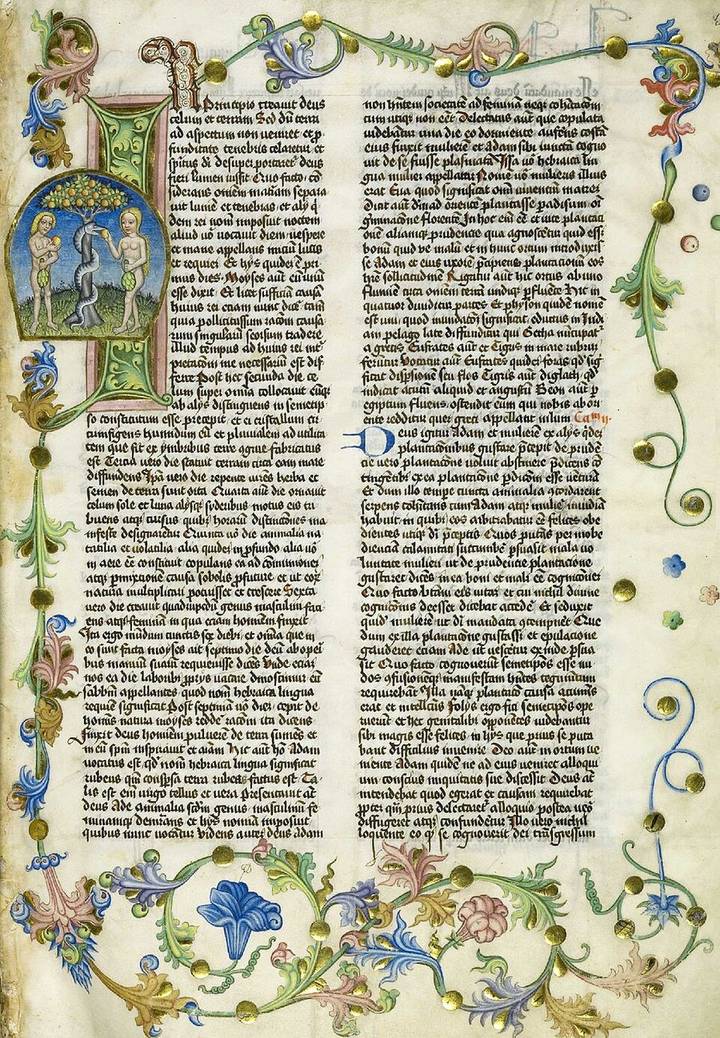
Josephus: Antiquities of the Jews, Whiston, 1737
The first-century Jewish historian retells Genesis for Roman readers, including his own account of the sons of God and the giants they fathered. The whole Antiquities, in William Whiston's classic English translation.
Public domain copy
Read Josephus: Antiquities of the Jews, Whiston, 1737 online
Antiquities of the Jews Author: Flavius Josephus Translator: William Whiston Digitized by Project Gutenberg, ebook #2848
THE ANTIQUITIES OF THE JEWS
By Flavius Josephus
Translated by William Whiston
CONTENTS
PREFACE
FOOTNOTES
BOOK I. Containing The Interval Of Three Thousand Eight Hundred And Thirty-Three Years. — From The Creation To The Death Of Isaac.
CHAPTER 1. The Constitution Of The World And The Disposition Of The Elements.
CHAPTER 2. Concerning The Posterity Of Adam, And The Ten Generations From Him To The Deluge.
CHAPTER 3. Concerning The Flood; And After What Manner Noah Was Saved In An Ark, With His Kindred, And Afterwards Dwelt In The Plain Of Shinar.
CHAPTER 4. Concerning The Tower Of Babylon, And The Confusion Of Tongues.
CHAPTER 5. After What Manner The Posterity Of Noah Sent Out Colonies, And Inhabited The Whole Earth.
CHAPTER 6. How Every Nation Was Denominated From Their First Inhabitants.
CHAPTER 7. How Abram Our Forefather Went Out Of The Land Of The Chaldeans, And Lived In The Land Then Called Canaan But Now Judea.
CHAPTER 8. That When There Was A Famine In Canaan, Abram Went Thence Into Egypt; And After He Had Continued There A While He Returned Back Again.
CHAPTER 9. The Destruction Of The Sodomites By The Assyrian War.
CHAPTER 10. How Abram Fought With The Assyrians, And Overcame Them, And Saved The Sodomite Prisoners, And Took From The Assyrians The Prey They Had Gotten.
CHAPTER 11. How God Overthrew The Nation Of The Sodomites, Out Of His Wrath Against Them For Their Sins.
CHAPTER 12. Concerning Abimelech; And Concerning Ismael The Son Of Abraham; And Concerning The Arabians, Who Were His Posterity.
CHAPTER 13. Concerning Isaac The Legitimate Son Of Abraham.
CHAPTER 14. Concerning Sarah Abraham's Wife; And How She Ended Her Days.
CHAPTER 15. How The Nation Of The Troglodytes Were Derived From Abraham By Keturah.
CHAPTER 16. How Isaac Took Rebeka To Wife.
CHAPTER 17. Concerning The Death Of Abraham.
CHAPTER 18. Concerning The Sons Of Isaac, Esau And Jacob; Of Their Nativity And Education.
CHAPTER 19. Concerning Jacob's Flight Into Mesopotamia, By Reason Of The Fear He Was In Of His Brother.
CHAPTER 20. Concerning The Meeting Of Jacob And Esau.
CHAPTER 21. Concerning The Violation Of Dina's Chastity.
CHAPTER 22. How Isaac Died, And Was Buried In Hebron.
FOOTNOTES:
BOOK II. Containing The Interval Of Two Hundred And Twenty Years.—From The Death Of Isaac To The Exodus Out Of Egypt.
CHAPTER 1. How Esau And Jacob, Isaac's Sons Divided Their Habitation; And Esau Possessed Idumea And Jacob Canaan.
CHAPTER 2. How Joseph, The Youngest Of Jacob's Sons, Was Envied By His Brethren, When Certain Dreams Had Foreshown His Future Happiness.
CHAPTER 3. How Joseph Was Thus Sold By His Brethren Into Egypt, By Reason Of Their Hatred To Him; And How He There Grew Famous And Illustrious And Had His Brethren Under His Power.
CHAPTER 4. Concerning The Signal Chastity Of Joseph.
CHAPTER 5. What Things Befell Joseph In Prison.
CHAPTER 6. How Joseph When He Was Become Famous In Egypt, Had His Brethren In Subjection.
CHAPTER 7. The Removal Of Joseph's Father With All His Family, To Him, On Account Of The Famine.
CHAPTER 8. Of The Death Of Jacob And Joseph.
Read the story behind it
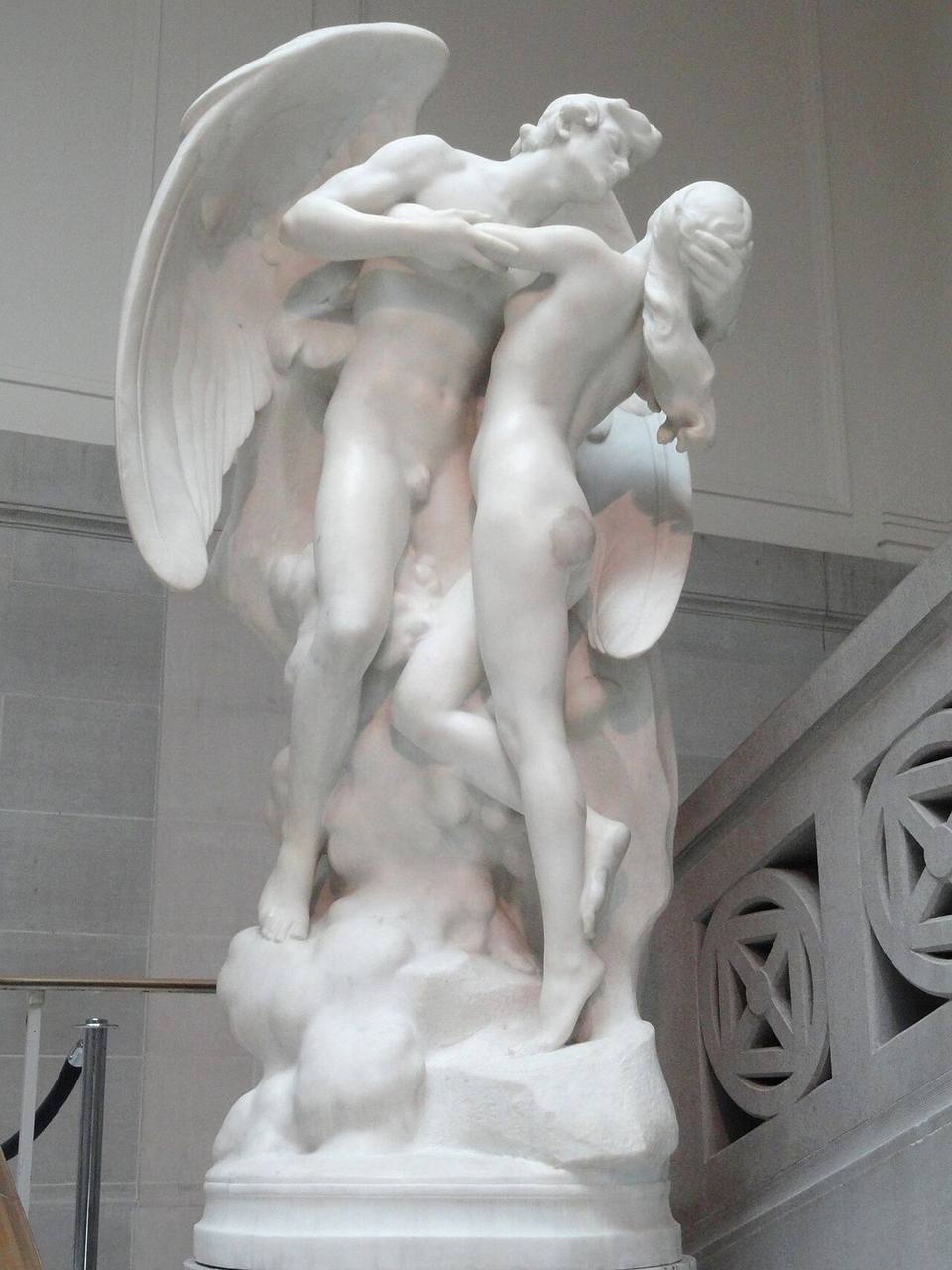 BeingNephilimMyth or legendGenesis says giants walked the earth "also after that," meaning after the Flood that was meant to wipe everything out. The Nephilim get just two verses in the whole Hebrew Bible, and neither explains them. Who were they, and how did they outlast the Flood? Scholars and the text itself disagree.
 BeingAnakimMyth or legendAncient spies came back from Canaan saying they felt like grasshoppers next to the sons of Anak. The Bible traces a line from these giants of Hebron to the Philistine city of Gath, home of Goliath. The spies' report is framed as a faithless exaggeration, though. Were the Anakim a real people, or a legend enlarged by fear?
Where this comes from
Comes from Antiquities of the Jews, by Josephus, the copy of Josephus: Antiquities of the Jews, Whiston, 1737 we host here, by Flavius Josephus. Antiquities of the Jews by Flavius Josephus in William Whiston's English translation, as released by Project Gutenberg.
What this means
A primary record or a faithful public-domain copy of one. This page says what the file is and where it comes from; it does not say every claim in it is true.
Primary records exist: an original document, a published text, an official file or a dated report. We link to them. This level says the record exists and what it says, not that every claim in it is true.
Where and when was it found?
- Written
- 93 to 94 CE, in the 13th year of the Roman emperor Domitian
- Where it was found
- Greek manuscripts, many of them incomplete; Benedikt Niese's edition drew mainly on manuscripts from France and Spain
- When it was found
- Never lost; it was read and copied through the Middle Ages. Benedikt Niese's critical edition of the Greek text (1885 to 1895) compared the surviving manuscripts
- Oldest copy
- The earliest Greek manuscript of Books 11 to 20 is Ambrosianus 370 (F 128), from the 11th century, in the Biblioteca Ambrosiana, Milan
- Original language
- Greek
About this copy
This is a public-domain copy. The line below says where the file comes from and why we may host it.
Why we can share it: Project Gutenberg record: "Public domain in the USA." Translator William Whiston, 1667-1752.
Updated