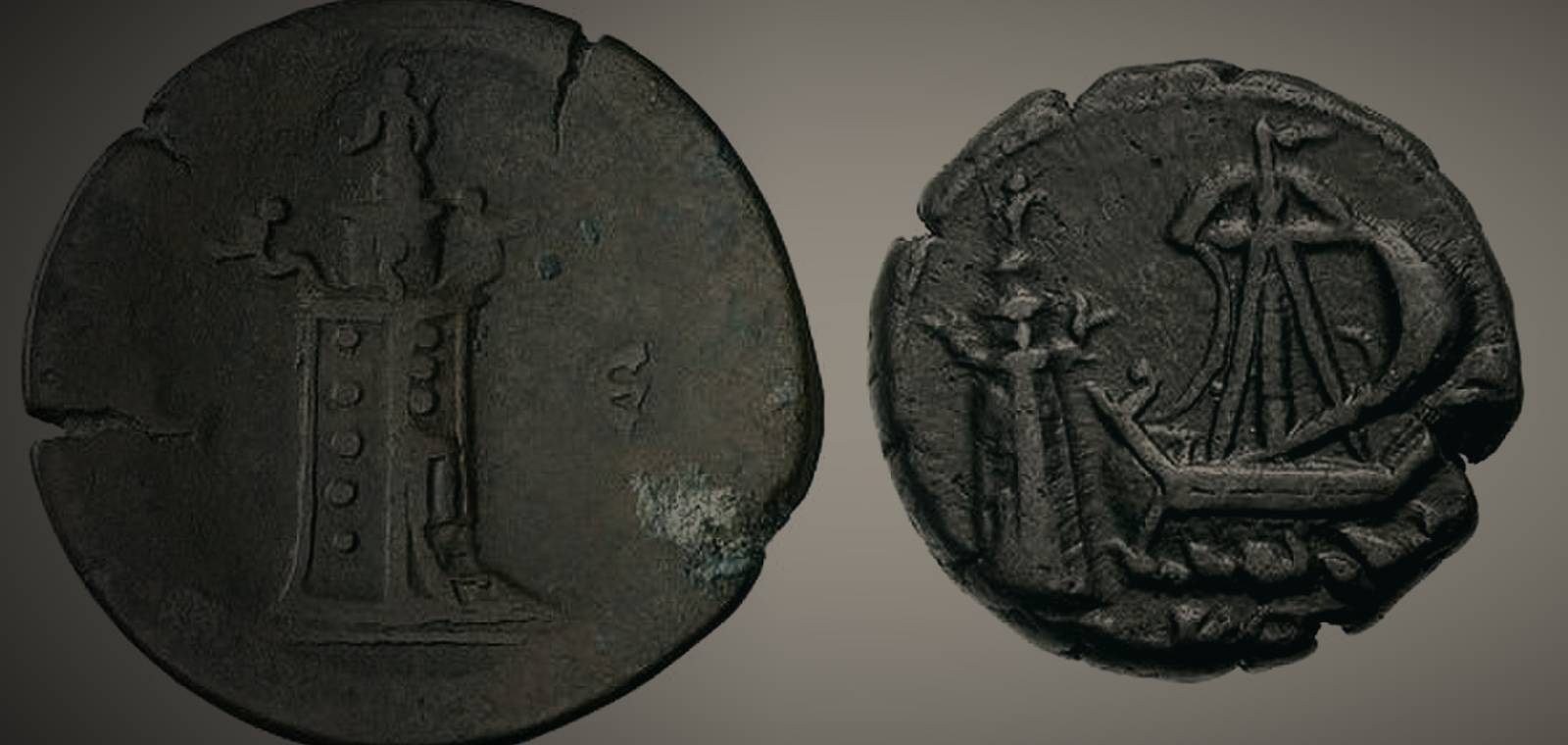
The record
The lighthouse of Alexandria stood at the tip of Pharos, the island in front of Egypt's great harbor city,. The Greek geographer Strabo, writing about two thousand years ago, described a tower admirably built of white marble with many stories, standing on a rock washed all round by the sea.
He also explained why it was needed. The coast was harbourless and low on either side, with reefs and shallows, so ships coming in from the open sea needed some lofty and conspicuous sign to steer for the harbor mouth. The tower, he wrote, was an offering made by Sostratus of Cnidus, a friend of the kings, for the safety of mariners.
Pliny the Elder added that it cost eight hundred talents, and that King Ptolemy allowed the architect Sostratus to inscribe his own name on the building. Its purpose, Pliny wrote, was to warn ships of the shoals by the light of its fires at night.
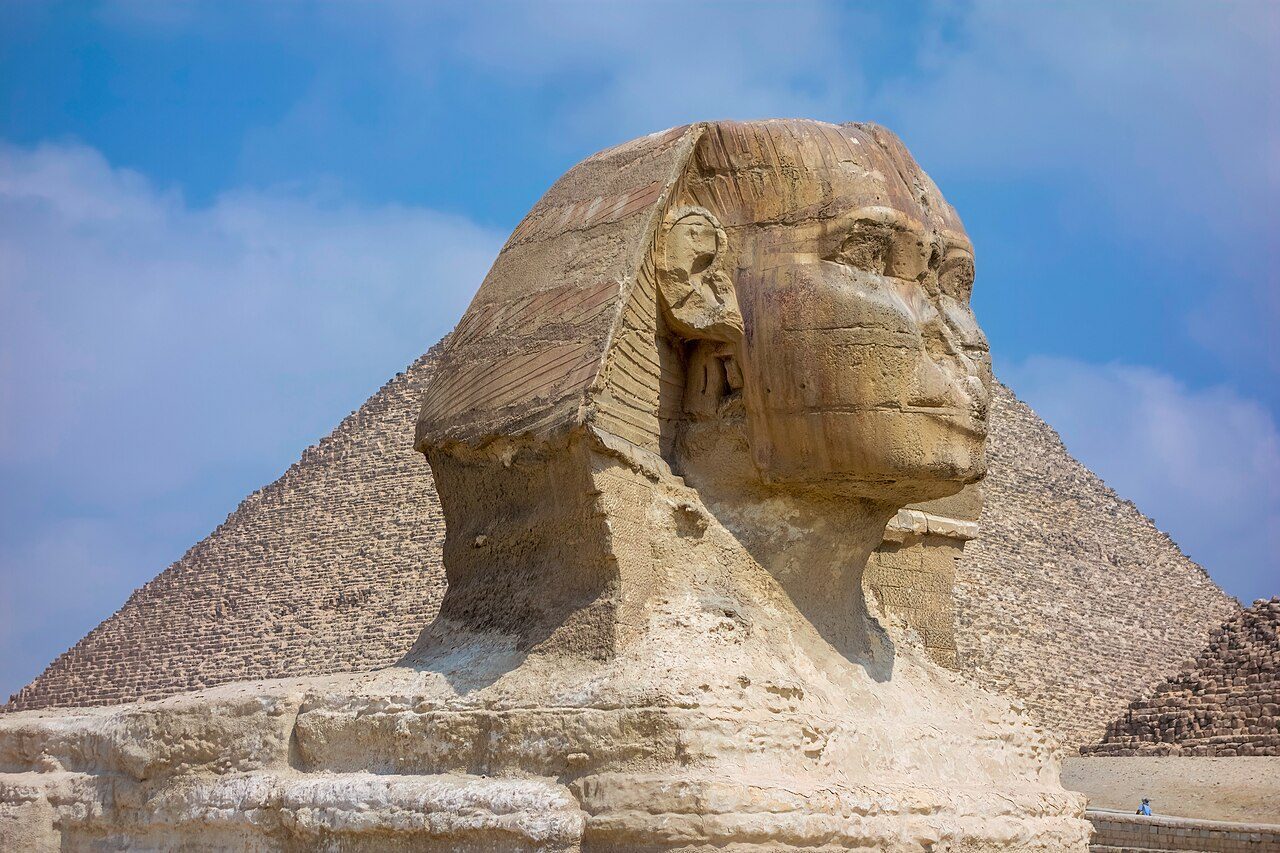
The ministry notes that it survived numerous earthquakes over seventeen centuries. In 1993 hundreds of concrete blocks were dropped into the sea to protect Qaitbay Citadel, built in 1477. The French Ministry of Culture says the Centre for Alexandrian Studies, founded by Jean-Yves Empereur, began excavating there in 1994. Divers identified almost 3,500 architectural items, including capitals, column bases, sphinxes, obelisks and colossal statues in the Greek and Egyptian styles. Some of them, the ministry says, probably belonged to the lighthouse.