












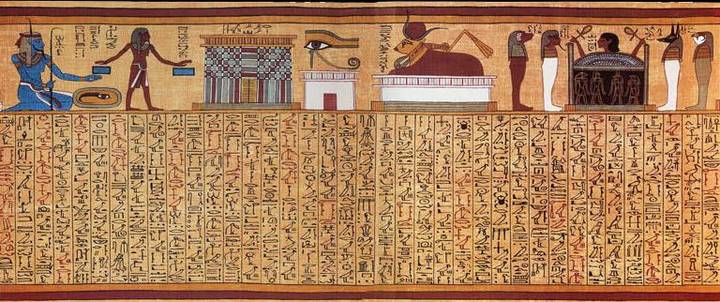
The Book of the Dead: The Chapters of Coming Forth by Day, Vol. 2 (translation, vocabulary, etc.)
The spells Egyptians wrote on papyrus and tucked in tombs, translated in full. Its own name means the chapters of coming forth by day. Budge's old wording is dated but complete.
Public domain copy
Read The Book of the Dead: The Chapters of Coming Forth by Day, Vol. 2 (translation, vocabulary, etc.) online
PZTI555
A3
1898
v, 2
Digitized by the Internet Archive in 2017 with funding from Princeton Theological Seminary Library
https://archive.org/details/bookofdeadchapte02budg
I'llK BOOK OF THE DEAD
THE CHAPTERS
OF COMING FORTH BY DAY
THE EGYPTIAN TEXT ACCORDING TO THE THEBAN RECENSION IN HIEROGLYPHIC EDITED FROM NUMEROUS PAPYRI, WITH A TRANSLATION, VOCABULARY, ETC.
BY
E. A. WALLIS BUDGE
LITT. D., D. LIT., F. S. A.
KEEPER OF THE EGYPTIAN AND ASSYRIAN ANTIQUITIES IN THE BRITISH MUSEUM
LONDON
KEGAN PAUL, TRENCH, TROBNER & CO., Ltd.
PATERNOSTER HOUSE, CHARING CROSS ROAD 1898.
[all rights reserved.]
THE JUDGMENT SCENE
RA-HAR^IACHIS.
THE COMPANY OF THE GODS:
TEMU.
[From the Papyrus of Ani [Brit. Hus. No. 10,470, sheets 8 and 4)].
TEFNUT.
ISIS & NEPHTHYS.
HORUS.
HATHOR.
t.
'li m i1: ill Hi Hi Hi ill in Hi ii< ill riflij
ilLUli Hi ill!
Wti
|ii in urminrjH in nrm
. • 1 - " ~ ~
Ani’s soul. Ani’s embryo.
Ani’s Luck or Destiny.
Anubis testing the tongue of the Balance.
The devourer of the unjustified.
Thoth recording the result of the weighing.
Rcncnet and Mcs- khenct, the god¬ desses of birth.
ANT and Ins wife TiH'THU entering the Hall of Judgment.
Read the story behind it
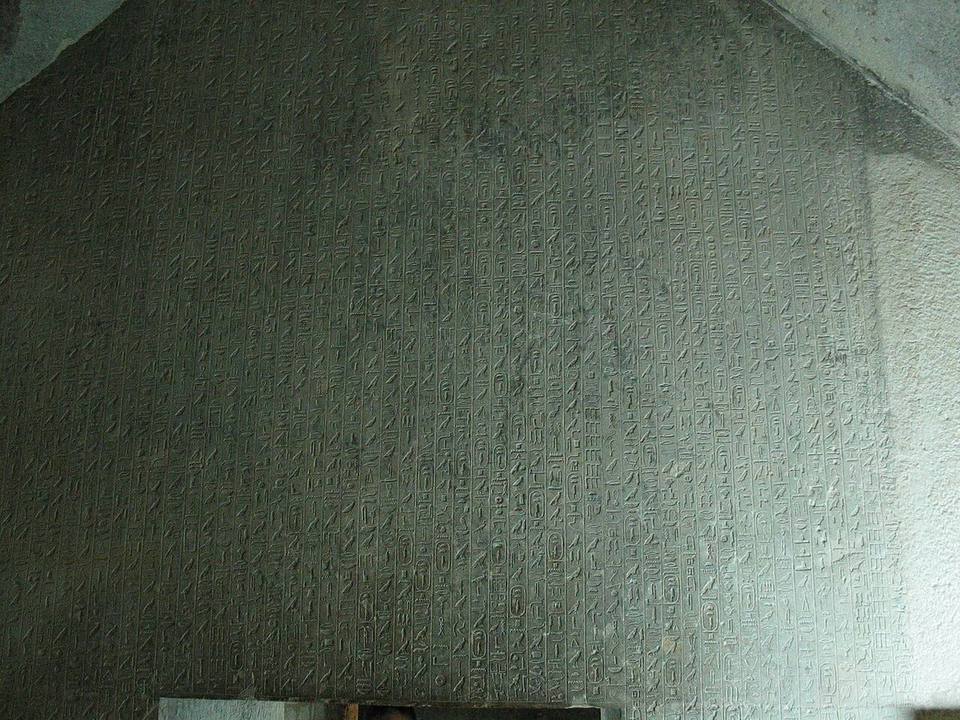 TextPyramid TextsDocumentedThe great pyramids at Giza are silent inside, with no inscriptions at all; the oldest religious writing in Egypt appears only later, carved on the walls of burial chambers to send a dead king up to the stars. One spell, the Cannibal Hymn, has him hunt the gods, cook them and eat their magic. What did these spells promise him?
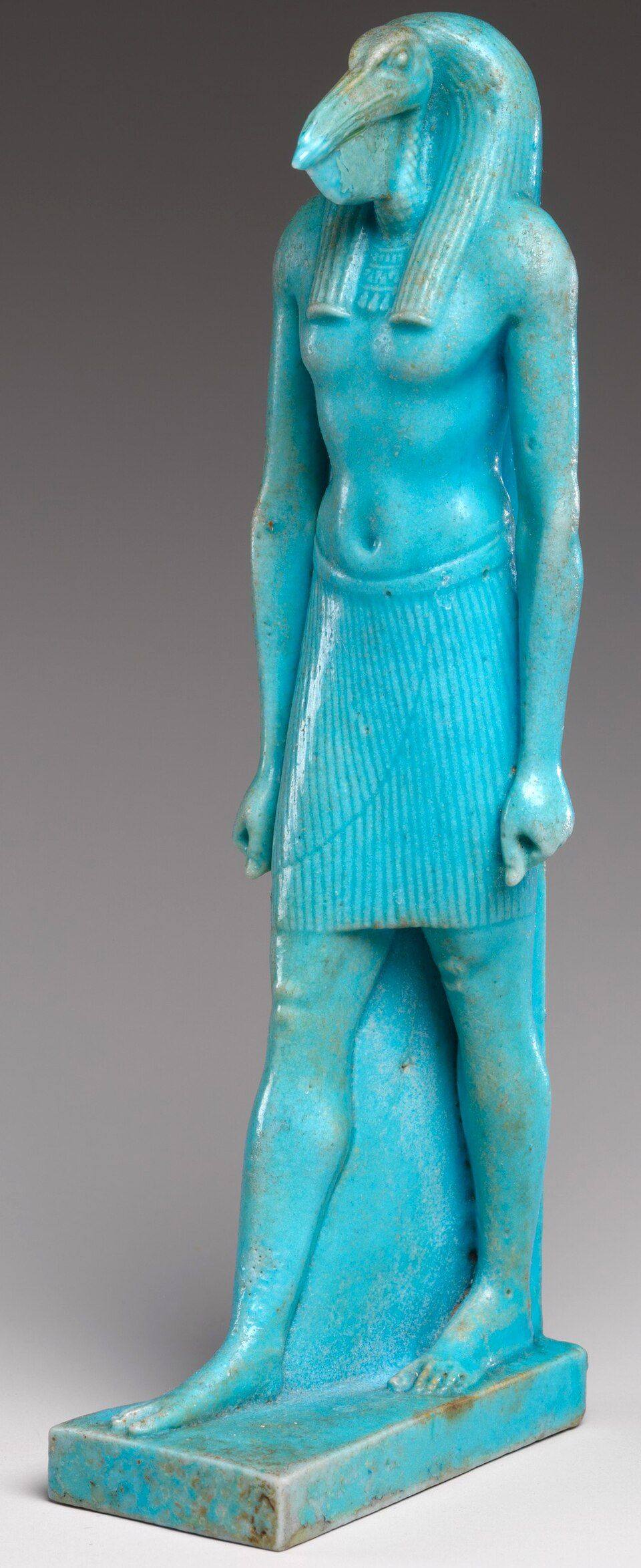 GodThothMyth or legendMillions of mummified ibis birds were buried in catacombs as offerings to Thoth, the ibis-headed Egyptian god of writing and the moon. Stories give him hidden writings too, including a Book of Thoth locked in nested boxes at the bottom of the Nile; reading it brought disaster on the man who took it. What did it say?
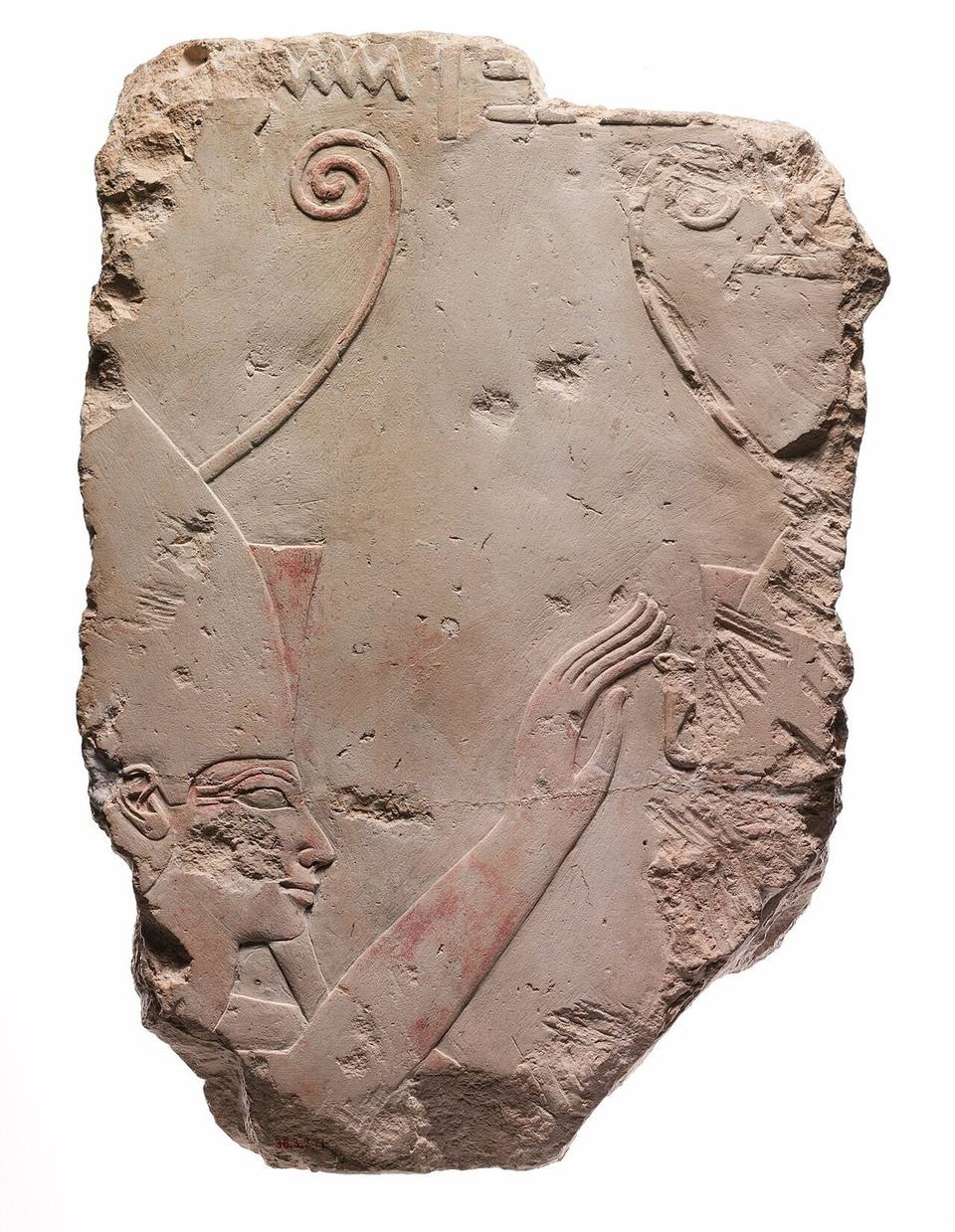 GodAtumMyth or legendIn the Book of the Dead, Egypt's creator god calmly tells Osiris that he will one day destroy everything he made and survive it as a serpent, while the earth returns to the waters. He had risen self-made from those waters; some texts say he sneezed out the first gods. What does he mean by an ending?
Where this comes from
Comes from The Egyptian Book of the Dead, the copy of The Book of the Dead: The Chapters of Coming Forth by Day, Vol. 2 (translation, vocabulary, etc.) we host here. E. A. Wallis Budge's 1898 edition of the Egyptian Book of the Dead, vol. 2, the English translation and vocabulary (Kegan Paul, Trench, Trubner, London).
What this means
A primary record or a faithful public-domain copy of one. This page says what the file is and where it comes from; it does not say every claim in it is true.
Primary records exist: an original document, a published text, an official file or a dated report. We link to them. This level says the record exists and what it says, not that every claim in it is true.
Where and when was it found?
- Written
- Used from the start of the New Kingdom (about 1550 BCE) to about 50 BCE; its spells first appear around 1700 BCE at Thebes
- Where it was found
- Tombs in Egypt, especially at Thebes (modern Luxor); many of the finest copies, including the Papyrus of Ani and the Papyrus of Hunefer, are in the British Museum, London
- When it was found
- Karl Richard Lepsius published a translation of a Ptolemaic copy in 1842 and gave the texts the name Book of the Dead; the Papyrus of Ani was found at Thebes in 1888 and acquired by E. A. Wallis Budge for the British Museum
- Oldest copy
- The earliest known use of its spells is on the coffin of Queen Mentuhotep of the 16th Dynasty; the Papyrus of Ani (about 1250 BCE, 19th Dynasty) is in the British Museum
- Original language
- Egyptian, in cursive hieroglyphs and hieratic
About this copy
This is a public-domain copy. The line below says where the file comes from and why we may host it.
Why we can share it: Published 1898, before 1931, so public domain in the US (reasoning; archive record for this upload states no copyright status). Budge died 1934.
Updated