Credible Theories Sign in

The record

Atum was the creator god of Heliopolis, near modern Cairo. His name is linked to a word meaning both "to complete" and "to not be," fitting a god who is everything and was there before anything. In the beginning there was only Nun, the dark primeval water. Atum rose out of it onto a mound, the first land, often linked with the benben stone that pyramid capstones may imitate.

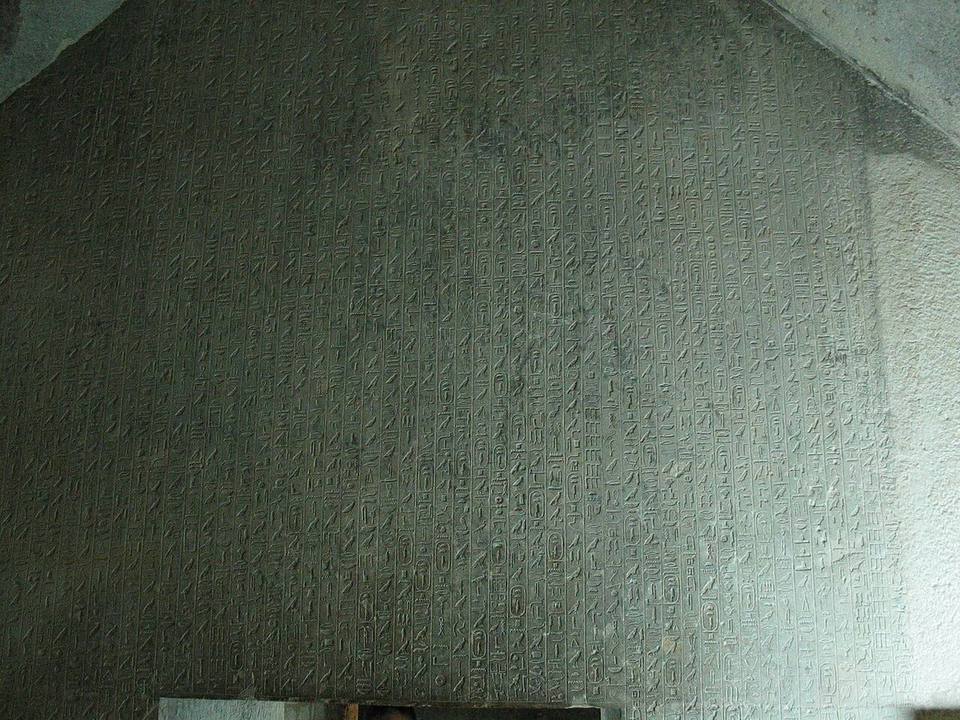
Alone, he created the first pair of gods, Shu (air) and Tefnut (moisture). The Pyramid Texts give more than one method: he sneezed and spat them out, or he produced them by his own hand. Shu and Tefnut gave birth to Geb (earth) and Nut (sky), who produced Osiris, Isis, Seth and Nephthys. These nine made up the Ennead of Heliopolis.

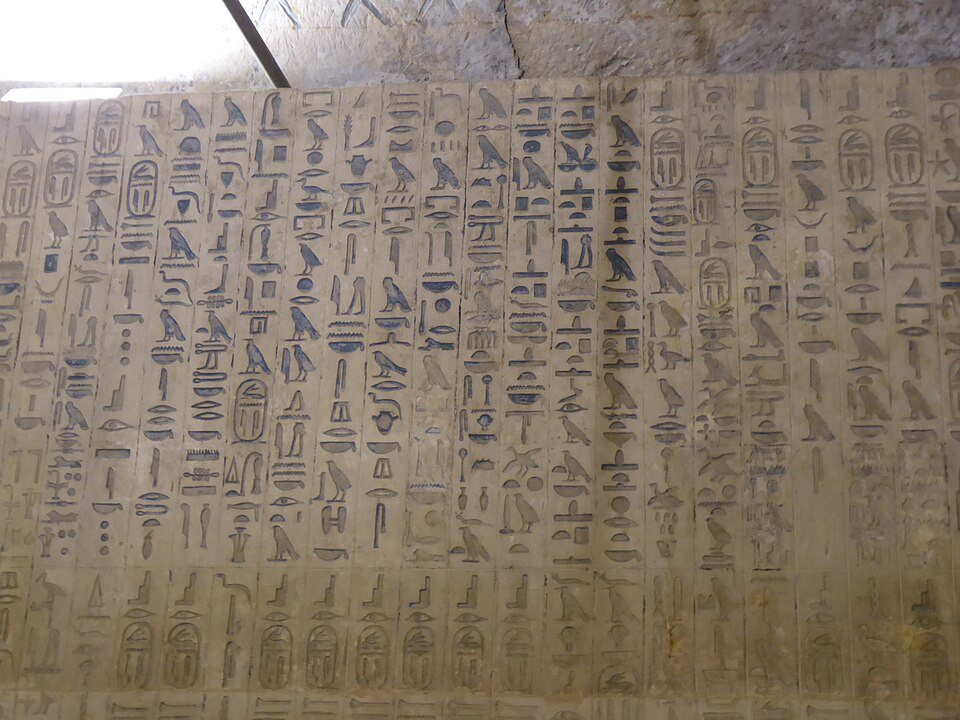
The most striking passage about Atum concerns the end. In the Book of the Dead, chapter 175, Atum tells Osiris that he will one day destroy all he has made, and the earth will return to the primeval waters as it was in the beginning. Only Atum and Osiris will remain, in the form of serpents that no one knows. The Coffin Texts express similar ideas.

Atum was often merged with the sun god as Atum-Ra, especially the evening sun. For readers of reset and catastrophe themes, he is a creator who announces in advance that the world has an end date, and that the waters will cover all. The theme of a created world that will one day dissolve back into water runs through several Egyptian texts.
The same story, told elsewhere

Shared story · Beginnings

Creation from the Primeval Waters and the Cosmic Egg

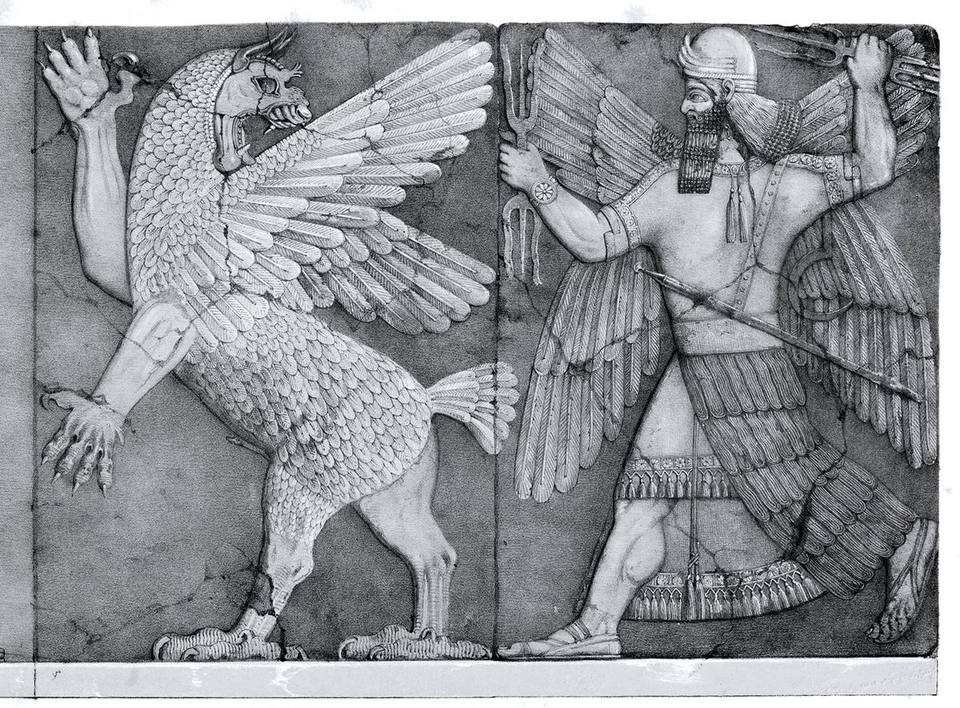
Before anything existed there was dark water. Or an egg. Babylon, Genesis, the Rig Veda, Egypt, Finland and the Quran all start the world in almost the same place.

Papyrus Bremner-Rhind, 'The Book of Knowing the Evolutions of Ra' is one telling. The same story is told 9 more times, in 5 parts of the world. Follow it:

  1. BabylonianBabylon, Mesopotamia · c. 1700-1100 BCE · Ancient text
  2. Vedic IndiaNorthwest India · c. 1200-1000 BCE · Ancient text
  3. GreekBoeotia, Greece · c. 700 BCE · Ancient text
  4. Hebrew BibleJudah / Babylon · c. 600-400 BCE · Ancient text
  5. EgyptianThebes, Egypt · c. 310 BCE · Ancient textTied to this page
  6. Babylonian, retold in GreekBabylon · c. 280 BCE · Ancient text
  7. Hindu law codeIndia · c. 200 BCE · Ancient text
  8. IslamArabia · 7th century CE · Medieval text
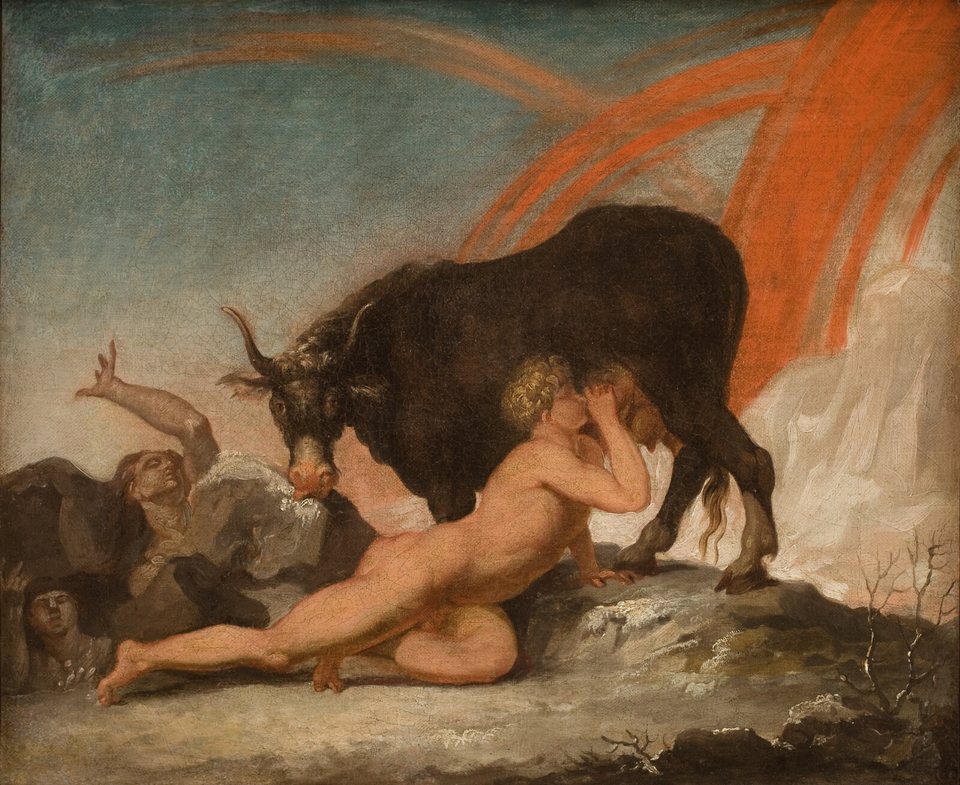
  9. NorseIceland · c. 1000 CE · Medieval text
  10. FinnishFinland and Karelia · 1820 · Recorded folklore

The open question: Why would people who never met all start the world in dark water? A shared idea, or the most natural guess anyone would make? Join the debate

Questions people ask about Atum

Where was Heliopolis, and what is left of it?

Heliopolis, called Iunu by Egyptians and On in the Bible, lies under the northeast Cairo district of Matariya. Its best-known survivor is a granite obelisk of the pharaoh Senusret I, still standing after about 4,000 years. In 2017 archaeologists dug up a large statue there, later linked to the king Psamtik I. Many of the city's stones were reused to build medieval Cairo.

How was Atum shown in Egyptian art?

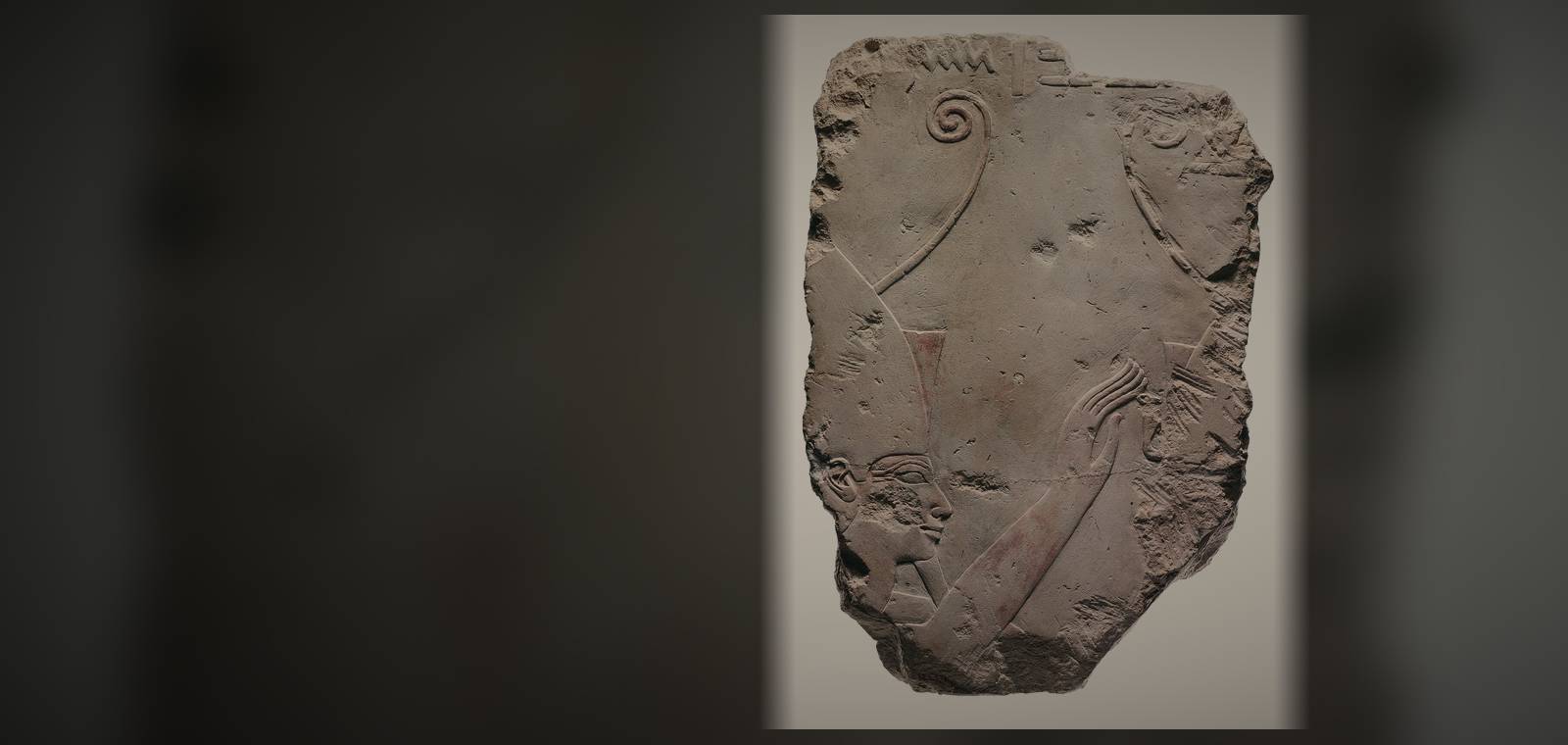
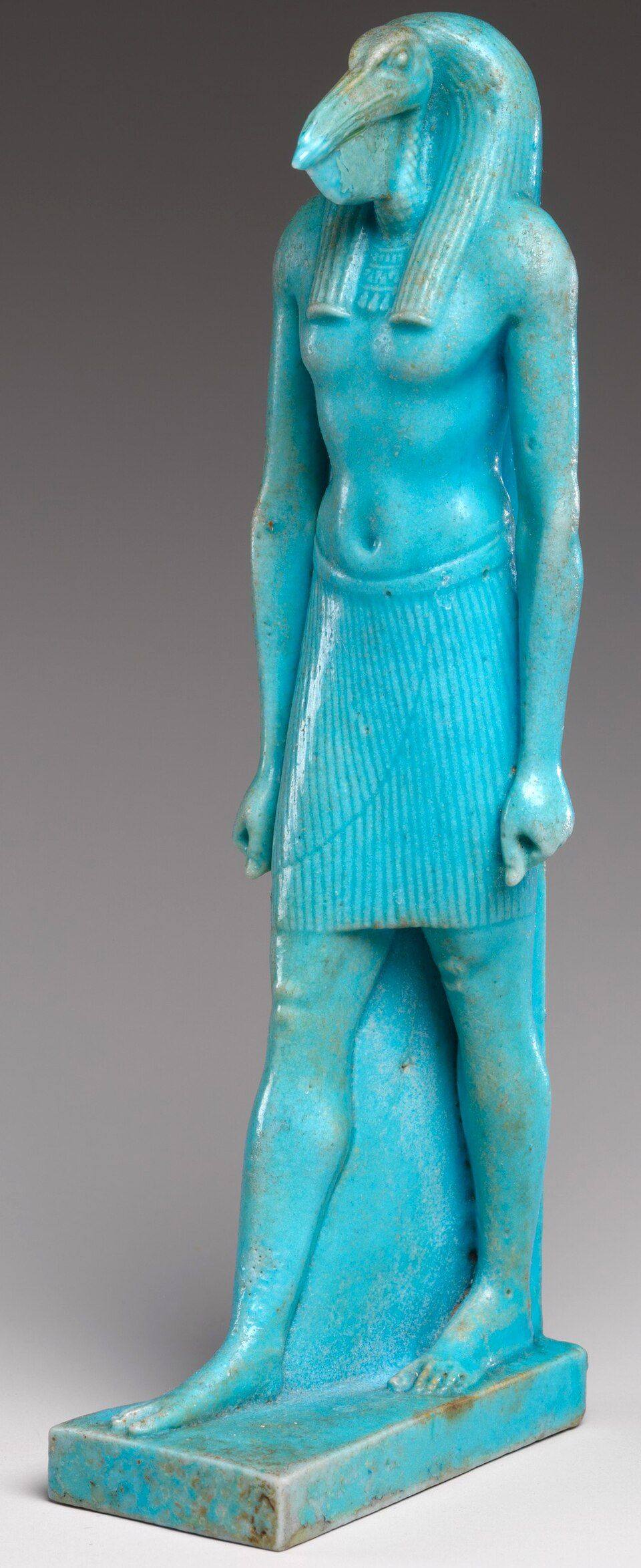
Usually as a man wearing the double crown of Upper and Lower Egypt, a sign that he ruled the whole land. He could also appear as a snake, a lion, a bull or a lizard, and sometimes as an aged man. Egyptians linked him with the setting sun, while the scarab god Khepri stood for the sun at dawn.

Is Atum's city mentioned in the Bible?

Yes. Genesis 41 says that Joseph married Asenath, daughter of Potipherah, a priest of On, the Hebrew name for Heliopolis. The prophet Jeremiah also speaks of breaking the images of Beth-shemesh, meaning house of the sun, in Egypt, which many scholars take as the same city. Atum himself is never named in the Bible.

The open question

Still strange: The name Atum is linked to a word that means both to complete and to not be.

Pyramid Texts: How Did Egypt's Kings Plan to Reach the Stars? →
  1. Step 1 of 4 · This fileAtum
  2. Step 2 of 4 · The passageAtum will return everything to the waters, Book of the Dead, chapter 175
  3. Step 3 of 4 · The longer textThe Book of the Dead
  4. Step 4 of 4 · Next filePyramid Texts: How Did Egypt's Kings Plan to Reach the Stars?
About these videos

Found by a YouTube search for this topic, not checked by us. The player loads from YouTube only when you press play.

Where it turns up

Where this comes from

EvidenceMyth or legend

Comes from Book of the Dead, trans. E. A. Wallis Budge (1895). The Egyptian Book of the Dead: Spells written on papyrus scrolls and buried with Egyptians to help them through the afterlife, used from about 1550 BC to about 50 BC. Many copies come from tombs at Thebes; the Papyrus of Ani, found in 1888, is in the British Museum. E. A. Wallis Budge's 1895 translation is used here.

What this means

A story or tradition. It is documented as a story; nothing independent shows it happened.

Atum is known from stories, scripture or tradition. The texts are real and we quote them (for example Book of the Dead, trans. E. A. Wallis Budge (1895)), but nothing outside those texts shows that Atum was real as described.

The page covers something known from myths, scripture or tradition. The texts are real and we quote them, but no independent record shows the events or beings were real.

See all five labels

Sources

  1. The Egyptian Book of the DeadSpells written on papyrus scrolls and buried with Egyptians to help them through the afterlife, used from about 1550 BC to about 50 BC. Many copies come from tombs at Thebes; the Papyrus of Ani, found in 1888, is in the British Museum. E. A. Wallis Budge's 1895 translation is used here.Book of the Dead, trans. E. A. Wallis Budge (1895) Online copyPrimary text Archived copy, 2026-10-03
  2. The Pyramid TextsSpells carved on the inside walls of pyramids to help dead kings rise to the sky and join the gods. The oldest are in the pyramid of King Unas, about 2350 BC, among the oldest religious writings in the world. They were found in 1880 and 1881, when pyramids at Saqqara were opened.Pyramid Texts, trans. Samuel A. B. Mercer, The Pyramid Texts (1952)Primary text Archived copy, 2026-10-03
  3. WikipediaA free online encyclopedia written and edited by volunteers. It is a good starting point and usually lists its own sources, but anyone can change it, so we treat it as a guide to better sources, not the final word.Wikipedia, "Atum"Reference Archived copy, 2026-09-20
  4. Encyclopaedia BritannicaAn encyclopedia first published in Scotland in 1768 and now online. Its articles are written and checked by named experts and editors, which makes it a reliable source for basic facts.Encyclopaedia Britannica, "Atum"Reference Archived copy, 2026-07-30

Quotations come from public-domain translations. A book in our Library links to its Library page; other links open the free online copy or the reference page.

Updated

Credible or not?

Tap one to see how other readers voted.

Discussion