












What is E. A. Wallis Budge known for?
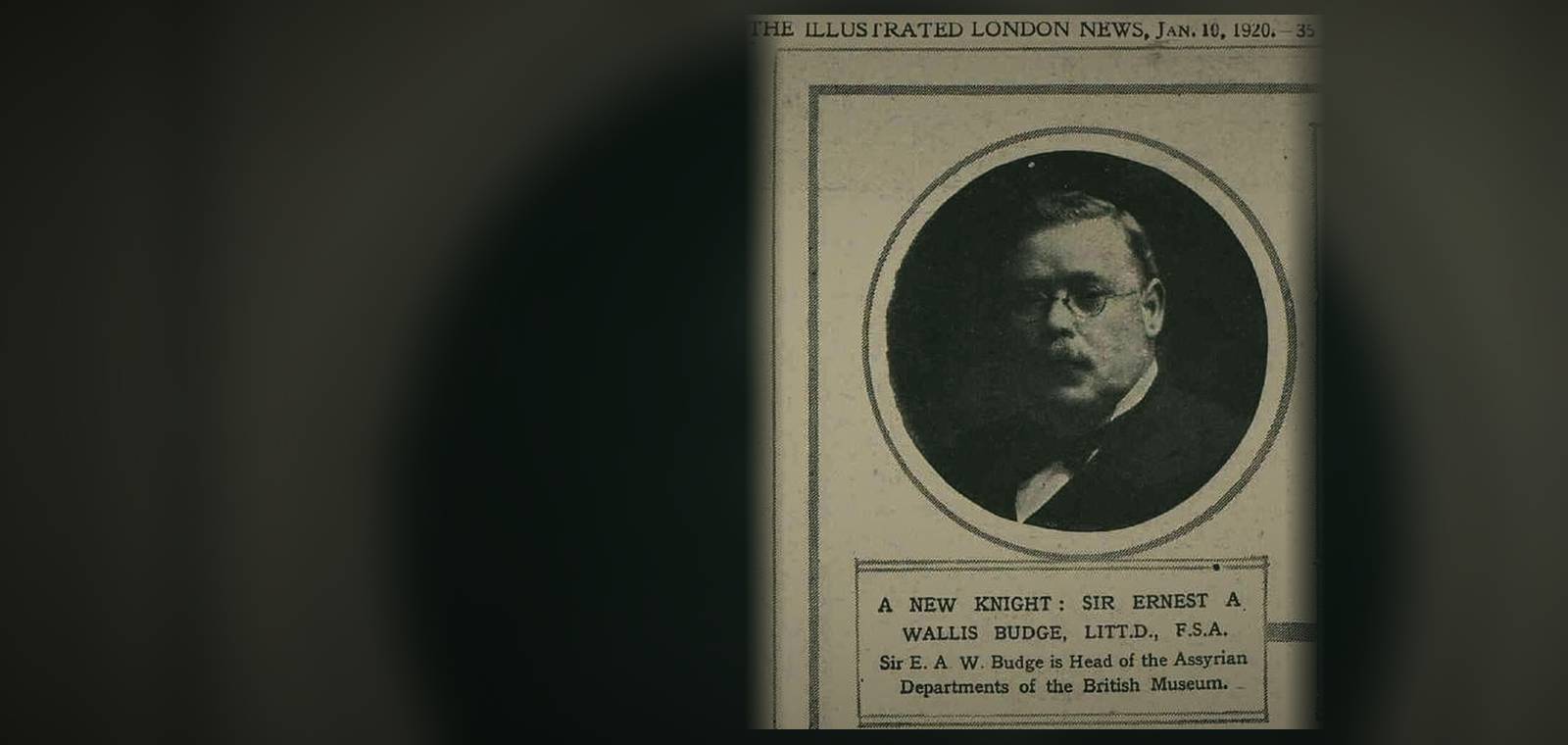
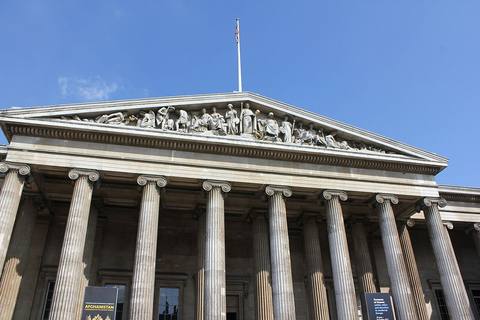
Sir Ernest Alfred Wallis Budge joined the British Museum in 1883 and was keeper of its Egyptian and Assyrian antiquities from 1894 to 1924. He was knighted in 1920 and wrote or edited over a hundred books.
His translations brought many ancient and medieval texts to English readers, including the Egyptian Book of the Dead (1895), the Ethiopian Kebra Nagast (1922), which tells how the Ark of the Covenant came to Ethiopia, and the Syriac Cave of Treasures (1927). Because they are out of copyright, his versions circulate widely online.
He was also a controversial collector who brought large numbers of objects to the museum by methods that historians such as Brian Fagan have described as looting. Modern Egyptologists consider his translations unreliable by current standards and use newer editions.
Titles and honors
- Titles
- Knighted (Sir) 1920
- Offices held
- Keeper, Egyptian and Assyrian Antiquities, British Museum 1894-1924
- Medals and honors
- Member, American Philosophical Society 1895
The same story, told elsewhere
Shared story · Beginnings
Creation from the Primeval Waters and the Cosmic Egg
Before anything existed there was dark water. Or an egg. Babylon, Genesis, the Rig Veda, Egypt, Finland and the Quran all start the world in almost the same place.
Papyrus Bremner-Rhind, 'The Book of Knowing the Evolutions of Ra' is one telling. The same story is told 9 more times, in 5 parts of the world. Follow it:
- BabylonianBabylon, Mesopotamia · c. 1700-1100 BCE · Ancient text
- Vedic IndiaNorthwest India · c. 1200-1000 BCE · Ancient text
- GreekBoeotia, Greece · c. 700 BCE · Ancient text
- Hebrew BibleJudah / Babylon · c. 600-400 BCE · Ancient text
- EgyptianThebes, Egypt · c. 310 BCE · Ancient textTied to this page
- Babylonian, retold in GreekBabylon · c. 280 BCE · Ancient text
- Hindu law codeIndia · c. 200 BCE · Ancient text
- IslamArabia · 7th century CE · Medieval text
- NorseIceland · c. 1000 CE · Medieval text
- FinnishFinland and Karelia · 1820 · Recorded folklore
The open question: Why would people who never met all start the world in dark water? A shared idea, or the most natural guess anyone would make? Join the debate
Shared story · Heroes and trials
The Dragon Slayer: Marduk, Indra, Thor and Saint George
A god or a hero faces a giant serpent that blocks the waters, eats the young or threatens the whole world, and cuts it down. The same fight is told in Babylon, India, Greece, Egypt, Iceland, Japan and medieval Europe.
Book of Knowing the Evolutions of Ra and of Overthrowing Apep (Papyrus Bremner-Rhind) is one telling. The same story is told 7 more times, in 6 parts of the world. Follow it:
- Vedic IndiaNorthwest India · c. 1500-1200 BCE · Ancient text
- Babylonian (Akkadian)Babylon · c. 1200-1100 BCE · Ancient text
- GreekBoeotia, Greece · c. 700 BCE · Ancient text
- EgyptianThebes, Egypt · c. 312 BCE · Ancient textTied to this page
- Hebrew BibleJudah · 24 to 27 BCE · Ancient text
- Japanese (Shinto)Izumo, Japan · 712 CE · Medieval text
- NorseIceland · c. 1220 CE · Medieval text
- Medieval Christian (Europe)Written in northern Italy · c. 1260 CE · Medieval text
The open question: Did one ancient story of a hero and a serpent spread across the world, or do people everywhere turn their fears into dragons on their own? Join the debate
Mentioned on these pages
Linked people and places
Where this comes from
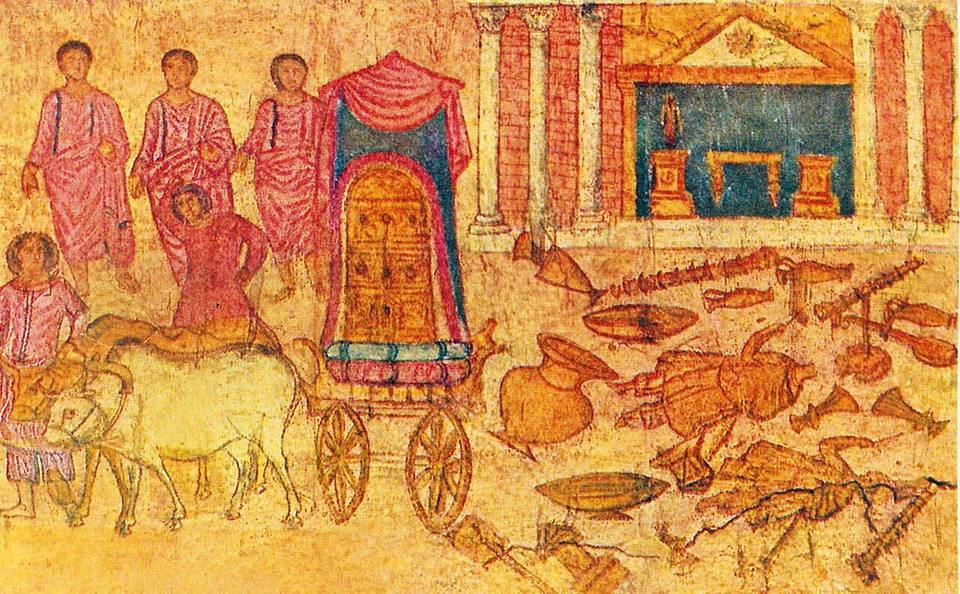
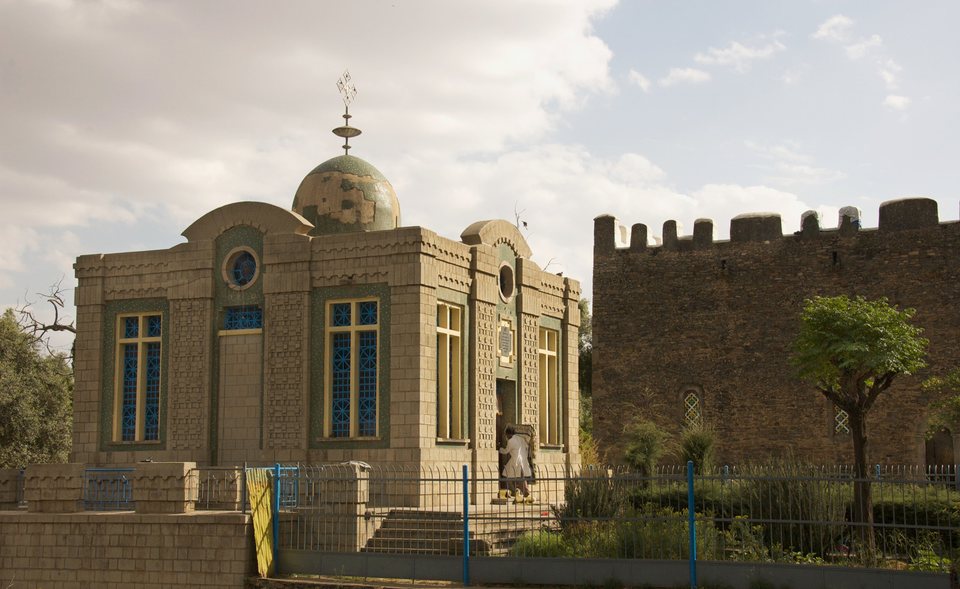
Comes from Budge, The Kebra Nagast (1922; 1932 edition), at sacred-texts.com. The Kebra Nagast (The Glory of the Kings): A book from Ethiopia telling how the Queen of Sheba visited King Solomon and how their son, Menelik, brought the Ark of the Covenant to Ethiopia. It was put together in Ge'ez, Ethiopia's old church language, by the 1300s AD from older stories.
What this means
A real person with records. Sources are listed below.
For E. A. Wallis Budge, the original record exists and is linked: Budge, The Kebra Nagast (1922; 1932 edition), at sacred-texts.com. That tells you the record is real and what it says. It does not mean every claim in it is true.
Primary records exist: an original document, a published text, an official file or a dated report. We link to them. This level says the record exists and what it says, not that every claim in it is true.
Sources
- WikipediaA free online encyclopedia written and edited by volunteers. It is a good starting point and usually lists its own sources, but anyone can change it, so we treat it as a guide to better sources, not the final word.Wikipedia, 'E. A. Wallis Budge'Reference Archived copy, 2026-09-30
- The Kebra Nagast (The Glory of the Kings)A book from Ethiopia telling how the Queen of Sheba visited King Solomon and how their son, Menelik, brought the Ark of the Covenant to Ethiopia. It was put together in Ge'ez, Ethiopia's old church language, by the 1300s AD from older stories. E. A. Wallis Budge published it in English in 1922.Budge, The Kebra Nagast (1922; 1932 edition), at sacred-texts.comPrimary text Archived copy, 2026-04-24