The record
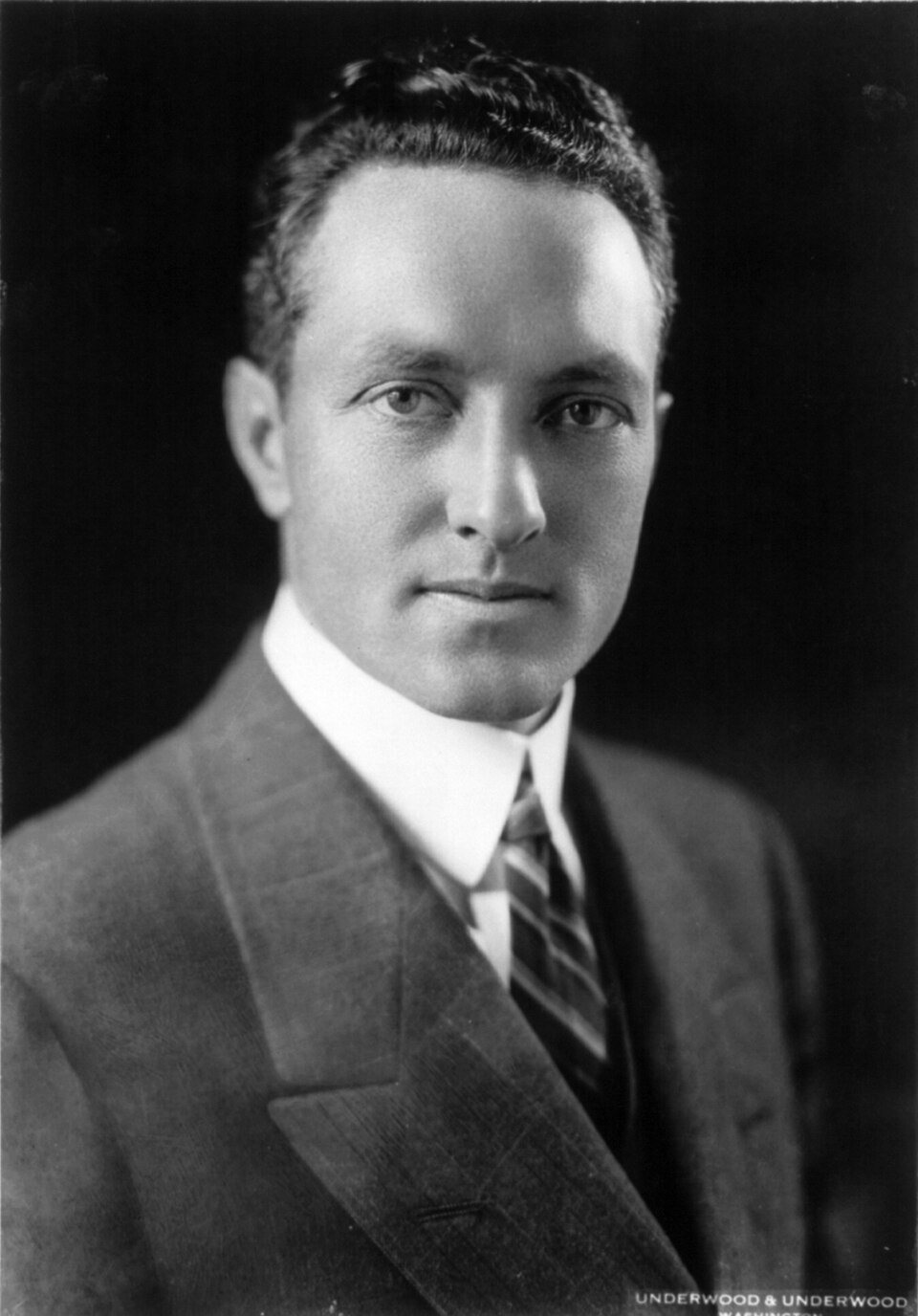
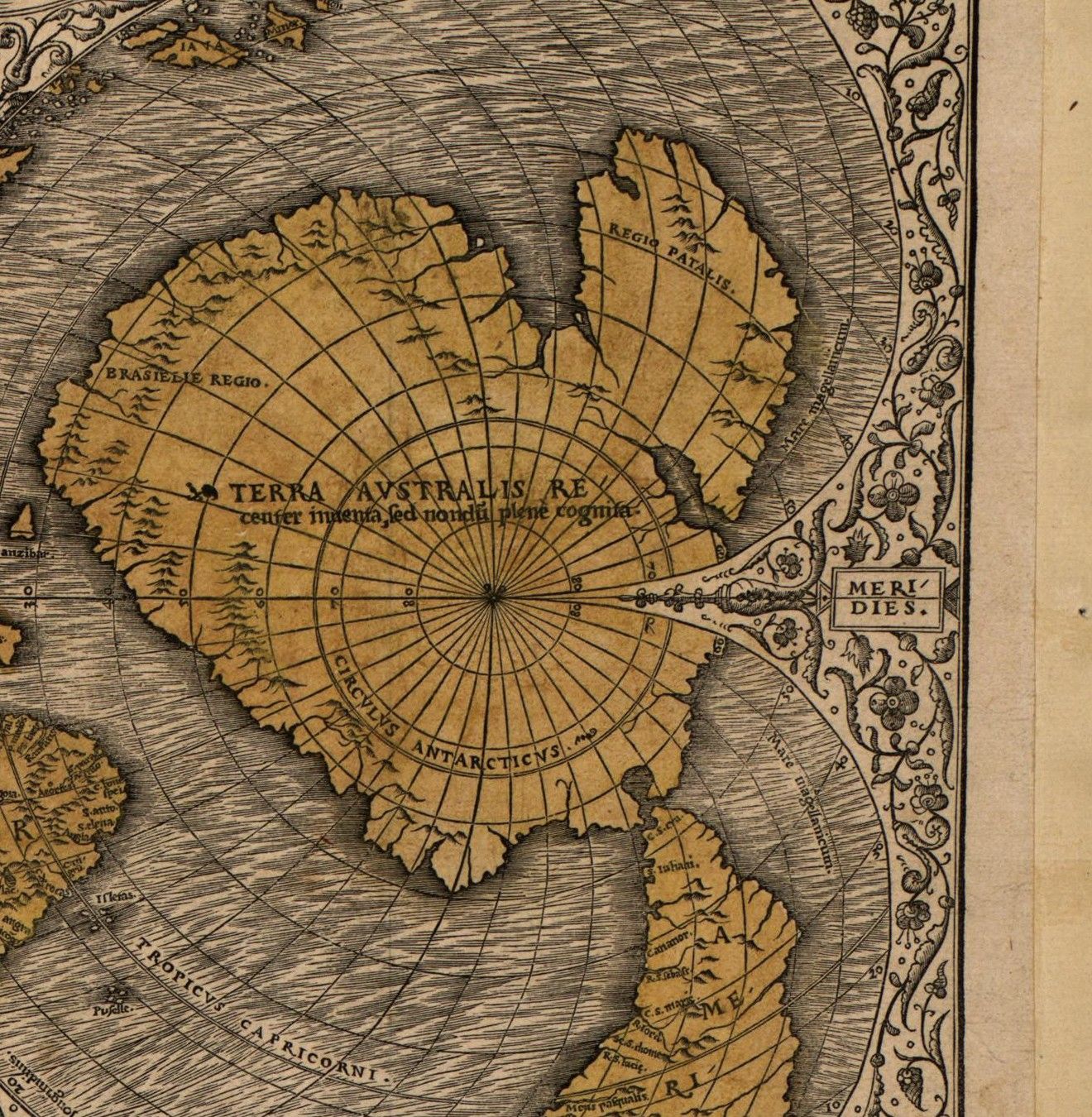
What is claimed. Flat earth believers say the world is a flat disc and that Antarctica is not a continent but a ring of ice around its rim, guarded so that no one can see what lies past it. Admiral Richard Byrd is often named as the man who did. When USA TODAY checked one such Facebook video in March 2024, the man in it said of Operation Highjump, the Navy's 1946 to 1947 Antarctic expedition: what I believe it was is exploration past the ice wall and seeing what was beyond.
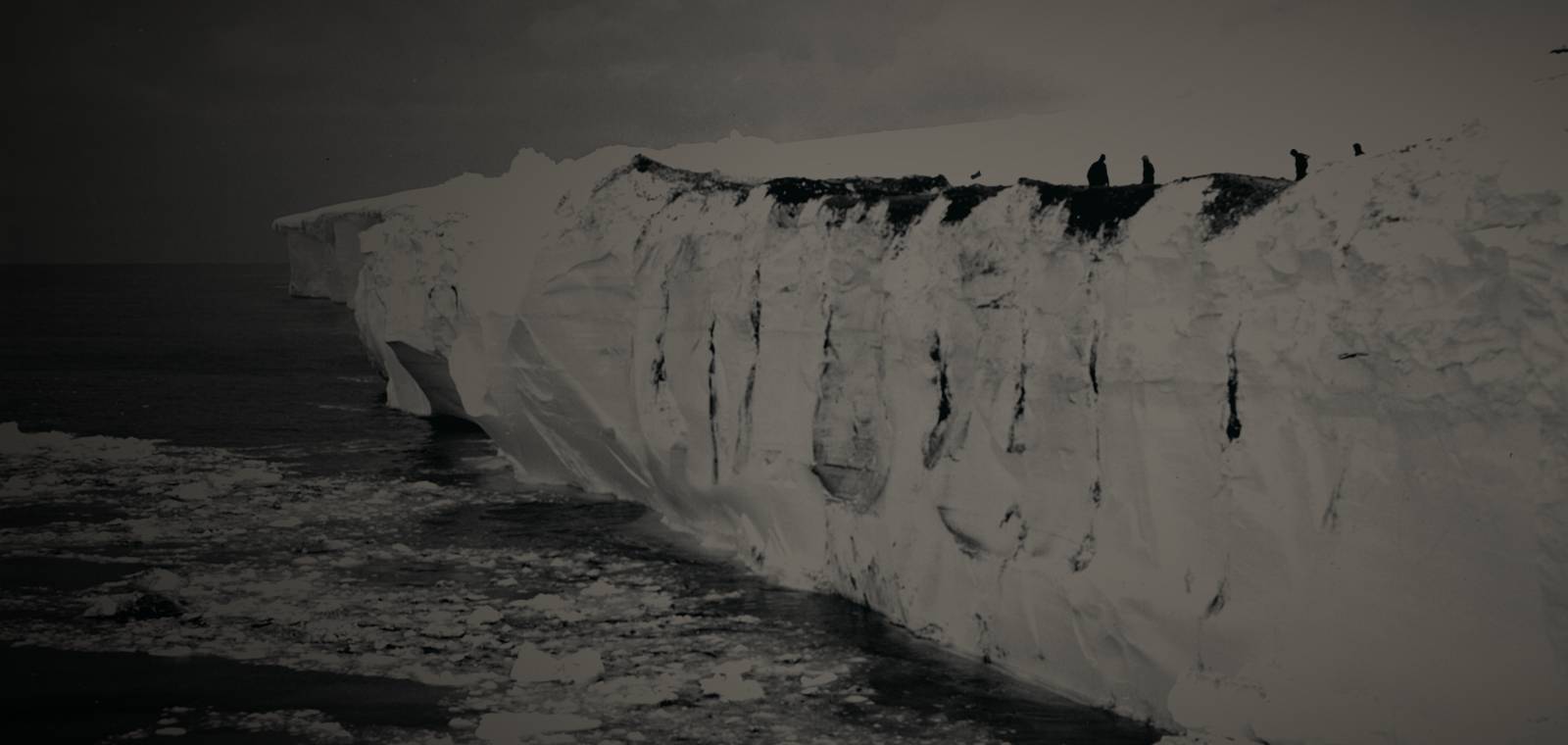
The real wall. There is a wall of ice, and it was famous long before the internet. In 1841 the British captain James Clark Ross sailed south and found what he described as a perpendicular cliff, between 150 and 200 feet above the level of the sea, perfectly flat on top, and without any fissures or promontories on its even seaward face.
Byrd quoted those words in his 1930 book Little America and added: Thus was the Great Ice Barrier, which is now known as the Ross Ice Barrier, discovered; and with it the highway by means of which two parties of men afoot, and a third by air, were later to gain the Pole.
Today it is called the Ross Ice Shelf: a sheet of floating ice fed by glaciers that flow off the land behind it. Byrd built his base, Little America, on top of it, and in November 1929 he flew from there over the South Pole. He wrote of seeing the cliffs of the western Barrier
, their white walls merging dimly into the gray overtones of the night
, and once watched the face of the Barrier miles away tore loose and fell in a showery cataract of ice.
What the expedition papers say. The goals of Operation Highjump, printed in the War Department's Army Observers' Report in September 1947, include To examine the limits and character of the ice belt surrounding the Antarctic Continent and the coast line where accessible by surface ships.
That line is the closest any official paper comes to an ice wall, and it calls the land inside the ice a continent. The same list sets out to Explore the largest practicable area of the Antarctic Continent.
Byrd's own papers at Ohio State hold nothing about a wall at the world's edge: the archive's John Hooton wrote in 2017 that for these claims no supporting evidence has yet been found in the collections of the Polar Archives.