Credible Theories Sign in

The record

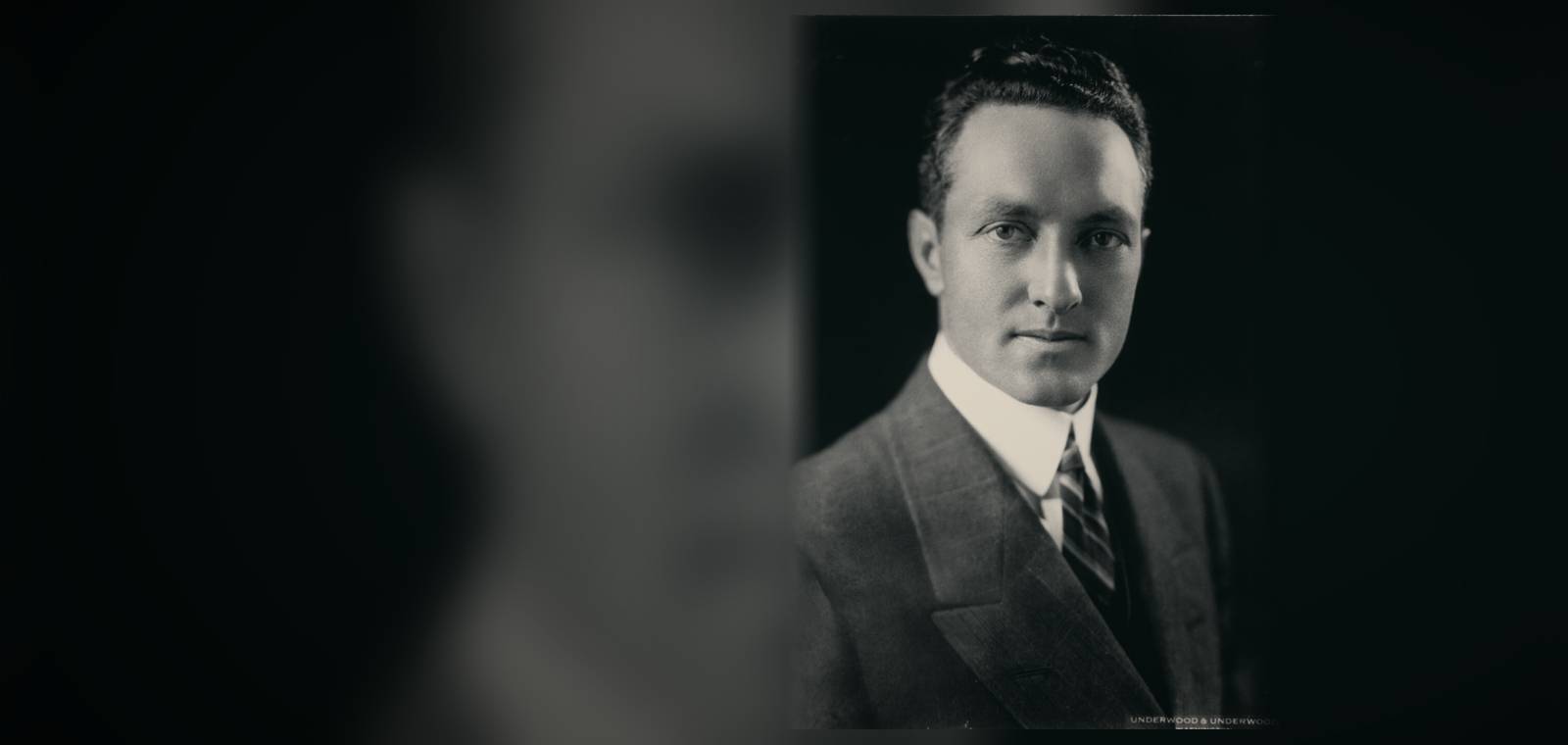
Richard E. Byrd (1888 to 1957) was a U.S. Navy officer and one of the most famous explorers of his time. On May 9, 1926, he and pilot Floyd Bennett took off from Spitsbergen, an Arctic island north of Norway, and came back saying they had flown over the North Pole. Byrd received the Medal of Honor. In November 1929 he took part in the first flight over the South Pole, and he led several expeditions to Antarctica.

The North Pole claim has since fallen apart. In 1996, Ohio State University's archivist found the diary Byrd kept on the 1926 flight among his papers. Some of the sextant readings in it, the sun measurements used to work out position, had been erased but could still be read, and they differ from the numbers in Byrd's official report. In a 2000 paper in the journal Polar Record, the researcher Dennis Rawlins concluded that Byrd and Bennett made a heroic attempt but never reached the Pole. Most polar historians now credit the airship Norge, which crossed the Pole three days later, as the first verified flight over it.

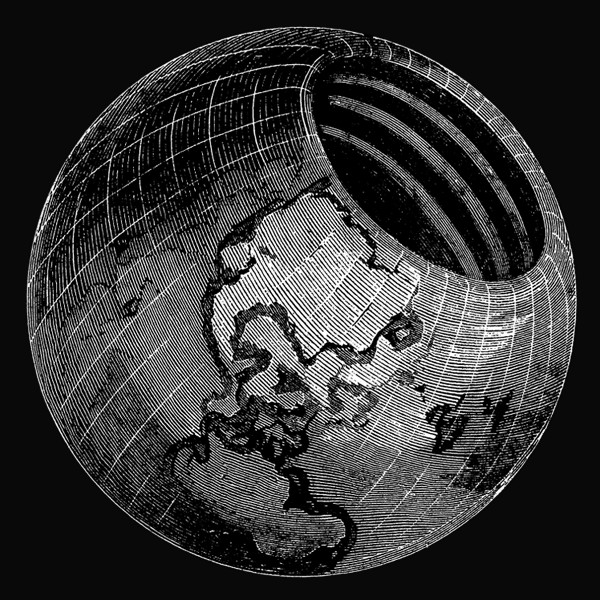
The stranger story is about a second diary. Hollow earth believers say the Earth is a shell with openings at the poles leading to an inner world. In the 1950s and 1960s, hollow earth writers began quoting Byrd as saying I'd like to see that land beyond the Pole and calling that area the Great Unknown. Raymond Bernard's book The Hollow Earth, first published in the 1960s, built a whole theory on such lines. Later, a typed text called the 'missing secret diary' of Admiral Byrd began to circulate, from at least the 1970s. It says that on February 19, 1947, Byrd flew past the North Pole into a warm, green land and met people from an advanced civilization living inside the Earth.

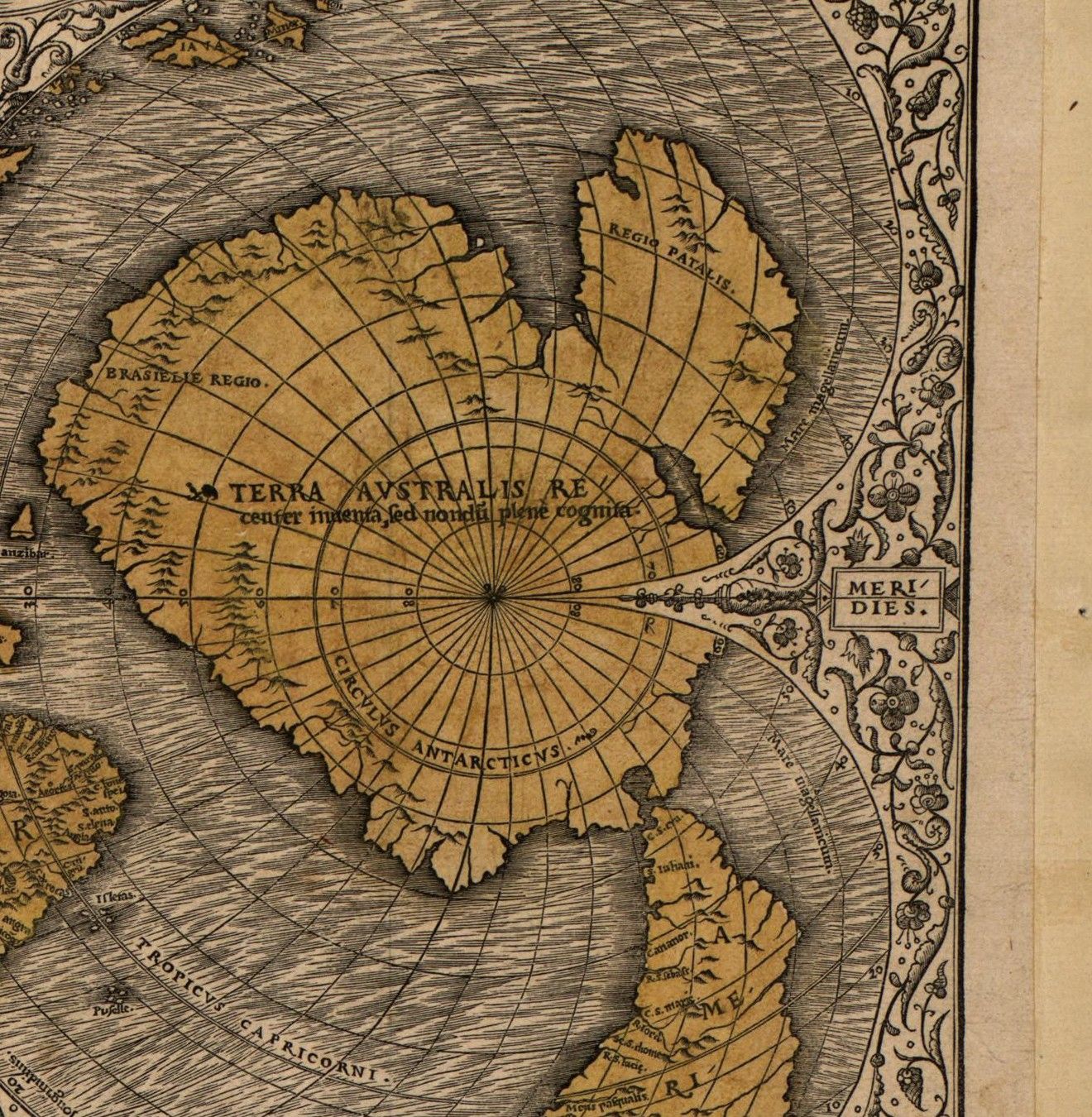
The records do not fit the diary. In early 1947 Byrd was the officer in charge of Operation Highjump, the U.S. Navy's huge Antarctic expedition, with 13 ships and about 4,700 men. Ohio State's chronology of his life says the expedition left for Antarctica in 1946 and that he returned from Antarctica in April 1947. That puts him at the bottom of the world during the week the diary says he was flying over the top of it. No original of the diary has ever been produced, and the 'land beyond the Pole' line, when it can be traced, is about Antarctica, not a hole in the Arctic.

What the expedition's own papers say. Operation Highjump left a long paper trail, and much of it is public. The War Department printed an Army Observers' Report of Operation Highjump in September 1947 for the 16 Army men who went along. It lists the plan's goals, starting with a base on the Ross Shelf Ice near Little America from which to conduct systematic long range air exploration of the Antarctic Continent therefrom, and including to Train personnel and test materiel in the frigid zones and to Explore the largest practicable area of the Antarctic Continent. Its day-by-day log records the moment Byrd flew south: At 2315, two planes took off for the South Pole. Admiral Byrd was aboard one of these planes. A 1948 Navy Electronics Laboratory report by Robert S. Dietz, cleared for public release after a Freedom of Information request in 2013, says two of the ships had as their main objective the training of personnel under polar conditions. Volumes 1 to 3 of the Navy's Report of Operation Highjump sit among Byrd's papers at Ohio State, next to a folder titled South Pole flight, chronological report: 1947.

The 1947 interview. On the way home Byrd spoke to Lee van Atta of the International News Service aboard the command ship USS Mount Olympus, and the story is cited to the Chilean newspaper El Mercurio of March 5, 1947. We could not find a scan of the printed page, so this site does not quote it word for word. The translations passed around today have Byrd warning that in a new war the United States could be attacked by planes flying over the poles, a point about bombers and the shrinking world. Longer versions online add lines about strange craft flying from pole to pole; we found no printed source for those added lines.

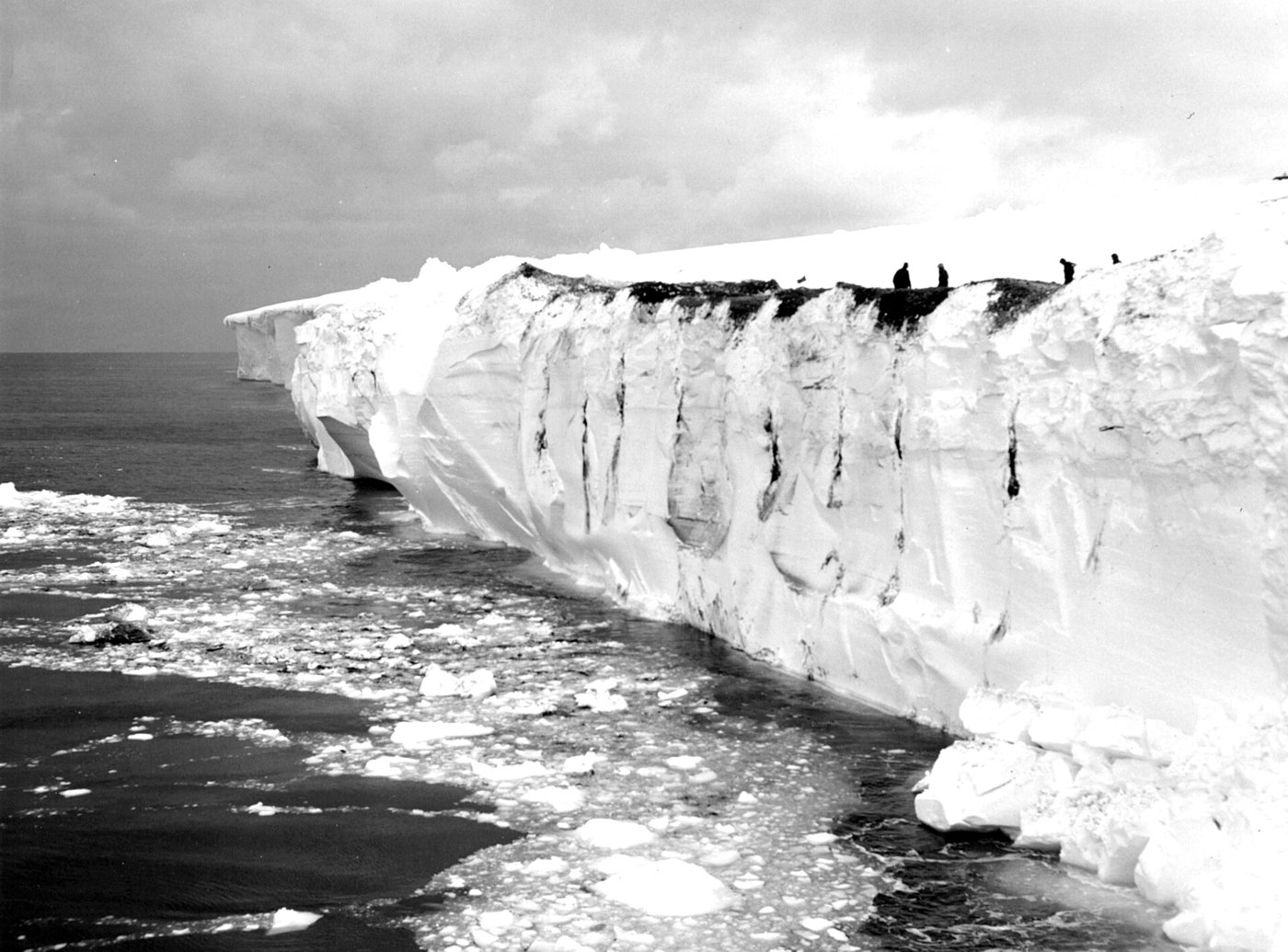
The ice wall. Byrd did fly over a wall of ice, a real one. In his 1930 book Little America he retold how James Clark Ross found it in 1841 and wrote: Thus was the Great Ice Barrier, which is now known as the Ross Ice Barrier, discovered; and with it the highway by means of which two parties of men afoot, and a third by air, were later to gain the Pole. His bases were built on that ice, and his 1929 and 1947 polar flights both crossed it. Flat earth posts now say he went beyond an ice wall that rings the world; the file on the Antarctic ice wall sets that claim beside the records.
Questions people ask about Admiral Byrd, the polar flights and the 'hollow earth' diary

What happened when Byrd spent a winter alone in Antarctica?

In 1934 Byrd lived by himself for months at a small weather station called Advance Base. A faulty stove slowly poisoned him with carbon monoxide, and his radio messages grew strange. In August a team led by scientist Thomas Poulter drove through the polar night to rescue him. Byrd told the story in his 1938 book Alone.

Is the Earth hollow?

No. Earthquake waves passing through the planet show its structure. They reveal a rocky crust and mantle, a liquid outer core and a solid inner core. Danish scientist Inge Lehmann found the inner core in 1936 by studying how these waves bend and bounce. Gravity measurements also show the Earth is far too heavy to be a shell.

Where are Admiral Byrd's real papers kept?

His papers are held by Ohio State University in Columbus, in the archive of the Byrd Polar and Climate Research Center, which is named after him. Researchers can ask to see letters, logs and photographs there. Byrd died in Boston on March 11, 1957, and is buried at Arlington National Cemetery in Virginia.

What was Operation Highjump really for?

The Navy called it the Antarctic Development Project. Its written goals were to set up a temporary base on the ice, train sailors and test equipment in extreme cold, explore as much of the continent from the air as they could, and learn whether bases there could be built and kept running.

Are the Operation Highjump documents declassified?

Yes, many are public. The Army observers' report is free to read through the National Library of Medicine, and more Navy reports were cleared for release after a Freedom of Information request in 2013 and posted by The Black Vault. Ohio State's Byrd archive holds the Navy's report volumes, correspondence and radiograms from the trip.

The open question

Still strange: Byrd's real 1926 diary, locked away in an archive for 70 years, shows erased navigation numbers that suggest he never reached the North Pole. Meanwhile a fake 'secret diary' that says far wilder things, a flight into a world inside the Earth, is the one most people have heard of.

The Antarctic Ice Wall: What Byrd Saw and What Is Beyond It →
  1. Step 1 of 4 · This fileAdmiral Byrd, the polar flights and the 'hollow earth' diary
  2. Step 2 of 4 · Next fileThe Antarctic Ice Wall: What Byrd Saw and What Is Beyond It
  3. Step 3 of 4 · Next fileAntarctica Without Ice: The Real Map and the Old Maps
  4. Step 4 of 4 · Next fileThe Hollow Earth Theory: Where Did It Come From?
About these videos

Found by a YouTube search for this topic, not checked by us. The player loads from YouTube only when you press play.

Where this comes from

EvidenceMyth or legend

Comes from Byrd Diary Found in Archives, Ohio State News, May 8, 1996. A primary record: the document itself, not a retelling of it. Published at news.osu.edu; it opens in a new tab.

What this means

Byrd's flights and his doubted 1926 diary are documented; the 'secret diary' of a 1947 flight into a hollow earth has no original and clashes with records placing him in Antarctica.

Admiral Byrd, the polar flights and the 'hollow earth' diary is known from stories, scripture or tradition. The texts are real and we quote them (for example Byrd Diary Found in Archives, Ohio State News, May 8, 1996), but nothing outside those texts shows that Admiral Byrd, the polar flights and the 'hollow earth' diary was real as described.

The page covers something known from myths, scripture or tradition. The texts are real and we quote them, but no independent record shows the events or beings were real.

See all five labels

Sources

  1. Byrd Diary Found in Archives, Ohio State News, May 8, 1996Primary text
  2. Chronology of Admiral Richard E. Byrd, Byrd Polar and Climate Research Center Archival Program, Ohio State University LibrariesPrimary text
  3. Cambridge Core (Cambridge University Press)The online home of Cambridge University Press's journals and books. Articles there have been through the publisher's expert review.Dennis Rawlins, Byrd's heroic 1926 North Pole failure, Polar Record 36, no. 196 (2000)Primary text
  4. Operation Highjump: 1946 to 47 Expedition to Explore Antarctica From the Air, HistoryNetReference
  5. Larry Gedney, The Hollow Earth Theory, Alaska Science Forum, Geophysical Institute, University of Alaska Fairbanks, June 3, 1985Reference
  6. MetabunkAn online forum founded by Mick West, a former video game programmer, where people examine UFO videos and other strange claims and try to explain them. It is a skeptical source.Claim: Admiral Byrd's "secret diary" proves hollow earth, Metabunk (research thread tracing the diary's first printings)Reference
  7. US Geological SurveyThe US Geological Survey, the government's science agency for the earth, its rocks, water and natural hazards. Its publications are written and checked by its scientists.Inside the Earth, This Dynamic Earth, U.S. Geological SurveyReference
  8. War Department, Army Observers' Report of Operation Highjump, Task Force 68, U.S. Navy (Washington, D.C., September 1947), digitized by the National Library of MedicinePrimary text
  9. The Black VaultA private website run by John Greenewald that posts US government documents released under the Freedom of Information Act. The papers are the government's own; the site only hosts them.Robert S. Dietz, Some Oceanographic Observations on Operation Highjump, U.S. Navy Electronics Laboratory Report 55 (7 July 1948; DTIC ADB217561, released by FOIA letter of 28 February 2013), copy at The Black VaultPrimary text
  10. Operation Highjump, 1946-47 in the Expeditionary Records, Papers of Admiral Richard E. Byrd, Byrd Polar and Climate Research Center Archival Program, Ohio State University LibrariesPrimary text
  11. Internet ArchiveA nonprofit digital library in San Francisco, founded in 1996, that holds millions of scanned books, papers and recordings. A scan there shows the pages of a real printed book or document.Richard Evelyn Byrd, Little America: Aerial Exploration in the Antarctic, the Flight to the South Pole (G. P. Putnam's Sons, New York, 1930)Primary text
  12. John Hooton, Frozen Fridays: 'Q' is for Questionable Theories!, Byrd Polar and Climate Research Center Archival Program, Ohio State University Libraries, March 10, 2017Reference

Quotations come from public-domain translations. A book in our Library links to its Library page; other links open the free online copy or the reference page.

Updated

Credible or not?

Tap one to see how other readers voted.

Discussion