Credible Theories Sign in

The record

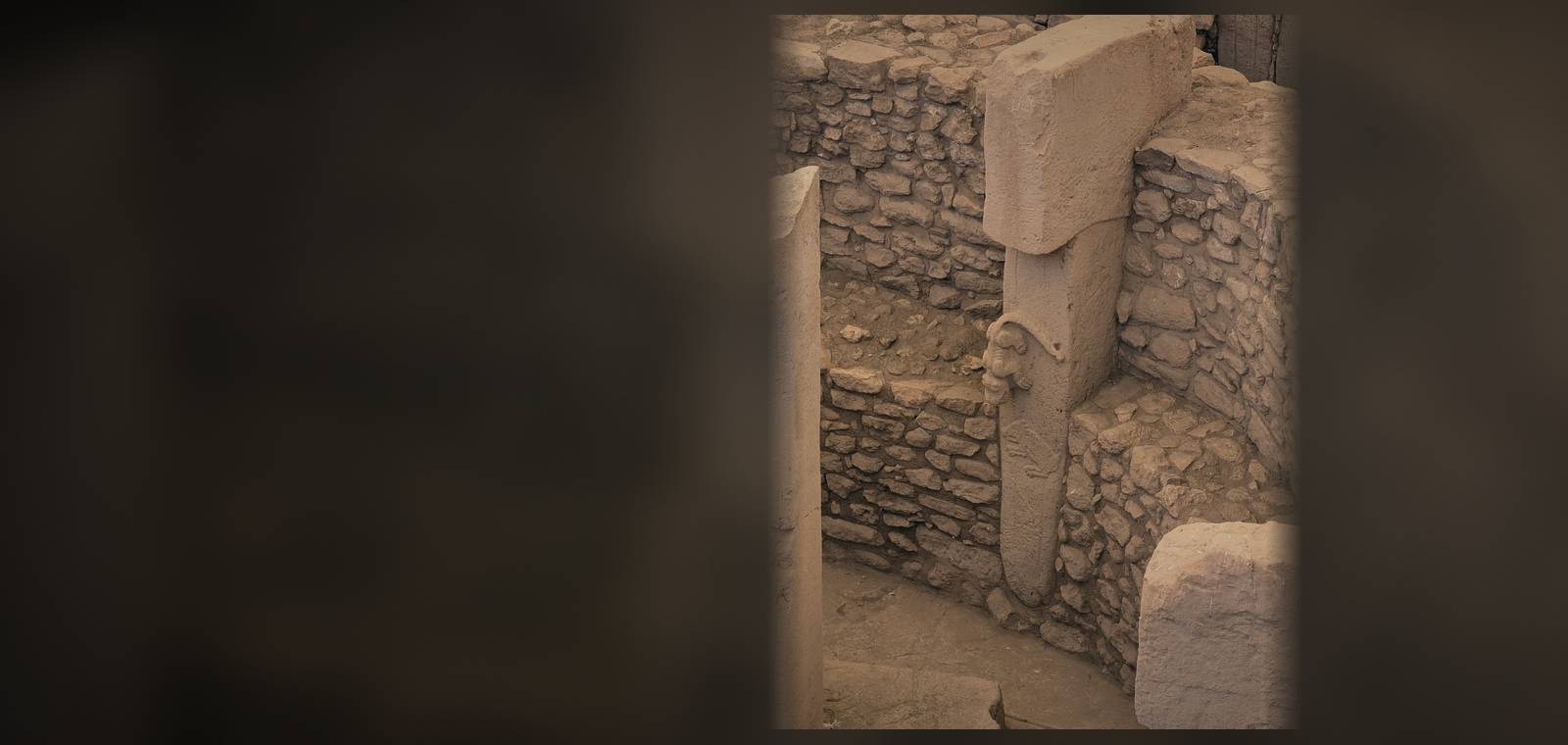
Göbekli Tepe, "Potbelly Hill", is an archaeological site in southeastern Turkey near the city of Şanlıurfa. A survey in the 1960s noted the site but mistook its broken slabs for a medieval cemetery. From 1995 the German archaeologist Klaus Schmidt excavated it and revealed something no one expected: large circular and oval enclosures of massive T-shaped limestone pillars, built in the Pre-Pottery Neolithic, from about 9500 BCE.

The largest pillars stand about five and a half meters tall and weigh many tons. Many are carved in relief with foxes, boars, snakes, scorpions, vultures and other animals, and some have human arms and hands carved along their sides, with belts and loincloths, suggesting they represent stylized people or beings. The site was listed as a UNESCO World Heritage Site in 2018.

Schmidt argued it was a sanctuary built by hunter-gatherers before farming, turning the usual sequence around: first the temple, then the village. Later work has found houses, cisterns and evidence of everyday life, so many researchers now see it as a settlement with monumental communal buildings. It is still one of the oldest known examples of monumental architecture.

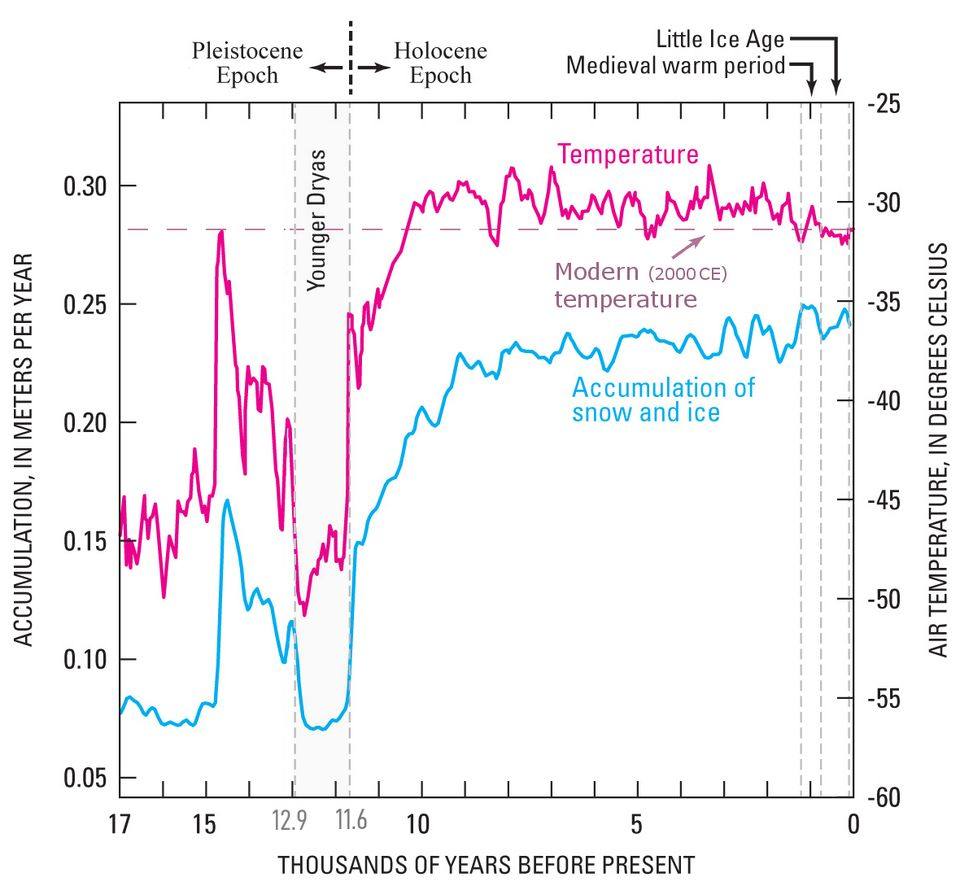
Its age places it right after the end of the Younger Dryas cold period. Some writers, including Graham Hancock, see it as a legacy of a lost civilization, and a 2017 paper argued that the "Vulture Stone" records a comet impact. Archaeologists reject both readings, but agree that Göbekli Tepe changed what we thought early foragers could build.
Questions people ask about Göbekli Tepe

How old is Göbekli Tepe?

Radiocarbon dates place its building and use at roughly 9500 to 8000 BCE, so it is over 11,000 years old. That is more than six thousand years before the first stage of Stonehenge. The first test results came out later than expected, which set off a long debate about how the rubble fill formed.

Was Göbekli Tepe buried on purpose?

Klaus Schmidt, who died in 2014, believed the builders deliberately filled in the enclosures with rubble when they stopped using them. Since his death that idea has fallen out of favor. Many researchers now think the fill built up through slope slides, erosion and later rebuilding, rather than one planned burial.

Are there other sites like Göbekli Tepe nearby?

Yes. Karahan Tepe and about a dozen other hills in the same part of Şanlıurfa province hold similar T-shaped pillars and carvings. Turkey now studies them together in a project called Taş Tepeler, meaning Stone Hills. Many objects from these sites are shown at the Şanlıurfa Archaeology Museum.

The open question

Still strange: Its builders lived as hunter-gatherers, so the site turned around the usual idea that villages came first and big temples later.

The Younger Dryas: What Caused the Big Freeze 12,900 Years Ago? →
  1. Step 1 of 4 · This fileGöbekli Tepe
  2. Step 2 of 4 · Next fileThe Younger Dryas: What Caused the Big Freeze 12,900 Years Ago?
  3. Step 3 of 4 · Next fileDoggerland: The Real Lost Land Beneath the North Sea
  4. Step 4 of 4 · Next fileAtlantis: Is Plato's Sunken Island Real or a Myth?
About these videos

Found by a YouTube search for this topic, not checked by us. The player loads from YouTube only when you press play.

Where this comes from

EvidenceWell supported

Comes from Klaus Schmidt, "Göbekli Tepe, Southeastern Turkey: A Preliminary Report on the 1995–1999…. A research article: An article written by a researcher and published in a scholarly journal or book. Most such journals have other experts check a paper before it is printed, so it carries more weight than a news story, though later studies can still change the picture.

What this means

Excavated and dated. What it was used for is still debated.

For Göbekli Tepe, several independent sources agree on the main points (4 sources listed at the bottom of this page). Experts still argue about some details.

Several independent lines of evidence agree, such as excavations, measurements or peer-reviewed studies. Experts still argue about details.

See all five labels

Sources

  1. A research articleAn article written by a researcher and published in a scholarly journal or book. Most such journals have other experts check a paper before it is printed, so it carries more weight than a news story, though later studies can still change the picture.Klaus Schmidt, "Göbekli Tepe, Southeastern Turkey: A Preliminary Report on the 1995–1999 Excavations", Paléorient 26.1 (2000)Primary text Archived copy, 2026-09-20
  2. UNESCO World Heritage CentreThe official website of the World Heritage list kept by UNESCO, the United Nations agency for education, science and culture. Each place's page gives an expert-checked description of the site and why it matters.UNESCO World Heritage List, "Göbekli Tepe"Reference Archived copy, 2026-09-29
  3. WikipediaA free online encyclopedia written and edited by volunteers. It is a good starting point and usually lists its own sources, but anyone can change it, so we treat it as a guide to better sources, not the final word.Wikipedia, "Göbekli Tepe"Reference Archived copy, 2026-10-01
  4. World History EncyclopediaA nonprofit online encyclopedia of history, founded in 2009. Its articles are written by contributors and checked by editors. Good for overviews; for exact claims we prefer primary or scholarly sources.World History Encyclopedia, "Gobekli Tepe"Reference

Quotations come from public-domain translations. A book in our Library links to its Library page; other links open the free online copy or the reference page.

Updated

Credible or not?

Tap one to see how other readers voted.

Discussion