












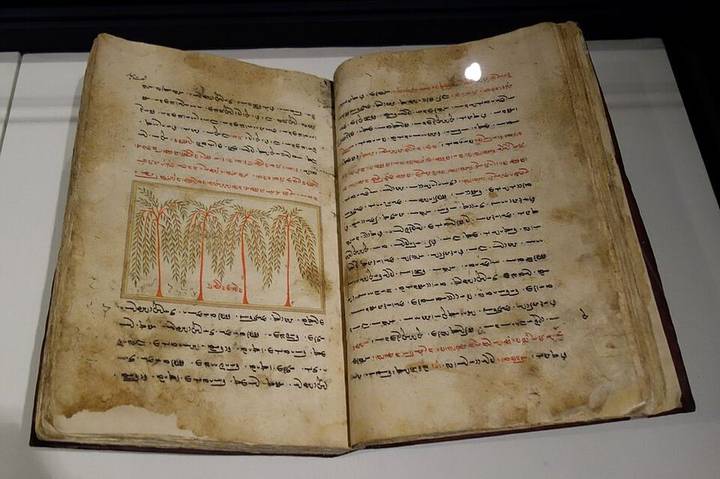
The Zend-Avesta, Part 1: The Vendidad, Darmesteter, 1880
The scripture of ancient Persia contains a story of a king told to build an underground enclosure to save life from a killing winter. This is the text it comes from, in a scholar's 1880 translation.
Public domain copy
Read The Zend-Avesta, Part 1: The Vendidad, Darmesteter, 1880 online
This is a digital copy of a book that was preserved for generations on library shelves before it was carefully scanned by Google as part of a project to make the world’s books discoverable online.
It has survived long enough for the copyright to expire and the book to enter the public domain. A public domain book is one that was never subject to copyright or whose legal copyright term has expired. Whether a book is in the public domain may vary country to country. Public domain books are our gateways to the past, representing a wealth of history, culture and knowledge that’s often difficult to discover.
Marks, notations and other marginalia present in the original volume will appear in this file - a reminder of this book’s long journey from the publisher to a library and finally to you.
Usage guidelines Google is proud to partner with libraries to digitize public domain materials and make them widely accessible. Public domain books belong to the
public and we are merely their custodians. Nevertheless, this work is expensive, so in order to keep providing this resource, we have taken steps to prevent abuse by commercial parties, including placing technical restrictions on automated querying.
We also ask that you:
+ Make non-commercial use of the files We designed Google Book Search for use by individual personal, non-commercial purposes.
and we request that you use these files for
+ Refrain from automated querying Do not send automated queries of any sort to Google’s system: If you are conducting research on machine translation, optical character recognition or other areas where access to a large amount of text is helpful, please contact us. We encourage the use of public domain materials for these purposes and may be able to help.
+ Maintain attribution The Google “watermark” you see on each file is essential for informing people about this project and helping them find additional materials through Google Book Search. Please do not remove it.
+ Keep it legal Whatever your use, remember that you are responsible for ensuring that what you are doing is legal. Do not assume that just because we believe a book is in the public domain for users in the United States, that the work is also in the public domain for users in other countries. Whether a book is still in copyright varies from country to country, and we can’t offer guidance on whether any specific use of any specific book is allowed. Please do not assume that a book’s appearance in Google Book Search means it can be used in any manner anywhere in the world. Copyright infringement liability can be quite severe.
About Google Book Search
Google’s mission is to organize the world’s information and to make it universally accessible and useful. Google Book Search helps readers discover the world’s books while helping authors and publishers reach new audiences. You can search through the full text of this book on the web ai[http: //books . google. com/|
Loe per
THE
SACRED BOOKS OF THE EAST
LO per
THE
SACRED BOOKS OF THE EAST
Dondon
HENRY FROWDE
OXFORD UNIVERSITY PRESS WAREHOUSE
7 PATERNOSTER ROW
THE
SACRED BOOKS OF THE EAST
TRANSLATED BY VARIOUS ORIENTAL SCHOLARS
AND EDITED BY
F. MAX MULLER
VOL. IV
Cc. @rford AT THE CLARENDON PRESS
1880
(All rights reserved ]
1% a a
THE ZEND-AVESTA
PART I
THE VENDIDAD
TRANSLATED BY
JAMES DARMESTETER
. @rtory AT THE CLARENDON PRESS
Read the story behind it
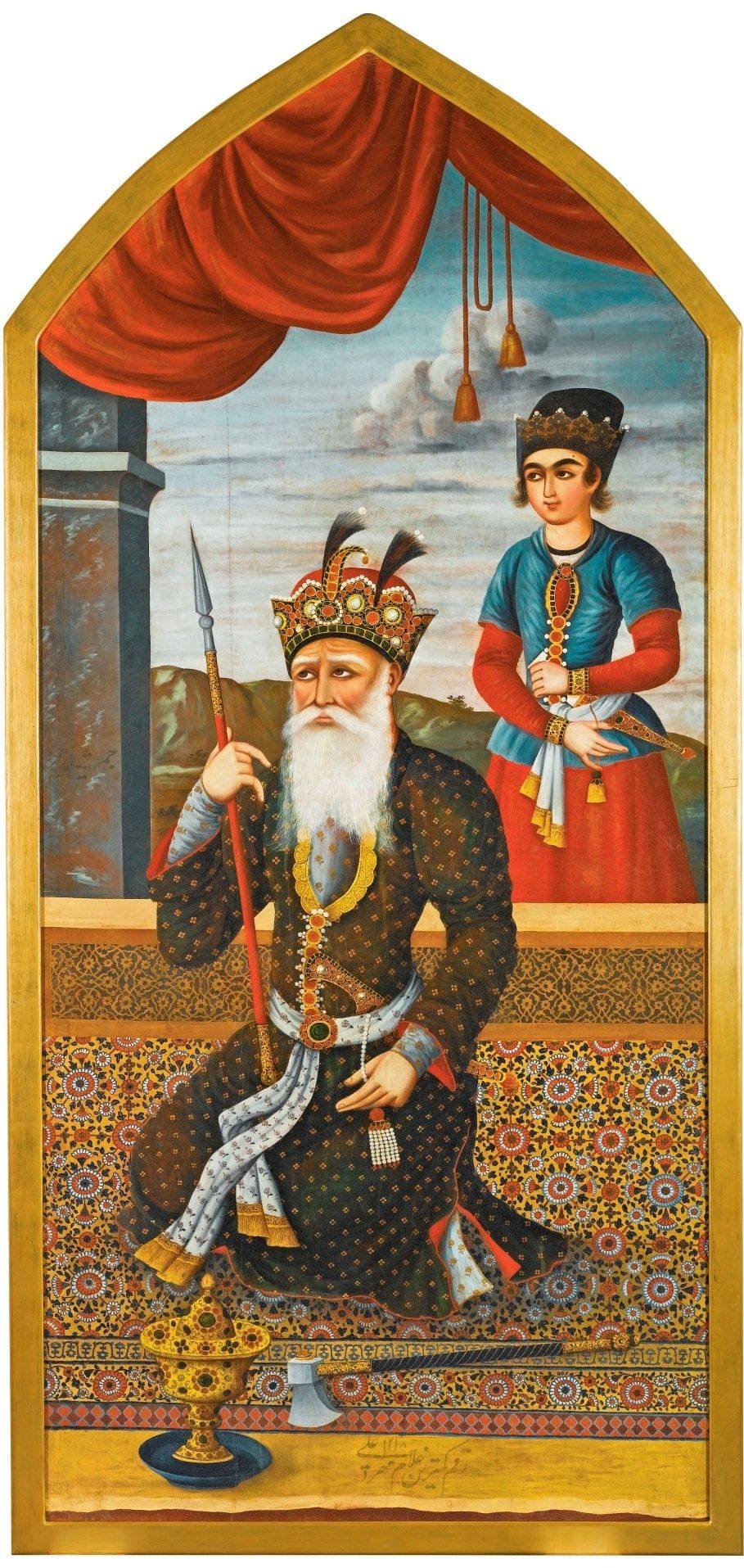 PersonYima (Jamshid) and the VaraMyth or legendWarned of killing winters, the first king of the Iranian tradition built an underground enclosure and filled it with the seeds of the finest people, animals and plants. Inside, the sun and stars rise and set only once a year; some speculative readers say that matches the far north. What was this refuge really describing?
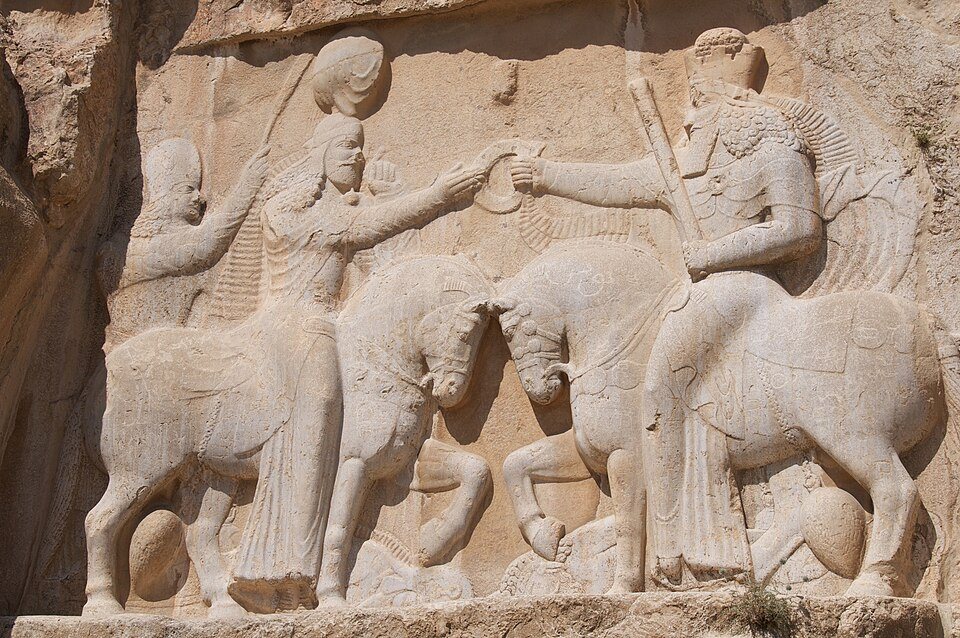 TextBundahishnDocumentedAccording to this Zoroastrian book of creation, the first human couple grew out of the ground as a single rhubarb plant. The same book lays out history as twelve thousand years in four ages, beginning with an invasion from beyond the sky; it was compiled in the 8th and 9th centuries CE. What older lost texts did it draw on?
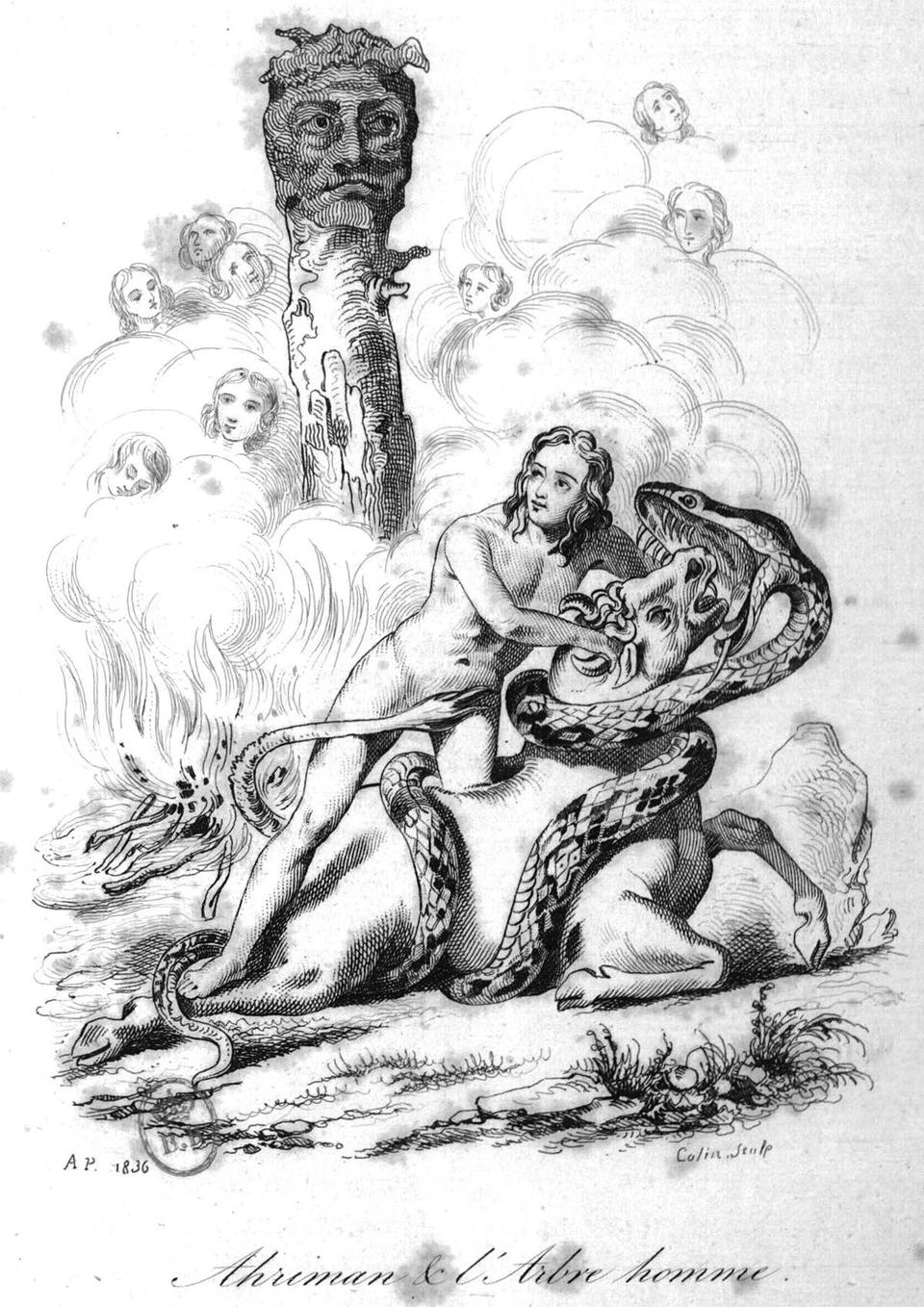 BeingAhriman (Angra Mainyu)Myth or legendIn the Zoroastrian creation story, evil does not creep in, it attacks from outside. Ahriman pierces the sky, leaps into a perfect, motionless world, spreads darkness and kills the first man; in one version he even tore out of the womb first to claim a promised kingship. What happens in a world whose history is fixed at twelve thousand years?
Where this comes from
Comes from The Vendidad (part of the Zend-Avesta), the copy of The Zend-Avesta, Part 1: The Vendidad, Darmesteter, 1880 we host here. The Zend-Avesta Part 1, The Vendidad, translated by James Darmesteter, Sacred Books of the East vol. 4, Oxford: Clarendon Press, 1880.
What this means
A primary record or a faithful public-domain copy of one. This page says what the file is and where it comes from; it does not say every claim in it is true.
Primary records exist: an original document, a published text, an official file or a dated report. We link to them. This level says the record exists and what it says, not that every claim in it is true.
Where and when was it found?
- Written
- The Avestan texts were probably composed in eastern Iran between the second half of the 2nd millennium BCE and the end of the Achaemenid period; they were first written down in the Sasanian era (224 to 651 CE)
- Where it was found
- Manuscripts kept by Zoroastrian priests in Iran and India (Yazd, Surat and elsewhere), now also in European libraries such as the Bibliotheque nationale (Paris) and the British Library
- When it was found
- Abraham-Hyacinthe Anquetil-Duperron got the books from Parsi priests in Surat, deposited them at the Bibliotheque royale in Paris on 15 March 1764, and published the first European translation in 1771
- Oldest copy
- The oldest surviving Avestan manuscript fragment dates to 1323 CE
- Original language
- Avestan, with a Middle Persian (Pahlavi) translation in some manuscripts
About this copy
This is a public-domain copy. The line below says where the file comes from and why we may host it.
Why we can share it: archive.org metadata: possible-copyright-status NOT_IN_COPYRIGHT, copyright-region US; published 1880 (Darmesteter died 1894).
Updated