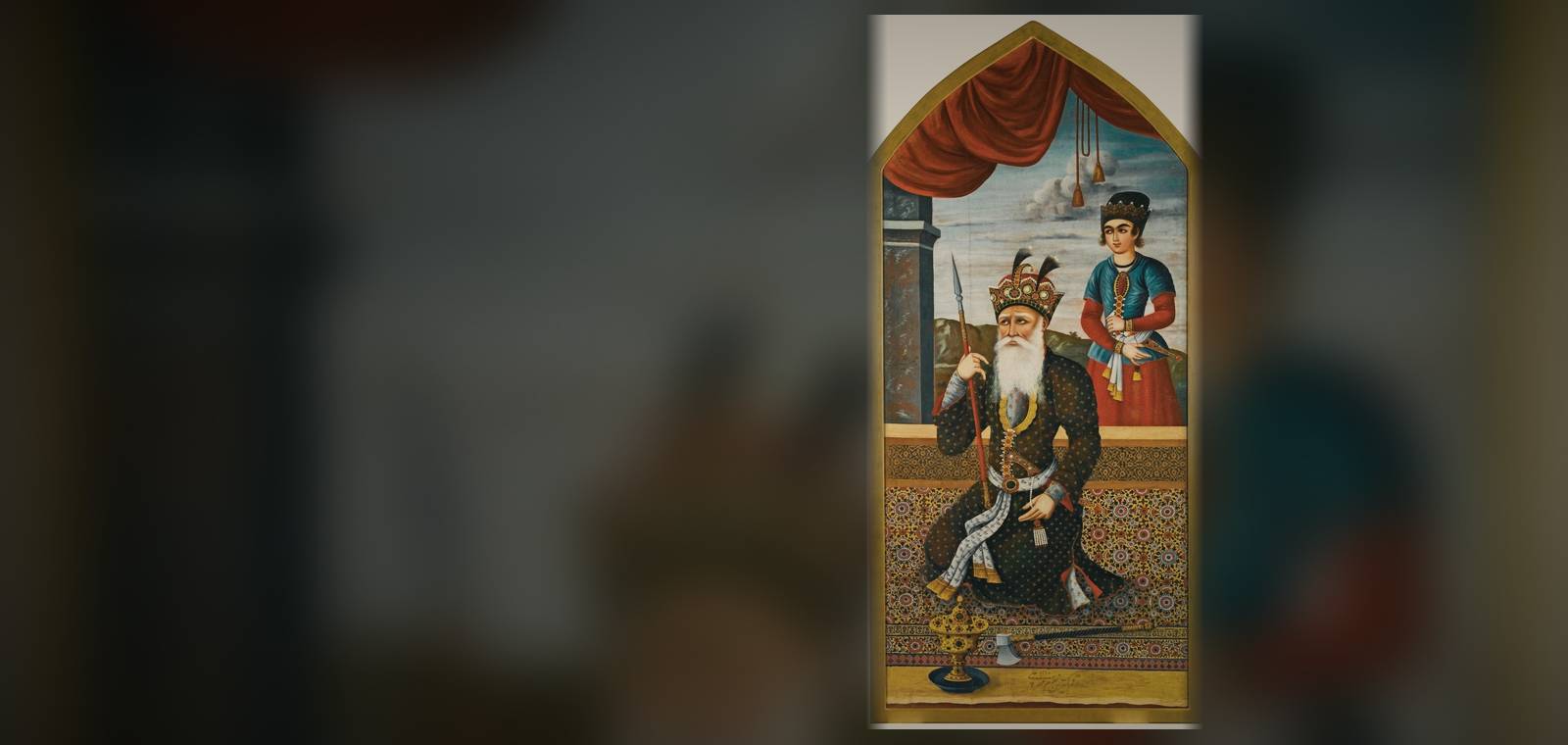
The record
There are uncreated lights and created lights. There the stars, the moon, and the sun are only once (a year) seen to rise and set, and a year seems only as a day.
Vendidad, Fargard 2 · Persia
Translation: James Darmesteter, The Zend-Avesta Part I: The Vendidad, SBE 4 (1880) · Public domain
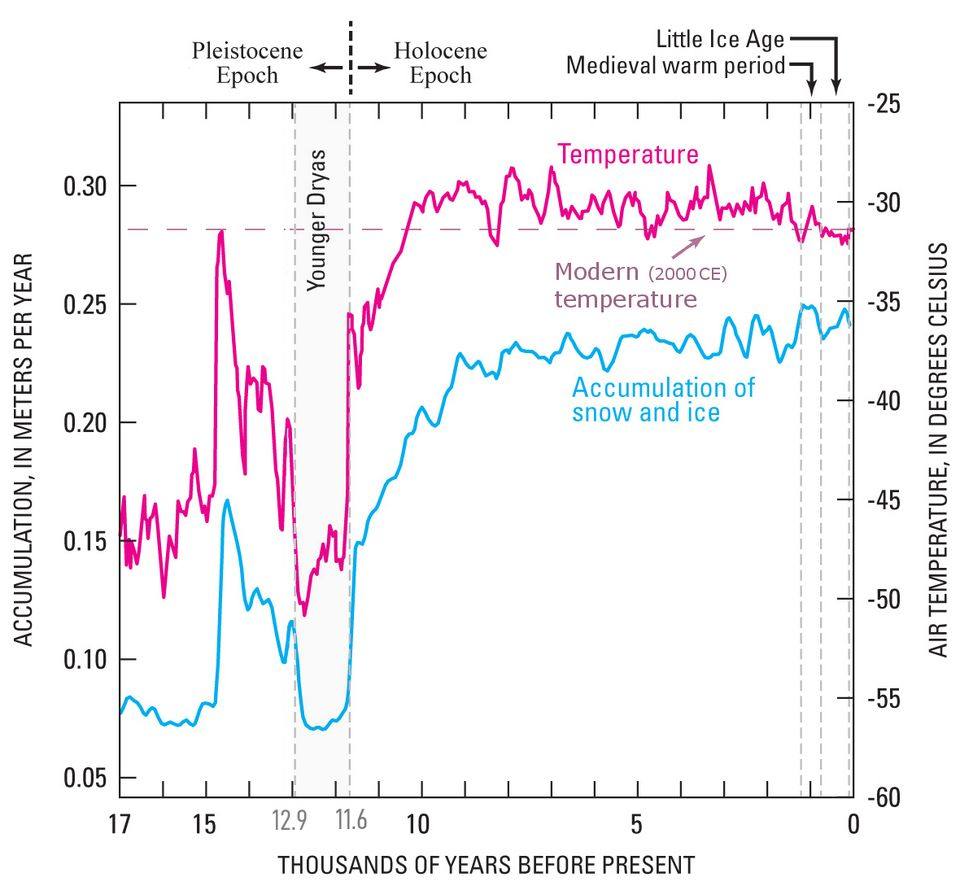
Yima is the first king of the Iranian tradition. In the Vendidad, Fargard 2, Ahura Mazda gives him rule over the world. Under Yima there is no cold, no heat, no old age, no death, and the earth fills up so fast that three times he has to enlarge it, pressing it with a golden seal and a dagger. Then comes the warning: fatal winters will fall on the world, with deep snow, and the flood of melting snow will follow.
Ahura Mazda tells him to build a vara, an enclosure long as a riding-ground on every side of the square,
and bring into it the seeds of the finest men and women, animals, plants and foods, in pairs, kept safe while the world outside is emptied. It has streets, a door, and a window that shines from within. Inside, There are uncreated lights and created lights,
the sun, moon and stars rise and set only once a year, and a year seems only as a day.
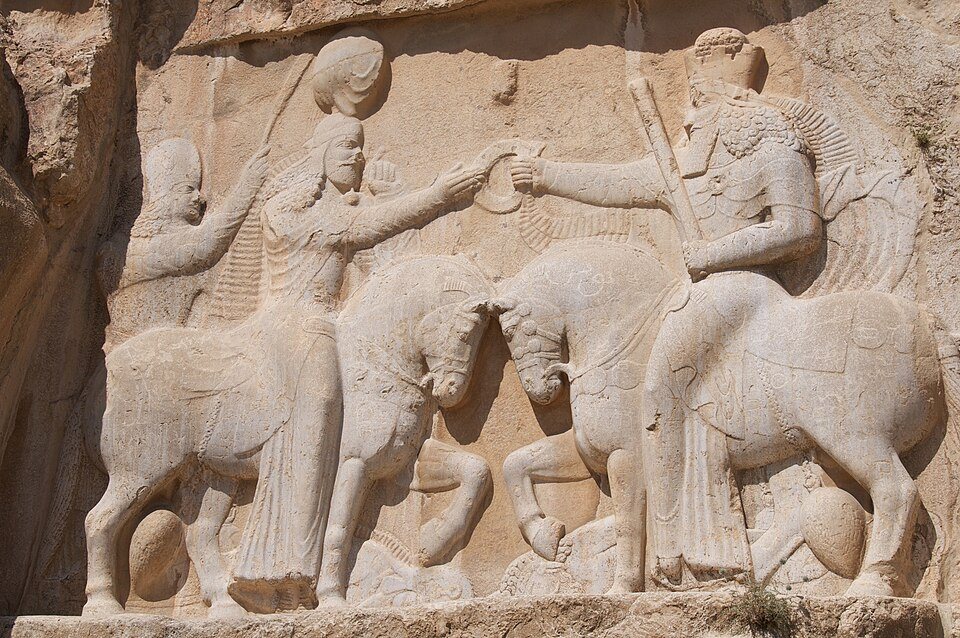
Yima has a close cousin in India: Yama, the first mortal and king of the dead in the Rig Veda. In later Persian tradition, especially Ferdowsi's Shahnameh around 1010 CE, he becomes Jamshid, a glorious king whose throne is lifted into the sky by demons, an event celebrated as Nowruz. Jamshid grows proud, loses the divine glory (khvarenah or farr), and falls to the tyrant Zahhak.
The vara invites comparison with Noah's ark and with modern seed vaults. In 1903 the Indian scholar B. G. Tilak cited its one-day year as evidence for an Arctic homeland of the Aryans. Readers of catastrophe theories see it as a memory of an ice-age shelter. The text itself frames it as a divine instruction to preserve life.