












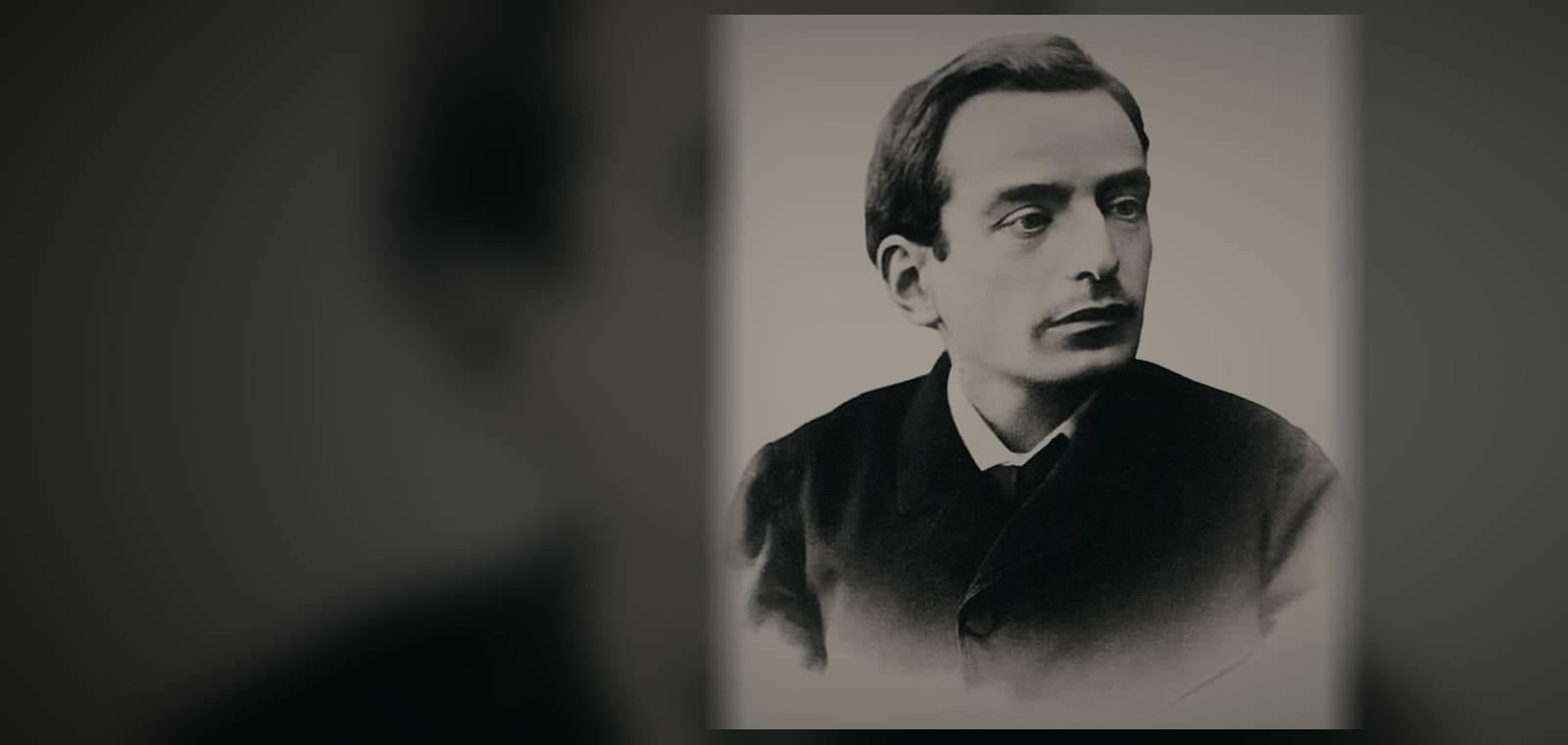
What is James Darmesteter known for?
James Darmesteter was a French scholar of ancient Iranian languages and religion. He taught Persian at the Ecole des Hautes Etudes from 1877 and became a professor at the Collège de France in 1885. He died in 1894 at the age of 45.
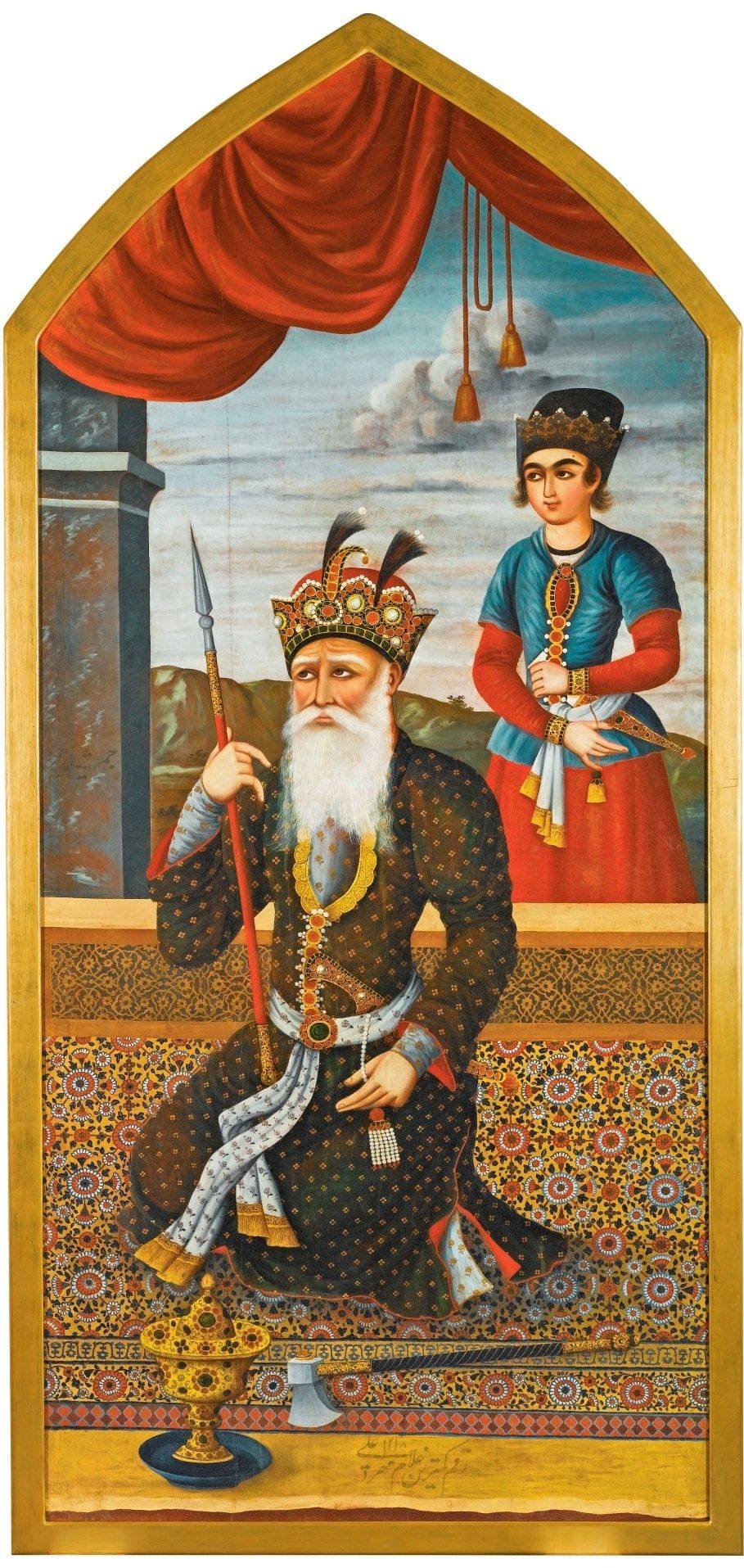
For Max Muller's Sacred Books of the East he translated the Zend-Avesta, the scriptures of Zoroastrianism, in volumes 4 and 23. Volume 4 contains the Vendidad, a book of purity laws and myths. Its second chapter tells how the first king, Yima, was warned of a destructive winter and built an enclosure, the Vara, to shelter the best of people, animals and plants. He later produced a fuller French translation (1892–93).
The Vara story is often compared with Noah's Ark. Darmesteter's English is now public domain and is the version usually quoted.
Titles and honors
- Offices held
- Professor, College de France 1885
The same story, told elsewhere
Shared story · Floods and lost lands
Flood Stories Around the World
A god warns one good man, a boat is built, the world drowns and birds are sent out to find land. The same story turns up from Iraq to India to Greece, with cousins in China, Scandinavia and Guatemala.
Vendidad, Fargard 2 (Yima's Vara) is one telling. The same story is told 9 more times, in 6 parts of the world. Follow it:
- Vedic IndiaNorthern India · c. 800-600 BCE · Ancient text
- Babylonian (Akkadian)Mesopotamia · 7th century BCE · Ancient text
- Hebrew BibleJudah / Babylon · c. 600-400 BCE · Ancient text
- ChineseYellow River valley, China · 1st millennium BCE · Ancient text
- Zoroastrian (Persian)Iran / Central Asia · 1st millennium BCE · Ancient textTied to this page
- Babylonian, retold in GreekBabylon · c. 280 BCE · Ancient text
- GreekGreece · 1st or 2nd century CE · Ancient text
- IslamArabia · 7th century CE · Medieval text
- NorseIceland · c. 1220 CE · Medieval text
- K'iche' MayaHighland Guatemala · c. 1554-1558 · Retold in English
The open question: One real flood remembered by many peoples, or many different floods that each people told in its own way? Join the debate
Mentioned on these pages
- ChapterOne History 8: The reset
Linked people and places
Where this comes from
Comes from Internet Sacred Text Archive, 'The Zend Avesta, Part I (SBE 4)', tr. James Darmesteter. A free website, started in 1999, that hosts public-domain translations of religious, myth and folklore texts from around the world. Most translations date from the 1800s and early 1900s, so some wording and scholarship is dated, but the texts are faithful copies.
What this means
A real person with records. Sources are listed below.
For James Darmesteter, the original record exists and is linked: Internet Sacred Text Archive, 'The Zend Avesta, Part I (SBE 4)', tr. James Darmesteter. That tells you the record is real and what it says. It does not mean every claim in it is true.
Primary records exist: an original document, a published text, an official file or a dated report. We link to them. This level says the record exists and what it says, not that every claim in it is true.
Sources
- Internet Sacred Text ArchiveA free website, started in 1999, that hosts public-domain translations of religious, myth and folklore texts from around the world. Most translations date from the 1800s and early 1900s, so some wording and scholarship is dated, but the texts are faithful copies.Internet Sacred Text Archive, 'The Zend Avesta, Part I (SBE 4)', tr. James DarmesteterPrimary text Archived copy, 2026-10-03
- WikipediaA free online encyclopedia written and edited by volunteers. It is a good starting point and usually lists its own sources, but anyone can change it, so we treat it as a guide to better sources, not the final word.Wikipedia, 'James Darmesteter'Reference Archived copy, 2026-08-29