












What is Alan Gardiner known for?
Sir Alan Gardiner was a British Egyptologist and linguist. His Egyptian Grammar (1927), with its list of hieroglyphic signs still known as 'Gardiner's sign list', remains a standard textbook for learning Middle Egyptian.
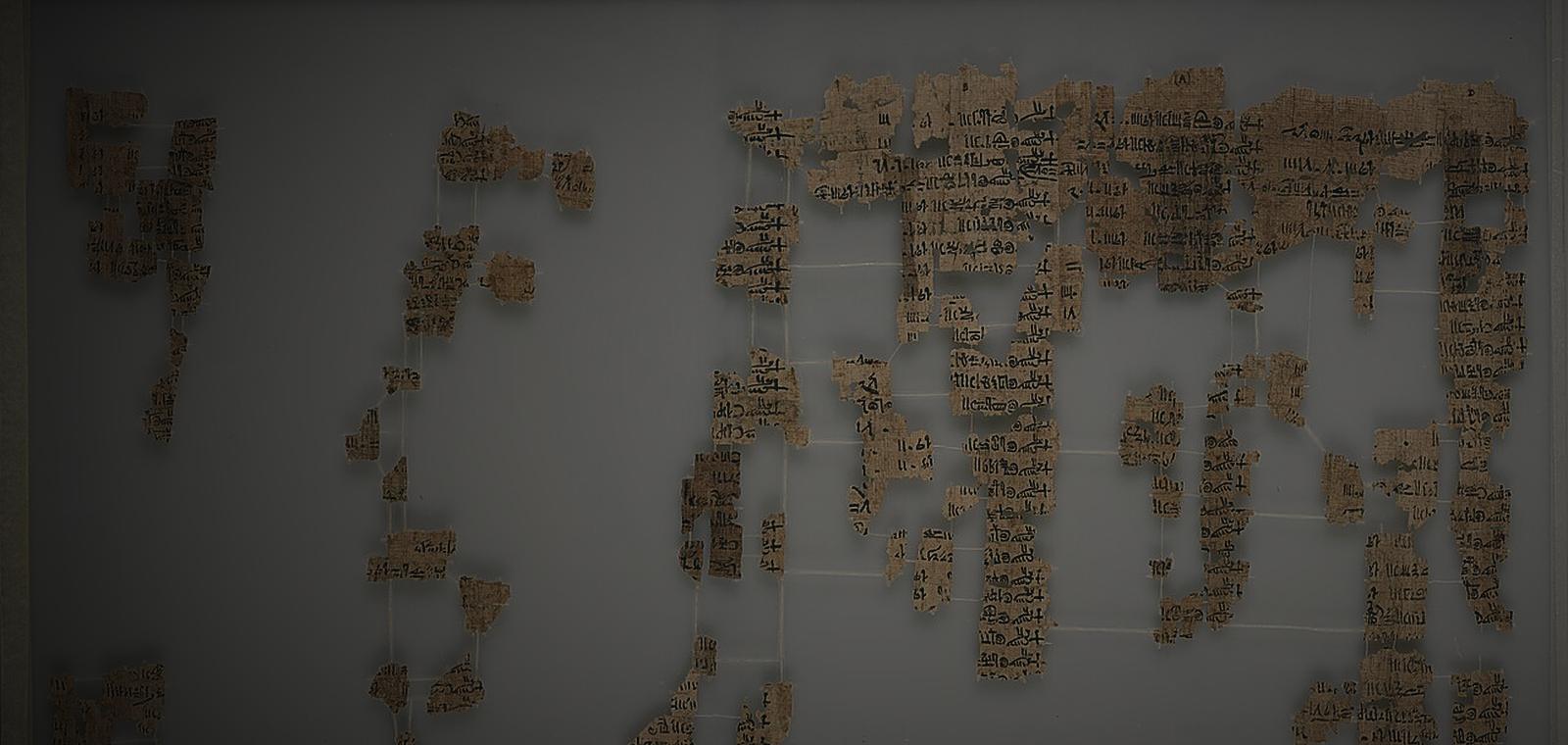
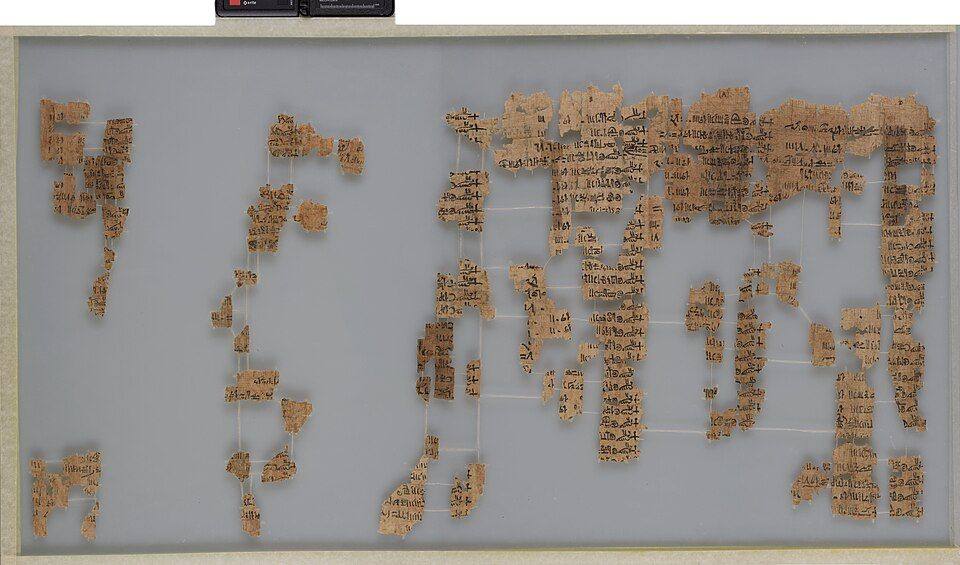
He published many of the key literary and historical papyri. In 1909 he edited the Admonitions of an Egyptian Sage, the Ipuwer papyrus in Leiden. In 1959 he published The Royal Canon of Turin, an edition of the fragmentary Turin King List that remained the standard reference for decades. He also worked on the inscriptions from Tutankhamun's tomb after its discovery in 1922.
He was knighted in 1948 and died in 1963. Phrases from his Egyptian Grammar have been traced in the text of the so-called Tulli Papyrus, a 1950s UFO hoax.
Titles and honors
- Titles
- Knight Bachelor (Sir) 1948
- Offices held
- Reader in Egyptology, University of Manchester 1912-1914
- Honorary Secretary, Egypt Exploration Fund 1917-1920
- Medals and honors
- Fellow of the British Academy 1929
- Honorary DLitt, Durham 1952
- Honorary DLitt, Cambridge 1956
Mentioned on these pages
- FileTurin King List
- PersonIpuwer
- PersonThutmose III
Linked people and places
Where this comes from
Comes from Wikipedia, 'Alan Gardiner'. A free online encyclopedia written and edited by volunteers. It is a good starting point and usually lists its own sources, but anyone can change it, so we treat it as a guide to better sources, not the final word.
What this means
A real person with records. Sources are listed below.
For Alan Gardiner, the original record exists and is linked: Wikipedia, 'Alan Gardiner'. That tells you the record is real and what it says. It does not mean every claim in it is true.
Primary records exist: an original document, a published text, an official file or a dated report. We link to them. This level says the record exists and what it says, not that every claim in it is true.
Sources
- WikipediaA free online encyclopedia written and edited by volunteers. It is a good starting point and usually lists its own sources, but anyone can change it, so we treat it as a guide to better sources, not the final word.Wikipedia, 'Alan Gardiner'Reference Archived copy, 2026-08-24
- Encyclopaedia BritannicaAn encyclopedia first published in Scotland in 1768 and now online. Its articles are written and checked by named experts and editors, which makes it a reliable source for basic facts.Encyclopaedia Britannica, 'Sir Alan Gardiner'Reference
- Griffith Institute (University of Oxford)The Griffith Institute at the University of Oxford, which keeps Egyptology archives, including Howard Carter's records of Tutankhamun's tomb.Griffith Institute, Oxford, 'Sir Alan H. Gardiner'Reference
No public-domain picture of this person yet. We do not show drawn or generated likenesses.