Credible Theories Sign in

The record

From the text
An animal destitute of reason, by name Oannes, whose whole body (according to the account of Apollodorus) was that of a fish… This Being was accustomed to pass the day among men; but took no food at that season; and he gave them an insight into letters and sciences, and arts of every kind… when the sun had set, this Being Oannes retired again into the sea.
Documented · Ancient text, c. 290–278 BCE
Berossus, Babyloniaca, via Alexander Polyhistor · Sumer and Babylon
Translation: I. P. Cory, Ancient Fragments (1832; 1876 ed.) · Public domain

Oannes is the Greek form of Uanna, the first of the seven Mesopotamian sages. His story comes from the Babylonian priest Berossus, whose history survives only in quotations. According to the excerpt made by Alexander Polyhistor, a creature called Oannes came up out of the Erythraean Sea, near Babylonia, in the first year of the world.

Cory's 1832 translation describes him: 'His whole body was that of a fish; that under the fish's head he had another head, with feet also below, similar to those of a man.' He spoke with a human voice. He 'took no food at that season', spent his days among people, and taught them 'letters and sciences, and arts of every kind', how to build cities and temples, make laws, measure land, and farm. At sunset he returned to the sea.

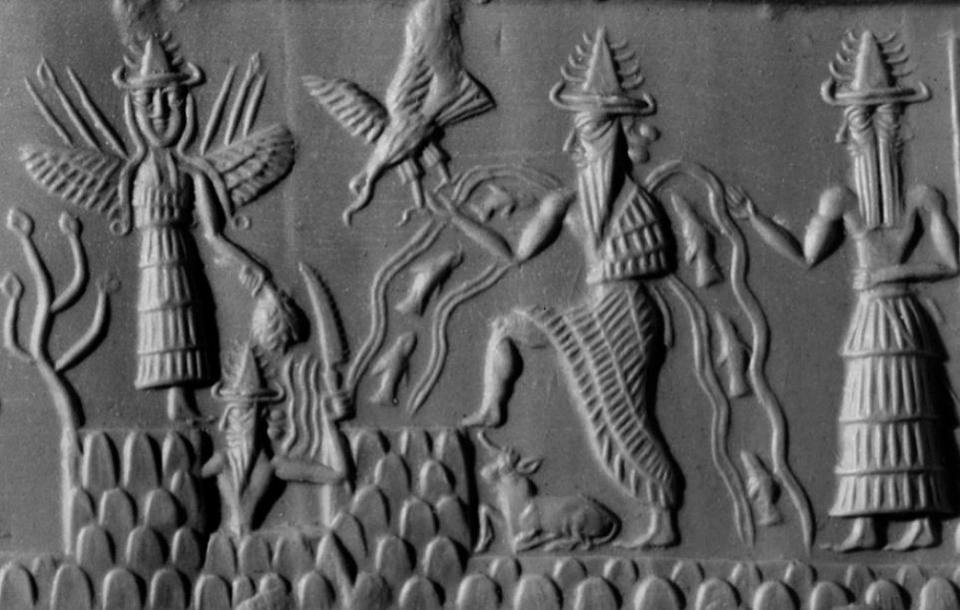
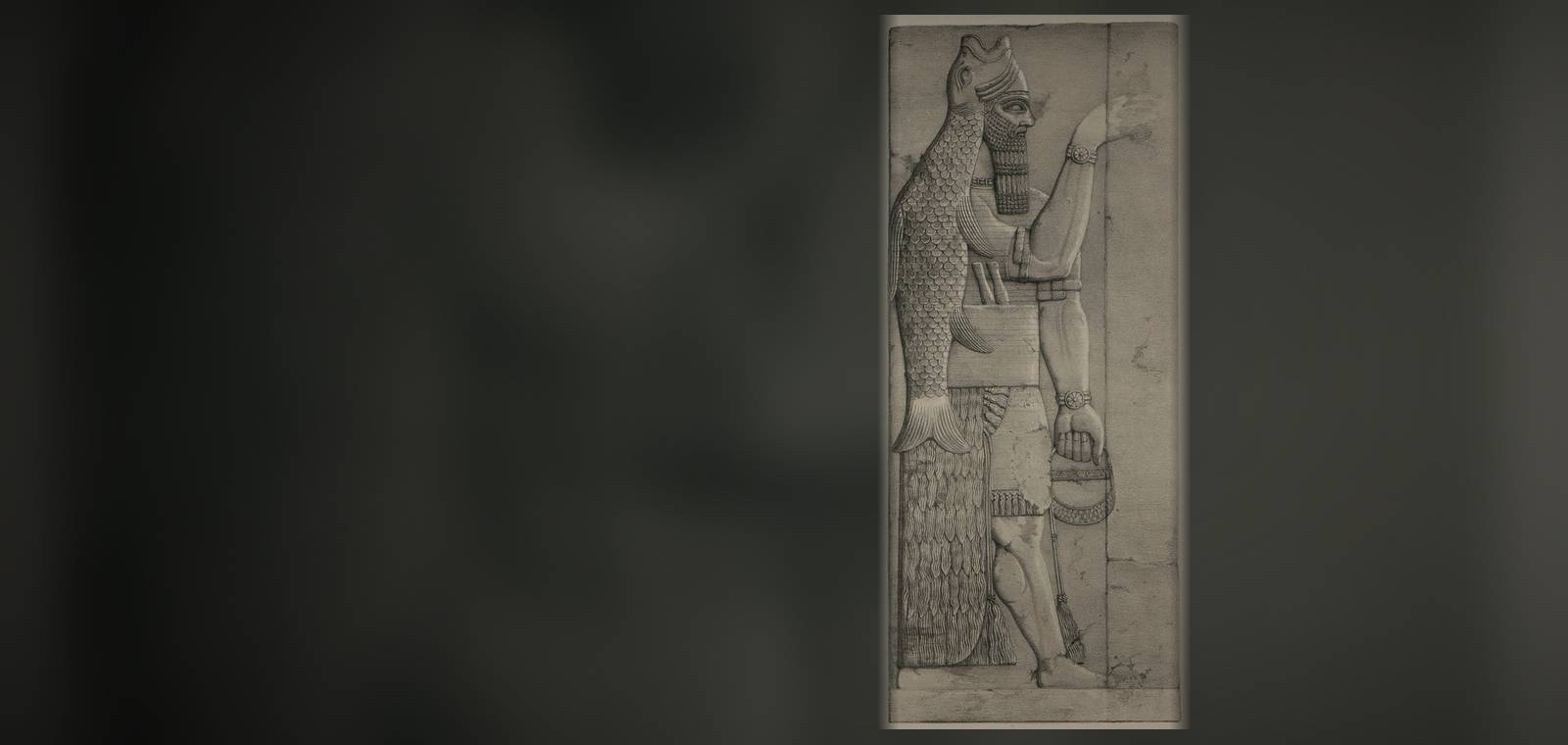
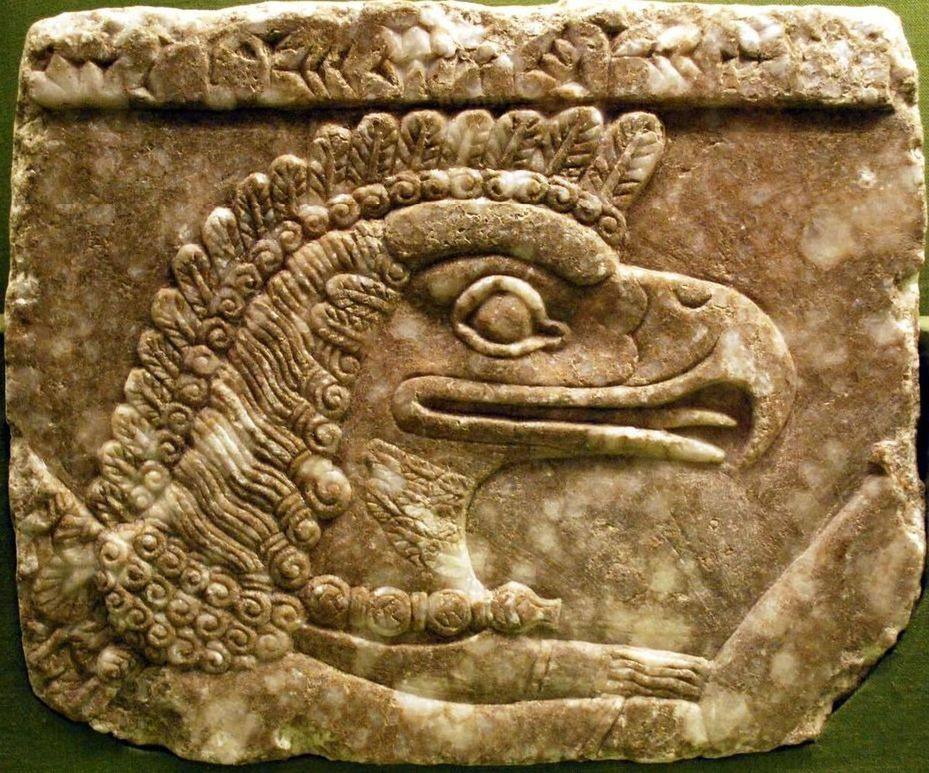
Berossus adds that other similar beings appeared after him in later reigns. In cuneiform texts these are the apkallu, and Assyrian palace reliefs show some of them as men wearing a fish-skin cloak, the fish head over their own. These figures often carry a cone and a small bucket and flank doorways, where they acted as protective spirits for the palace.

In 1976 Robert Temple's The Sirius Mystery proposed that Oannes and similar figures recalled amphibious visitors from the Sirius system. That is speculation built on the text; the text itself describes a divine sage and culture-bringer. Other writers have compared him to Dagon, the Philistine god, though the idea that Dagon was a fish god is itself a medieval guess based on the Hebrew word for fish.

How far can we trust the source?

This story rests mostly on one source. Here is that track record.

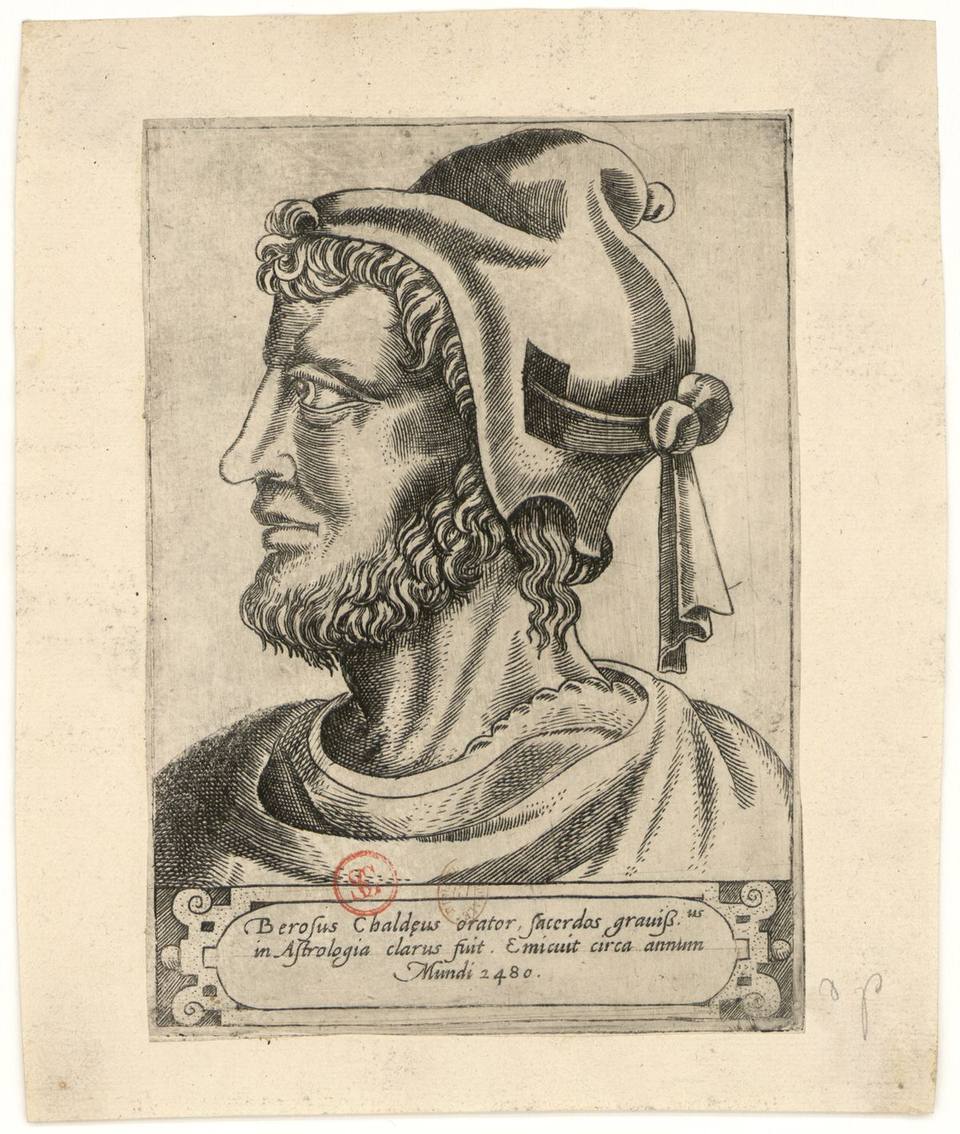
Berossus

65/100 · Mostly reliable

Berossus was a Babylonian priest who wrote his people's history in Greek from cuneiform records in Babylon's temple.

Read more

Clay tablets found since the 1800s show he copied real Babylonian sources faithfully, including the creation epic, the flood story and accurate chronicles of later kings. His early sections pass on myth as myth, such as kings reigning for 432,000 years, and his work survives only in later, sometimes garbled quotations.

This rates how well the factual claims hold up against later evidence and scholarship. It is not a judgment of character or honesty. How the meter works
The same story, told elsewhere

Shared story · Beginnings

Creation from the Primeval Waters and the Cosmic Egg

Before anything existed there was dark water. Or an egg. Babylon, Genesis, the Rig Veda, Egypt, Finland and the Quran all start the world in almost the same place.

Berossus, Babyloniaca (the speech of Oannes) is one telling. The same story is told 9 more times, in 5 parts of the world. Follow it:

  1. BabylonianBabylon, Mesopotamia · c. 1700-1100 BCE · Ancient text
  2. Vedic IndiaNorthwest India · c. 1200-1000 BCE · Ancient text
  3. GreekBoeotia, Greece · c. 700 BCE · Ancient text
  4. Hebrew BibleJudah / Babylon · c. 600-400 BCE · Ancient text
  5. EgyptianThebes, Egypt · c. 310 BCE · Ancient text
  6. Babylonian, retold in GreekBabylon · c. 280 BCE · Ancient textTied to this page
  7. Hindu law codeIndia · c. 200 BCE · Ancient text
  8. IslamArabia · 7th century CE · Medieval text
  9. NorseIceland · c. 1000 CE · Medieval text
  10. FinnishFinland and Karelia · 1820 · Recorded folklore

The open question: Why would people who never met all start the world in dark water? A shared idea, or the most natural guess anyone would make? Join the debate

Shared story · Beginnings

Beings Who Taught Humanity the Arts

Fallen angels taught metalwork and makeup, a fish-man from the sea taught writing and law, Prometheus gave fire and numbers, and Thoth invented letters. Many cultures say civilization was a gift from outside.

Berossus, Babyloniaca (Oannes) is one telling. The same story is told 6 more times, in 4 parts of the world. Follow it:

  1. GreekAthens · c. 460-430 BCE · Ancient text
  2. Greek, about EgyptAthens, telling an Egyptian story · c. 370 BCE · Ancient text
  3. ChineseChina · c. 4th to 3rd century BCE · Ancient text
  4. Jewish apocalyptic (Second Temple)Judea · c. 300-200 BCE · Ancient text
  5. Babylonian, retold in GreekBabylon · c. 280 BCE · Ancient textTied to this page
  6. Jewish (Second Temple)Judea · c. 160-150 BCE · Ancient text
  7. IslamArabia · 7th century CE · Medieval text

The open question: Did people credit outsiders for their own inventions, or is there a reason so many say they were taught? Join the debate

Questions people ask about Oannes

When did Berossus write about Oannes?

Berossus served as a priest of Bel, the god Marduk, in Babylon. He wrote his Babyloniaca in Greek around 290 to 278 BCE and dedicated it to the Seleucid king Antiochus I. The original books are lost. We know parts of them only because later authors such as Josephus and the church historian Eusebius copied passages, often secondhand through Alexander Polyhistor.

Is Oannes connected to the god Enki?

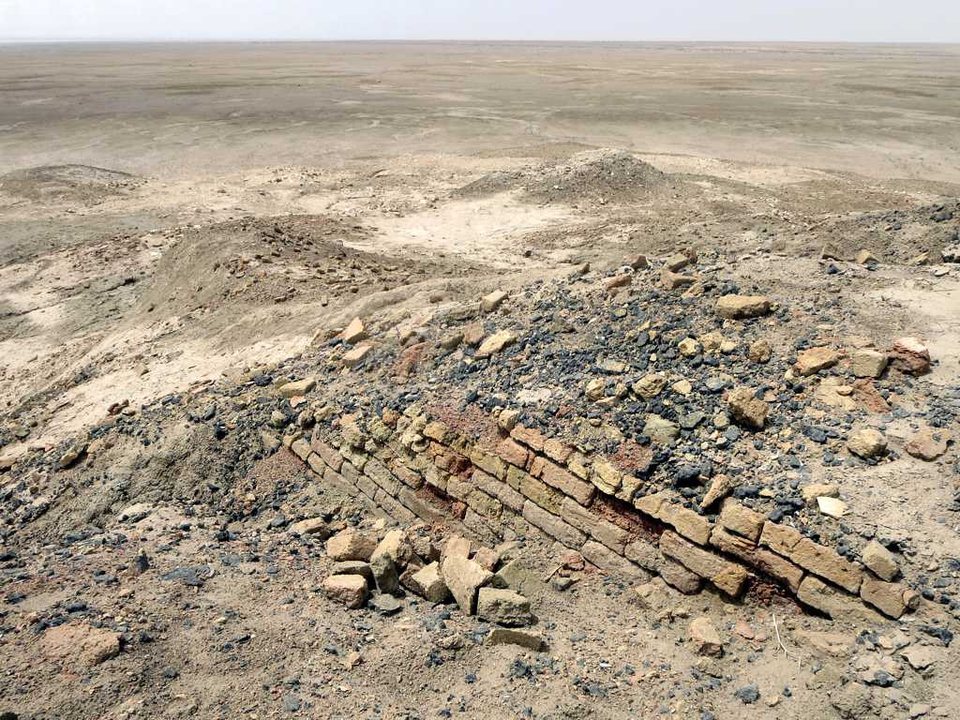
Yes. In Mesopotamian belief the seven sages served Enki, called Ea in Akkadian, the god of fresh water, magic and wisdom, whose home city was Eridu. That watery link may explain why the sages were pictured with fish features. Some earlier scholars even guessed that the name Oannes came from Ea, but most now trace it to the sage Uanna instead.

Where can you see apkallu carvings today?

Many of the best examples come from the Northwest Palace of the Assyrian king Ashurnasirpal II at Nimrud, built in the 9th century BCE. Stone slabs from that palace now hang in the British Museum in London, the Metropolitan Museum of Art in New York and dozens of other museums, including several American college collections. Most show winged men or bird-headed figures rather than fish-cloaked ones.

The open question

Still strange: Berossus adds that more beings like Oannes came out of the sea in later reigns.

Apkallu: Who Were the Seven Sages of Mesopotamia? →
  1. Step 1 of 4 · This fileOannes
  2. Step 2 of 4 · The passageOannes and the sages from the sea, Berossus, Babyloniaca, via Alexander Polyhistor
  3. Step 3 of 4 · The longer textAncient Fragments of the Phoenician, Chaldaean, Egyptian, Tyrian, Carthaginian, Indian, Persian, and Other Writers
  4. Step 4 of 4 · Next fileApkallu: Who Were the Seven Sages of Mesopotamia?
About these videos

Found by a YouTube search for this topic, not checked by us. The player loads from YouTube only when you press play.

Where it turns up

Where this comes from

EvidenceMyth or legend

Comes from Berossus, fragments via Alexander Polyhistor, in I. P. Cory, Ancient Fragments (1832). Berossus's History of Babylonia (Babyloniaca): A history of Babylon written in Greek by Berossus, a Babylonian priest, around 290 to 278 BC. It told of Oannes, a fish-man who taught people how to live in cities, and of ten kings before the Flood. The book is lost; only quotations by later writers survive.

What this means

A story or tradition. It is documented as a story; nothing independent shows it happened.

Oannes is known from stories, scripture or tradition. The texts are real and we quote them (for example Berossus, fragments via Alexander Polyhistor, in I. P. Cory, Ancient Fragments (1832)), but nothing outside those texts shows that Oannes was real as described.

The page covers something known from myths, scripture or tradition. The texts are real and we quote them, but no independent record shows the events or beings were real.

See all five labels

Sources

  1. Berossus's History of Babylonia (Babyloniaca)A history of Babylon written in Greek by Berossus, a Babylonian priest, around 290 to 278 BC. It told of Oannes, a fish-man who taught people how to live in cities, and of ten kings before the Flood. The book is lost; only quotations by later writers survive.Berossus, fragments via Alexander Polyhistor, in I. P. Cory, Ancient Fragments (1832) Online copyPrimary text
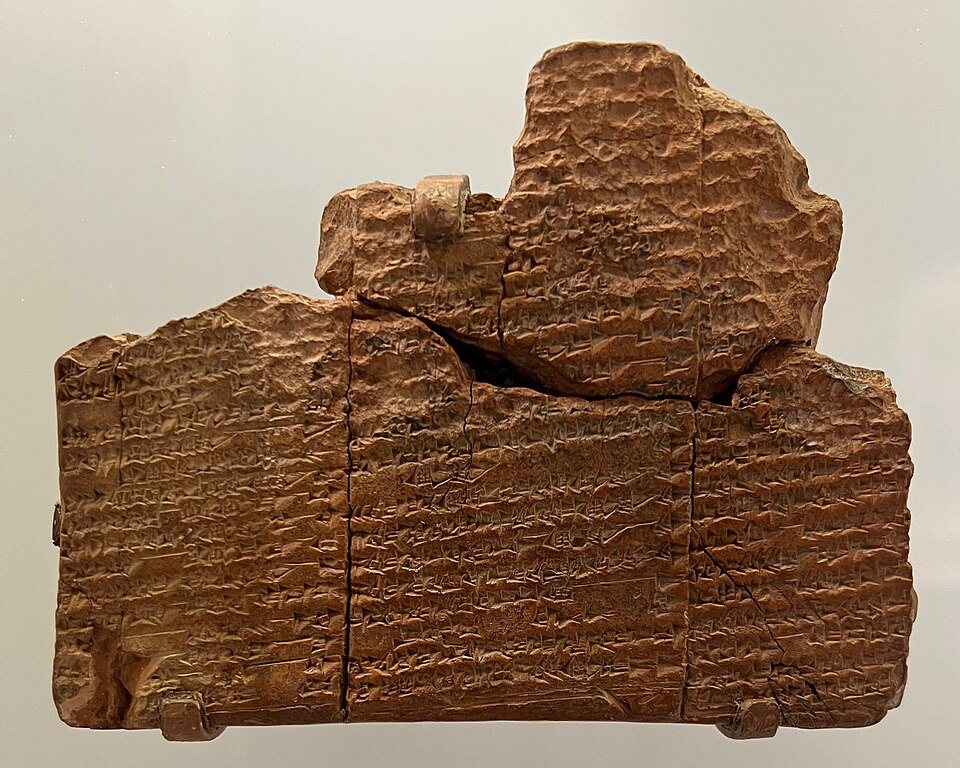
  2. The Uruk List of Kings and SagesA clay tablet written in 165 BC at Uruk, in southern Iraq, that pairs kings with their sages, starting with the seven wise 'apkallu' from before the Flood. German archaeologists dug it up at Uruk, and J. van Dijk published it in 1962.Uruk List of Kings and Sages (W 20030,7), Seleucid period, ed. J. van Dijk (1962)Primary text
  3. WikipediaA free online encyclopedia written and edited by volunteers. It is a good starting point and usually lists its own sources, but anyone can change it, so we treat it as a guide to better sources, not the final word.Wikipedia, "Apkallu"Reference Archived copy, 2026-09-18
  4. WikipediaWikipedia, "Berossus"Reference Archived copy, 2026-10-03

Quotations come from public-domain translations. A book in our Library links to its Library page; other links open the free online copy or the reference page.

Updated

Credible or not?

Tap one to see how other readers voted.

Discussion