Credible Theories Sign in

The record

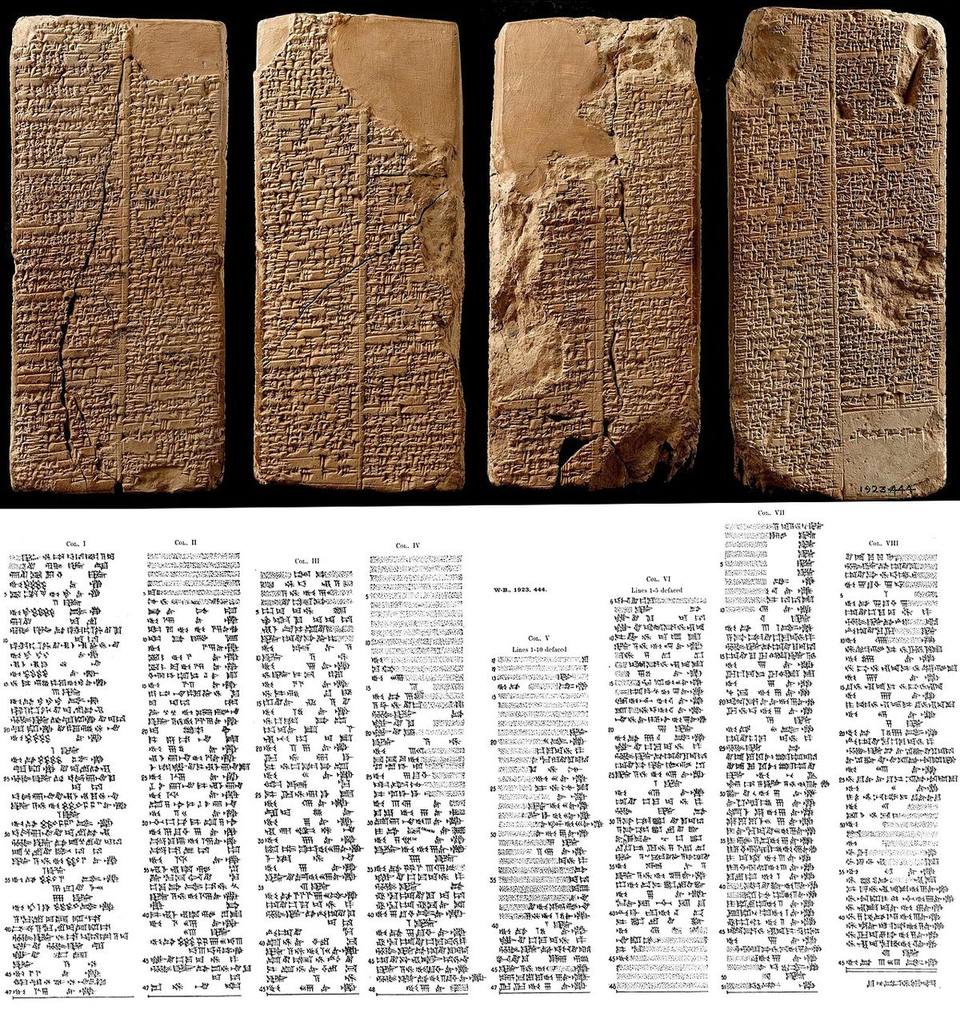
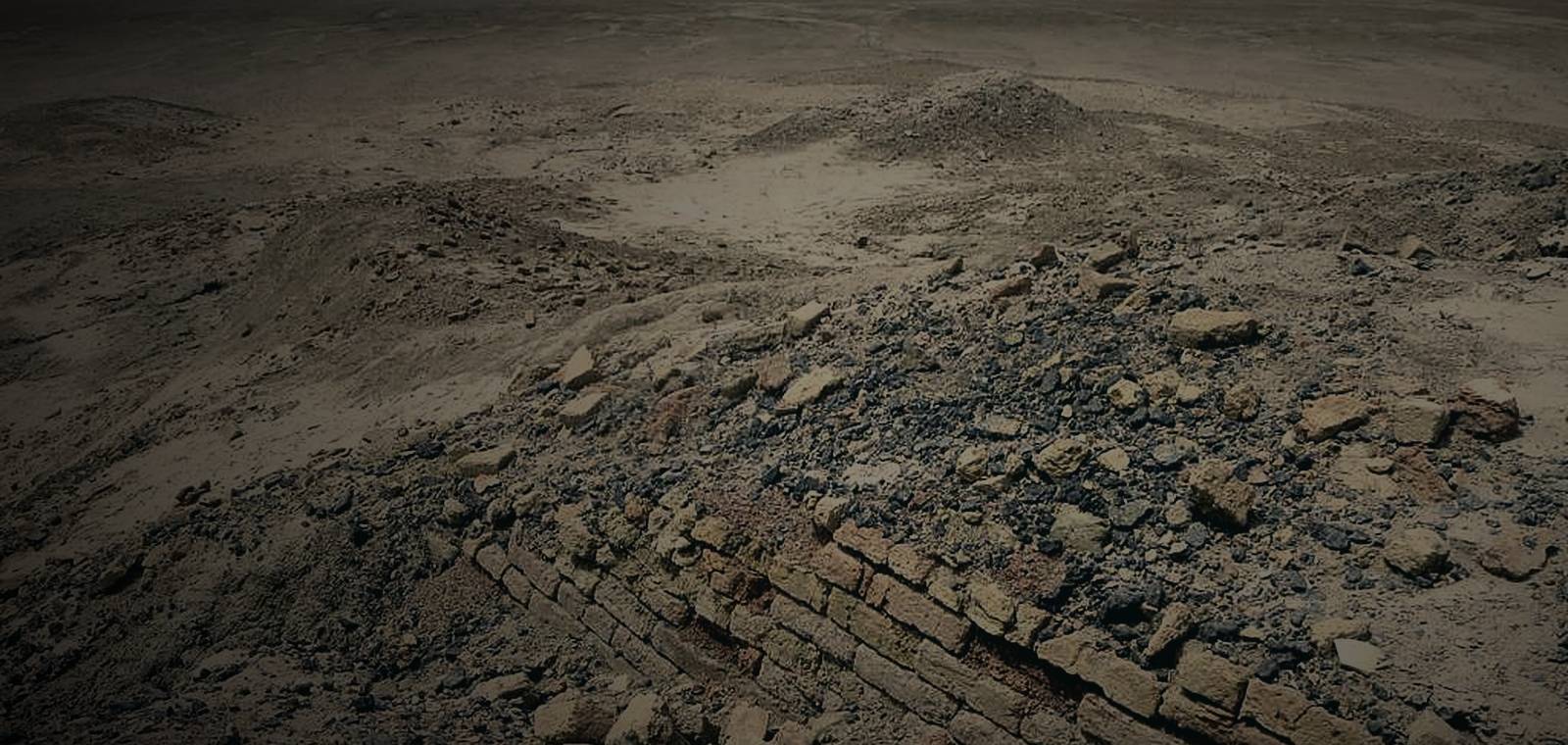
Eridu, now the mound of Abu Shahrain in southern Iraq, was the city the Sumerians believed to be the oldest in the world. The Sumerian King List opens: 'After the kingship descended from heaven, the kingship was in Eridu. In Eridu, Alulim became king; he ruled for 28,800 years.' It was the home of Enki and his temple, the E-abzu, built at the edge of marshes and fresh water.

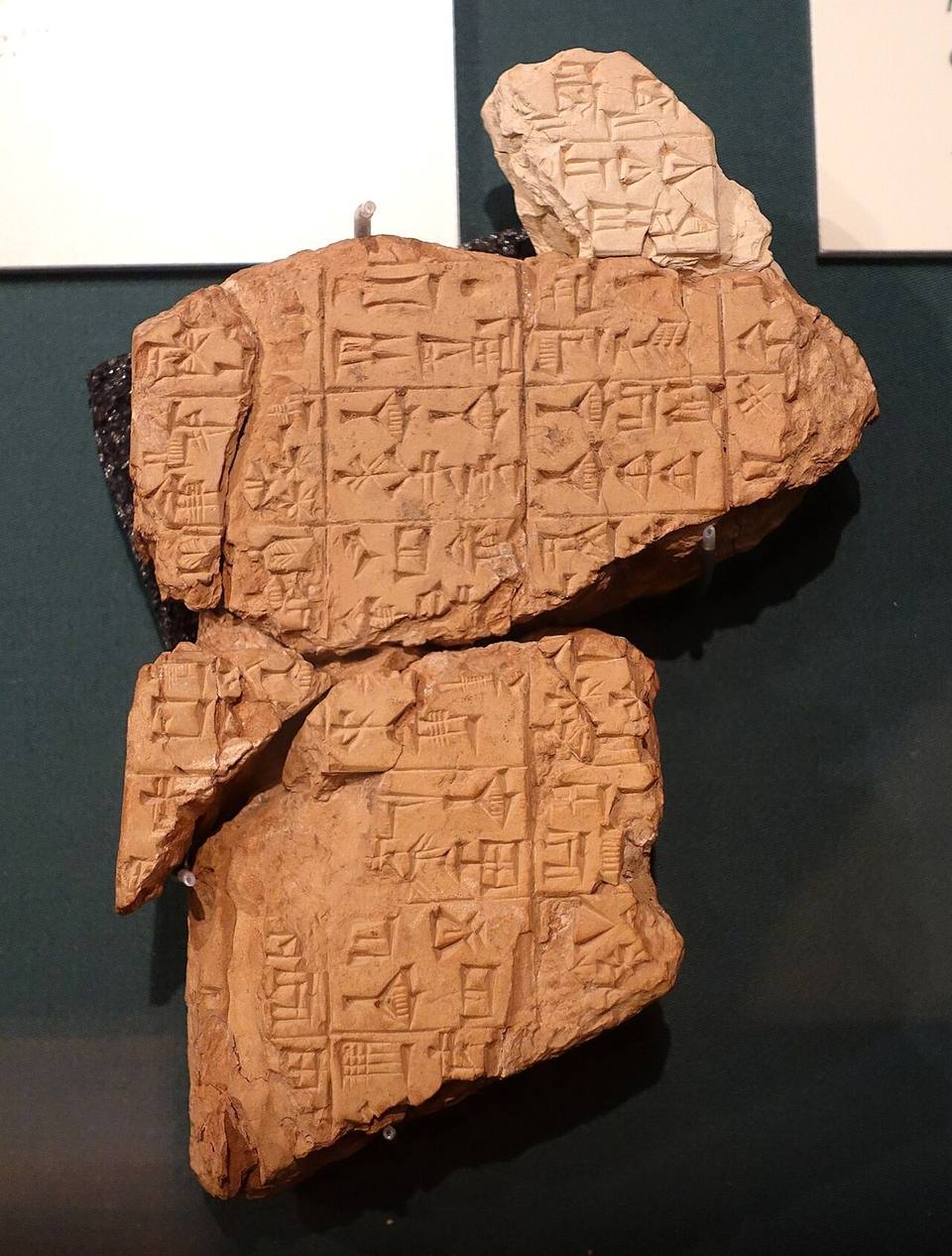
Archaeology partly agrees with the legend. Excavations by Fuad Safar and Seton Lloyd in 1946 to 1949 found a sequence of temples built one on top of another, eighteen levels in all, from small shrines of around 5400 BCE up to a ziggurat of the Ur III kings around 2100 BCE. It is one of the longest continuous sacred sites known.

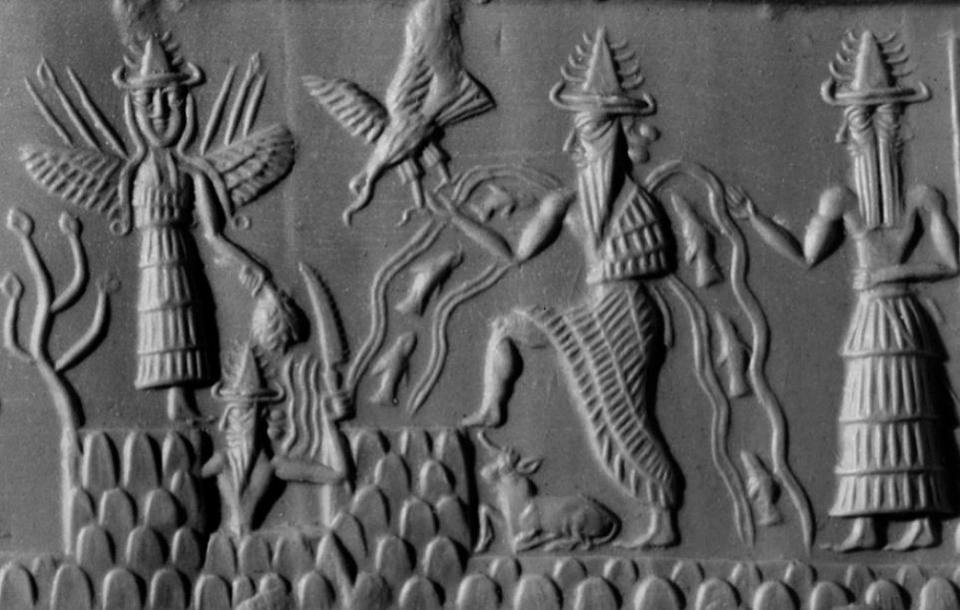
Some early levels contained deposits of fish bones, which many scholars link to offerings for Enki, lord of the waters. Eridu was also the home of the sage Adapa, and in myth it is where Inanna came to take the me from Enki. The site's position on the edge of the old marshes, where river water met the sea, fits its role as the home of the god of fresh water.

For ancient-astronaut writers, Eridu is the first base where the gods set up on Earth. For archaeologists, it is a rare case where a myth of origins sits on top of a site that really is extremely old. Its temple mound still rises from the desert today, far from the modern shoreline.

The same story, told elsewhere

Shared story · Beginnings

Beings Who Taught Humanity the Arts

Fallen angels taught metalwork and makeup, a fish-man from the sea taught writing and law, Prometheus gave fire and numbers, and Thoth invented letters. Many cultures say civilization was a gift from outside.

Berossus, Babyloniaca (Oannes) is one telling. The same story is told 6 more times, in 4 parts of the world. Follow it:

  1. GreekAthens · c. 460-430 BCE · Ancient text
  2. Greek, about EgyptAthens, telling an Egyptian story · c. 370 BCE · Ancient text
  3. ChineseChina · c. 4th to 3rd century BCE · Ancient text
  4. Jewish apocalyptic (Second Temple)Judea · c. 300-200 BCE · Ancient text
  5. Babylonian, retold in GreekBabylon · c. 280 BCE · Ancient textTied to this page
  6. Jewish (Second Temple)Judea · c. 160-150 BCE · Ancient text
  7. IslamArabia · 7th century CE · Medieval text

The open question: Did people credit outsiders for their own inventions, or is there a reason so many say they were taught? Join the debate

Shared story · Death and return

How Death Came: Eden, Adapa and the Chameleon

Again and again, people almost lived forever. A man refuses the food of life, a snake steals the plant of youth, a slow chameleon arrives too late, and a woman throws a stone that sinks. Each time, the chance was lost.

The Myth of Adapa is one telling. The same story is told 8 more times, in 6 parts of the world. Follow it:

  1. Babylonian (Akkadian)Mesopotamia · c. 1400-1350 BCE · Ancient textTied to this page
  2. Babylonian (Akkadian)Mesopotamia · c. 1200-1000 BCE · Ancient text
  3. Hebrew BibleJudah / Babylon · c. 900-500 BCE · Ancient text
  4. GreekBoeotia, Greece · c. 700 BCE · Ancient text
  5. Japanese (Shinto)Japan · 712 CE · Medieval text
  6. Khoikhoi (South Africa / Namibia)Southern Africa · 1800 · Recorded folklore
  7. Maori (New Zealand)New Zealand · 1840 · Recorded folklore
  8. Zulu (South Africa)Natal · 1868-1870 · Recorded folklore
  9. Blackfoot (Plains)Northern Great Plains · 1892 · Recorded folklore

The open question: Do these stories share one ancient source, or does every people eventually ask why we die and arrive at the same kind of answer? Join the debate

Questions people ask about Eridu

Where is Eridu today?

The ruins sit at Tell Abu Shahrain in Dhi Qar province in southern Iraq, about 24 kilometers south-southwest of Ur. Since 2016 the site has been part of a UNESCO World Heritage listing called the Ahwar of Southern Iraq, which joins old Sumerian cities with the marshes of the region.

Who first excavated Eridu?

John George Taylor, a British vice-consul at Basra, made the first soundings in 1855. Reginald Campbell Thompson dug there in 1918, followed by H. R. Hall of the British Museum in 1919. After the major Iraqi-led campaign of the 1940s, a joint Italian, French and Iraqi team from Rome and Strasbourg resumed work in 2019.

When was Eridu abandoned?

The city was given up around 600 BCE. A common explanation is that centuries of irrigation left the soil too salty for farming. Its sacred role had faded long before that, though Enki's temple stayed in use for a very long time. The coastline has also moved, so the old marsh setting is now dry ground.

The open question

Still strange: Some of the oldest temple levels at Eridu held piles of fish bones, which many scholars link to offerings for the water god Enki.

Enki: Who Was the Sumerian God Who Saved Humanity? →
  1. Step 1 of 4 · This fileEridu
  2. Step 2 of 4 · The passageKingship descended from heaven, Sumerian King List
  3. Step 3 of 4 · Next fileEnki: Who Was the Sumerian God Who Saved Humanity?
  4. Step 4 of 4 · Next fileAdapa: The Wise Man Who Turned Down Immortality
About these videos

Found by a YouTube search for this topic, not checked by us. The player loads from YouTube only when you press play.

Where it turns up

Where this comes from

EvidenceDocumented

Comes from The Sumerian King List, trans. Electronic Text Corpus of Sumerian Literature (ETCSL…. A list of the kings of Sumer and their cities, starting with kings 'before the Flood' who are said to have reigned for tens of thousands of years. It was written down around 2000 to 1800 BC. The best copy, the Weld-Blundell Prism, is in the Ashmolean Museum, Oxford.

What this means

Records exist and are linked below. This page says what the records say.

For Eridu, the original record exists and is linked: The Sumerian King List, trans. Electronic Text Corpus of Sumerian Literature (ETCSL…. That tells you the record is real and what it says. It does not mean every claim in it is true.

Primary records exist: an original document, a published text, an official file or a dated report. We link to them. This level says the record exists and what it says, not that every claim in it is true.

See all five labels

Sources

  1. The Sumerian King ListA list of the kings of Sumer and their cities, starting with kings 'before the Flood' who are said to have reigned for tens of thousands of years. It was written down around 2000 to 1800 BC. The best copy, the Weld-Blundell Prism, is in the Ashmolean Museum, Oxford.The Sumerian King List, trans. Electronic Text Corpus of Sumerian Literature (ETCSL t.2.1.1), University of OxfordPrimary text Archived copy, 2026-09-19
  2. Inanna and EnkiA Sumerian myth in which the goddess Inanna visits Enki, god of wisdom, and sails away with the 'me', the divine powers behind civilization, which he gave away while drinking. It survives on clay tablets copied in about 1900 to 1600 BC.Inana and Enki, ETCSL t.1.3.1, University of OxfordPrimary text Archived copy, 2026-09-27
  3. World History EncyclopediaA nonprofit online encyclopedia of history, founded in 2009. Its articles are written by contributors and checked by editors. Good for overviews; for exact claims we prefer primary or scholarly sources.World History Encyclopedia, "Eridu"Reference Archived copy, 2026-07-24
  4. WikipediaA free online encyclopedia written and edited by volunteers. It is a good starting point and usually lists its own sources, but anyone can change it, so we treat it as a guide to better sources, not the final word.Wikipedia, "Eridu"Reference Archived copy, 2026-10-03

Quotations come from public-domain translations. A book in our Library links to its Library page; other links open the free online copy or the reference page.

Updated

Credible or not?

Tap one to see how other readers voted.

Discussion