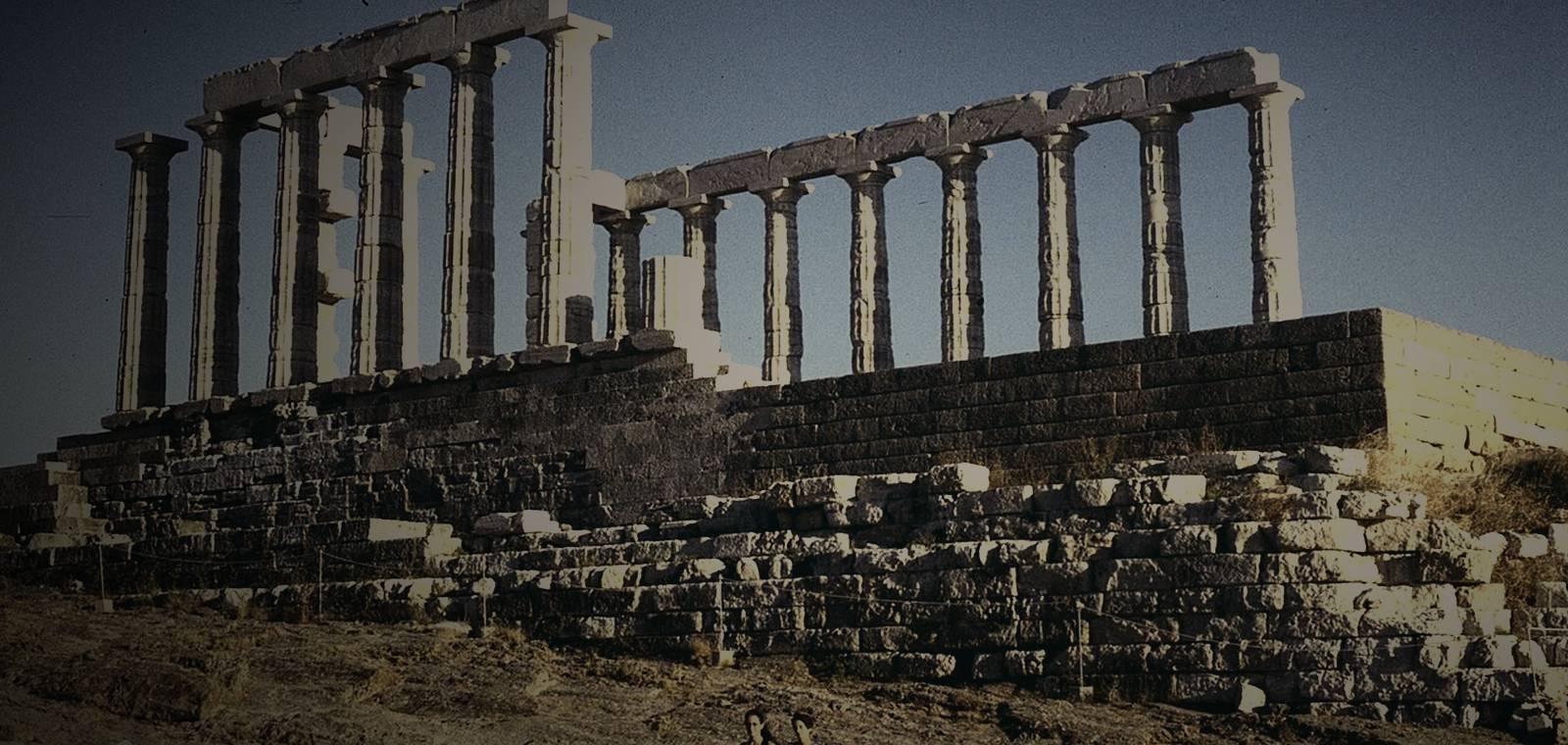
What is Ancient Greece known for?
Ancient Greece was never one country but a world of independent city-states, such as Athens, Sparta, Corinth and Thebes, that shared a language, gods and festivals. Greek settlers also founded cities around the Mediterranean and the Black Sea.
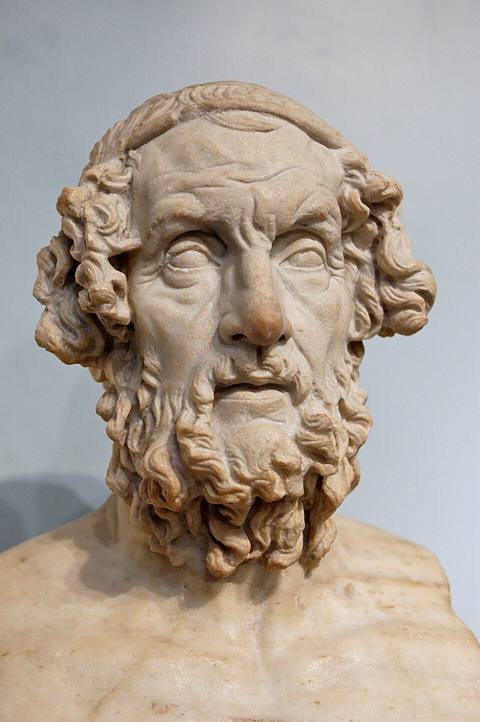
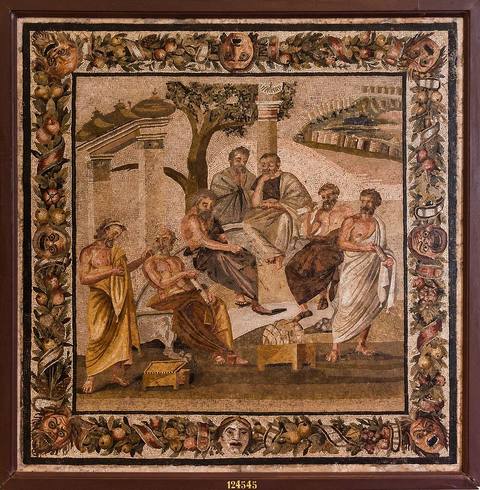
After the Bronze Age palace culture of the Mycenaeans fell around 1200 BCE, Greek writing returned in the eighth century BCE with an alphabet borrowed from the Phoenicians. Homer's epics and Hesiod's poems come from that time. The classical age of the fifth and fourth centuries BCE produced Athenian democracy, drama, history writing and philosophy.
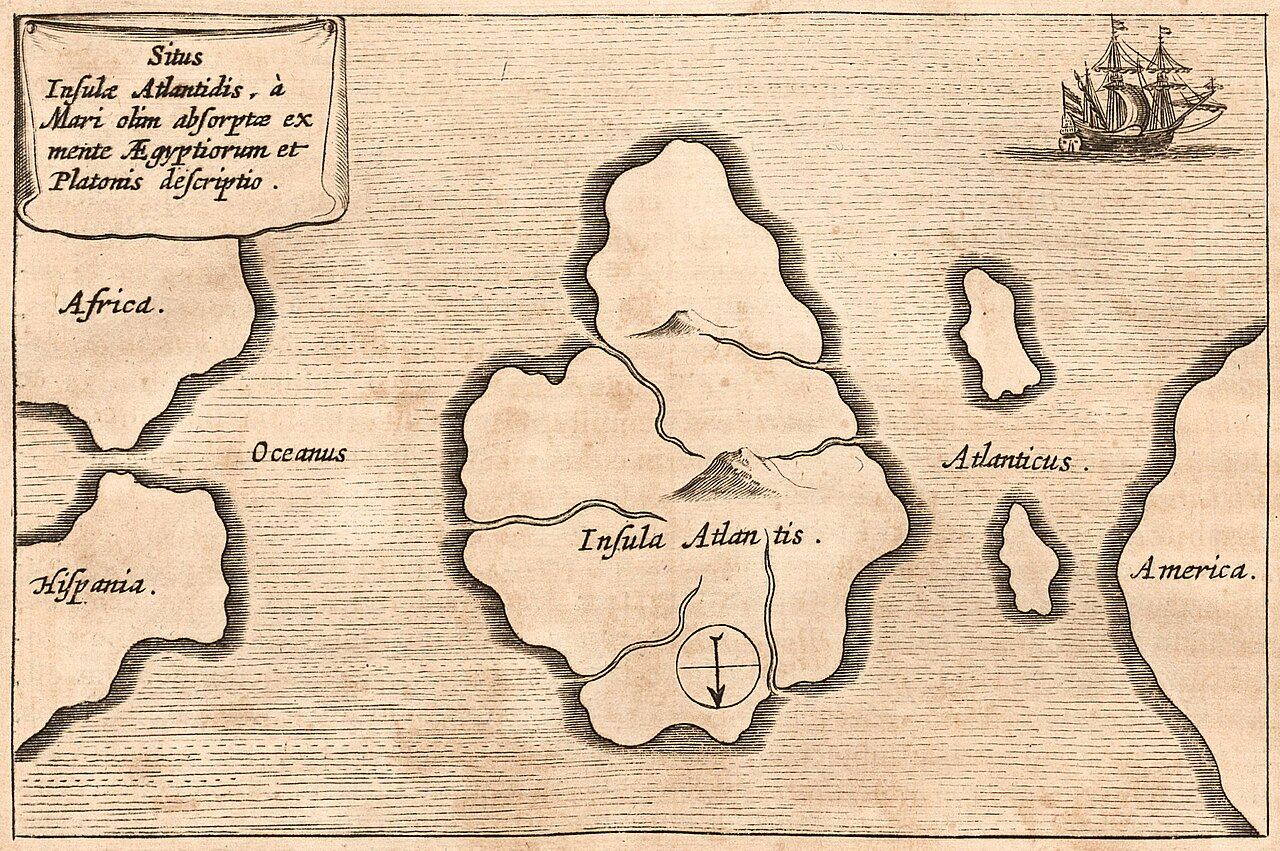
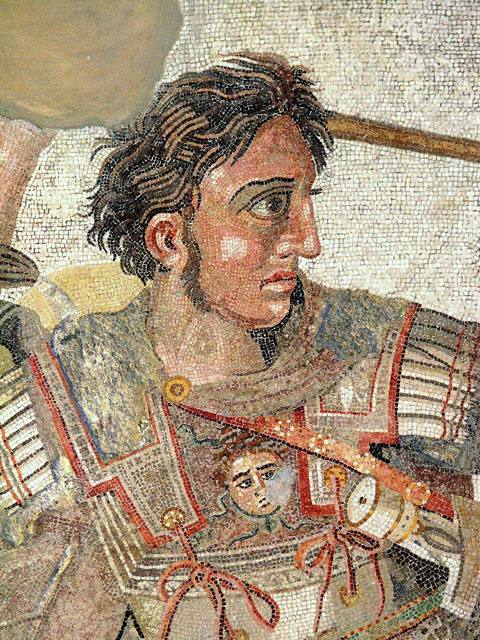
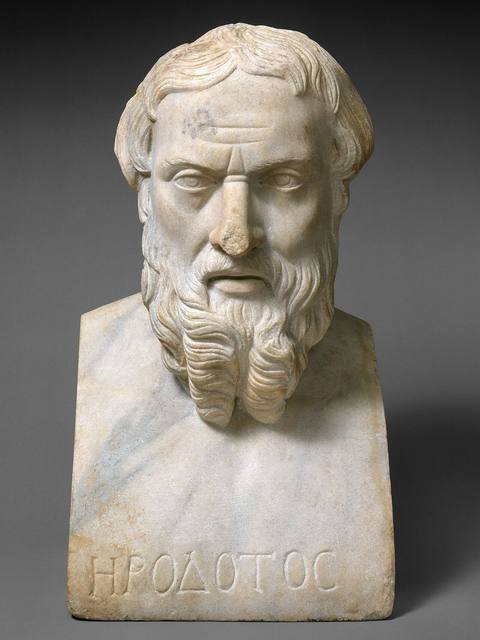
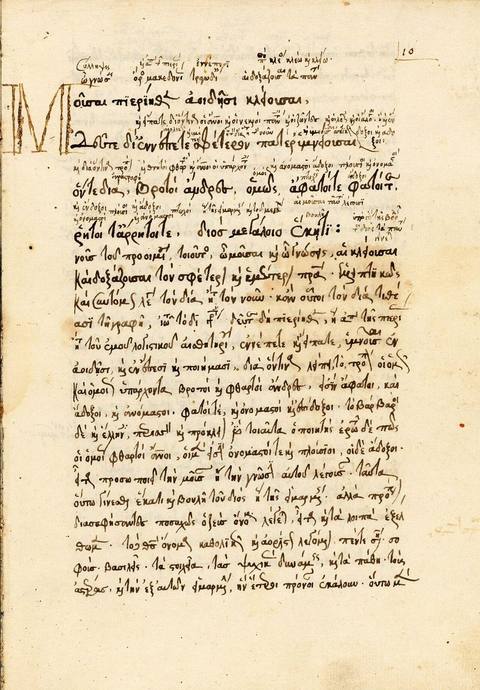
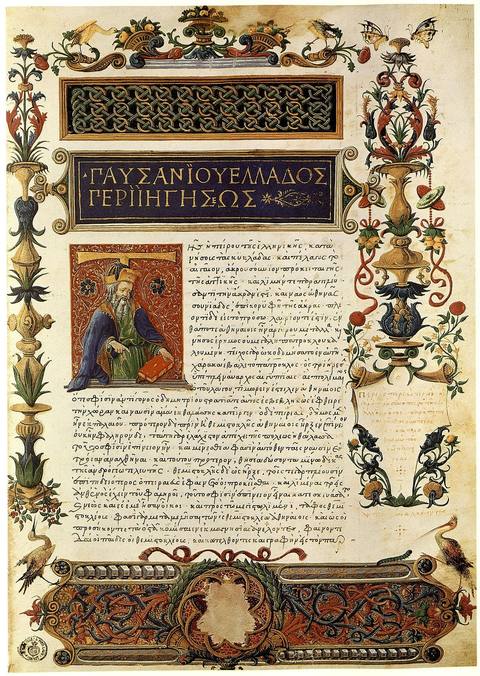
Alexander the Great spread Greek rule and culture east as far as India, and Rome conquered mainland Greece in 146 BCE. On this site, Greek writers are among the main sources: Plato for Atlantis, Hesiod for the ages of man, Herodotus and Pausanias for strange places and stories.
The home of Plato's Atlantis, Hesiod's ages of man, Mount Olympus and many of the site's oldest written sources.
Mentioned on these pages
- FileBronze Age collapse
- ChapterOne History 2: The war above
- ChapterOne History 8: The reset
- PersonPaul the Apostle
- PersonPausanias
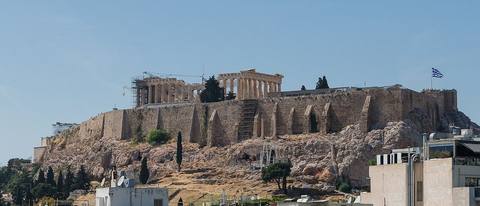
- PlaceAthens
- PlaceCrete
- PlaceMount Olympus
- PlacePylos (Palace of Nestor)
Linked people and places
Sources
- WikipediaA free online encyclopedia written and edited by volunteers. It is a good starting point and usually lists its own sources, but anyone can change it, so we treat it as a guide to better sources, not the final word.Wikipedia, 'Ancient Greece'Reference
- WikipediaWikipedia, 'Classical Greece'Reference
No public-domain picture of this place yet. We do not show drawn or generated likenesses.