












What is Isin known for?
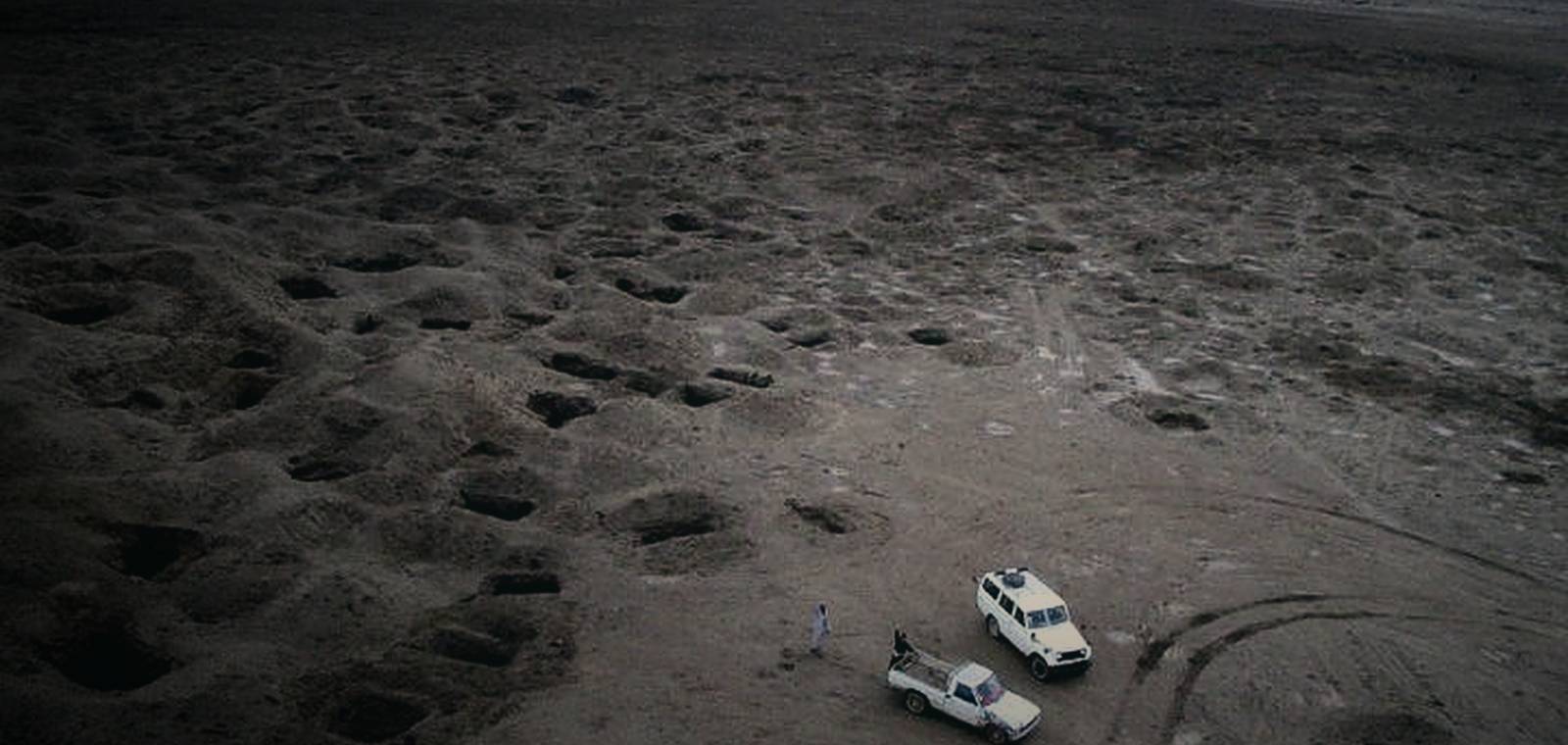
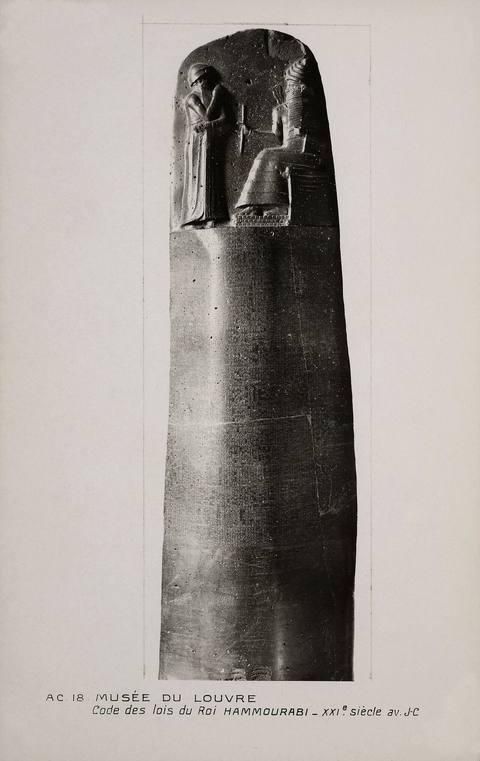
Isin was a city in southern Mesopotamia, now the mound of Ishan al-Bahriyat. Around 2017 BCE Ishbi-Erra, an official of the last Ur III king, set up an independent dynasty there. After Ur fell to the Elamites, the kings of Isin claimed to be its heirs and rulers of Sumer and Akkad. The fifth king, Lipit-Ishtar, issued laws in Sumerian more than a century before Hammurabi.
The city's goddess was Gula, a goddess of healing, and excavations found burials of dogs, her sacred animal. Isin lost its independence to Larsa around 1794 BCE, then revived under a second dynasty in the 12th and 11th centuries BCE.
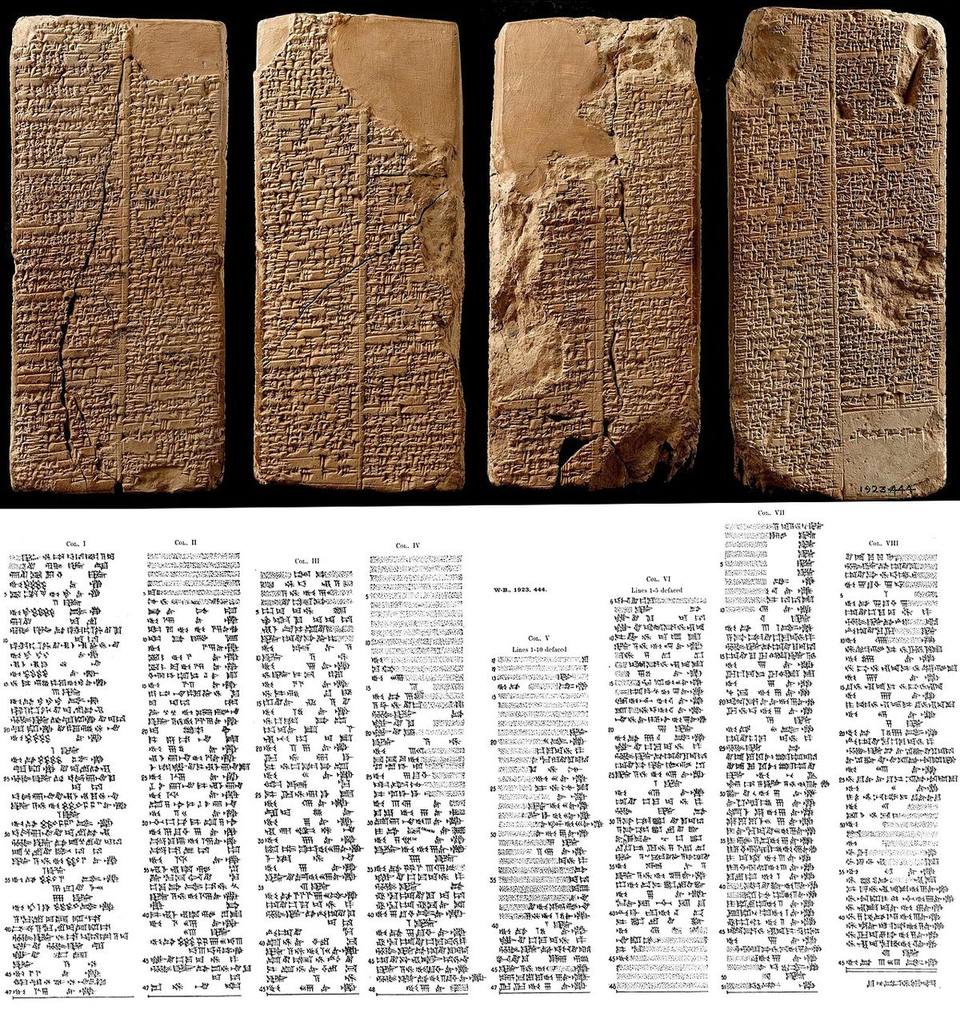
Many scholars think the Sumerian King List, with its single line of kingship passing from city to city, took its classic form under the Isin kings. Presenting one kingship at a time supported their claim that they, too, held the single right to rule.
Mentioned on these pages
Linked people and places
Where this comes from
Comes from ETCSL, 'The Sumerian king list' (t.2.1.1). A list of the kings of Sumer and their cities, starting with kings 'before the Flood' who are said to have reigned for tens of thousands of years. It was written down around 2000 to 1800 BC. The best copy, the Weld-Blundell Prism, is in the Ashmolean Museum, Oxford.
What this means
A real place with records. Sources are listed below.
For Isin, the original record exists and is linked: ETCSL, 'The Sumerian king list' (t.2.1.1). That tells you the record is real and what it says. It does not mean every claim in it is true.
Primary records exist: an original document, a published text, an official file or a dated report. We link to them. This level says the record exists and what it says, not that every claim in it is true.
Sources
- Encyclopaedia BritannicaAn encyclopedia first published in Scotland in 1768 and now online. Its articles are written and checked by named experts and editors, which makes it a reliable source for basic facts.Encyclopaedia Britannica, 'Isin'Reference Archived copy, 2026-05-18
- The Sumerian King ListA list of the kings of Sumer and their cities, starting with kings 'before the Flood' who are said to have reigned for tens of thousands of years. It was written down around 2000 to 1800 BC. The best copy, the Weld-Blundell Prism, is in the Ashmolean Museum, Oxford.ETCSL, 'The Sumerian king list' (t.2.1.1)Primary text Archived copy, 2026-09-19
- WikipediaA free online encyclopedia written and edited by volunteers. It is a good starting point and usually lists its own sources, but anyone can change it, so we treat it as a guide to better sources, not the final word.Wikipedia, 'Isin'Reference Archived copy, 2026-09-18