












What is Sumer known for?
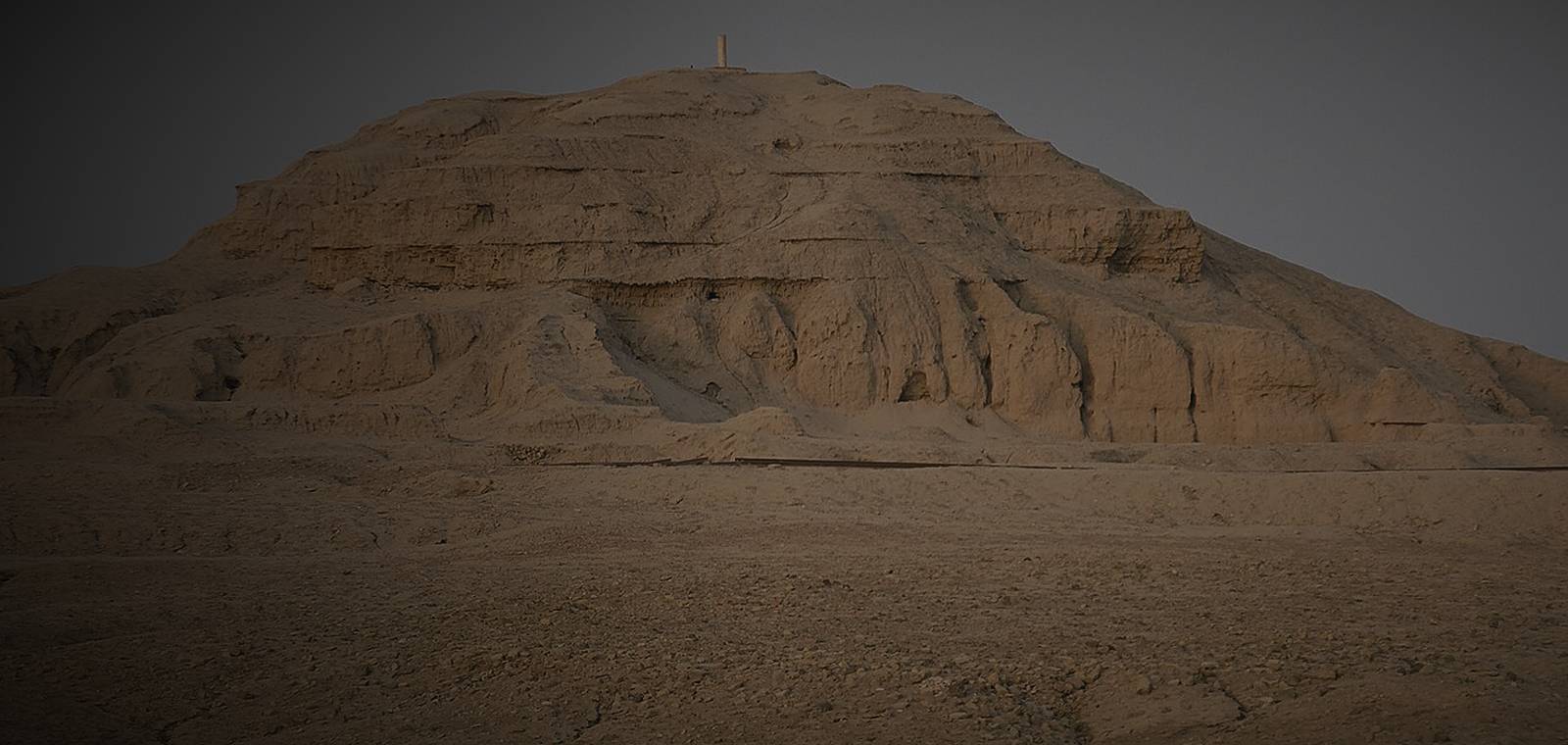
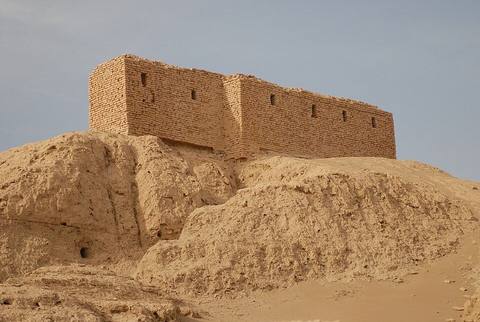
Sumer is the name scholars use for the southern part of Mesopotamia, in what is now southern Iraq, where Sumerian-speaking city-states grew up from the fifth millennium BCE. Its cities included Eridu, Uruk, Ur, Kish, Lagash and Nippur, each with its own patron god and temple.
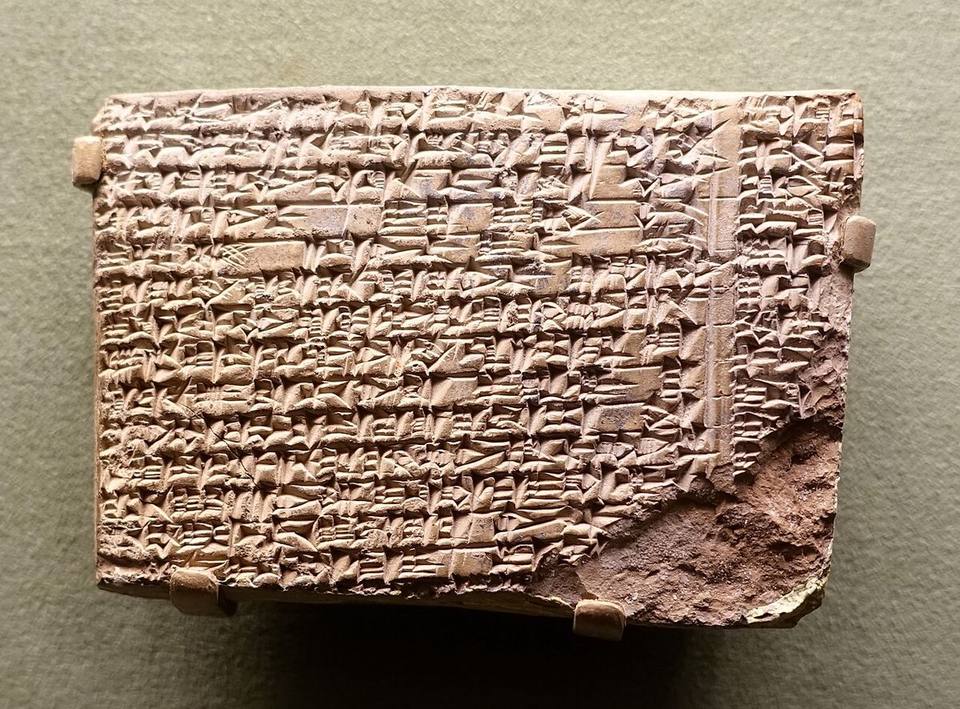
Writing in cuneiform developed at Uruk in the late fourth millennium BCE, first for accounts and later for hymns, laws and stories. Sumerian, which is not related to any known language, stayed in use as a written language of religion and learning long after people stopped speaking it.
On this site Sumer matters because its texts are the oldest written versions of stories that turn up later across the region: the Sumerian King List with its very long early reigns, the Anunnaki gods, and flood and creation stories that Babylonian writers later reworked.
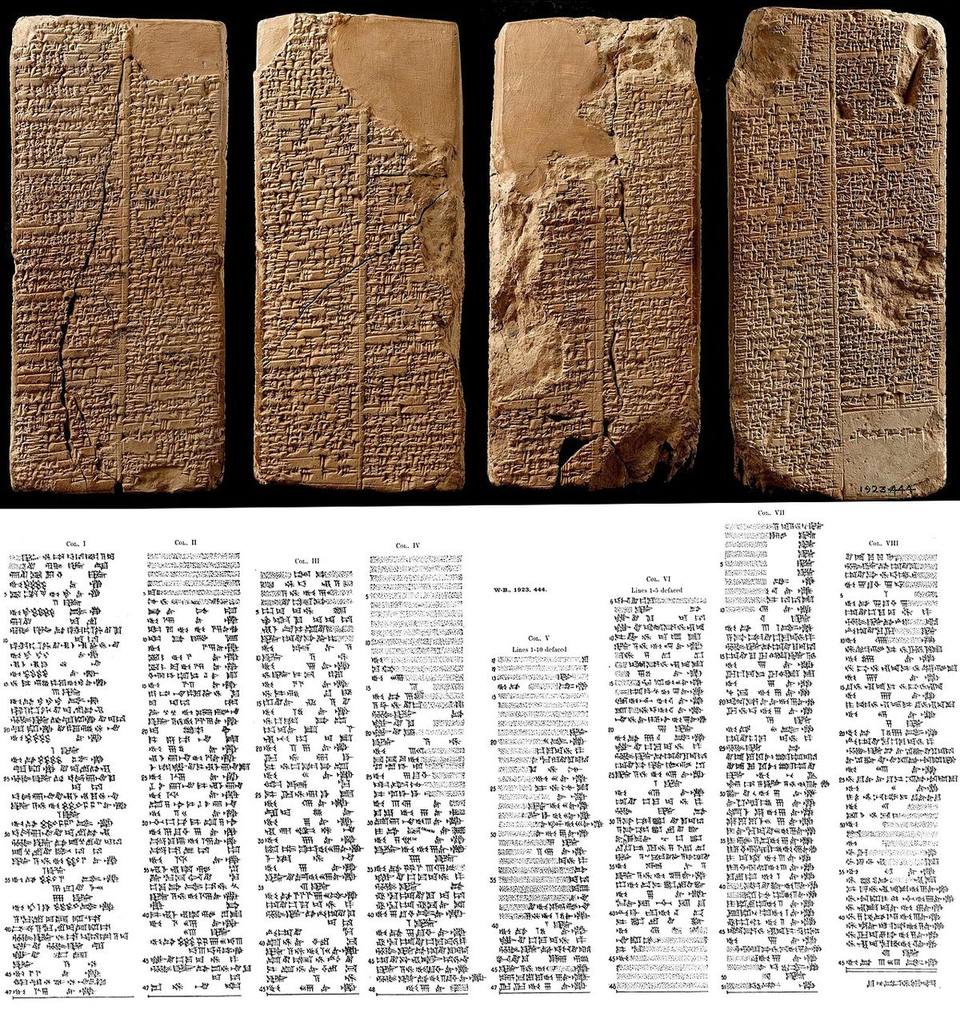
The Sumerian King List shows how Sumerian writers pictured early rule. In the translation at the Electronic Text Corpus of Sumerian Literature (ETCSL), kingship first descends from heaven to Eridug, and after eight kings in five cities the text says: "Then the flood swept over." Kingship then passes to Kish, where reigns begin at 1,200 years and fall to hundreds. Later the list gives Gilgamesh, lord of Kulaba, 126 years. Etana, who "ascended to heaven" and brought foreign lands under one rule, is given 1,500 years in one manuscript and 635 in another. ETCSL notes many such variants, so the numbers differ from copy to copy.
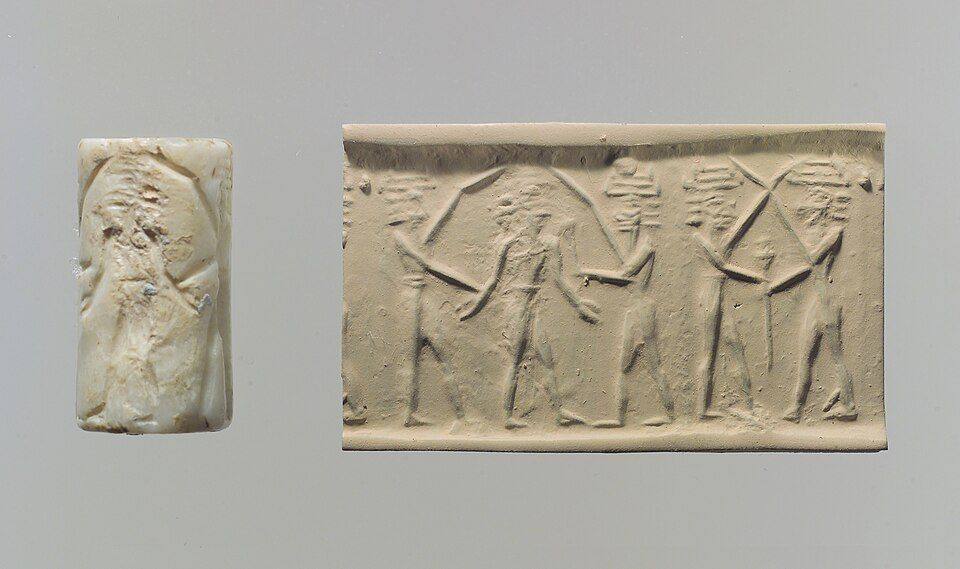
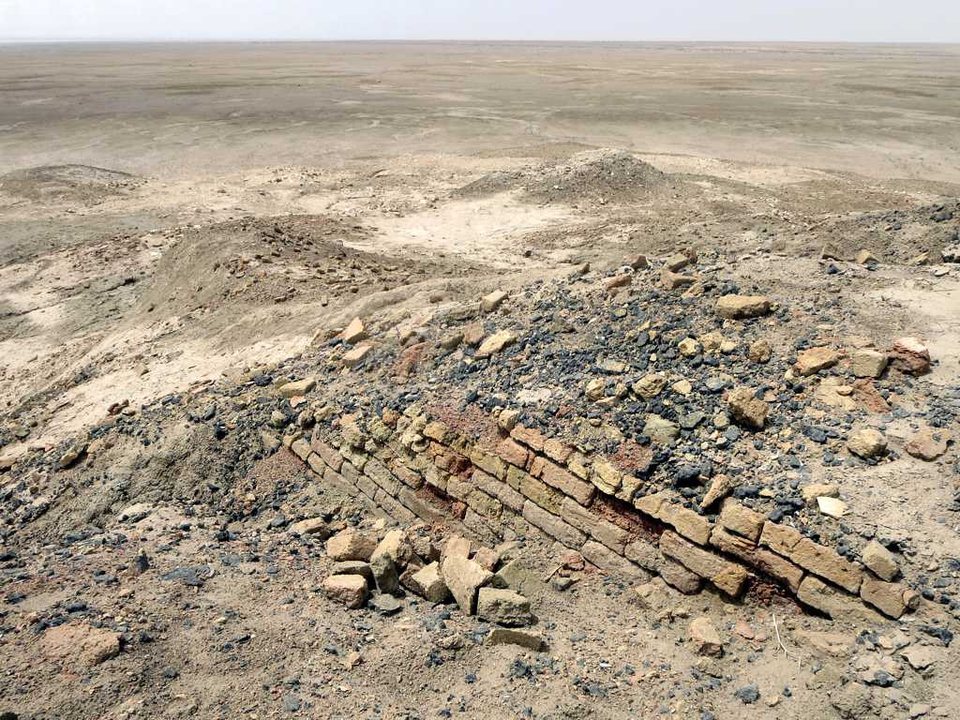
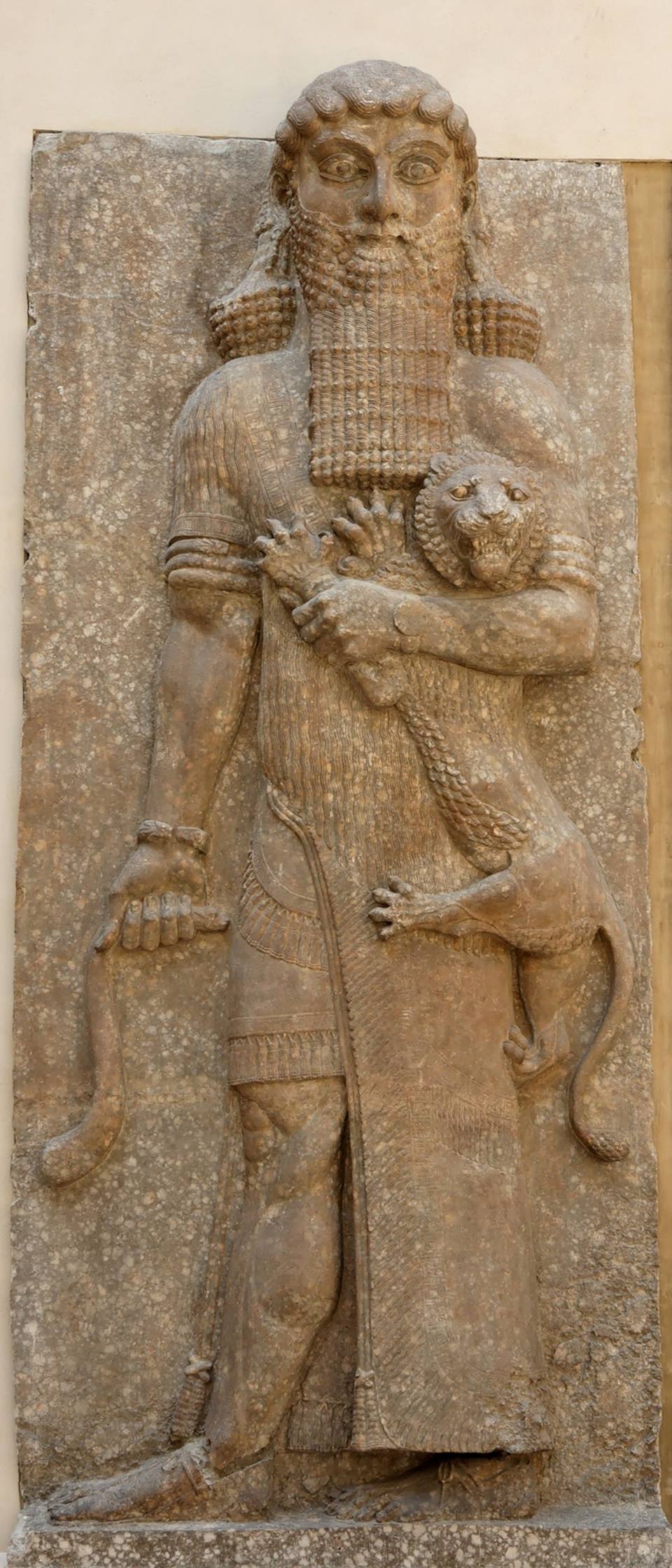
Britannica dates the first settlement of the south to about 4500 to 4000 BCE by the Ubaidians, named after the village of Al-Ubaid, and puts the arrival of the Sumerians about 3300 BCE, probably from near Anatolia. The Metropolitan Museum says that by about 3200 BCE Uruk was the largest settlement in southern Mesopotamia, if not the world. Its simple pictographs on clay tablets recorded goods and workers' rations and are described as precursors of cuneiform. By tradition a great wall was built on Gilgamesh's orders, and the Museum says he may have been a real king of Uruk around 2700 BCE.
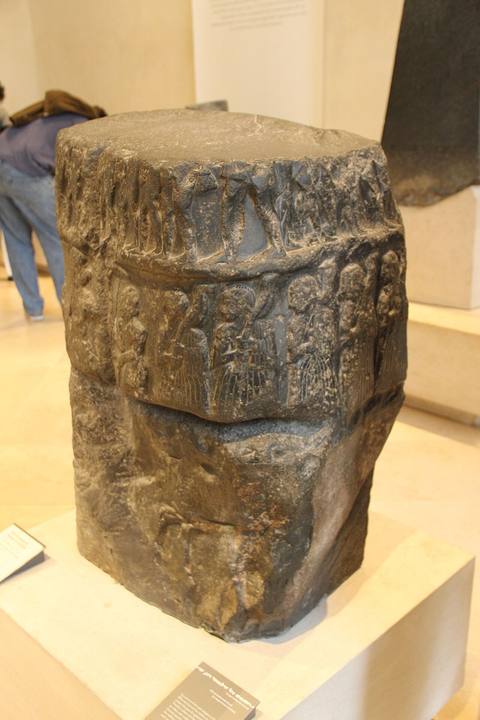
Sargon of Akkad, who ruled from 2334 to 2279 BCE according to Britannica, united the city-states, and after the invasions of the Gutians the Third Dynasty of Ur marked the last high point. Its first king, Ur-Nammu, issued the earliest law code yet found in Mesopotamia. The king list gives him 18 years and his son Shulgi 46. A Sumerian composition in ETCSL, The Death of Ur-Namma, calls him the "trustworthy shepherd". After 1900 BCE the Amorites conquered all of Mesopotamia and the Sumerians lost their separate identity.
Mentioned on these pages
- FileAnunnaki
- FileEnlil
- FileInanna
- FileShuruppak
- FileSumerian King List
- PersonEnheduanna
- PlaceAkkad (Agade)
- PlaceDilmun
- PlaceIsin
- PlaceNippur
- PlaceUr
Linked people and places
Where this comes from
Comes from ETCSL, 'The Sumerian king list' (t.2.1.1), Oxford University. A list of the kings of Sumer and their cities, starting with kings 'before the Flood' who are said to have reigned for tens of thousands of years. It was written down around 2000 to 1800 BC. The best copy, the Weld-Blundell Prism, is in the Ashmolean Museum, Oxford.
What this means
A real place with records. Sources are listed below.
For Sumer, the original record exists and is linked: ETCSL, 'The Sumerian king list' (t.2.1.1), Oxford University. That tells you the record is real and what it says. It does not mean every claim in it is true.
Primary records exist: an original document, a published text, an official file or a dated report. We link to them. This level says the record exists and what it says, not that every claim in it is true.
Sources
- Encyclopaedia BritannicaAn encyclopedia first published in Scotland in 1768 and now online. Its articles are written and checked by named experts and editors, which makes it a reliable source for basic facts.Encyclopaedia Britannica, 'Sumer'Reference
- The Metropolitan Museum of ArtThe Met's Heilbrunn Timeline and essays are written by museum curators and scholars. They summarize archaeology and art history from objects in the collection.The Metropolitan Museum of Art, Heilbrunn Timeline of Art History, 'Uruk: The First City'Reference
- The Sumerian King ListA list of the kings of Sumer and their cities, starting with kings 'before the Flood' who are said to have reigned for tens of thousands of years. It was written down around 2000 to 1800 BC. The best copy, the Weld-Blundell Prism, is in the Ashmolean Museum, Oxford.ETCSL, 'The Sumerian king list' (t.2.1.1), Oxford UniversityPrimary text Archived copy, 2026-09-19
- ETCSL (University of Oxford)The Electronic Text Corpus of Sumerian Literature, a University of Oxford project that put about 400 Sumerian poems and other texts online with English translations, built from 1997 to 2006. It is a standard scholarly source.ETCSL, 'The death of Ur-Namma (Ur-Namma A)' (t.2.4.1.1), Oxford UniversityPrimary text
No public-domain picture of this place yet. We do not show drawn or generated likenesses.