












Credible Theories Sign in

The record

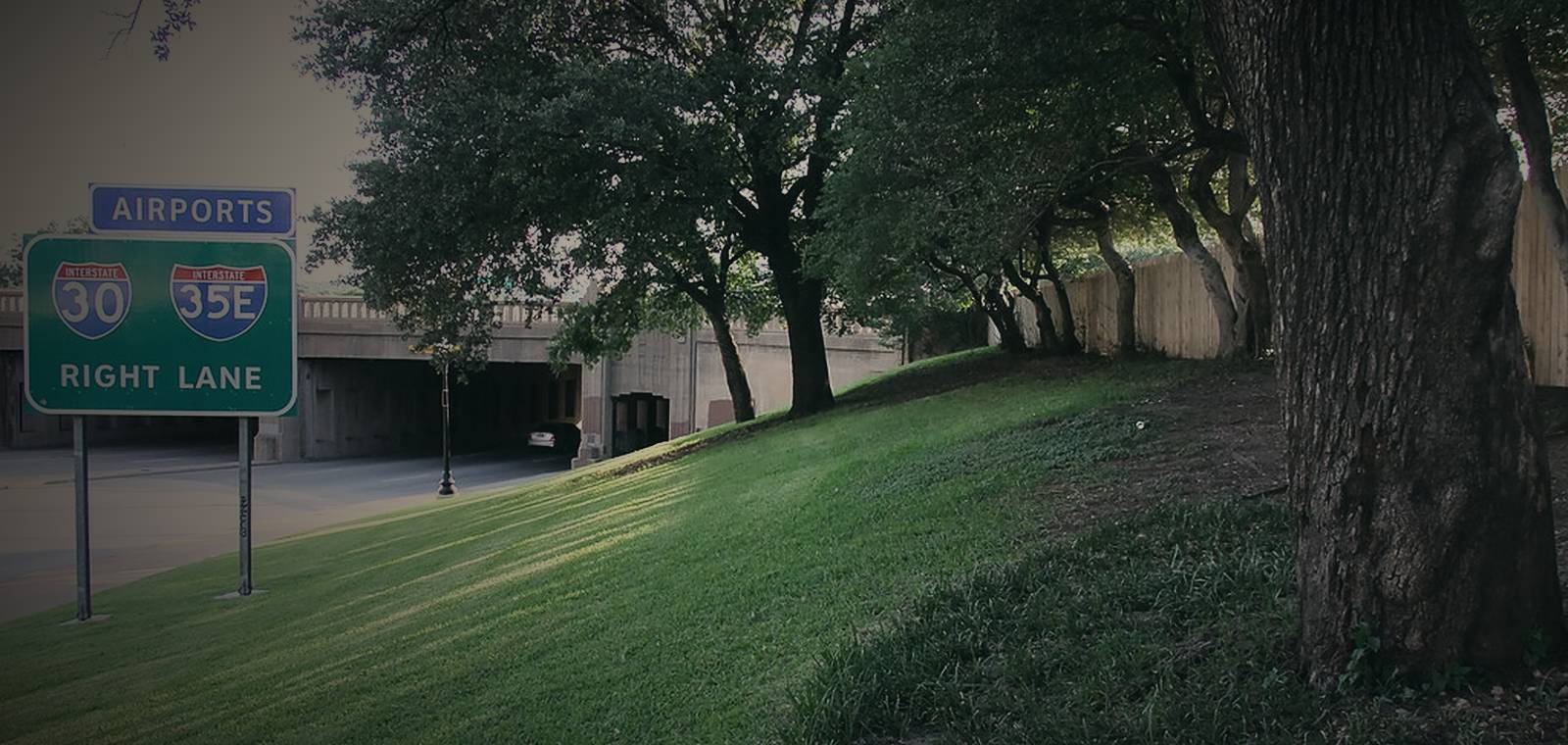
President John F. Kennedy was shot and killed in Dallas on November 22, 1963. In 1964 the Warren Commission concluded that Lee Harvey Oswald fired all the shots from the Texas School Book Depository, acting alone.

In the late 1970s, the House Select Committee on Assassinations reopened the case. Its key new evidence was a Dictabelt, a plastic recording belt from the Dallas police radio system. A police motorcycle's microphone was apparently stuck open during the motorcade, so the channel recorded several minutes of engine noise. Acoustic experts at the firm Bolt, Beranek and Newman found sound patterns they matched to gunfire, and two scientists from Queens College, Mark Weiss and Ernest Aschkenasy, said with 95 percent or better certainty that one shot came from the grassy knoll in front of the car.

In its 1979 report the committee concluded that Kennedy was probably assassinated as a result of a conspiracy, with a second gunman who missed. It did not name anyone else involved. It is the only official US finding that there was probably more than one shooter.

The Justice Department asked the National Academy of Sciences to check the acoustic work. Its panel, led by physicist Norman Ramsey, reported in 1982 that the sounds were not gunshots from the motorcade. A key clue came from an amateur, Steve Barber, who heard faint cross-talk on the recording, hold everything secure, that was spoken about a minute after the shooting. In 2001 a government scientist, Donald Thomas, published a paper defending the gunshot reading, and in 2005 a team including members of the original panel answered in the same journal that the timing still did not fit.
Questions people ask about The JFK police recording and the 'probable conspiracy' finding

Whose microphone made the Dallas police recording?

The committee traced it to the motorcycle of Officer H. B. McLain on police Channel 1, the routine channel. McLain agreed his microphone often stuck open, but he denied that the recording came from his bike. He said the engine heard on the tape sounded like a three-wheeled motorcycle, not the two-wheeler he was riding in the motorcade.

Did every committee member agree with the conspiracy finding?

No. Four of the twelve House committee members dissented from the conclusion that rested on the acoustic work, including Samuel Devine, Robert Edgar and Harold Sawyer, and another member said more acoustic study was needed. Even the first firm hired, Bolt, Beranek and Newman, had put the odds of a grassy knoll shot at only about 50 percent.

Has anyone tested the Dictabelt since the 1980s?

Yes. In 2003 ABC News used reconstructions by Dale Myers and concluded the sounds could not have come from Dealey Plaza. Physicists Carl Haber and Vitaliy Fadeyev later made a digital copy without running a stylus over the worn, cracked belt. Thomas had claimed 96.3 percent certainty for gunshots, and a 2013 study led by Larry Sabato found no gunfire on the recording.

The open question

Still strange: Congress said JFK was probably killed by a conspiracy.

It is the only official US finding of a likely second gunman. Three years later, scientists showed the sounds were recorded about a minute after the shots.

9/11 and the questions about Building 7 →
  1. Step 1 of 2 · This fileThe JFK police recording and the 'probable conspiracy' finding
  2. Step 2 of 2 · Next file9/11 and the questions about Building 7
About these videos

Found by a YouTube search for this topic, not checked by us. The player loads from YouTube only when you press play.

Where this comes from

EvidenceSpeculation

Comes from Report of the Select Committee on Assassinations, US House of Representatives (1979)…. US National Archives: The National Archives and Records Administration, the US government agency that keeps the nation's official records, such as Project Blue Book's UFO files.

What this means

The 1979 'probable conspiracy' finding is real. The acoustic evidence behind it was rejected by the National Academy of Sciences in 1982.

For The JFK police recording and the 'probable conspiracy' finding, the idea goes beyond what the evidence shows. We cover it because people ask about it. The main problem: The National Academy panel found the key sounds came about a minute after the shots, and the motorcycle whose microphone was stuck was likely not in Dealey Plaza at all.

An idea or reading that goes beyond what the evidence shows. We include it because people ask about it, and we mark it so it never gets mixed in with the record.

See all five labels

Sources

  1. US National ArchivesThe National Archives and Records Administration, the US government agency that keeps the nation's official records, such as Project Blue Book's UFO files.Report of the Select Committee on Assassinations, US House of Representatives (1979), National ArchivesPrimary text
  2. The National AcademiesThe National Academies of Sciences, Engineering, and Medicine give the US government independent expert reports. Their panels are made up of outside scientists, and their reports are checked by other experts before release.Report of the Committee on Ballistic Acoustics, National Research Council (1982)Primary text
  3. WikipediaA free online encyclopedia written and edited by volunteers. It is a good starting point and usually lists its own sources, but anyone can change it, so we treat it as a guide to better sources, not the final word.Dictabelt evidence relating to the assassination of John F. Kennedy, WikipediaReference

Quotations come from public-domain translations. A book in our Library links to its Library page; other links open the free online copy or the reference page.

Updated

Credible or not?

Tap one to see how other readers voted.

Discussion