












Ancient Fragments of the Phoenician, Chaldaean, Egyptian, Tyrian, Carthaginian, Indian, Persian, and Other Writers
Scraps of lost ancient histories, saved only because later writers quoted them. This collection includes Berossus on Babylon and Manetho on Egypt, in 1832 English.
Public domain copy
Read Ancient Fragments of the Phoenician, Chaldaean, Egyptian, Tyrian, Carthaginian, Indian, Persian, and Other Writers online
GIFT OF HORACE W. CARPENTIER
es
SAE IRIE A BE SE ESET OM ELE RCE,
a “<a ean — aS Sl a ve X tN 3 SA 4 ¥ x Py. 3 Y aN SS
= a — Pamir Sees
jaca
Fw ny)
> Co
pica
Se eae a
Y > * - 4
< aS NSS : eS A Si PEAS * = a \ S a . ie AS ~— 3 SX = Z i¢ % *, — Fy / eS . = airs at ~ ee d
| ci Ah Bh ¢ a ay ce | { 4 a | EX LI BRI § i at ‘ } i.
3 es \, 3 ; a PNeese at 8) Ome =
a aoe cae 2 hs
7 :
- -—
2 hot 7] , ee Py } . 3 © tpictized by the Internet Ba cite
in 2007 with funding from 4 * Microsoft Corporation ee) oe
re
ils ancientfragm entsO0coryrich | *
ee
ae ape a
ANCIENT FRAGMENTS OF THE
PHCENICIAN, CHALDEAN, EGYPTIAN, TYRIAN, CARTHAGINIAN, INDIAN, PERSIAN, AND OTHER WRITERS;
WITH AN INTRODUCTORY DISSERTATION : AND AN INQUIRY INTO THE
PHILOSOPHY AND TRINITY OF THE ANCIENTS,
BY ISAAC PRESTON CORY, ESQ.
FELLOW OF CAIUS COLL. CAMBRIDGE,
SECOND EDITION.
LONDON: WILLIAM PICKERING. 1832.
yotls Pe ? . Bt doe
eey
18
THE
> ris ace
. al
AAEA®HI ®IATATHI AAEA®OC XPHCTH XAIPE
XAIPEIC TAP EN XPICTQI
620824
Read the story behind it
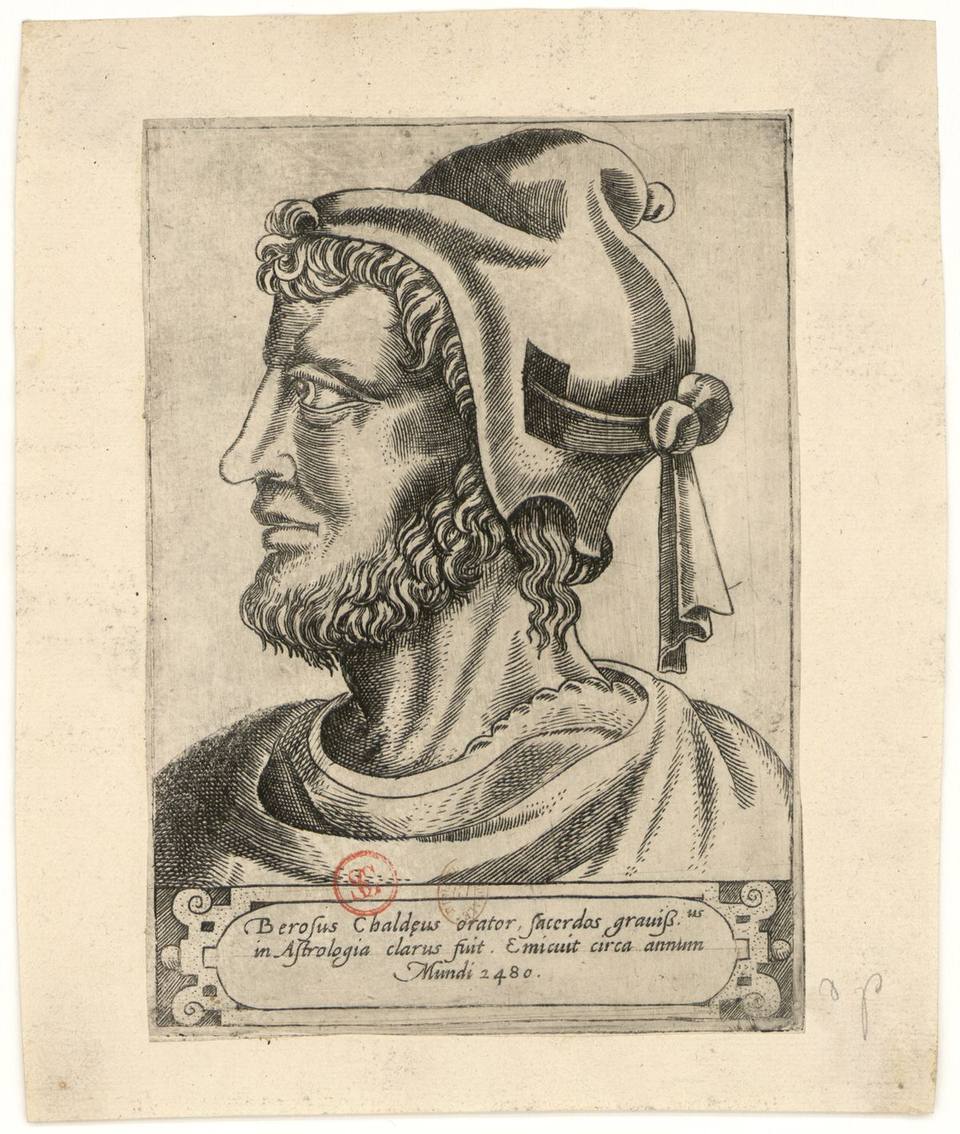 PersonBerossusDocumentedBefore the Flood, ten kings ruled for 432,000 years, according to a Babylonian priest who wrote in Greek around 290 BCE. His flood hero was also ordered to bury written records of all things at Sippar and dig them up afterward; the book itself is lost. So how do we know any of this?
 PersonManethoDocumentedEvery Egyptology textbook divides the pharaohs into thirty dynasties, and that scheme comes from a book nobody has read in full for well over a thousand years. Manetho, an Egyptian priest writing in Greek around 280 BCE, began with ages of gods and demigods. How do scholars rebuild a lost book from scraps?
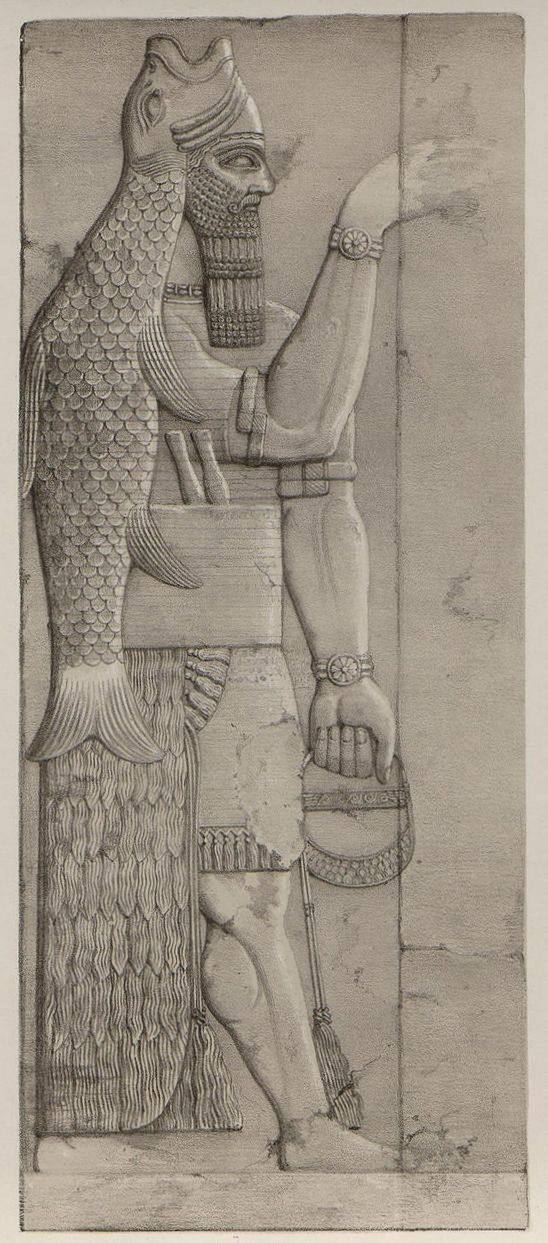 BeingOannesMyth or legendAccording to the priest Berossus, a creature with a fish's body and a second, human head under the fish's head rose from the sea in the first year of the world. It taught writing and law by day, ate nothing among people, and slept in the sea each night; Berossus survives only secondhand. What else was quoted?
The same story, told elsewhere
Shared story · Heroes and trials
A Child Offered Up: Abraham, Jephthah, Agamemnon and Harishchandra
A father is told, or promises, that he must give up his own child. Sometimes an animal is found in time and sometimes no one stops the knife, and the story is told in the Bible, the Quran, Greece, India and Viking-age Sweden.
Philo of Byblos, Phoenician History (Sanchuniathon), on Cronus and his only son is one telling. The same story is told 8 more times, in 4 parts of the world. Follow it:
- Hebrew Bible (about Moab)Kir-hareseth, Moab · c. 850 BCE · Ancient text
- Vedic IndiaNorthern India · c. 800-600 BCE · Ancient text
- Hebrew BibleGilead, east of the Jordan · c. 7th-6th century BCE · Ancient text
- Hebrew BibleJudah / Israel · 1st millennium BCE · Ancient text
- GreekAthens, Greece · 458 BCE · Ancient text
- Phoenician (in Greek)Byblos, Lebanon · c. 100 CE · Ancient textTied to this page
- IslamArabia · 7th century CE · Medieval text
- Norse (Swedish legend)Uppsala, Sweden · c. 1225 CE · Medieval text
- French (Greek legend)France · 1699 · Recorded folklore
The open question: Do these stories remember a time when people really gave up their children, or were they told to teach that it must never happen? Join the debate
Where this comes from
Comes from Cory's Ancient Fragments, the copy of Ancient Fragments of the Phoenician, Chaldaean, Egyptian, Tyrian, Carthaginian, Indian, Persian, and Other Writers we host here, by Isaac Preston Cory (editor/translator). Isaac Preston Cory's collection of ancient fragments including Berossus and Manetho in English translation, with introductory dissertation, published by William Pickering, London, 1832.
What this means
A primary record or a faithful public-domain copy of one. This page says what the file is and where it comes from; it does not say every claim in it is true.
Primary records exist: an original document, a published text, an official file or a dated report. We link to them. This level says the record exists and what it says, not that every claim in it is true.
Where and when was it found?
- Written
- The main fragments come from lost books such as Berossus's History of Babylonia, written about 290 to 278 BCE; Cory gathered them into one book in 1826 (revised 1832)
- Where it was found
- The original books are lost. Their words survive only as quotations in later writers, mostly Eusebius of Caesarea (4th century CE), whose Chronicle is itself known from Jerome's Latin version and an Armenian translation
- When it was found
- Never rediscovered as whole books; scholars rebuilt them from quotations. Isaac Preston Cory published his collection in 1826 and a revised edition in 1832
- Original language
- Greek (Berossus wrote in Greek); many fragments reach us through Latin and Armenian translations
About this copy
This is a public-domain copy. The line below says where the file comes from and why we may host it.
Why we can share it: Internet Archive metadata: possible-copyright-status NOT_IN_COPYRIGHT, copyright-region US. Published 1832; Cory died 1842.
Updated