













What is Isaac Preston Cory known for?
Isaac Preston Cory was an English barrister and antiquarian. He studied at Caius College, Cambridge, where he became a Fellow, and was a keen book collector. He died young, in 1842.
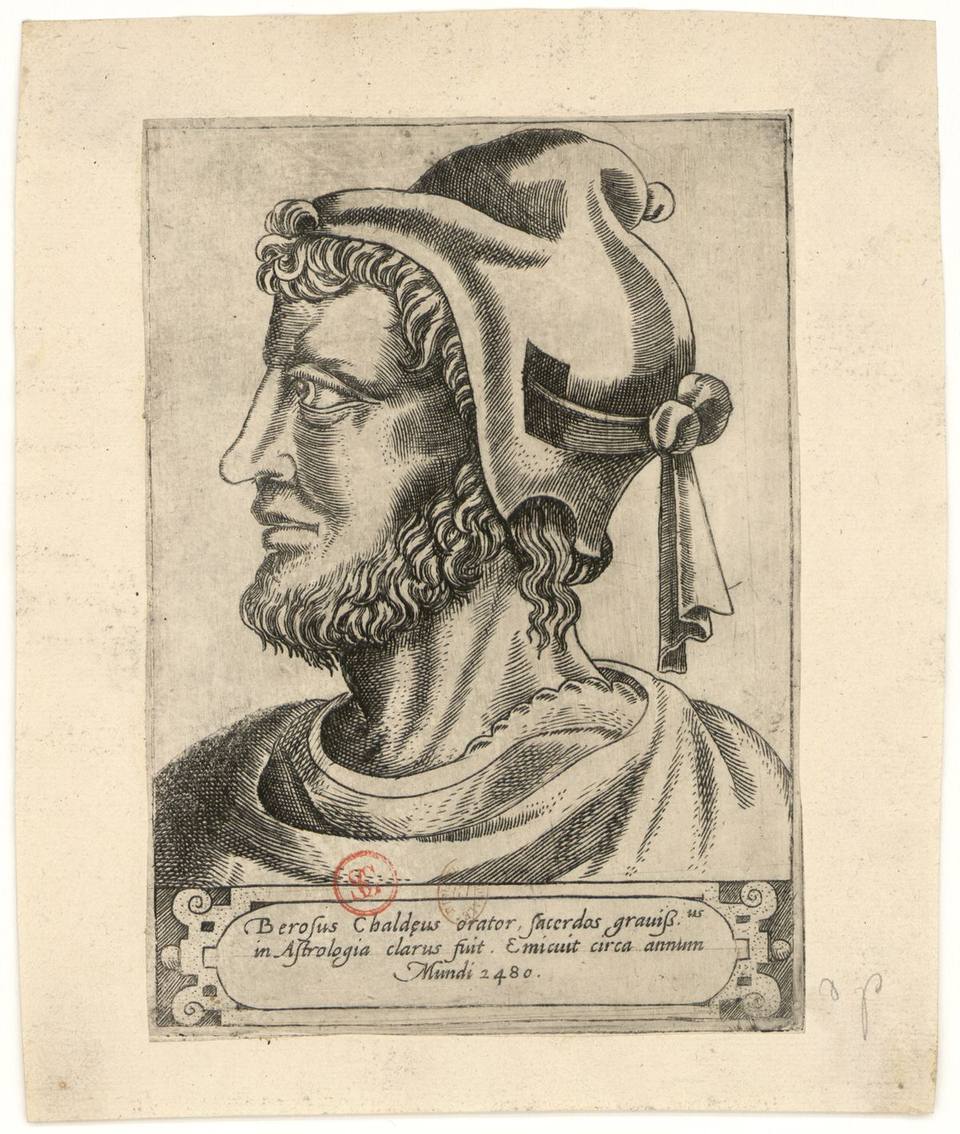
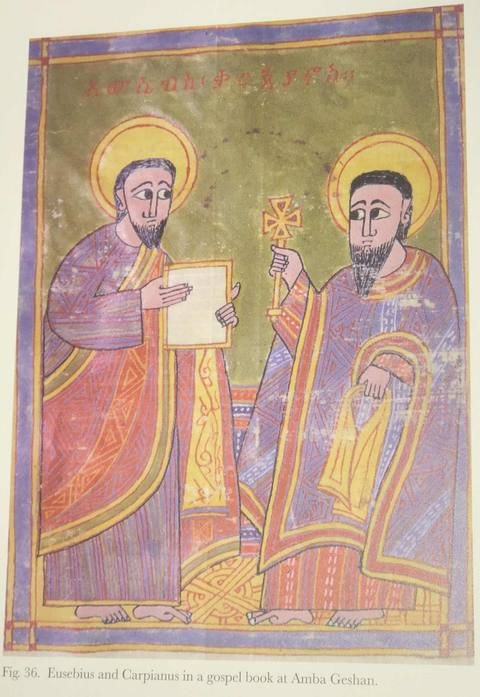
His best-known work, Ancient Fragments, first appeared in 1826 and in a revised edition in 1832. It gathered in English the surviving quotations from lost ancient historians, especially the Babylonian priest Berossus, the Egyptian priest Manetho and the Phoenician writer Sanchuniathon, as they were preserved by later Greek and Christian authors such as Eusebius and George Syncellus. His friendship with the Neoplatonist Thomas Taylor helped him obtain further material.
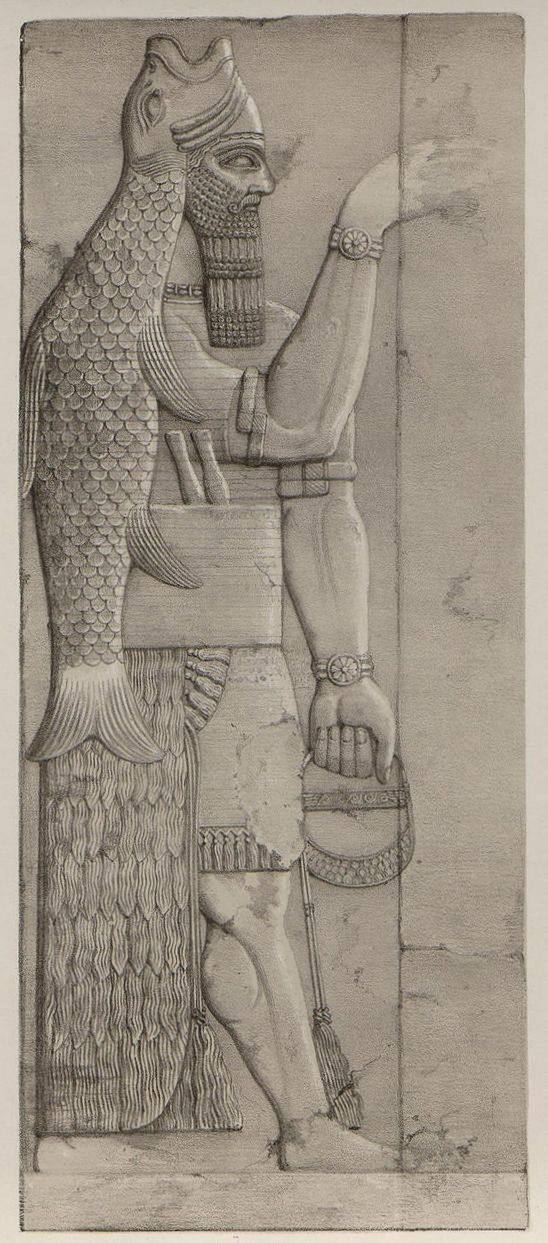
Ancient Fragments was for a long time the easiest way for English readers to meet Berossus's Oannes, the fish-bodied being who taught civilisation, or Berossus's version of the Flood. Modern scholars use newer editions, but Cory's is public domain and widely quoted.
Titles and honors
- Offices held
- Fellow of Caius College, Cambridge
The same story, told elsewhere
Shared story · Floods and lost lands
Flood Stories Around the World
A god warns one good man, a boat is built, the world drowns and birds are sent out to find land. The same story turns up from Iraq to India to Greece, with cousins in China, Scandinavia and Guatemala.
Berossus, Babyloniaca (Xisuthrus), via Alexander Polyhistor is one telling. The same story is told 9 more times, in 6 parts of the world. Follow it:
- Vedic IndiaNorthern India · c. 800-600 BCE · Ancient text
- Babylonian (Akkadian)Mesopotamia · 7th century BCE · Ancient text
- Hebrew BibleJudah / Babylon · c. 600-400 BCE · Ancient text
- ChineseYellow River valley, China · 1st millennium BCE · Ancient text
- Zoroastrian (Persian)Iran / Central Asia · 1st millennium BCE · Ancient text
- Babylonian, retold in GreekBabylon · c. 280 BCE · Ancient textTied to this page
- GreekGreece · 1st or 2nd century CE · Ancient text
- IslamArabia · 7th century CE · Medieval text
- NorseIceland · c. 1220 CE · Medieval text
- K'iche' MayaHighland Guatemala · c. 1554-1558 · Retold in English
The open question: One real flood remembered by many peoples, or many different floods that each people told in its own way? Join the debate
Shared story · Beginnings
Creation from the Primeval Waters and the Cosmic Egg
Before anything existed there was dark water. Or an egg. Babylon, Genesis, the Rig Veda, Egypt, Finland and the Quran all start the world in almost the same place.
Berossus, Babyloniaca (the speech of Oannes) is one telling. The same story is told 9 more times, in 5 parts of the world. Follow it:
- BabylonianBabylon, Mesopotamia · c. 1700-1100 BCE · Ancient text
- Vedic IndiaNorthwest India · c. 1200-1000 BCE · Ancient text
- GreekBoeotia, Greece · c. 700 BCE · Ancient text
- Hebrew BibleJudah / Babylon · c. 600-400 BCE · Ancient text
- EgyptianThebes, Egypt · c. 310 BCE · Ancient text
- Babylonian, retold in GreekBabylon · c. 280 BCE · Ancient textTied to this page
- Hindu law codeIndia · c. 200 BCE · Ancient text
- IslamArabia · 7th century CE · Medieval text
- NorseIceland · c. 1000 CE · Medieval text
- FinnishFinland and Karelia · 1820 · Recorded folklore
The open question: Why would people who never met all start the world in dark water? A shared idea, or the most natural guess anyone would make? Join the debate
Shared story · Beginnings
Beings Who Taught Humanity the Arts
Fallen angels taught metalwork and makeup, a fish-man from the sea taught writing and law, Prometheus gave fire and numbers, and Thoth invented letters. Many cultures say civilization was a gift from outside.
Berossus, Babyloniaca (Oannes) is one telling. The same story is told 6 more times, in 4 parts of the world. Follow it:
- GreekAthens · c. 460-430 BCE · Ancient text
- Greek, about EgyptAthens, telling an Egyptian story · c. 370 BCE · Ancient text
- ChineseChina · c. 4th to 3rd century BCE · Ancient text
- Jewish apocalyptic (Second Temple)Judea · c. 300-200 BCE · Ancient text
- Babylonian, retold in GreekBabylon · c. 280 BCE · Ancient textTied to this page
- Jewish (Second Temple)Judea · c. 160-150 BCE · Ancient text
- IslamArabia · 7th century CE · Medieval text
The open question: Did people credit outsiders for their own inventions, or is there a reason so many say they were taught? Join the debate
Shared story · Floods and lost lands
Towers to Heaven
Babel is the famous one, but Babylonians, Greeks, the Quran, Mexico, China and the Zambezi all tell of people trying to build or climb their way up to the gods, and failing.
Fragment 'Of the Tower of Babel', preserved by Eusebius is one telling. The same story is told 7 more times, in 5 parts of the world. Follow it:
- GreekIonia / Greece · c. 8th to 7th century BCE · Ancient text
- Hebrew BibleBabylon · c. 600-400 BCE · Ancient text
- ChineseChina · 1st millennium BCE · Ancient text
- Jewish (Second Temple)Judea · c. 160-150 BCE · Ancient text
- Babylonian / Greek (Abydenus, after Berossus)Babylon · c. 2nd century CE · Ancient textTied to this page
- IslamArabia · 7th century CE · Medieval text
- Aztec / Nahua (Cholula)Cholula, central Mexico · c. 1566 · Recorded folklore
- Lozi (A-Louyi), Upper ZambeziUpper Zambezi · 1901 · Recorded folklore
The open question: Is the tower story about one real building, about pride, or about why people speak different languages? Join the debate
Shared story · Heroes and trials
A Child Offered Up: Abraham, Jephthah, Agamemnon and Harishchandra
A father is told, or promises, that he must give up his own child. Sometimes an animal is found in time and sometimes no one stops the knife, and the story is told in the Bible, the Quran, Greece, India and Viking-age Sweden.
Philo of Byblos, Phoenician History (Sanchuniathon), on Cronus and his only son is one telling. The same story is told 8 more times, in 4 parts of the world. Follow it:
- Hebrew Bible (about Moab)Kir-hareseth, Moab · c. 850 BCE · Ancient text
- Vedic IndiaNorthern India · c. 800-600 BCE · Ancient text
- Hebrew BibleGilead, east of the Jordan · c. 7th-6th century BCE · Ancient text
- Hebrew BibleJudah / Israel · 1st millennium BCE · Ancient text
- GreekAthens, Greece · 458 BCE · Ancient text
- Phoenician (in Greek)Byblos, Lebanon · c. 100 CE · Ancient textTied to this page
- IslamArabia · 7th century CE · Medieval text
- Norse (Swedish legend)Uppsala, Sweden · c. 1225 CE · Medieval text
- French (Greek legend)France · 1699 · Recorded folklore
The open question: Do these stories remember a time when people really gave up their children, or were they told to teach that it must never happen? Join the debate
Linked people and places
Where this comes from
Comes from Internet Sacred Text Archive, Cory's 'Ancient Fragments' (1832). Cory's Ancient Fragments: A book by I. P. Cory, first published in 1826 and revised in 1832, that gathers quotations from lost ancient histories, such as those of Berossus of Babylon and Manetho of Egypt. The original books are gone; these quotes survive mainly through later Christian writers.
What this means
A real person with records. Sources are listed below.
For Isaac Preston Cory, the original record exists and is linked: Internet Sacred Text Archive, Cory's 'Ancient Fragments' (1832). That tells you the record is real and what it says. It does not mean every claim in it is true.
Primary records exist: an original document, a published text, an official file or a dated report. We link to them. This level says the record exists and what it says, not that every claim in it is true.
Sources
- WikipediaA free online encyclopedia written and edited by volunteers. It is a good starting point and usually lists its own sources, but anyone can change it, so we treat it as a guide to better sources, not the final word.Wikipedia, 'Isaac Preston Cory'Reference Archived copy, 2026-10-03
- Cory's Ancient FragmentsA book by I. P. Cory, first published in 1826 and revised in 1832, that gathers quotations from lost ancient histories, such as those of Berossus of Babylon and Manetho of Egypt. The original books are gone; these quotes survive mainly through later Christian writers.Internet Sacred Text Archive, Cory's 'Ancient Fragments' (1832) Online copyPrimary text Archived copy, 2026-10-03
No public-domain picture of this person yet. We do not show drawn or generated likenesses.