












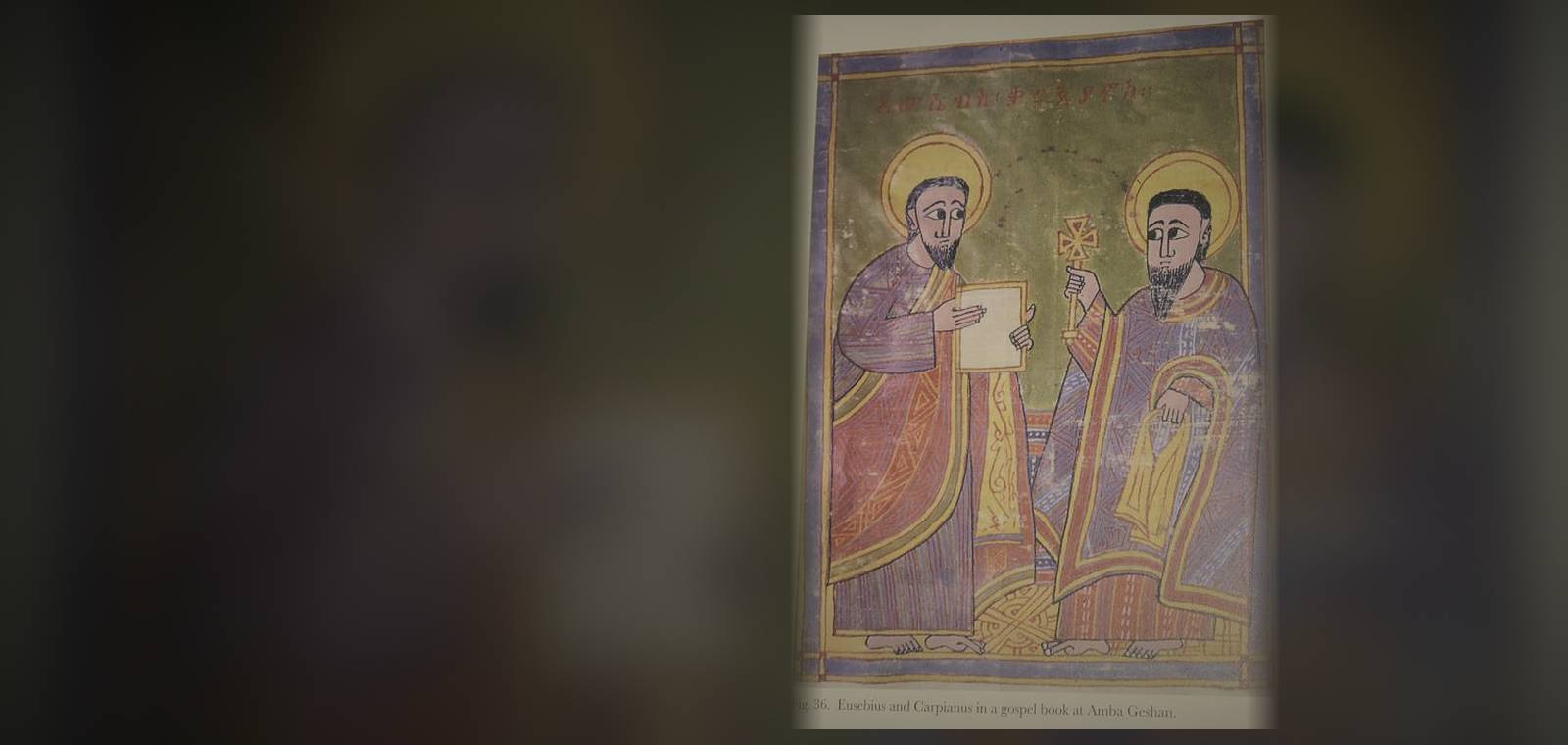
What is Eusebius of Caesarea known for?
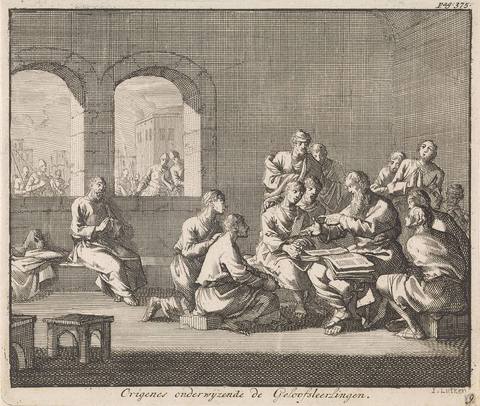
Eusebius was bishop of Caesarea in Palestine from about 313 until his death around 339. Trained in the library founded there by followers of Origen, he wrote widely as a historian, biblical scholar and apologist, and he was an adviser and admirer of the emperor Constantine.
His Ecclesiastical History, the first full history of the church, earned him the title 'father of church history.' His Chronicle set the histories of the Hebrews, Egyptians, Chaldeans, Greeks and Romans in parallel columns. The Greek original is mostly lost; it survives in an Armenian translation, in Jerome's Latin version, and in excerpts by later writers, especially George Syncellus.
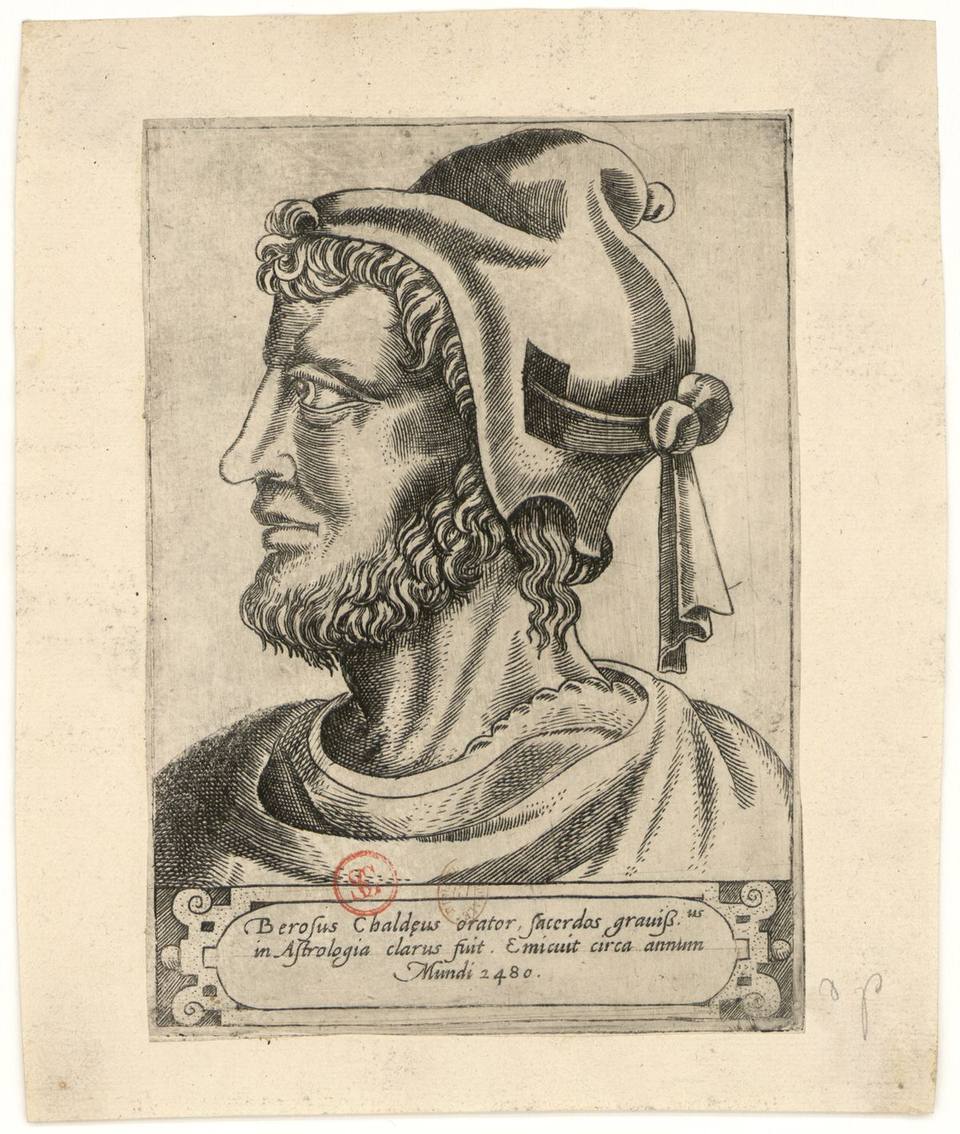
Because Eusebius quoted earlier authors at length, he is one of the main channels through which the lost works of the Egyptian priest Manetho and the Babylonian priest Berossus survive. His versions of their king lists often disagree with those of Julius Africanus, and scholars compare the two to reconstruct the originals.
Titles and honors
- Offices held
- Bishop of Caesarea Palaestina c. 314-339
The same story, told elsewhere
Shared story · Floods and lost lands
Flood Stories Around the World
A god warns one good man, a boat is built, the world drowns and birds are sent out to find land. The same story turns up from Iraq to India to Greece, with cousins in China, Scandinavia and Guatemala.
Berossus, Babyloniaca (Xisuthrus), via Alexander Polyhistor is one telling. The same story is told 9 more times, in 6 parts of the world. Follow it:
- Vedic IndiaNorthern India · c. 800-600 BCE · Ancient text
- Babylonian (Akkadian)Mesopotamia · 7th century BCE · Ancient text
- Hebrew BibleJudah / Babylon · c. 600-400 BCE · Ancient text
- ChineseYellow River valley, China · 1st millennium BCE · Ancient text
- Zoroastrian (Persian)Iran / Central Asia · 1st millennium BCE · Ancient text
- Babylonian, retold in GreekBabylon · c. 280 BCE · Ancient textTied to this page
- GreekGreece · 1st or 2nd century CE · Ancient text
- IslamArabia · 7th century CE · Medieval text
- NorseIceland · c. 1220 CE · Medieval text
- K'iche' MayaHighland Guatemala · c. 1554-1558 · Retold in English
The open question: One real flood remembered by many peoples, or many different floods that each people told in its own way? Join the debate
Shared story · Floods and lost lands
Towers to Heaven
Babel is the famous one, but Babylonians, Greeks, the Quran, Mexico, China and the Zambezi all tell of people trying to build or climb their way up to the gods, and failing.
Fragment 'Of the Tower of Babel', preserved by Eusebius is one telling. The same story is told 7 more times, in 5 parts of the world. Follow it:
- GreekIonia / Greece · c. 8th to 7th century BCE · Ancient text
- Hebrew BibleBabylon · c. 600-400 BCE · Ancient text
- ChineseChina · 1st millennium BCE · Ancient text
- Jewish (Second Temple)Judea · c. 160-150 BCE · Ancient text
- Babylonian / Greek (Abydenus, after Berossus)Babylon · c. 2nd century CE · Ancient textTied to this page
- IslamArabia · 7th century CE · Medieval text
- Aztec / Nahua (Cholula)Cholula, central Mexico · c. 1566 · Recorded folklore
- Lozi (A-Louyi), Upper ZambeziUpper Zambezi · 1901 · Recorded folklore
The open question: Is the tower story about one real building, about pride, or about why people speak different languages? Join the debate
Shared story · Heroes and trials
A Child Offered Up: Abraham, Jephthah, Agamemnon and Harishchandra
A father is told, or promises, that he must give up his own child. Sometimes an animal is found in time and sometimes no one stops the knife, and the story is told in the Bible, the Quran, Greece, India and Viking-age Sweden.
Philo of Byblos, Phoenician History (Sanchuniathon), on Cronus and his only son is one telling. The same story is told 8 more times, in 4 parts of the world. Follow it:
- Hebrew Bible (about Moab)Kir-hareseth, Moab · c. 850 BCE · Ancient text
- Vedic IndiaNorthern India · c. 800-600 BCE · Ancient text
- Hebrew BibleGilead, east of the Jordan · c. 7th-6th century BCE · Ancient text
- Hebrew BibleJudah / Israel · 1st millennium BCE · Ancient text
- GreekAthens, Greece · 458 BCE · Ancient text
- Phoenician (in Greek)Byblos, Lebanon · c. 100 CE · Ancient textTied to this page
- IslamArabia · 7th century CE · Medieval text
- Norse (Swedish legend)Uppsala, Sweden · c. 1225 CE · Medieval text
- French (Greek legend)France · 1699 · Recorded folklore
The open question: Do these stories remember a time when people really gave up their children, or were they told to teach that it must never happen? Join the debate
Mentioned on these pages
- FileBerossus
- FileManetho
- PersonAlexander Polyhistor
- PersonGeorge Syncellus
- PersonIsaac Preston Cory
- PersonSextus Julius Africanus
Linked people and places
Where this comes from
Comes from Encyclopaedia Britannica, 'Eusebius of Caesarea'. An encyclopedia first published in Scotland in 1768 and now online. Its articles are written and checked by named experts and editors, which makes it a reliable source for basic facts.
What this means
A real person with records. Sources are listed below.
For Eusebius of Caesarea, the original record exists and is linked: Encyclopaedia Britannica, 'Eusebius of Caesarea'. That tells you the record is real and what it says. It does not mean every claim in it is true.
Primary records exist: an original document, a published text, an official file or a dated report. We link to them. This level says the record exists and what it says, not that every claim in it is true.
Sources
- Encyclopaedia BritannicaAn encyclopedia first published in Scotland in 1768 and now online. Its articles are written and checked by named experts and editors, which makes it a reliable source for basic facts.Encyclopaedia Britannica, 'Eusebius of Caesarea'Reference Archived copy, 2026-08-29
- WikipediaA free online encyclopedia written and edited by volunteers. It is a good starting point and usually lists its own sources, but anyone can change it, so we treat it as a guide to better sources, not the final word.Wikipedia, 'Eusebius'Reference Archived copy, 2026-08-31