












What is G. C. Macaulay known for?
George Campbell Macaulay was an English classical and medieval scholar. Educated at Eton and Trinity College, Cambridge, where he became a Fellow, he taught at Rugby School, was Professor of English at the University College of Wales, Aberystwyth, and lectured at Cambridge. His daughter was the novelist Rose Macaulay.
His two-volume translation The History of Herodotus appeared in 1890. He also edited the complete works of the medieval poet John Gower (1899–1902).
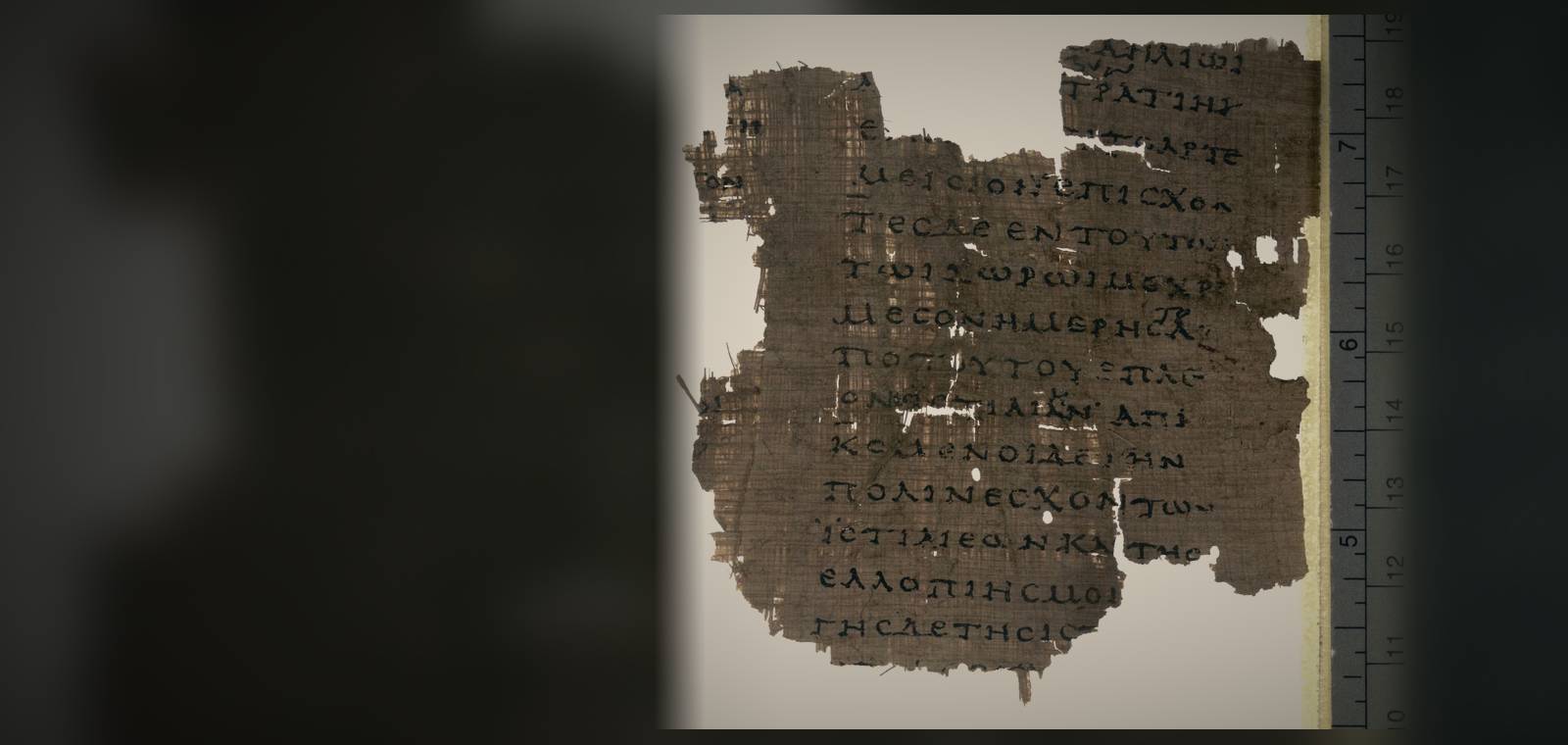
In book 2 of the Histories, Herodotus reports what Egyptian priests told him: that over a very long run of kings the sun had four times risen out of its usual place, twice rising where it now sets. Herodotus is careful to present this as what he was told. Modern writers have linked it to pole shifts or calendar drift; historians generally treat it as a misunderstanding or a priestly tale. Macaulay's version is public domain.
Titles and honors
- Offices held
- Professor of English, Aberystwyth 1901-1907
- Fellow of Trinity College, Cambridge
The same story, told elsewhere
Shared story · Signs and numbers
The Sun Stands Still: Joshua, Hezekiah, Athena and Maui
A general shouts at the sun to stop, and it stops. A goddess holds back the dawn, a hero lassoes the sun, and a wife's curse keeps it from rising at all.
Herodotus, Histories 2 (what the priests of Egypt said) is one telling. The same story is told 8 more times, in 7 parts of the world. Follow it:
- GreekIthaca · c. 750-650 BCE · Ancient text
- Hebrew BibleCanaan · c. 650-550 BCE · Ancient text
- Hebrew BibleJerusalem · c. 600-550 BCE · Ancient text
- Egyptian, reported in GreekEgypt · c. 430 BCE · Ancient textTied to this page
- GreekThebes, Greece · 1st or 2nd century CE · Ancient text
- ChineseChina · c. 80 CE · Ancient text
- Hindu (Puranic)India · c. 250-500 CE · Ancient text
- Ojibwe (North America)Great Lakes region, North America · 1820 · Recorded folklore
- Maori (New Zealand)Aotearoa · 1840 · Recorded folklore
The open question: When ancient writers say the sun stood still, are they remembering something people really saw in the sky, or using the boldest picture they could find for a god's power over time? Join the debate
Linked people and places
Where this comes from
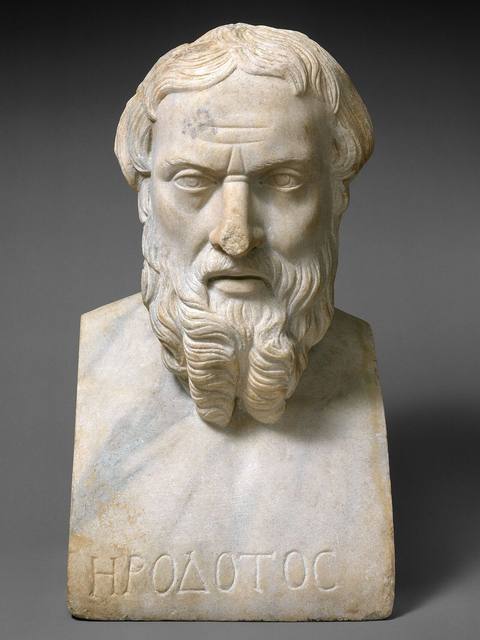
Comes from Project Gutenberg, 'The History of Herodotus, Volume 1', tr. G. C. Macaulay. The Histories, by Herodotus: A history of the wars between Greece and Persia by Herodotus, often called the father of history, written around 430 BC. It also records what he heard on his travels, such as Egyptian priests' claims about the age of their kingdom. He sometimes passes on stories he did not believe himself.
What this means
A real person with records. Sources are listed below.
For G. C. Macaulay, the original record exists and is linked: Project Gutenberg, 'The History of Herodotus, Volume 1', tr. G. C. Macaulay. That tells you the record is real and what it says. It does not mean every claim in it is true.
Primary records exist: an original document, a published text, an official file or a dated report. We link to them. This level says the record exists and what it says, not that every claim in it is true.
Sources
- WikipediaA free online encyclopedia written and edited by volunteers. It is a good starting point and usually lists its own sources, but anyone can change it, so we treat it as a guide to better sources, not the final word.Wikipedia, 'G. C. Macaulay'Reference Archived copy, 2026-08-14
- The Histories, by HerodotusA history of the wars between Greece and Persia by Herodotus, often called the father of history, written around 430 BC. It also records what he heard on his travels, such as Egyptian priests' claims about the age of their kingdom. He sometimes passes on stories he did not believe himself.Project Gutenberg, 'The History of Herodotus, Volume 1', tr. G. C. MacaulayPrimary text Archived copy, 2026-09-22
No public-domain picture of this person yet. We do not show drawn or generated likenesses.