












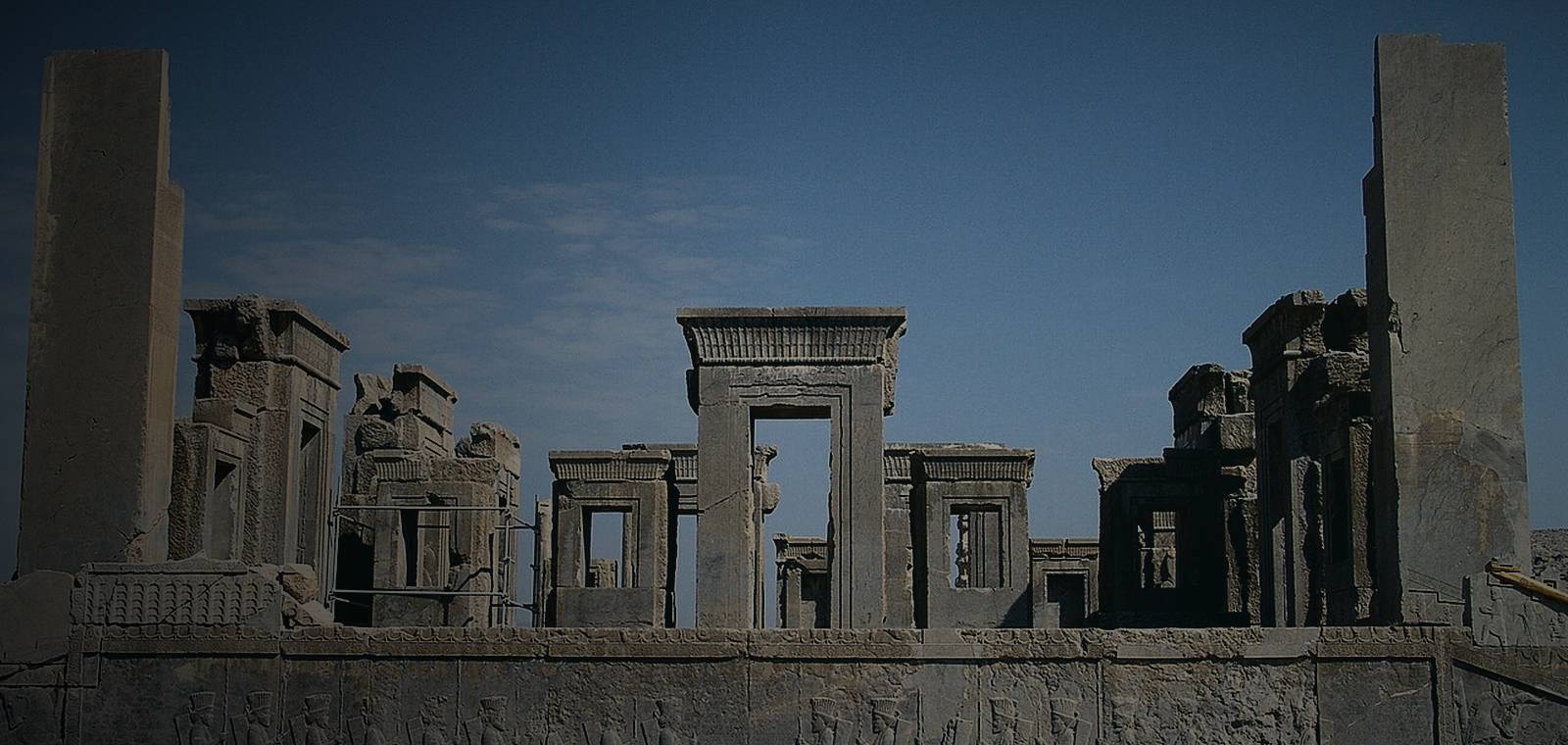
What is Persia known for?
Persia is the old Western name for Iran, taken from Persis (modern Fars), the home province of its first great dynasty. Cyrus the Great founded the Achaemenid Empire around 550 BCE, and at its height it ran from Egypt and the Aegean to the Indus valley.
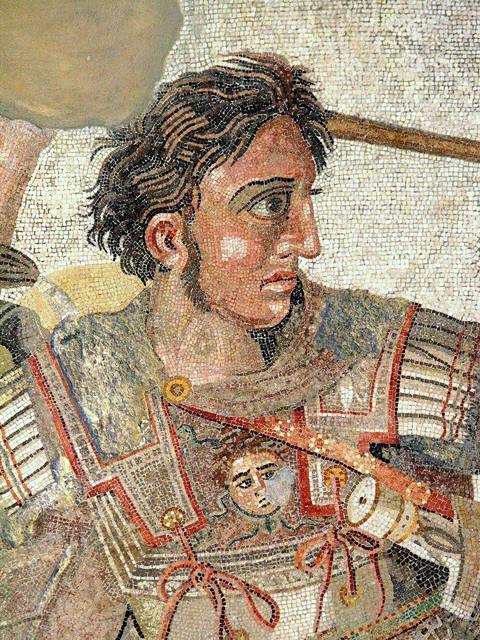
Alexander the Great conquered the Achaemenid Empire in 330 BCE. Later Iranian dynasties, the Parthians and then the Sasanians, ruled until the Arab conquest of the seventh century CE.
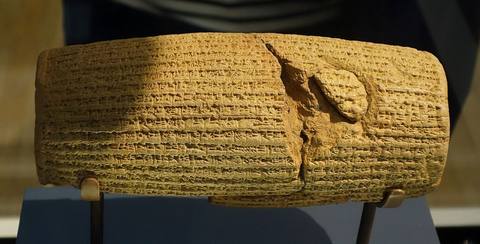
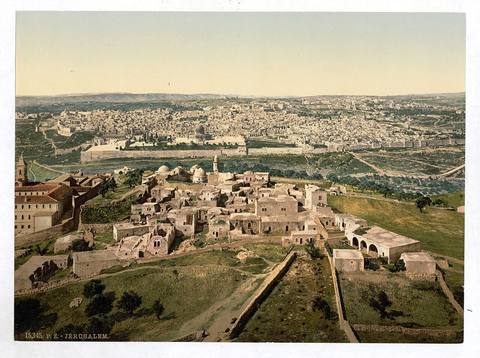
Persia matters on this site for its religion, Zoroastrianism, with its sacred texts the Avesta and Vendidad, its world-ages and its war between good and evil spirits. Cyrus also appears in the Hebrew Bible as the king who let exiles return to Jerusalem.
The same story, told elsewhere
Shared story · Beginnings
Stealing Fire: Prometheus, Maui and the Water Spider
Fire was kept from people, hidden away by gods or guarded by jealous owners, until someone took it. A Greek god hides it in a hollow stalk, a Maori hero tricks it out of his grandmother, and a little Cherokee spider carries a coal home on her back.
Ferdowsi, Shahnameh (Hushang and the Feast of Sada) is one telling. The same story is told 6 more times, in 6 parts of the world. Follow it:
- Vedic IndiaNorthwestern India · c. 1500-1000 BCE · Ancient text
- GreekBoeotia, Greece · c. 700 BCE · Ancient text
- PersianIran · c. 1010 CE · Medieval textTied to this page
- Maori (New Zealand)New Zealand · 1840 · Recorded folklore
- CherokeeSouthern Appalachians · 1887-1890 · Recorded folklore
- Aboriginal Australian (Noongahburrah)Northwestern New South Wales, Australia · 1896 · Recorded folklore
- Pacific Northwest (Native American)Columbia River country, Pacific Northwest, USA · 1910 · Retold in English
The open question: Are these stories a real memory of how precious and hard to get fire once was, or just a natural way for any people to explain where a useful thing came from? Join the debate
Mentioned on these pages
- FileBook of Giants
- FileGreat Zimbabwe
- FilePersepolis
- FileThe Prince of Persia
- ChapterOne History 8: The reset
- ChapterOne History 9: The division
- PassageNations divided among the sons of God (Deuteronomy 32:8–9)
- PassageThe prince of Persia (Daniel 10:5–6, 13)
- PersonAlexander the Great
- PersonCyrus the Great
- PersonEphrem the Syrian
- PersonHerodotus
- PersonProcopius of Caesarea
- PlaceAksum
- PlaceAncient Israel
- PlaceTurfan
Linked people and places
Where this comes from
Comes from Wikipedia, 'Achaemenid Empire'. A free online encyclopedia written and edited by volunteers. It is a good starting point and usually lists its own sources, but anyone can change it, so we treat it as a guide to better sources, not the final word.
What this means
A real place with records. Sources are listed below.
For Persia, the original record exists and is linked: Wikipedia, 'Achaemenid Empire'. That tells you the record is real and what it says. It does not mean every claim in it is true.
Primary records exist: an original document, a published text, an official file or a dated report. We link to them. This level says the record exists and what it says, not that every claim in it is true.
Sources
- WikipediaA free online encyclopedia written and edited by volunteers. It is a good starting point and usually lists its own sources, but anyone can change it, so we treat it as a guide to better sources, not the final word.Wikipedia, 'Achaemenid Empire'Reference
- WikipediaWikipedia, 'Iran (Persia) name'Reference
No public-domain picture of this place yet. We do not show drawn or generated likenesses.