












What is Gertrude Caton-Thompson known for?
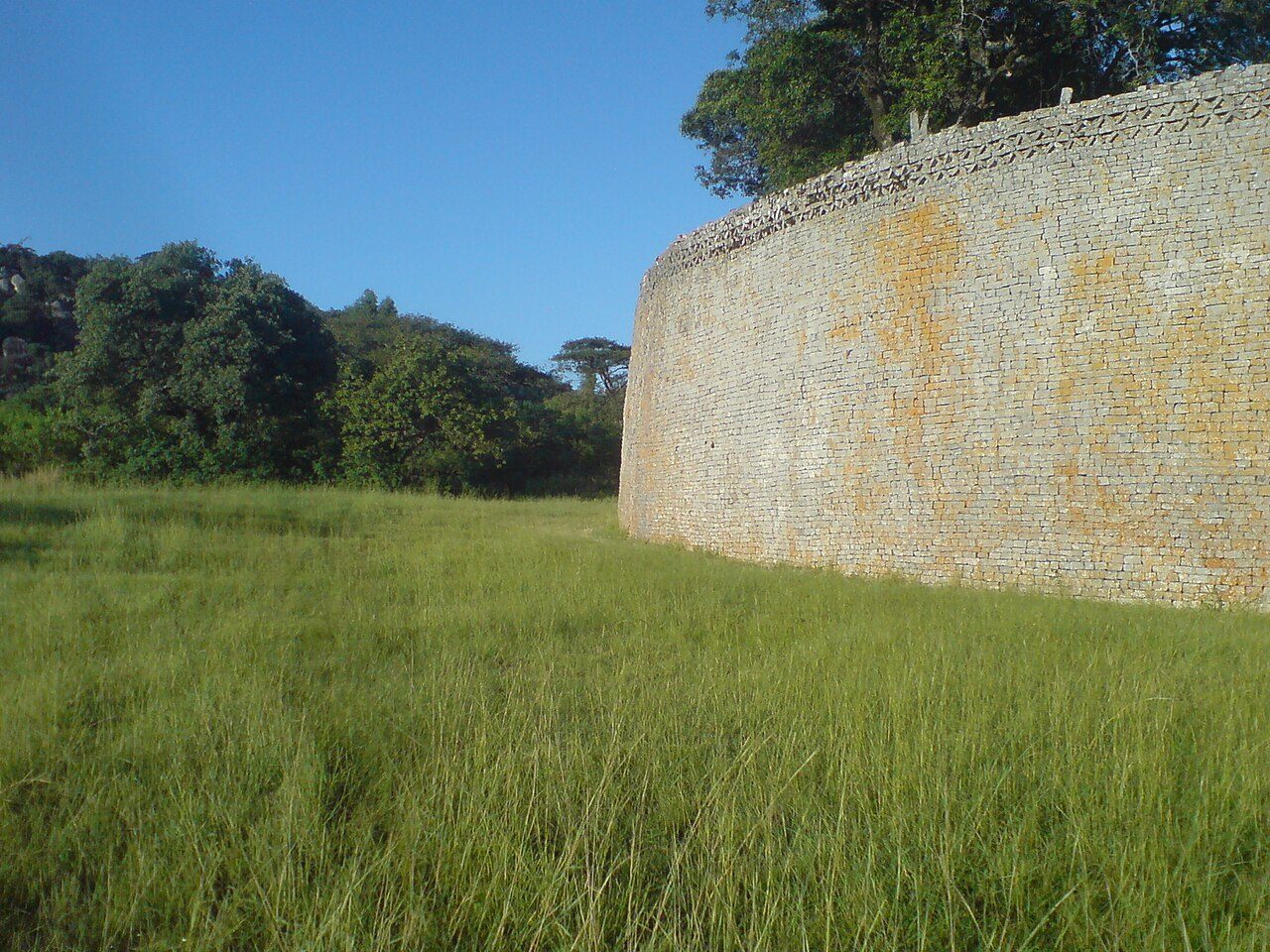
Gertrude Caton-Thompson was a British archaeologist. In 1929 she excavated at Great Zimbabwe, the great stone ruins in what was then Rhodesia, to test the many claims that the city had been built by people from outside Africa.
She gave her findings to the British Association in the summer of 1929 and published them in the journal Antiquity that December. The Spectator, reviewing them, called her "that experienced archaeologist" and reported her finding that the oldest ruins "cannot be placed earlier than the tenth century," while the latest might be as late as the sixteenth. Every detail of the ruins, apart from imported beads and porcelain, was in her words "typically African Bantu."
In 1931, in words quoted by NOVA, she wrote that the evidence "still can produce not one single item that is not in accordance with the claim of Bantu origin and medieval date," and that this "enriches, not impoverishes, our wonderment at their remarkable achievement."
Mentioned on these pages
- FileGreat Zimbabwe
Linked people and places
Where this comes from
Comes from "The final verdict on Zimbabwe in Rhodesia is given", The Spectator (21 December 1929)…. The source this page rests on. Published at archive.spectator.co.uk; it opens in a new tab.
What this means
A real person with records. Sources are listed below.
For Gertrude Caton-Thompson, the original record exists and is linked: "The final verdict on Zimbabwe in Rhodesia is given", The Spectator (21 December 1929)…. That tells you the record is real and what it says. It does not mean every claim in it is true.
Primary records exist: an original document, a published text, an official file or a dated report. We link to them. This level says the record exists and what it says, not that every claim in it is true.
Sources
- "The final verdict on Zimbabwe in Rhodesia is given", The Spectator (21 December 1929), p. 20, on Gertrude Caton-Thompson's report
- "Great Zimbabwe", NOVA, PBS
No public-domain picture of this person yet. We do not show drawn or generated likenesses.