












What is Kate Spence known for?
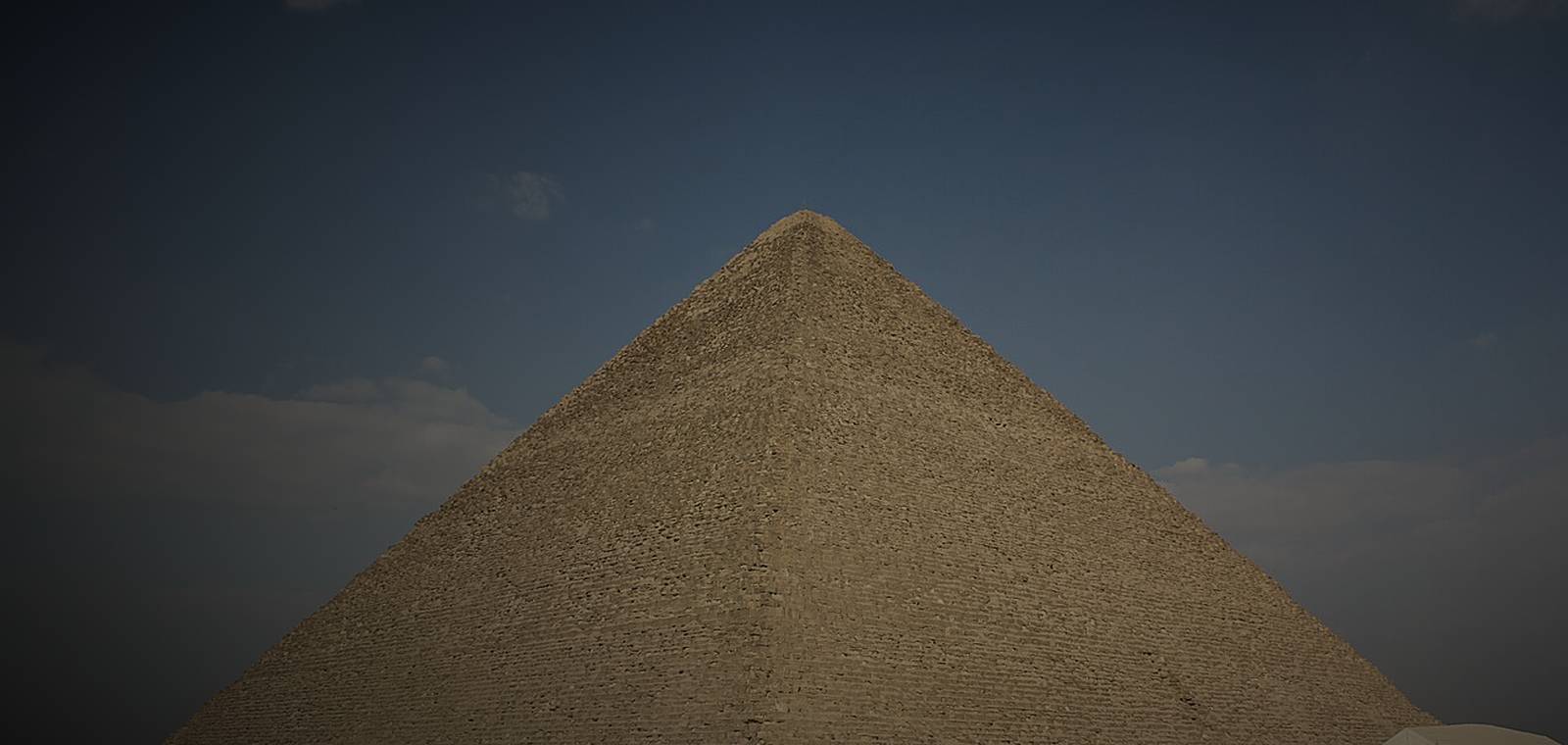
Kate Spence is an Egyptologist at the University of Cambridge. In a 2000 paper in Nature, 'Ancient Egyptian chronology and the astronomical orientation of pyramids', she proposed that Old Kingdom builders aligned pyramids to true north by waiting for two circumpolar stars, Kochab and Mizar, to line up vertically above the horizon.
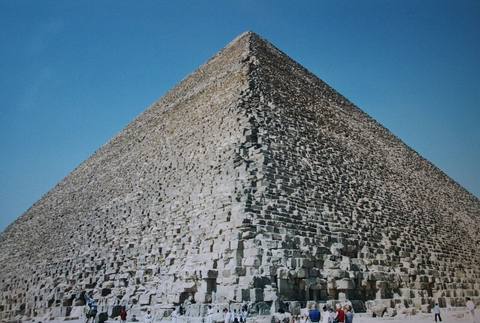
Because the slow precession of Earth's axis shifts those stars over centuries, small errors in the orientation of successive pyramids follow a pattern that can be used to date them. Her model put the start of the Great Pyramid at about 2467 BCE, plus or minus five years. Other researchers have proposed different star pairs and methods, and the dating is debated.
Mentioned on these pages
Linked people and places
Where this comes from
Comes from Kate Spence, 'Ancient Egyptian chronology and the astronomical orientation of pyramids'…. A research article: An article written by a researcher and published in a scholarly journal or book. Most such journals have other experts check a paper before it is printed, so it carries more weight than a news story, though later studies can still change the picture.
What this means
A real person with records. Sources are listed below.
For Kate Spence, the original record exists and is linked: Kate Spence, 'Ancient Egyptian chronology and the astronomical orientation of pyramids'…. That tells you the record is real and what it says. It does not mean every claim in it is true.
Primary records exist: an original document, a published text, an official file or a dated report. We link to them. This level says the record exists and what it says, not that every claim in it is true.
Sources
- A research articleAn article written by a researcher and published in a scholarly journal or book. Most such journals have other experts check a paper before it is printed, so it carries more weight than a news story, though later studies can still change the picture.Kate Spence, 'Ancient Egyptian chronology and the astronomical orientation of pyramids', Nature 408 (2000)Primary text Archived copy, 2026-10-03
- WikipediaA free online encyclopedia written and edited by volunteers. It is a good starting point and usually lists its own sources, but anyone can change it, so we treat it as a guide to better sources, not the final word.Wikipedia, 'Great Pyramid of Giza'Reference Archived copy, 2026-10-01
No public-domain picture of this person yet. We do not show drawn or generated likenesses.