












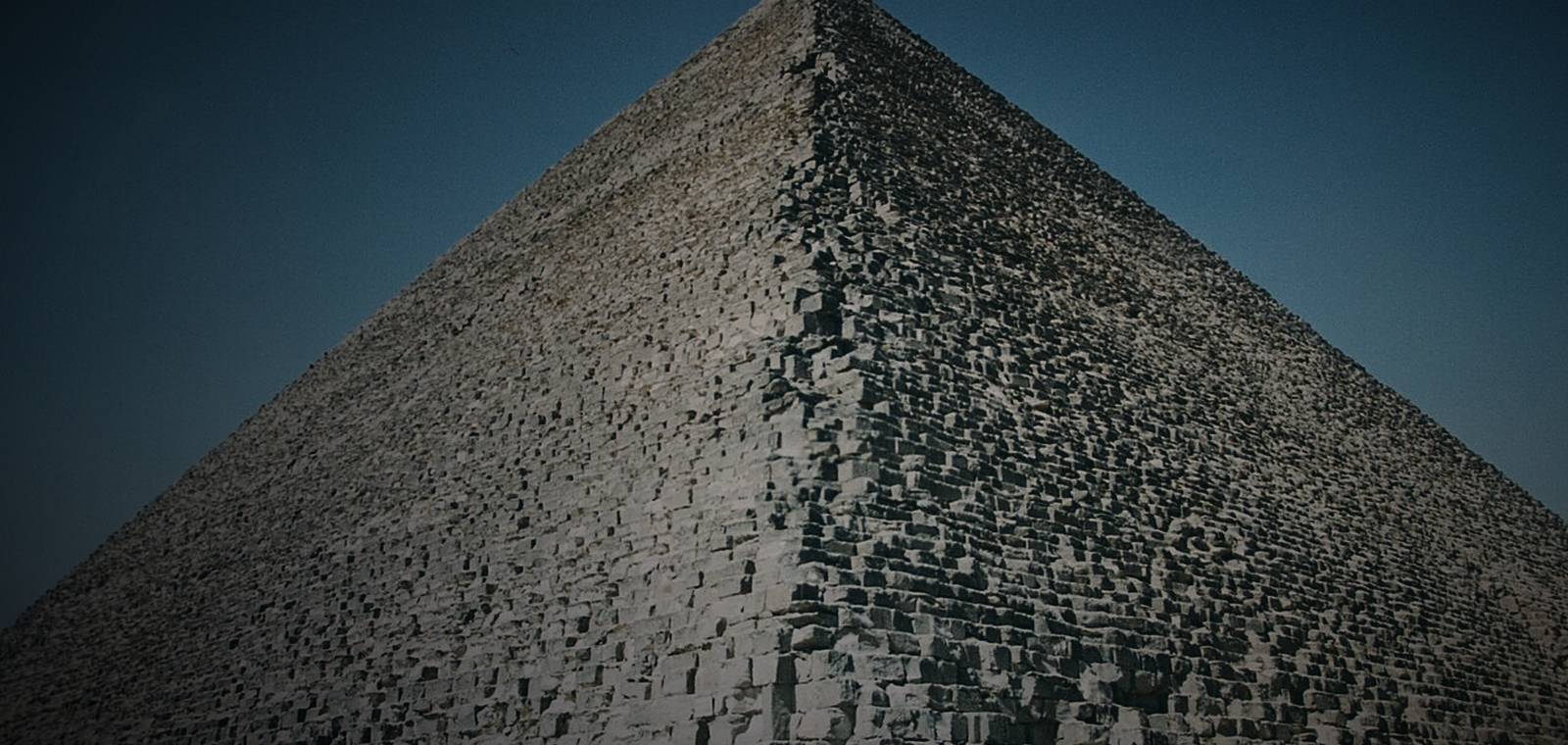
What are Giza and the Great Pyramid known for?
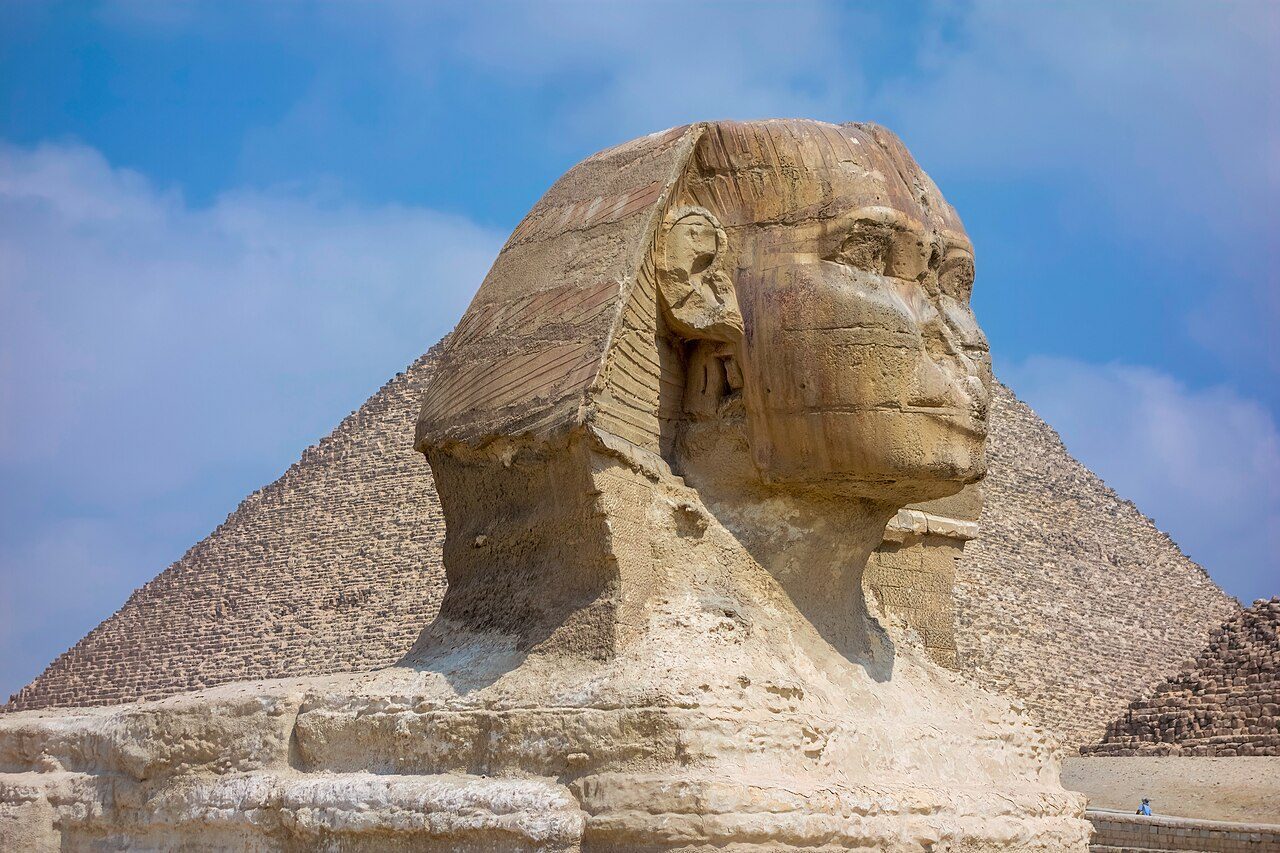
The Great Pyramid at Giza was built for the Fourth Dynasty king Khufu around 2560 BCE. It rose about 146 meters and remained the tallest human-made structure on Earth for some 3,800 years. Next to it stand the pyramids of Khafre and Menkaure and the Great Sphinx. Workers' villages and administrative papyri found by archaeologists show it was built by organized Egyptian labor crews.
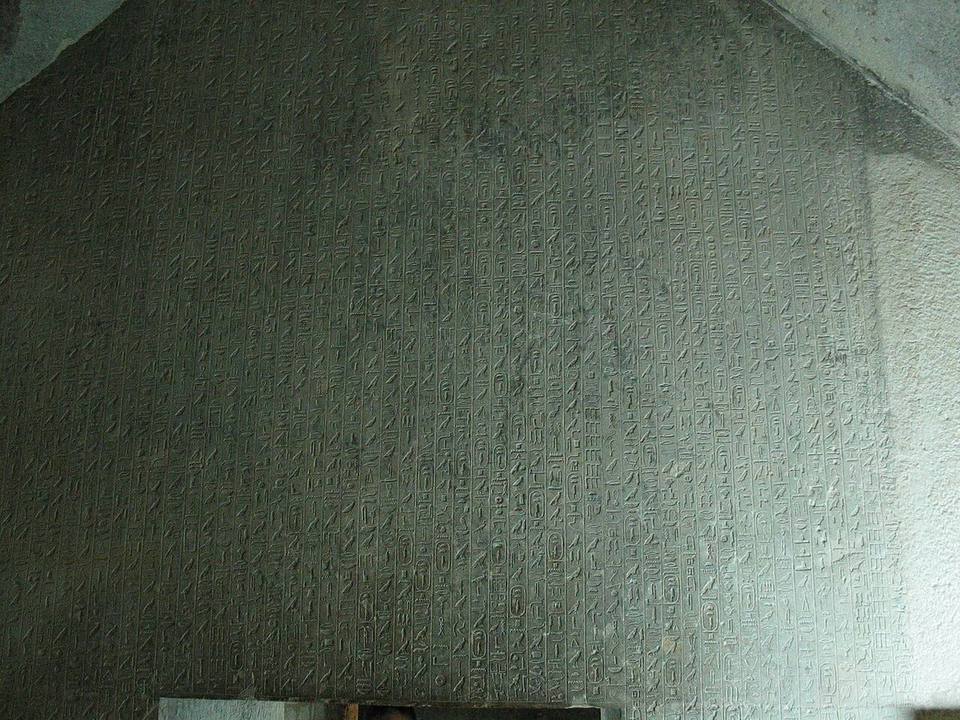
Inside, two narrow shafts rise from the King's Chamber, one aimed roughly north and one south. Many Egyptologists link them to the king's journey to the sky, including the circumpolar stars described in the later Pyramid Texts. The Giza pyramids themselves carry no texts inside.
The Great Pyramid attracts many alternative claims. Doreal said he found the 'Emerald Tablets of Thoth' there in 1925 and translated them; no such tablets have ever been produced or examined. Mainstream archaeology treats the pyramid as a royal tomb and a triumph of Old Kingdom engineering.
The same story, told elsewhere
Shared story · Folk tales
Cinderella Around the World: Rhodopis, Cenerentola and Aschenputtel
A girl kept in rags by her own family, one lost shoe and a royal search that ends at her door. The story is told in ancient Egypt, China, Vietnam, Italy, France, Germany, Norway, India, Ireland and Canada.
Strabo, Geography (Rhodopis and the eagle) is one telling. The same story is told 9 more times, in 7 parts of the world. Follow it:
- Greek writer in Roman EgyptNaucratis and Memphis, Egypt · c. 7 BCE · Ancient textTied to this page
- Chinese (Tang dynasty, a tale from the far south)Southern China · c. 850 to 863 CE · Medieval text
- Italian (Neapolitan)Naples, Italy · 1634-1636 · Early modern text
- FrenchParis, France · 1697 · Early modern text
- Mi'kmaq (First Nations, Atlantic Canada)Nova Scotia and the Atlantic coast of Canada · 1800 · Recorded folklore
- GermanKassel, Germany · 1812 · Recorded folklore
- NorwegianNorway · 1840 · Recorded folklore
- Indian (Deccan, Western India)Western and southern India · 1860 · Recorded folklore
- IrishTír Chonaill · 1880 · Recorded folklore
- VietnameseVietnam · 1886 · Recorded folklore
The open question: Did one great story travel the world from teller to teller, or is a lost shoe and a hidden princess an idea people everywhere invent on their own? Join the debate
Mentioned on these pages
- FileDoreal and the "Emerald Tablets of Thoth"
- FileNewgrange and the winter sunrise
- FilePyramid Texts
- FileThe Great Sphinx of Giza
- FileThe Imperishable Stars
- PassageThe Emerald Tablets of Thoth the Atlantean (Doreal, 'The Emerald Tablets of Thoth-the-Atlantean')
- PersonAlexander Badawy
- PersonAli ibn Ridwan
- PersonFlinders Petrie
- PersonKate Spence
- PersonRobert Schoch
- PersonTutankhamun
- PersonVirginia Trimble
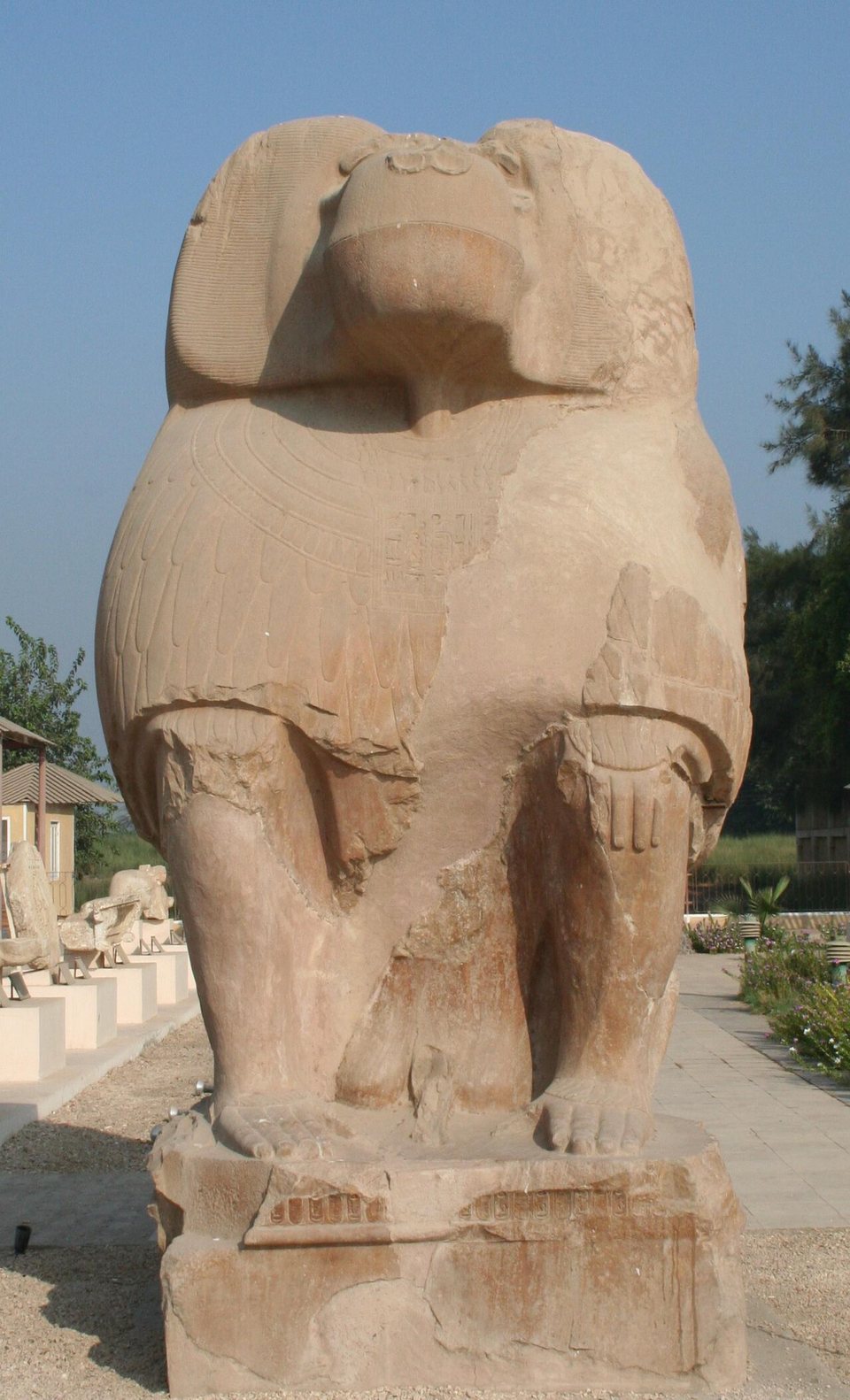
- PlaceAncient Egypt
- PlaceIreland
- PlaceSaqqara
Linked people and places
Where this comes from
Comes from Encyclopaedia Britannica, 'Great Pyramid of Giza'. An encyclopedia first published in Scotland in 1768 and now online. Its articles are written and checked by named experts and editors, which makes it a reliable source for basic facts.
What this means
A real place with records. Sources are listed below.
For Giza and the Great Pyramid, the original record exists and is linked: Encyclopaedia Britannica, 'Great Pyramid of Giza'. That tells you the record is real and what it says. It does not mean every claim in it is true.
Primary records exist: an original document, a published text, an official file or a dated report. We link to them. This level says the record exists and what it says, not that every claim in it is true.
Sources
- Encyclopaedia BritannicaAn encyclopedia first published in Scotland in 1768 and now online. Its articles are written and checked by named experts and editors, which makes it a reliable source for basic facts.Encyclopaedia Britannica, 'Great Pyramid of Giza'Reference Archived copy, 2026-07-02
- UNESCO World Heritage CentreThe official website of the World Heritage list kept by UNESCO, the United Nations agency for education, science and culture. Each place's page gives an expert-checked description of the site and why it matters.UNESCO World Heritage Centre, 'Memphis and its Necropolis – the Pyramid Fields from Giza to Dahshur'Reference Archived copy, 2026-10-03