












What is Matthew W. Stirling known for?
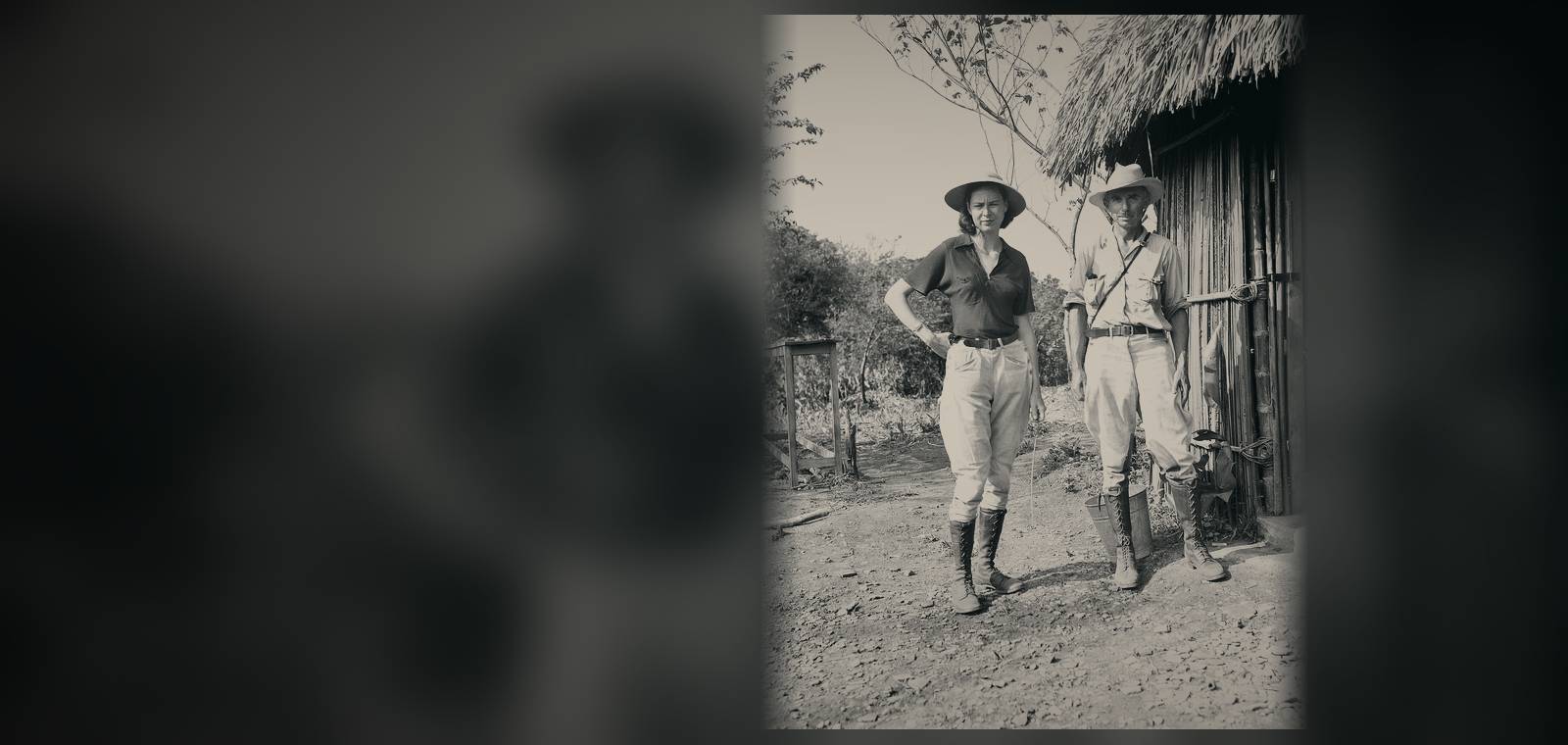
Matthew W. Stirling led four seasons of field work in southern Mexico for the Smithsonian Institution and the National Geographic Society. In his report he says he began in 1938 with a survey of the western margin of the Maya area, and in the winter of 1938-39 spent four months excavating at Tres Zapotes in Veracruz. Marion Stirling was also a member of the party. In 1939-40 he returned with Philip Drucker, also spent ten days at La Venta in Tabasco photographing and excavating its monuments, and in 1940-41 dug at Cerro de las Mesas.
At Tres Zapotes he excavated the colossal head first reported by José María Melgar and found it resting on a stone foundation at the old plaza level. His Stone Monuments of Southern Mexico appeared in 1943 as a Bureau of American Ethnology bulletin; the letter recommending it for publication is signed by M. W. Stirling, Chief. The Berkeley study of 1967 cites his work throughout and credits him with suggesting that the heads were portraits of chieftains.
Mentioned on these pages
Where this comes from
Comes from Matthew W. Stirling, Stone Monuments of Southern Mexico, Bureau of American Ethnology…. Smithsonian Institution: The Smithsonian is the United States' national group of museums and research centers, founded in 1846. Its Bureau of American Ethnology published field reports by its own archaeologists, which are now kept in its online repository.
What this means
A real person with records. Sources are listed below.
For Matthew W. Stirling, the original record exists and is linked: Matthew W. Stirling, Stone Monuments of Southern Mexico, Bureau of American Ethnology…. That tells you the record is real and what it says. It does not mean every claim in it is true.
Primary records exist: an original document, a published text, an official file or a dated report. We link to them. This level says the record exists and what it says, not that every claim in it is true.
Sources
- Smithsonian InstitutionThe Smithsonian is the United States' national group of museums and research centers, founded in 1846. Its Bureau of American Ethnology published field reports by its own archaeologists, which are now kept in its online repository.Matthew W. Stirling, Stone Monuments of Southern Mexico, Bureau of American Ethnology Bulletin 138 (Washington: Smithsonian Institution, 1943)Primary text
- A research articleAn article written by a researcher and published in a scholarly journal or book. Most such journals have other experts check a paper before it is printed, so it carries more weight than a news story, though later studies can still change the picture.C. William Clewlow, Richard A. Cowan, James F. O'Connell and Carlos Benemann, Colossal Heads of the Olmec Culture, Contributions of the University of California Archaeological Research Facility 4 (Berkeley, 1967)Primary text