Credible Theories Sign in

The record

From the text
Above it stood the seraphims: each one had six wings… Then flew one of the seraphims unto me, having a live coal in his hand, which he had taken with the tongs from off the altar: And he laid it upon my mouth.
Documented · Ancient text, c. 740 BCE
Isaiah 6:1–7 · Hebrew Bible
Translation: King James Version (1611; standard 1769 text), with Apocrypha · Public domain

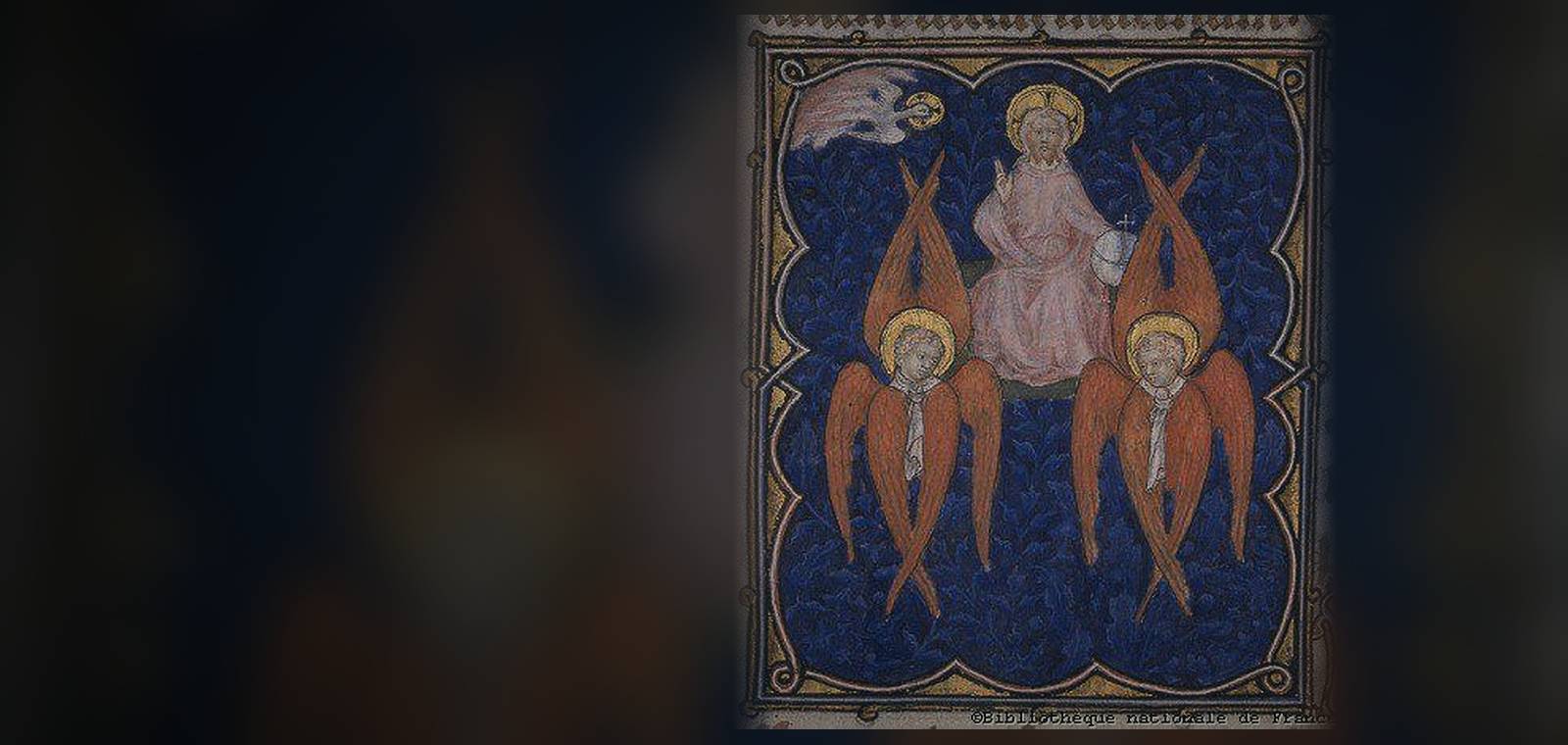
The seraphim appear by that name in only one biblical vision, Isaiah 6, set in the year that king Uzziah died. Isaiah sees God enthroned in the Temple. Above it stood the seraphims: each one had six wings; with twain he covered his face, and with twain he covered his feet, and with twain he did fly. They call to each other, Holy, holy, holy, is the LORD of hosts, and the doorposts shake while the house fills with smoke.

Isaiah fears he is doomed, being a man of unclean lips. Then flew one of the seraphims unto me, having a live coal in his hand, which he had taken with the tongs from off the altar: And he laid it upon my mouth. His guilt is removed, and he volunteers for his mission: Here am I; send me.

The word seraph comes from a root meaning "to burn." Elsewhere in the Bible it names creatures that are not angels at all. In Numbers 21 the fiery serpents that bite the Israelites are seraphim, and Isaiah mentions a fiery flying serpent. Many scholars link the image to the Egyptian uraeus, the rearing cobra with spread hood, sometimes shown with wings, which appears on seals found in Judah. Later Christian writers ranked the seraphim as the highest order of angels, closest to God. Their song became a central part of Jewish and Christian worship.
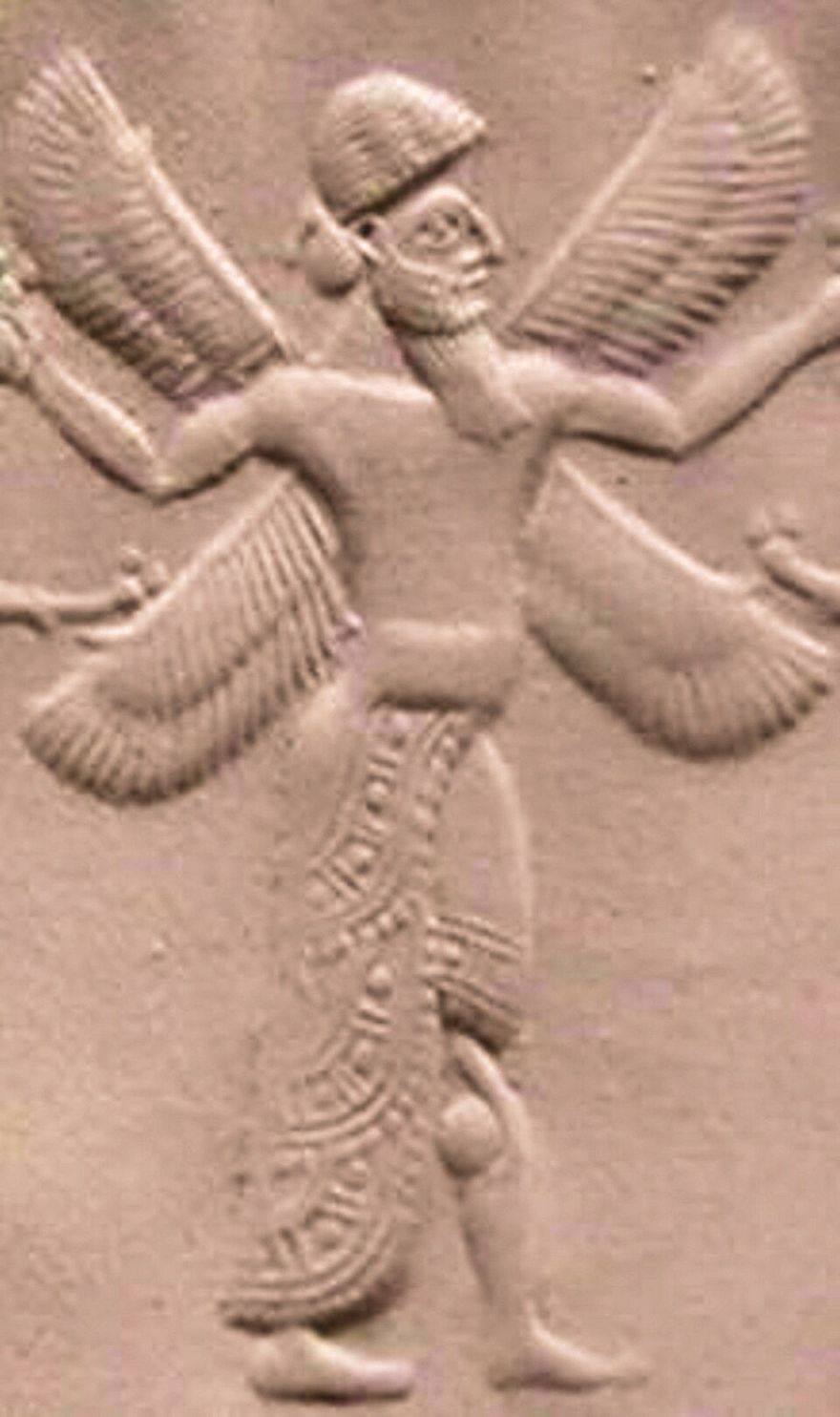
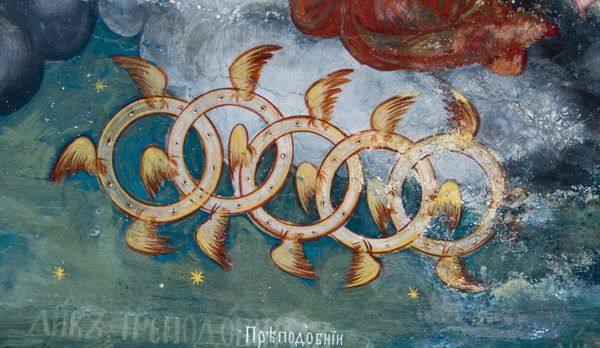
Questions people ask about Seraphim

What does seraphim mean?

The word comes from a Hebrew root meaning to burn, so a seraph is a fiery one, and seraphim is the plural. The term also connects to the bronze serpent Moses made to heal snakebites. That object, called Nehushtan, was later kept in Jerusalem until King Hezekiah broke it up because people were burning incense to it, as 2 Kings 18:4 reports.

What is the difference between seraphim and cherubim?

Cherubim appear far more often in the Bible. They guard the way back to Eden in Genesis 3, spread their wings over the Ark of the Covenant, and in Ezekiel have four faces and four wings. Seraphim, with their six wings, appear only in Isaiah's throne vision. In the ranking by Pseudo-Dionysius, seraphim come first and cherubim second.

Where does the Holy, holy, holy prayer come from?

It comes from the seraphim's song in Isaiah 6:3. In Jewish worship it forms the heart of the Kedushah, said when the Amidah prayer is repeated aloud. Christian churches sing it as the Sanctus during the Eucharist. The words also inspired Reginald Heber's well-known hymn Holy, Holy, Holy! Lord God Almighty, first published in 1826.

The open question

Still strange: Each seraph has six wings, using two to cover its face, two to cover its feet and only two to fly.

Cherubim: What Did the Bible's Guardians Really Look Like? →
  1. Step 1 of 4 · This fileSeraphim
  2. Step 2 of 4 · The passageSeraphim and the live coal, Isaiah 6:1–7
  3. Step 3 of 4 · The longer textThe King James Bible (1611)
  4. Step 4 of 4 · Next fileCherubim: What Did the Bible's Guardians Really Look Like?
About these videos

Found by a YouTube search for this topic, not checked by us. The player loads from YouTube only when you press play.

Where it turns up

Where this comes from

EvidenceMyth or legend

Comes from Isaiah 6:1–8, King James Version. The Book of Isaiah: A book of the Bible named after Isaiah, a prophet in Jerusalem in the 700s BC; scholars think later writers added to it. The Great Isaiah Scroll, found near the Dead Sea in 1947 and about 2,100 years old, is the oldest complete copy of a book of the Bible.

What this means

A story or tradition. It is documented as a story; nothing independent shows it happened.

Seraphim is known from stories, scripture or tradition. The texts are real and we quote them (for example Isaiah 6:1–8, King James Version), but nothing outside those texts shows that Seraphim was real as described.

The page covers something known from myths, scripture or tradition. The texts are real and we quote them, but no independent record shows the events or beings were real.

See all five labels

Sources

  1. The Book of IsaiahA book of the Bible named after Isaiah, a prophet in Jerusalem in the 700s BC; scholars think later writers added to it. The Great Isaiah Scroll, found near the Dead Sea in 1947 and about 2,100 years old, is the oldest complete copy of a book of the Bible.Isaiah 6:1–8, King James Version Online copyPrimary text Archived copy, 2026-03-06
  2. The Book of NumbersThe fourth book of the Bible, named for its head counts of the people. It follows the Israelites through 40 years in the desert, including the spies' report of giants in Canaan and the bronze snake Moses made. Scholars think it reached its final form by roughly 500 to 400 BC.Numbers 21:6–9, King James Version Online copyPrimary text Archived copy, 2026-10-03
  3. The Jewish Encyclopedia (1901 to 1906)A 12-volume encyclopedia of Jewish history, religion and writings by leading scholars, published in New York from 1901 to 1906. It is still respected, but it is over 100 years old, so it misses later finds such as the Dead Sea Scrolls.Jewish Encyclopedia (1906), "Seraphim"Reference Archived copy, 2026-06-17
  4. WikipediaA free online encyclopedia written and edited by volunteers. It is a good starting point and usually lists its own sources, but anyone can change it, so we treat it as a guide to better sources, not the final word.Wikipedia, "Seraph"Reference Archived copy, 2026-09-02

Quotations come from public-domain translations. A book in our Library links to its Library page; other links open the free online copy or the reference page.

Updated

Credible or not?

Tap one to see how other readers voted.

Discussion