Credible Theories Sign in

The record

From the text
Uzzah put forth his hand to the ark of God, and took hold of it; for the oxen shook it. And the anger of the LORD was kindled against Uzzah; and God smote him there for his error; and there he died by the ark of God.
Documented · Ancient text, c. 600–500 BCE
2 Samuel 6:6–7 · Hebrew Bible
Translation: King James Version (1611; standard 1769 text), with Apocrypha · Public domain

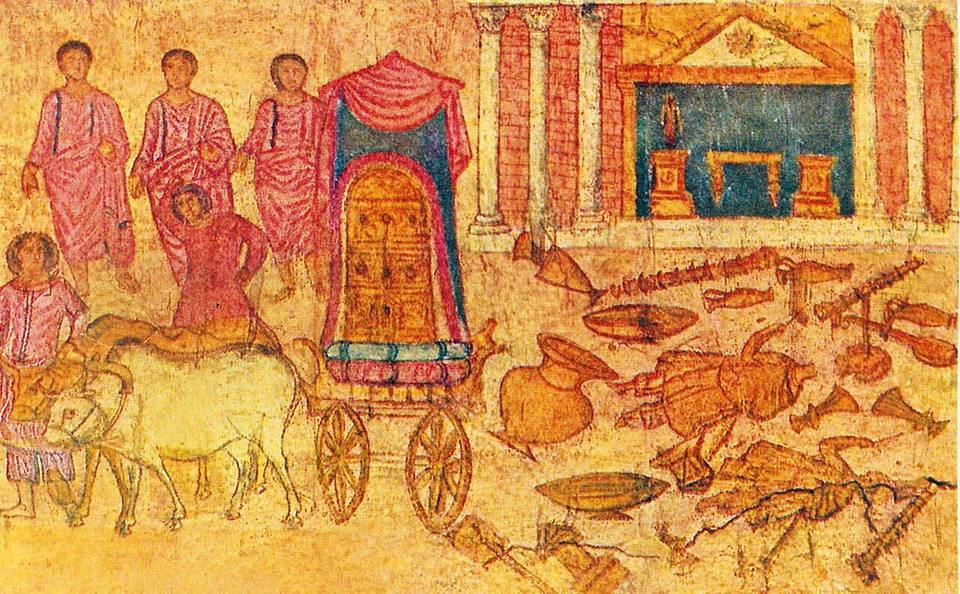
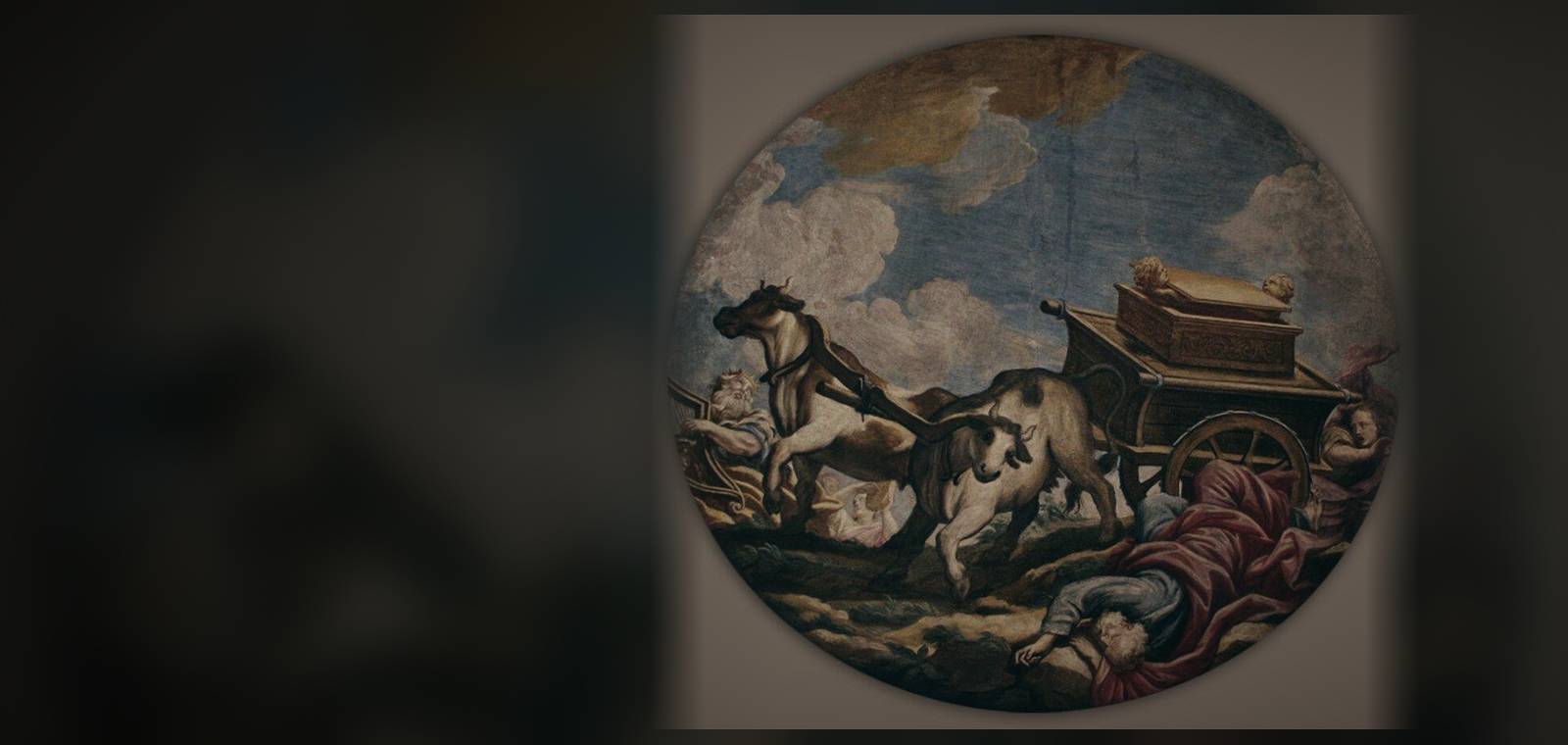
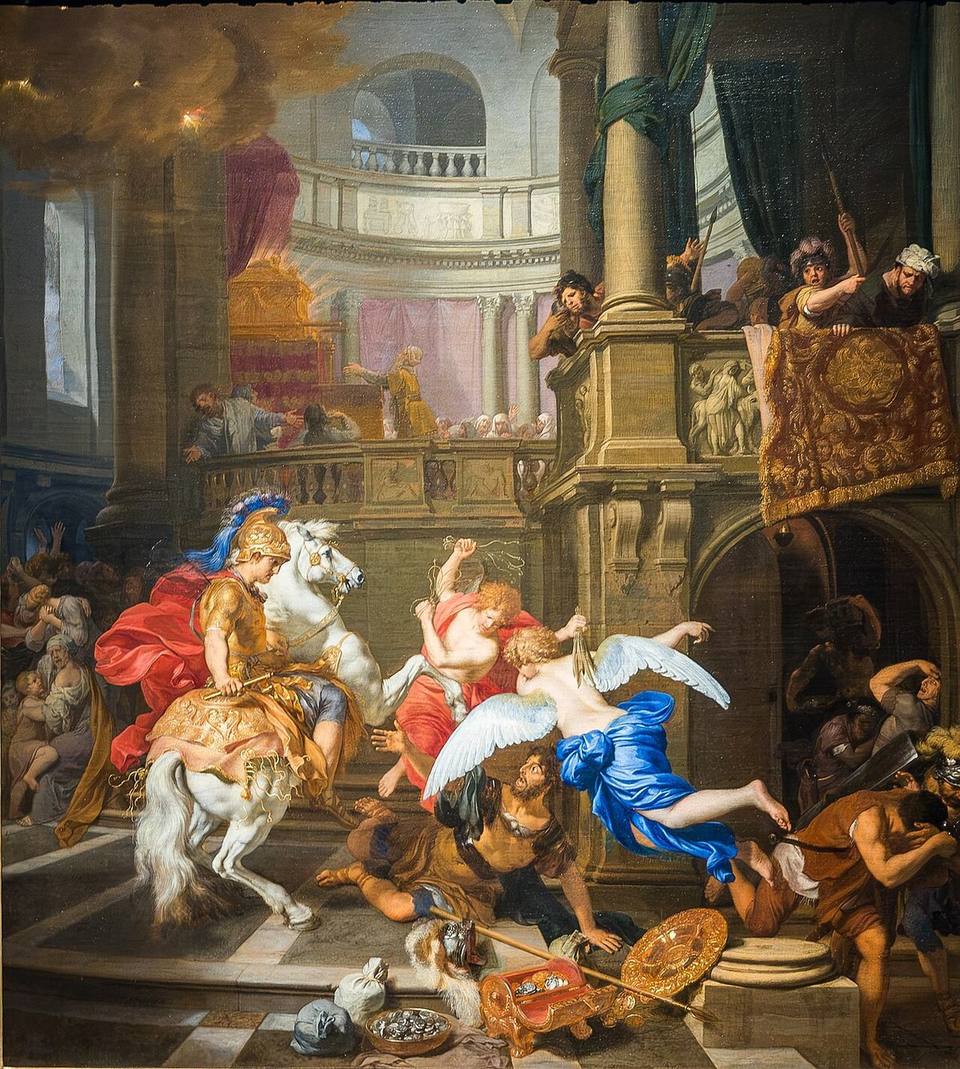
When King David brought the Ark of the Covenant toward Jerusalem, it rode on a new cart pulled by oxen, driven by two brothers, Uzzah and Ahio. At a threshing floor, the oxen stumbled. Uzzah put forth his hand to the ark of God, and took hold of it; for the oxen shook it. And the anger of the LORD was kindled against Uzzah; and God smote him there for his error; and there he died by the ark of God (2 Samuel 6:6–7).

David was angry and afraid. He named the place Perez-uzzah, the breach of Uzzah, and left the Ark at the house of Obed-edom for three months. When Obed-edom's household prospered, David tried again, this time with the Ark carried by hand, with sacrifices every six steps. The same story appears in 1 Chronicles 13 and 15, where David explains that the first attempt failed because the Levites had not carried it after the due order.

The rules existed. Numbers 4:15 says the Kohathite Levites must carry the holy things on poles and shall not touch any holy thing, lest they die. Rabbinic commentators blamed David for using a cart at all, as the Philistines had done. Ancient-astronaut writers point to Uzzah as evidence that the Ark was a dangerous device, perhaps electrical. The Bible presents it as a lesson about holiness: the sacred could not be handled casually, even with good intentions.
Questions people ask about Uzzah

Why did Uzzah die when he touched the Ark?

The Bible blames a broken rule, not bad intent. The Ark had spent about twenty years at the home of Abinadab in Kiriath-jearim, according to 1 Samuel 7, and Uzzah and Ahio were Abinadab's sons. Having grown up near it may have made them casual. Rules in the Torah said only Levites could carry it, and only on poles.

Where is the Ark of the Covenant now?

No one knows. The Bible last mentions it in the time of King Josiah, before the Babylonians destroyed Solomon's Temple in 587 or 586 BCE. 2 Maccabees says the prophet Jeremiah hid it in a cave on Mount Nebo. The Ethiopian Orthodox Church says it rests in a chapel at Aksum, where only one guardian monk may see it.

What did the Ark of the Covenant look like?

Exodus 25 describes a chest of acacia wood covered in gold, about two and a half cubits long and one and a half wide and high, roughly 1.1 by 0.7 meters. Its lid, called the mercy seat, held two gold cherubim facing each other. Gold rings on the sides held wooden poles so it could be carried.

The open question

Still strange: The Bible says the house where the Ark sat for three months did well, and only then did David dare to bring it home.

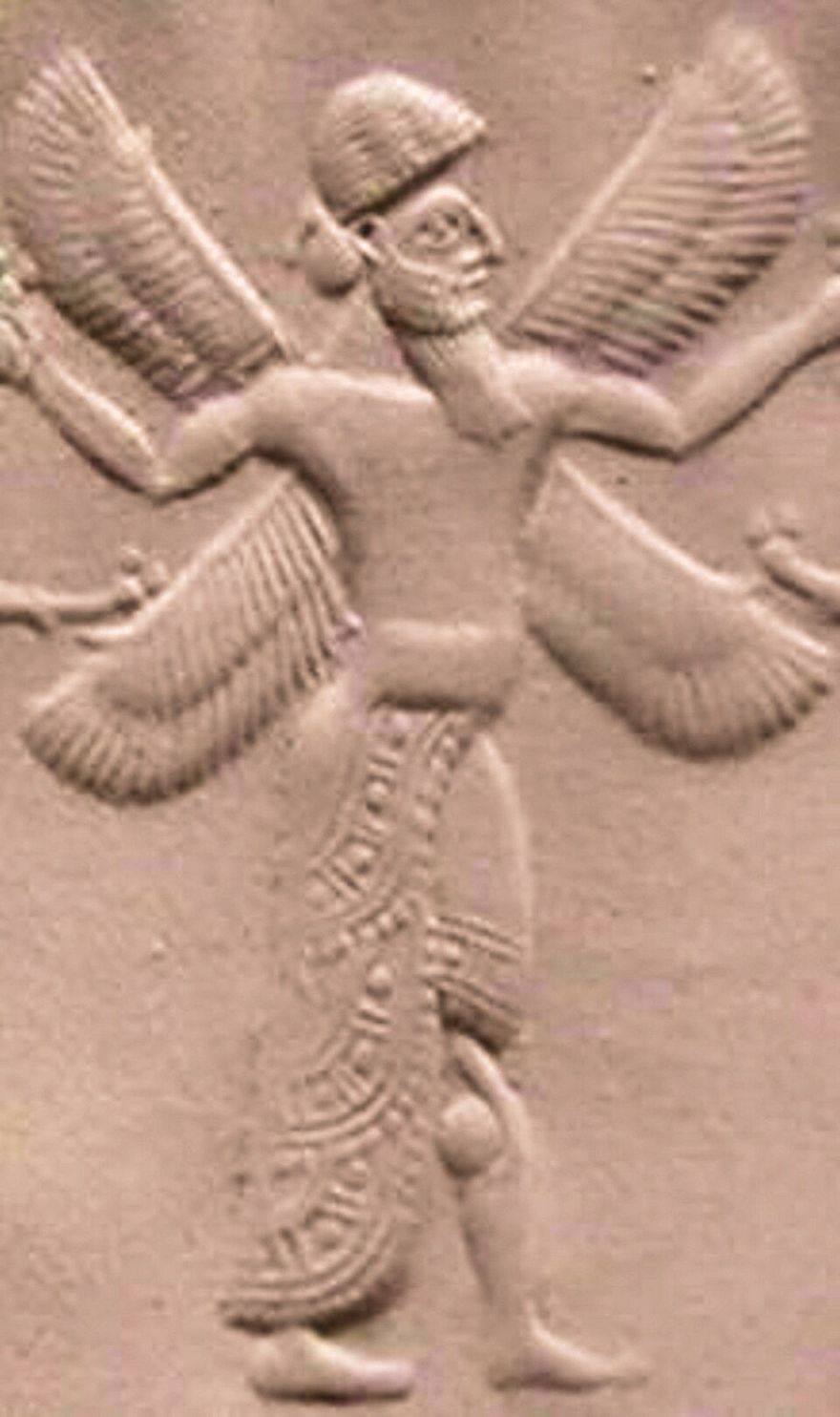
Cherubim: What Did the Bible's Guardians Really Look Like? →
  1. Step 1 of 4 · This fileUzzah
  2. Step 2 of 4 · The passageThe Ark kills Uzzah, 2 Samuel 6:6–7
  3. Step 3 of 4 · The longer textThe King James Bible (1611)
  4. Step 4 of 4 · Next fileCherubim: What Did the Bible's Guardians Really Look Like?
About these videos

Found by a YouTube search for this topic, not checked by us. The player loads from YouTube only when you press play.

Where it turns up

Where this comes from

EvidenceMyth or legend

Comes from 2 Samuel 6:1–11, King James Version. The Books of Samuel (1 and 2 Samuel): Two books of the Bible about the prophet Samuel, King Saul and King David, including David and Goliath and the travels of the Ark of the Covenant. Scholars think they were put together from older sources in about the 600s to 500s BC.

What this means

A story or tradition. It is documented as a story; nothing independent shows it happened.

Uzzah is known from stories, scripture or tradition. The texts are real and we quote them (for example 2 Samuel 6:1–11, King James Version), but nothing outside those texts shows that Uzzah was real as described.

The page covers something known from myths, scripture or tradition. The texts are real and we quote them, but no independent record shows the events or beings were real.

See all five labels

Sources

  1. The Books of Samuel (1 and 2 Samuel)Two books of the Bible about the prophet Samuel, King Saul and King David, including David and Goliath and the travels of the Ark of the Covenant. Scholars think they were put together from older sources in about the 600s to 500s BC.2 Samuel 6:1–11, King James Version Online copyPrimary text Archived copy, 2026-10-03
  2. The Books of Chronicles (1 and 2 Chronicles)Two books of the Bible that retell Israel's history from Adam to the return from exile in Babylon, focusing on King David, Solomon and the Temple. Scholars think they were written around 400 to 300 BC.1 Chronicles 13:9–12; 15:13, King James Version Online copyPrimary text Archived copy, 2026-10-03
  3. The Jewish Encyclopedia (1901 to 1906)A 12-volume encyclopedia of Jewish history, religion and writings by leading scholars, published in New York from 1901 to 1906. It is still respected, but it is over 100 years old, so it misses later finds such as the Dead Sea Scrolls.Jewish Encyclopedia (1906), "Uzza, Uzzah"Reference Archived copy, 2026-10-03
  4. WikipediaA free online encyclopedia written and edited by volunteers. It is a good starting point and usually lists its own sources, but anyone can change it, so we treat it as a guide to better sources, not the final word.Wikipedia, "Uzzah"Reference Archived copy, 2026-10-03

Quotations come from public-domain translations. A book in our Library links to its Library page; other links open the free online copy or the reference page.

Updated

Credible or not?

Tap one to see how other readers voted.

Discussion