












How reliable is this source?
15/100 · Mostly unreliable
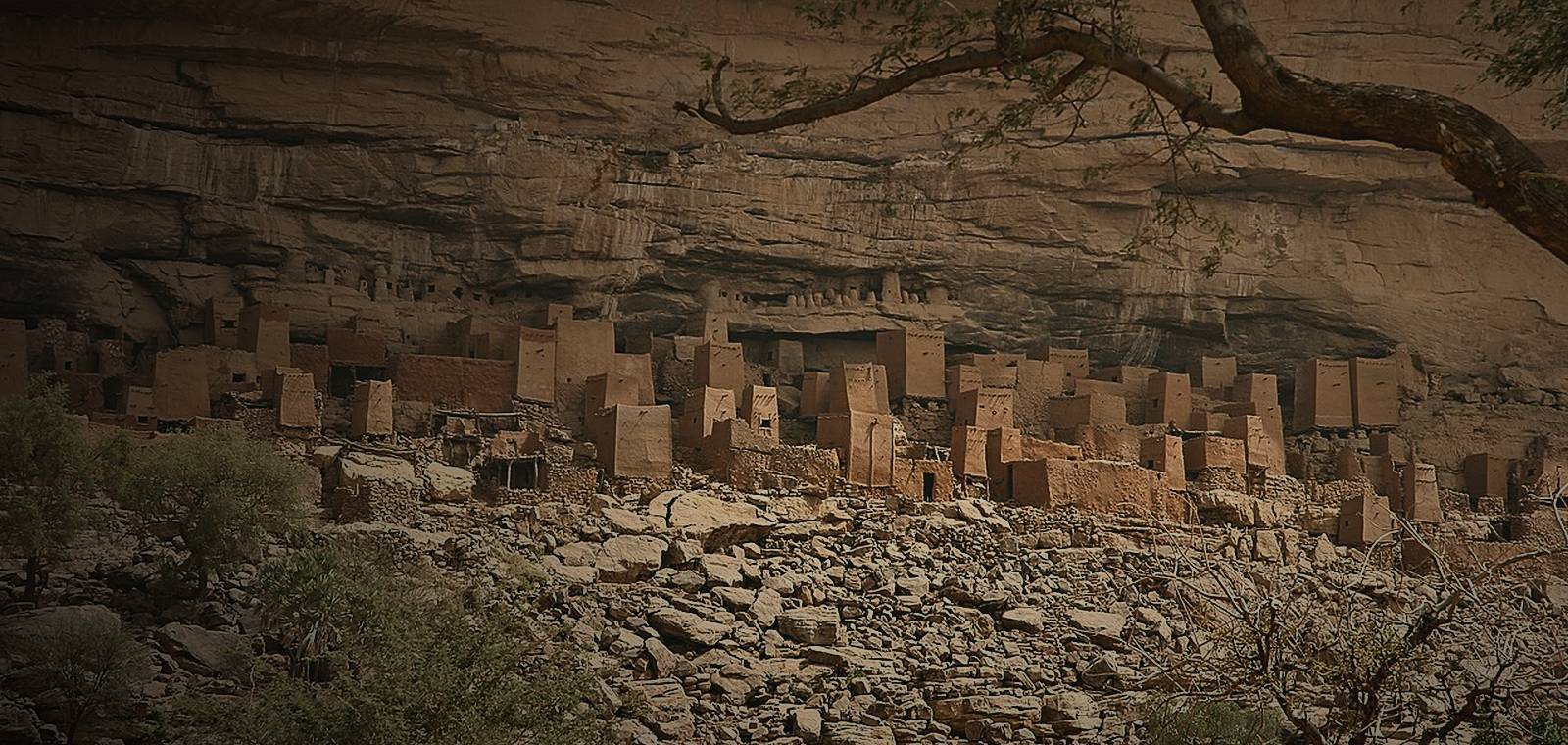
Temple argued that the Dogon of Mali knew Sirius has an invisible companion star and that this knowledge came from amphibious visitors remembered as Oannes. Anthropologists who later lived with the Dogon could not find this knowledge outside the circle of informants of one French researcher. Most scholars think the Sirius ideas came from 20th-century contact with Europeans, not ancient visitors.
What checks out
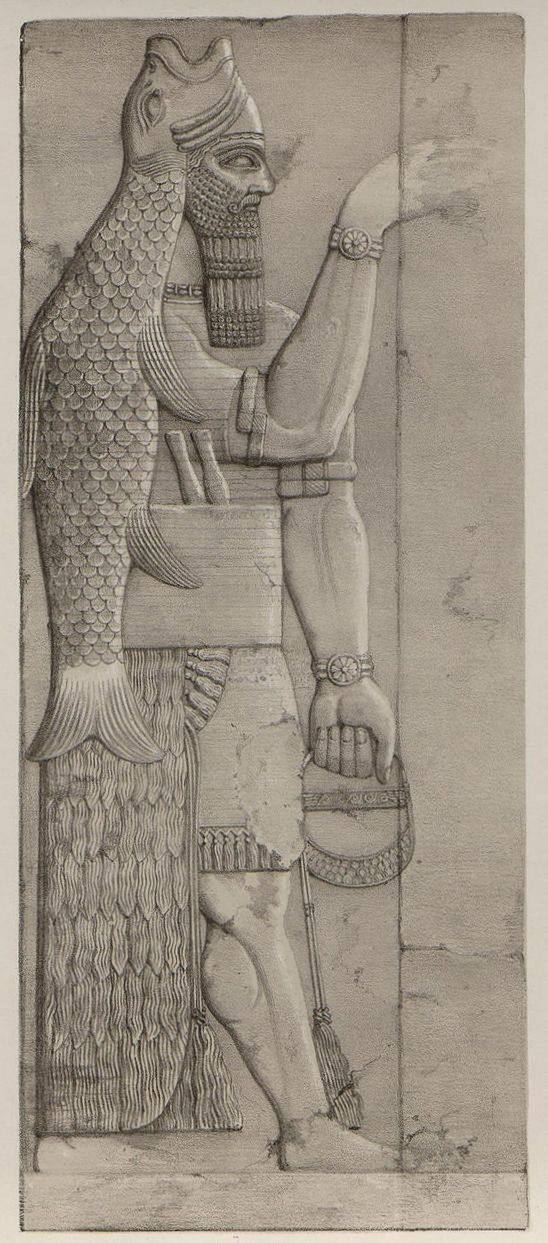
- Babylonian sources really do describe Oannes as a fish-like teacher of culture.
What does not
- Fieldwork by Walter van Beek found no Dogon who knew Sirius was a double star.
- The Dogon details he relied on came from Marcel Griaule's disputed interviews.
- Other claimed Dogon knowledge, such as a third star in the Sirius system, has not been confirmed.
Our main source for: Oannes as a memory of visitors from Sirius.
This rates how well the factual claims hold up against later evidence and scholarship. It is not a judgment of character or honesty. How the meter works
What is Robert Temple known for?
Robert K. G. Temple is a writer on ancient history and science. His best-known book, The Sirius Mystery, was published in 1976 and revised in 1998.
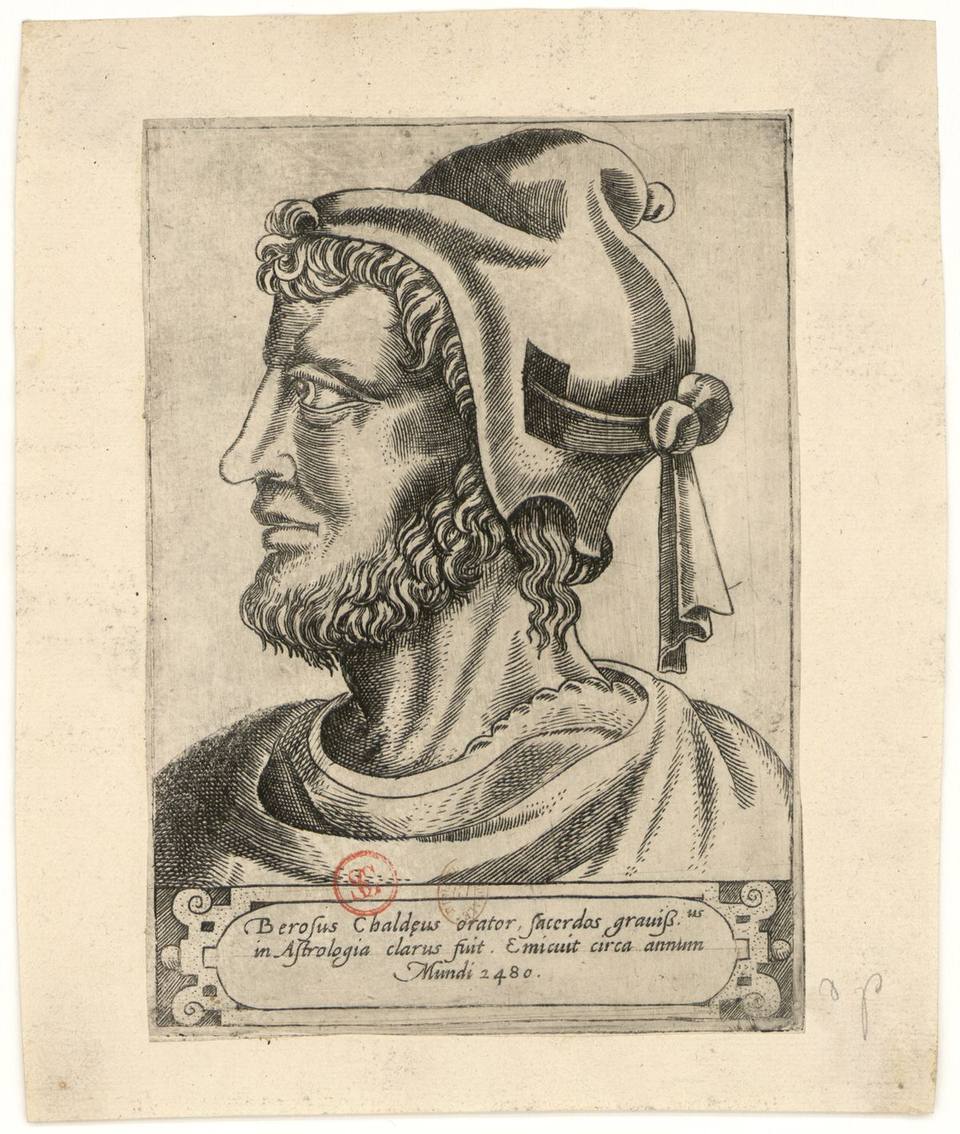
Temple started from reports by the French anthropologists Marcel Griaule and Germaine Dieterlen that the Dogon people of Mali knew that the star Sirius has an invisible companion, the white dwarf Sirius B. He argued that this knowledge came from amphibious beings from the Sirius system, the Dogon Nommo, and that the same visitors are remembered in the Babylonian Oannes, the fish-bodied teacher from the sea described by Berossus, and in Egyptian and Greek myths.
Critics answered on several fronts. Carl Sagan and the astronomy writer Ian Ridpath argued that the Dogon could have learned about Sirius B from Europeans, since it had been described by astronomers by the 1920s, and that the Dogon material included errors. The anthropologist Walter van Beek, who restudied the Dogon, found no evidence that they regarded Sirius as a double star. Scholars treat the hypothesis as unsupported; it remains a classic of ancient-astronaut literature.
Mentioned on these pages
- FileOannes
Linked people and places
Where this comes from
Comes from Wikipedia, 'The Sirius Mystery'. A free online encyclopedia written and edited by volunteers. It is a good starting point and usually lists its own sources, but anyone can change it, so we treat it as a guide to better sources, not the final word.
What this means
A real person with records. Sources are listed below.
For Robert Temple, the original record exists and is linked: Wikipedia, 'The Sirius Mystery'. That tells you the record is real and what it says. It does not mean every claim in it is true.
Primary records exist: an original document, a published text, an official file or a dated report. We link to them. This level says the record exists and what it says, not that every claim in it is true.
Sources
- WikipediaA free online encyclopedia written and edited by volunteers. It is a good starting point and usually lists its own sources, but anyone can change it, so we treat it as a guide to better sources, not the final word.Wikipedia, 'The Sirius Mystery'Reference Archived copy, 2026-05-25
- A.M. HeathA literary agency in London that represents authors. Its author pages are short profiles written to promote its clients.A.M. Heath Literary Agency, 'Robert Temple' (author page)Reference Archived copy, 2026-06-11
No public-domain picture of this person yet. We do not show drawn or generated likenesses.