Credible Theories Sign in

The record

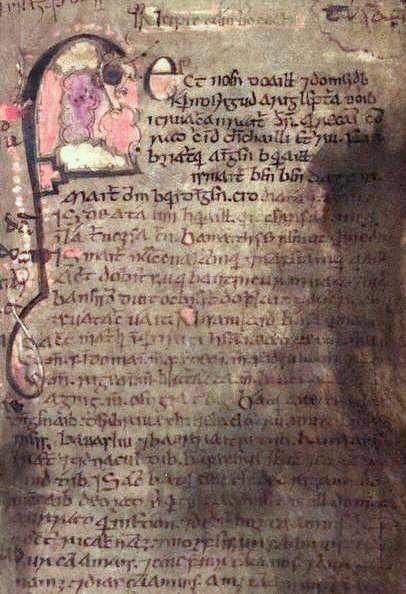
Balor is the most famous of the Fomorians, the monstrous race who oppose the Tuatha Dé Danann in Irish myth. His story is told in Cath Maige Tuired, the Second Battle of Mag Tuired, a text preserved in a sixteenth-century manuscript but written centuries earlier. Balor is Lugh's grandfather: his daughter Ethniu is Lugh's mother.

His weapon was an eye. The text says it was opened only on the battlefield, and that four men would raise the lid of the eye by a polished ring in its lid. If an army looked into it, even many thousands of warriors could not resist. The eye had gained its poison because his father's druids were brewing a charm, and the fumes of the mixture got into it.

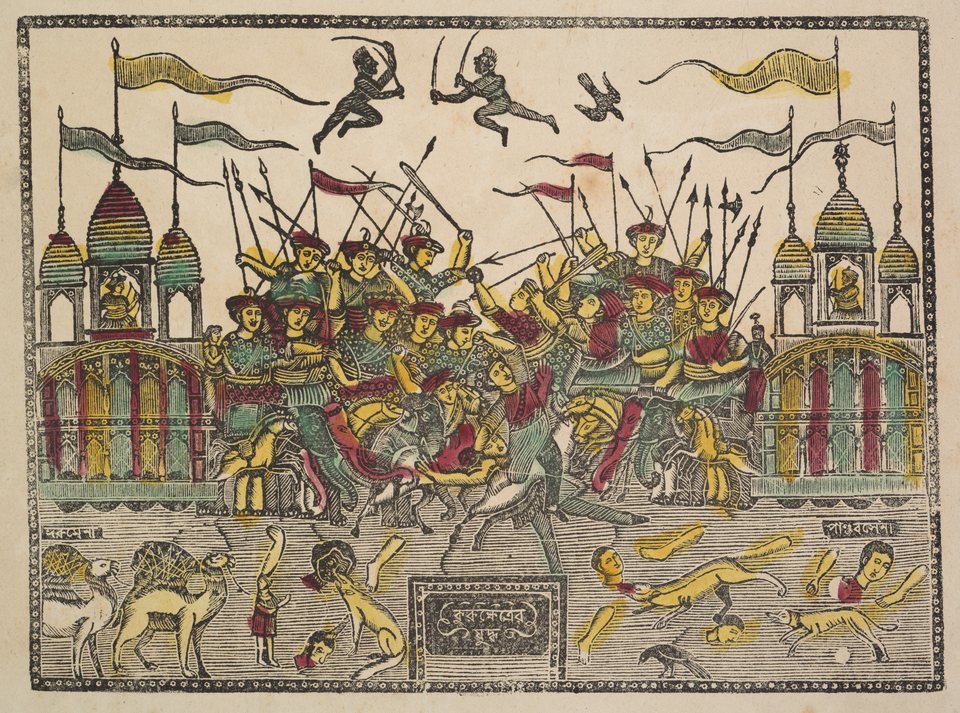
At the height of the battle, Balor calls for his eyelid to be raised so he can see the man speaking to him. Lugh hurls a sling stone that carried the eye through his head, and it was his own host that looked at it. The eye's gaze falls on the Fomorian army, and many of them die.

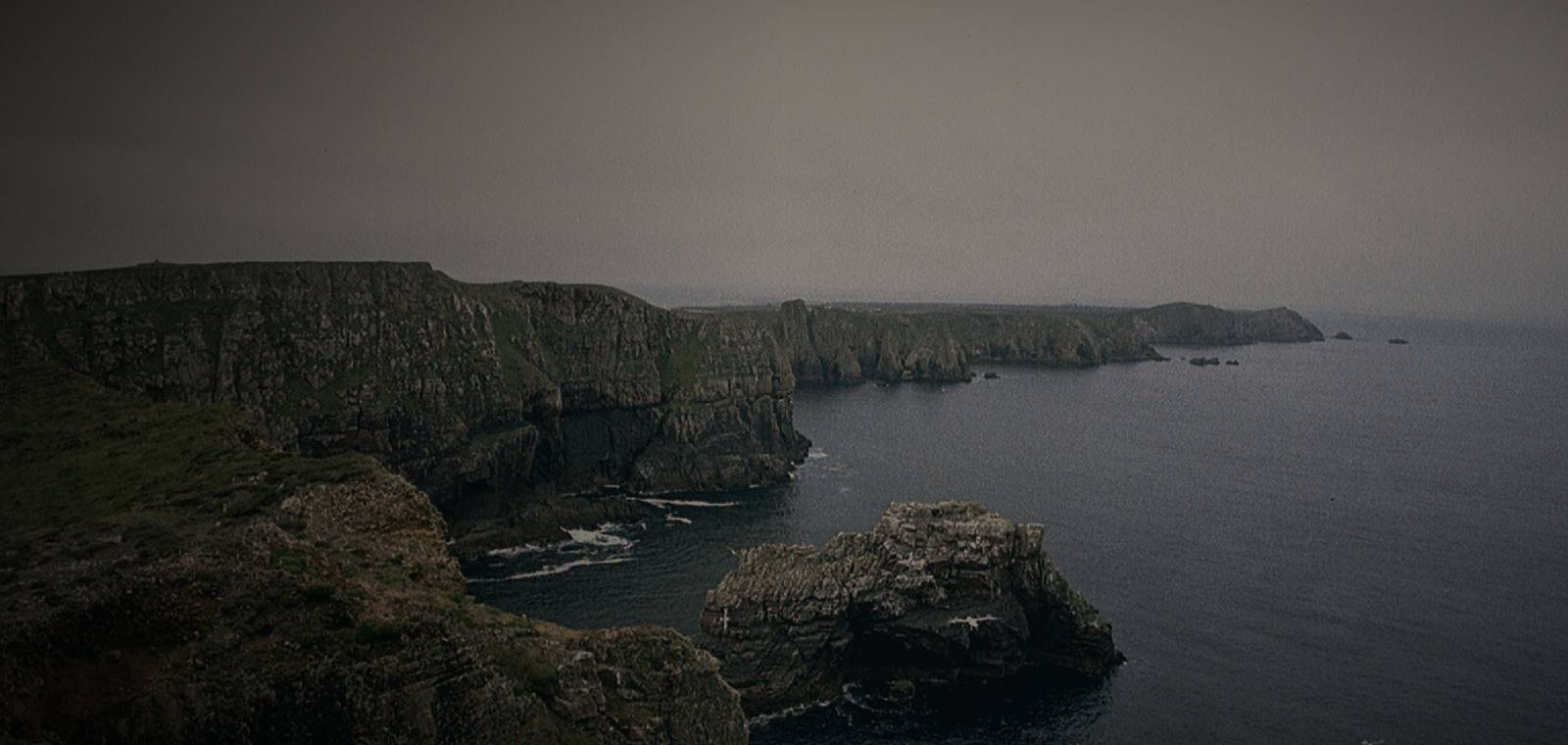
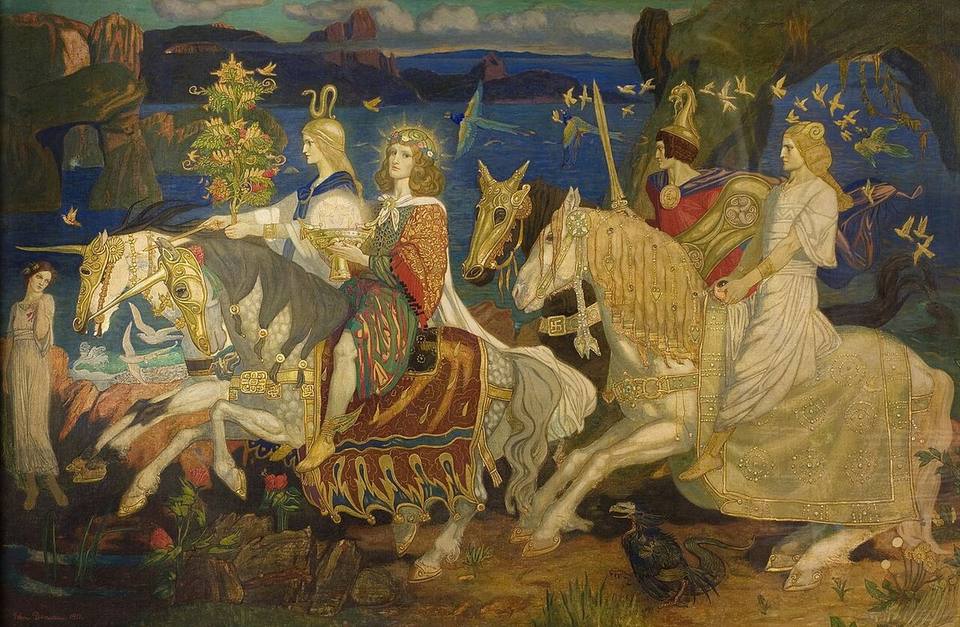
Scholars often read Balor as a figure of blight or the scorching sun, and his defeat by the young god Lugh as the victory of a new order. For modern readers the details stand out: a weapon that needs a crew of four and a handle to operate, and is lethal only when opened. Later folklore places Balor on Tory Island off Donegal.
Questions people ask about Balor

Where can I read the Second Battle of Mag Tuired?

The tale survives in a single sixteenth-century manuscript, Harley 5280, now in the British Library in London. Scholars think it was pieced together around the 12th century from older 9th-century material. Whitley Stokes published the first English translation in 1891, and Elizabeth A. Gray's 1982 edition is the one most experts use today. Older translations are free to read online.

Why did Balor lock his daughter in a tower?

In later Irish folklore, a druid warns Balor that his own grandson will kill him. To stop it, he shuts his daughter Ethniu away in a tower on Tory Island, where no man may see her. A man named Cian gets in anyway, and she gives birth to children. One baby escapes being drowned and grows up to be Lugh, who fulfills the prophecy.

Are there other one-eyed monsters like Balor?

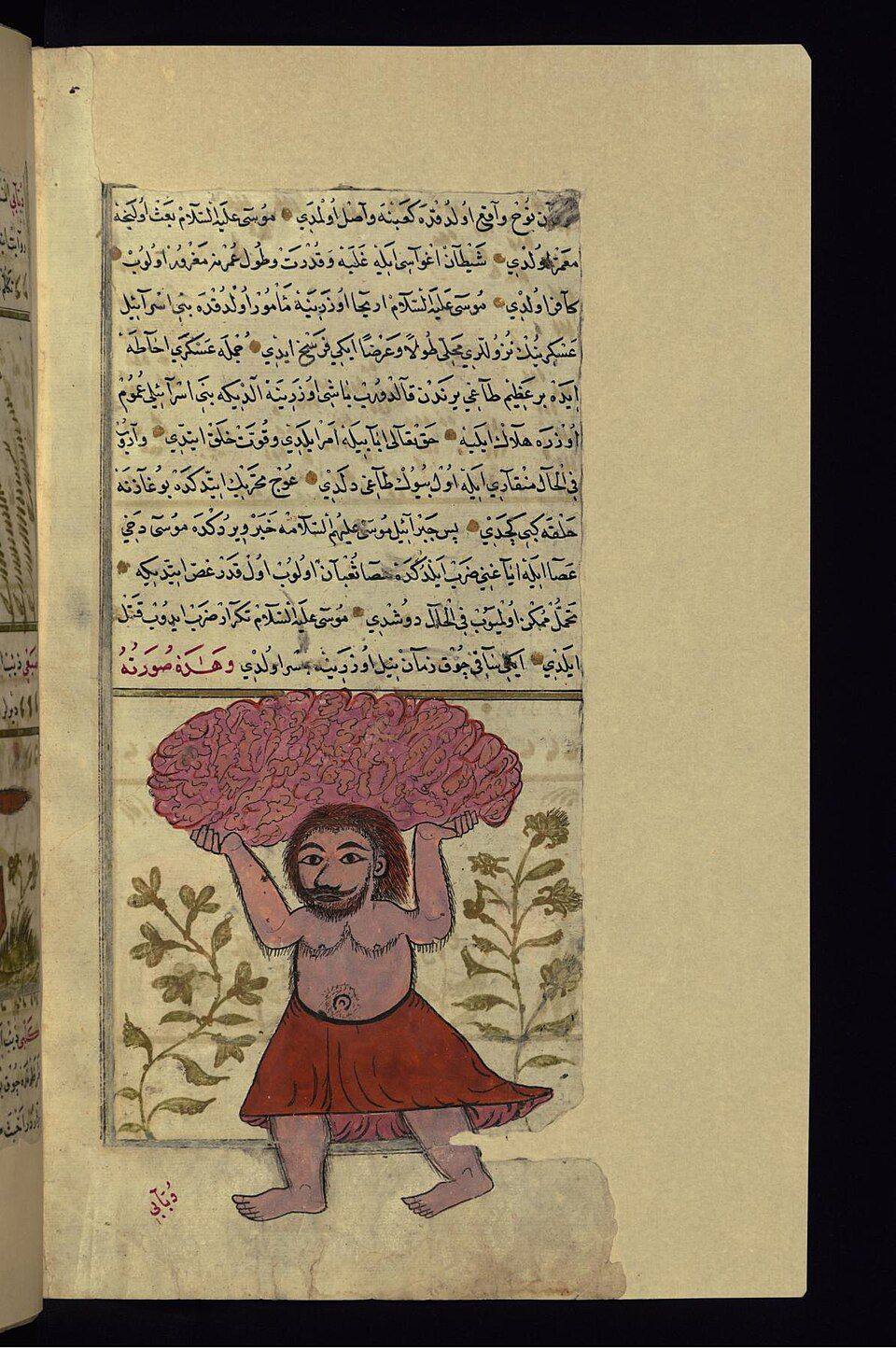
Yes. Greek myth has the Cyclopes, giants with a single eye in the middle of the forehead. Welsh legend has the giant Ysbaddaden in the tale Culhwch and Olwen, whose heavy eyelids must be propped open with forks before he can see. Folklorists see Balor as part of this wider family of giants with a dangerous or monstrous eye.

The open question

Still strange: Balor dies when a sling stone knocks his eye out through the back of his head, so its deadly gaze falls on his own army.

Tuatha Dé Danann: Who Were Ireland's Divine Race? →
  1. Step 1 of 4 · This fileBalor
  2. Step 2 of 4 · The passageBalor's killing eye, Second Battle of Mag Tuired
  3. Step 3 of 4 · Next fileTuatha Dé Danann: Who Were Ireland's Divine Race?
  4. Step 4 of 4 · Next fileBook of Invasions: The Lebor Gabála Érenn Explained
About these videos

Found by a YouTube search for this topic, not checked by us. The player loads from YouTube only when you press play.

Where it turns up

Where this comes from

EvidenceMyth or legend

Comes from Cath Maige Tuired (The Second Battle of Mag Tuired), trans. Elizabeth A. Gray (1982)…. An Irish saga in which the Tuatha Dé Danann, the old gods of Ireland, defeat the Fomorians, including Lug's fight with the one-eyed giant Balor. It survives in a single manuscript from the 1500s, now in the British Library, though the story is much older.

What this means

A story or tradition. It is documented as a story; nothing independent shows it happened.

Balor is known from stories, scripture or tradition. The texts are real and we quote them (for example Cath Maige Tuired (The Second Battle of Mag Tuired), trans. Elizabeth A. Gray (1982)…), but nothing outside those texts shows that Balor was real as described.

The page covers something known from myths, scripture or tradition. The texts are real and we quote them, but no independent record shows the events or beings were real.

See all five labels

Sources

  1. The Second Battle of Mag TuiredAn Irish saga in which the Tuatha Dé Danann, the old gods of Ireland, defeat the Fomorians, including Lug's fight with the one-eyed giant Balor. It survives in a single manuscript from the 1500s, now in the British Library, though the story is much older. Whitley Stokes first translated it in 1891.Cath Maige Tuired (The Second Battle of Mag Tuired), trans. Elizabeth A. Gray (1982); earlier trans. Whitley Stokes (1891)Primary text Archived copy, 2026-08-06
  2. WikipediaA free online encyclopedia written and edited by volunteers. It is a good starting point and usually lists its own sources, but anyone can change it, so we treat it as a guide to better sources, not the final word.Wikipedia, "Balor"Reference Archived copy, 2026-09-08
  3. WikipediaWikipedia, "Fomorians"Reference Archived copy, 2026-09-25

Quotations come from public-domain translations. A book in our Library links to its Library page; other links open the free online copy or the reference page.

Updated

Credible or not?

Tap one to see how other readers voted.

Discussion