Credible Theories Sign in
Other traditions · Bowuzhi (Zhang Hua); Shan Hai Jing tradition

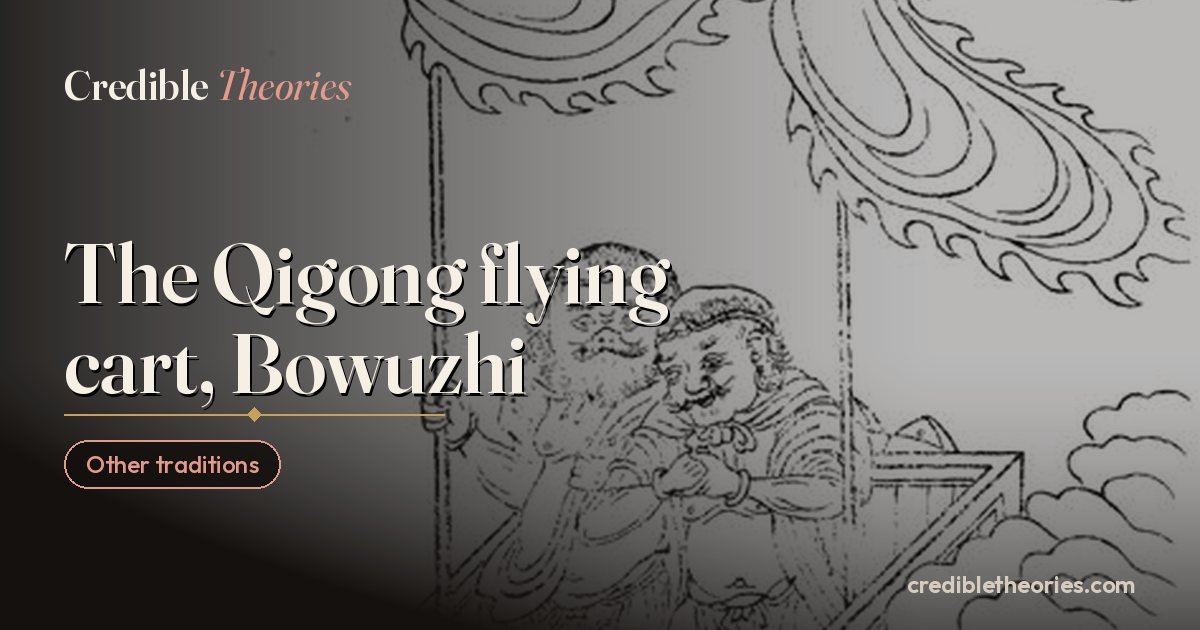
The Qigong flying cart, Bowuzhi

Share

In plain words

This is a summary from the Bowuzhi, a Chinese collection of strange facts and wonders gathered around 290 CE. It tells of the one-armed Qigong people, who build flying carts that ride the wind. One lands in the time of King Tang, who has it taken apart so his people will not see it. Ten years later the right wind comes, and the travelers rebuild it and fly home.

ReferenceBowuzhi (Zhang Hua); Shan Hai Jing tradition
Writtenc. 290 CE
SetKing Tang of Shang, c. 1600 BCE
The one-armed Qigong people build flying carts that ride the wind. One lands in the time of King Tang, who has it taken apart so his people will not see it. Ten years later, when the right wind comes, the travelers rebuild it and fly home.

Documented · Retold in English, c. 290 CE Summary by the editors. Translation: Summary in my own words

Read it literally

A downed craft hidden by the government, and visitors waiting for their ride home. The Roswell of ancient China.

What scholars say

A Jin dynasty book of marvels.

Themes From the sky Looks like technology
Questions people ask about Bowuzhi

When was the Bowuzhi written?

Zhang Hua compiled it around 290 CE. He was a scholar, poet and senior official of the Western Jin dynasty who lived from 232 to 300 CE. He was executed in a palace coup in 300, during the struggle known as the War of the Eight Princes. His book collects reports of strange lands, creatures and objects.

What does the Shan Hai Jing say about the Qigong people?

The Classic of Mountains and Seas lists a Qigong country in its chapters on lands beyond the seas. It describes the people as having one arm and three eyes and riding horses with patterned coats. Later writers, including Zhang Hua and the commentator Guo Pu, added the story about their flying carts.

Who was King Tang of Shang?

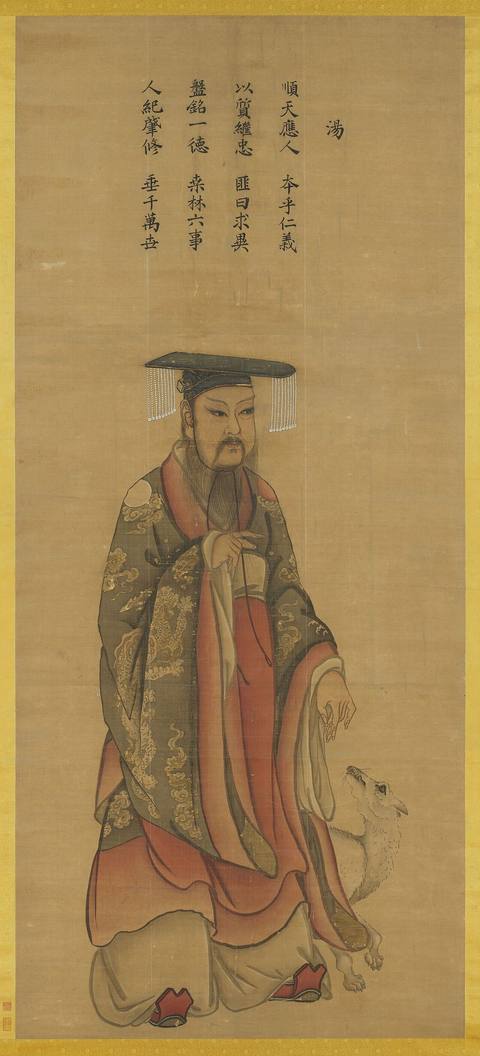
Tang was the founder of the Shang dynasty. Chinese tradition says he overthrew Jie, the cruel last ruler of the Xia dynasty, and he became a model of a wise and fair king in later writings. The Shang is the first Chinese dynasty confirmed by archaeology, including its inscribed oracle bones.

Used on these files

  • The Qigong Flying Cart: A Flying Machine in Ancient Chinese Texts Myth or legendA Chinese text compiled around 290 CE says a people from a far country built flying carts that ride the wind. One landed in the reign of King Tang, who had it taken apart so his people would not see it. Ten years later, an east wind came. What happened to the visitors then?

Where this comes from

EvidenceDocumented

Comes from The Bowuzhi (Records of Diverse Matters), Bowuzhi (Zhang Hua); Shan Hai Jing tradition. A Chinese collection of strange facts, places and wonders gathered by Zhang Hua, a scholar and official, around AD 290. It has a short entry on a far-off people who built flying chariots that rode the wind.

What this means

The text exists and is quoted from a published translation. What it describes is a separate question.

Primary records exist: an original document, a published text, an official file or a dated report. We link to them. This level says the record exists and what it says, not that every claim in it is true.

See all five labels

Sources

  1. The Bowuzhi (Records of Diverse Matters)A Chinese collection of strange facts, places and wonders gathered by Zhang Hua, a scholar and official, around AD 290. It has a short entry on a far-off people who built flying chariots that rode the wind. Part of the original was lost, and the version we have was put back together later.Zhang Hua, Bowuzhi (c. 290 CE), book 8, entry on the Qigong countryPrimary text

Scholarly dates are rounded. The wording follows the named public-domain translation.

More from Other traditions

The story before and after this one, and what each shares with The Qigong flying cart.

Photo credits
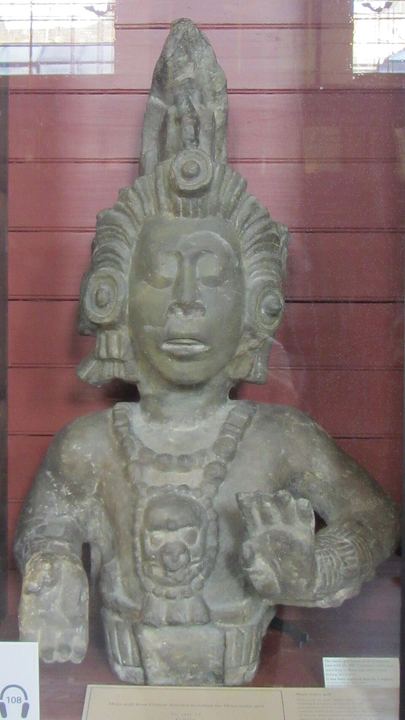
‹ Before thisThe first people could see too farPopol Vuh

In it, the gods make the first four humans from maize.

Same theme: Looks like technology
Photo credits
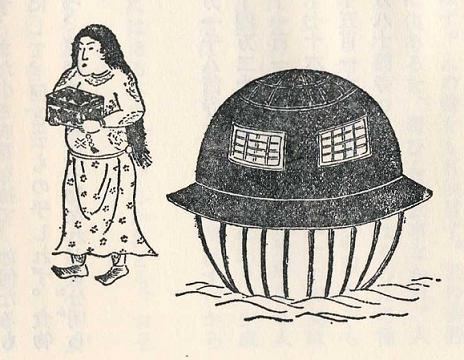
Next ›The hollow ship of HitachiUtsuro-bune (Toen Shosetsu, 1825)

In the tale, set in 1803, fishermen on the Japanese coast find a round boat with glass windows.

Same theme: From the skySame theme: Looks like technology

Updated

Discussion