The record
Arthur Weigall, a former Inspector-General of Antiquities, wrote down how the story began. Howard Carter kept a canary at his house. On the day, however, on which the entrance to the tomb was laid bare, a cobra entered the house, pounced on the bird, and swallowed it.
The cobra was the royal symbol on a pharaoh's forehead, so believers in omens took it as the dead king striking. Then, at the end of the season, Lord Carnarvon was stung mysteriously upon the face, and died.
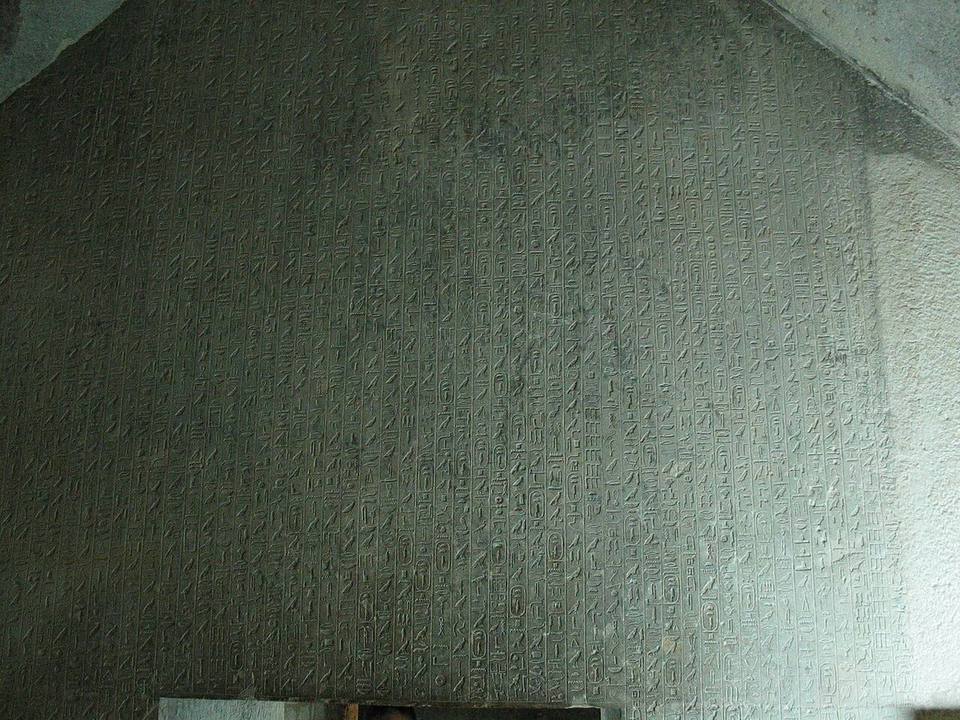
Weigall adds that the story spread of a specific curse written upon a wall of the royal sepulchre
, and says flatly: This, however, is not the case.
Curses on tombs were rare in Tutankhamun's time, he writes, and were aimed at robbers who might smash the mummy, not at people who came to restore the dead man's memory.
Carter answered the stories in the preface to his second volume in 1927. Newspapers had claimed there were physical dangers in the tomb, mysterious forces, called into being by some malefic power
. He wrote that there was perhaps no place in the world freer from risks than the tomb
, that tests found it sterile, and that the gossip was "ghostly" calumny that all sane people should dismiss
. In 2002 the BMJ published a study by Mark Nelson of the 44 Westerners Carter named as present in Egypt in those years. The 25 exposed at the tomb's openings died at a mean age of 70, against 75 for those not exposed, a difference the study found not significant.