Credible Theories Sign in

The record

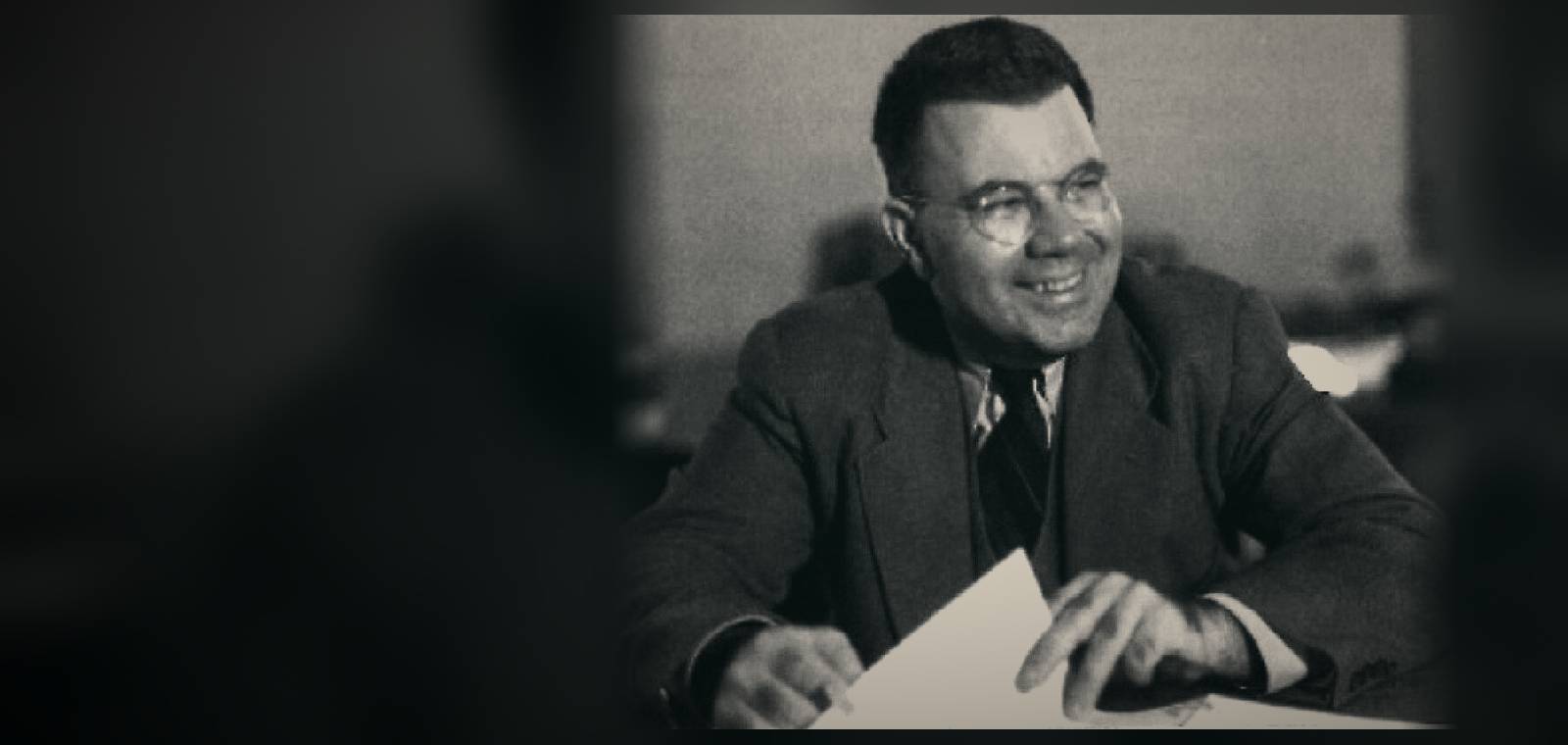
In 1966 the Air Force paid the University of Colorado in Boulder to study UFOs scientifically. The physicist Edward U. Condon led the roughly $500,000 project. The report was delivered in November 1968 and made public in January 1969. It ran to about 1,485 pages in hardcover and included 59 detailed case studies, covering photographs, radar-visual reports and sightings by astronauts.

Condon's summary is famous: Our general conclusion is that nothing has come from the study of UFOs in the past 21 years that has added to scientific knowledge. The report even recommended that teachers refrain from giving students credit for school work based on their reading of the presently available UFO books and magazine articles. A National Academy of Sciences panel reviewed the study and agreed that the least likely explanation of UFOs is the hypothesis of extraterrestrial visitations.

The project was controversial before it was finished. In an August 1966 memo, project coordinator Robert Low suggested the study could appear to the public as a totally objective study while looking to scientists like a group of non-believers trying their best to be objective. When the memo came out in 1968, Look magazine ran a story called Flying Saucer Fiasco, and the civilian group NICAP cut ties with the project.

The report ended Project Blue Book. According to the National Archives, the Air Force closed Blue Book on December 17, 1969, after evaluating the University of Colorado study and the National Academy of Sciences review of it. Blue Book's final tally was 12,618 reported sightings, 701 of them unidentified. In announcing the closure, the Air Force said there had been no evidence indicating that sightings categorized as 'unidentified' are extraterrestrial vehicles. The New York Times summed up the Colorado report in a headline: U.F.O. Finding: No Visits From Afar.
Questions people ask about The Condon Report

Why was the Condon Report controversial?

In a 1966 memo, project coordinator Robert Low suggested the study could look "totally objective" to the public while appearing to scientists as "a group of non-believers trying their best to be objective." When it came out in 1968, Look ran "Flying Saucer Fiasco," and NICAP cut ties. Critics said the conclusion was decided in advance.

Who was Edward Condon?

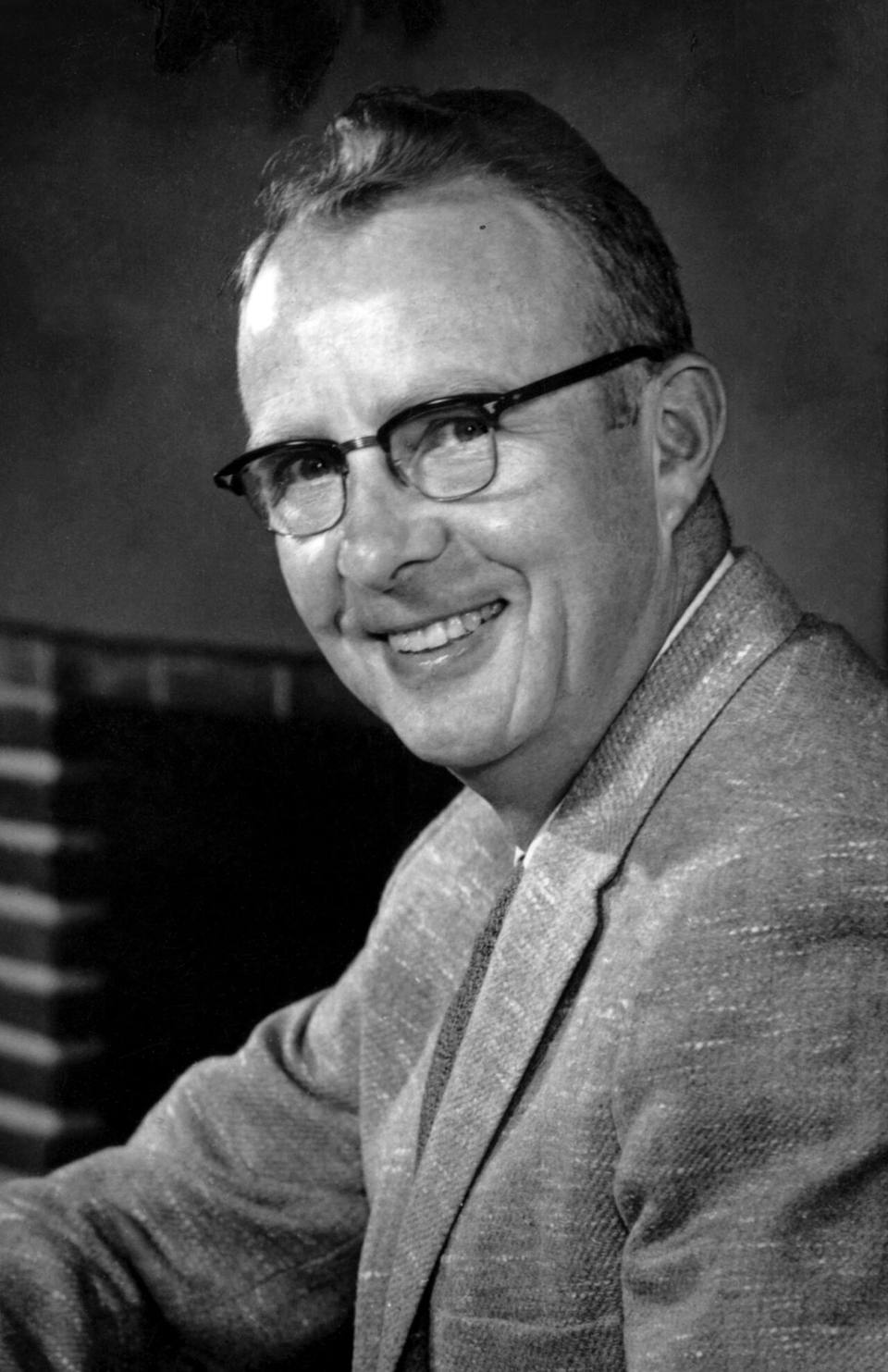
Edward U. Condon was a leading American physicist known for early work in quantum mechanics. He directed the National Bureau of Standards from 1945 to 1951 and served as president of the American Physical Society. In the late 1940s the House Un-American Activities Committee accused him of being a security risk, but he was never charged and many scientists defended him.

Did any scientists disagree with the Condon Report?

Yes. Atmospheric physicist James E. McDonald of the University of Arizona argued that many strong cases were brushed aside. J. Allen Hynek, the astronomer who had advised Project Blue Book for about twenty years, also criticized it and later founded the Center for UFO Studies in 1973. Hynek pointed out that the team could not explain more than a quarter of the cases it examined.

The open question

Still strange: A UFO report that told teachers how to grade.

Big scientific reports rarely tell teachers how to grade. This one did, because it concluded that 21 years of UFO study had added nothing to science. Critics argued the study had made up its mind before it started.

What Was Project Blue Book? Inside the Air Force UFO Files →
  1. Step 1 of 4 · This fileThe Condon Report
  2. Step 2 of 4 · Next fileWhat Was Project Blue Book? Inside the Air Force UFO Files
  3. Step 3 of 4 · Next fileThe Robertson Panel: Why a CIA Panel Wanted to Debunk UFOs
  4. Step 4 of 4 · Next fileThe 1952 Washington UFO Sightings: What Did Radar See?
About these videos

Found by a YouTube search for this topic, not checked by us. The player loads from YouTube only when you press play.

Where this comes from

EvidenceDocumented

Comes from Unidentified Flying Objects and Air Force Project Blue Book, U.S. National Archives. The US Air Force program that collected and studied UFO reports from 1952 until it closed in 1969, after earlier projects named Sign and Grudge. It logged 12,618 sightings and found most had ordinary causes; 701 stayed 'unidentified'.

What this means

The original document is public and linked below.

For The Condon Report, the original record exists and is linked: Unidentified Flying Objects and Air Force Project Blue Book, U.S. National Archives. That tells you the record is real and what it says. It does not mean every claim in it is true.

Primary records exist: an original document, a published text, an official file or a dated report. We link to them. This level says the record exists and what it says, not that every claim in it is true.

See all five labels

Sources

  1. Project Blue BookThe US Air Force program that collected and studied UFO reports from 1952 until it closed in 1969, after earlier projects named Sign and Grudge. It logged 12,618 sightings and found most had ordinary causes; 701 stayed 'unidentified'. Its records are at the US National Archives.Unidentified Flying Objects and Air Force Project Blue Book, U.S. National ArchivesPrimary text Archived copy, 2026-09-27
  2. The Condon Report (Scientific Study of Unidentified Flying Objects)A study of UFO reports led by the physicist Edward Condon at the University of Colorado for the US Air Force, 1966 to 1968. Its report, made public in January 1969, said more study of UFOs was unlikely to add to science, and the Air Force closed Project Blue Book that year. Critics said it was biased.Scientific Study of Unidentified Flying Objects, Section I: Conclusions and Recommendations (text of the Condon Report hosted by NCAS)Reference Archived copy, 2026-08-14
  3. WikipediaA free online encyclopedia written and edited by volunteers. It is a good starting point and usually lists its own sources, but anyone can change it, so we treat it as a guide to better sources, not the final word.Condon Committee, WikipediaReference Archived copy, 2026-09-11
  4. Boulder Reporting LabA nonprofit local news website in Boulder, Colorado, home of the University of Colorado.The U.S. Air Force once paid CU Boulder to study UFOs. Here's what it found., Boulder Reporting Lab, June 25, 2026Reference Archived copy, 2026-08-05
  5. Patrick Gross's UFO press archiveA French researcher's website that retypes newspaper articles about UFO sightings word for word, with the paper's name and date. The original newspaper is the source; this site is a transcription of it.John G. Fuller, 'Flying Saucer Fiasco', Look, May 14, 1968 (full text, quoting the Low memo of August 9, 1966), transcribed by Patrick GrossReference

Quotations come from public-domain translations. A book in our Library links to its Library page; other links open the free online copy or the reference page.

Updated

Credible or not?

Tap one to see how other readers voted.

Discussion