












What is Eratosthenes known for?
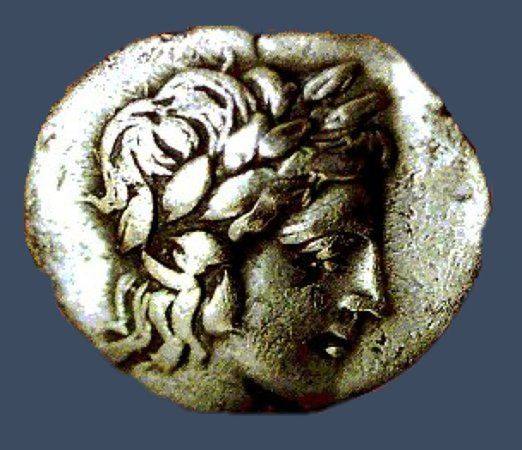
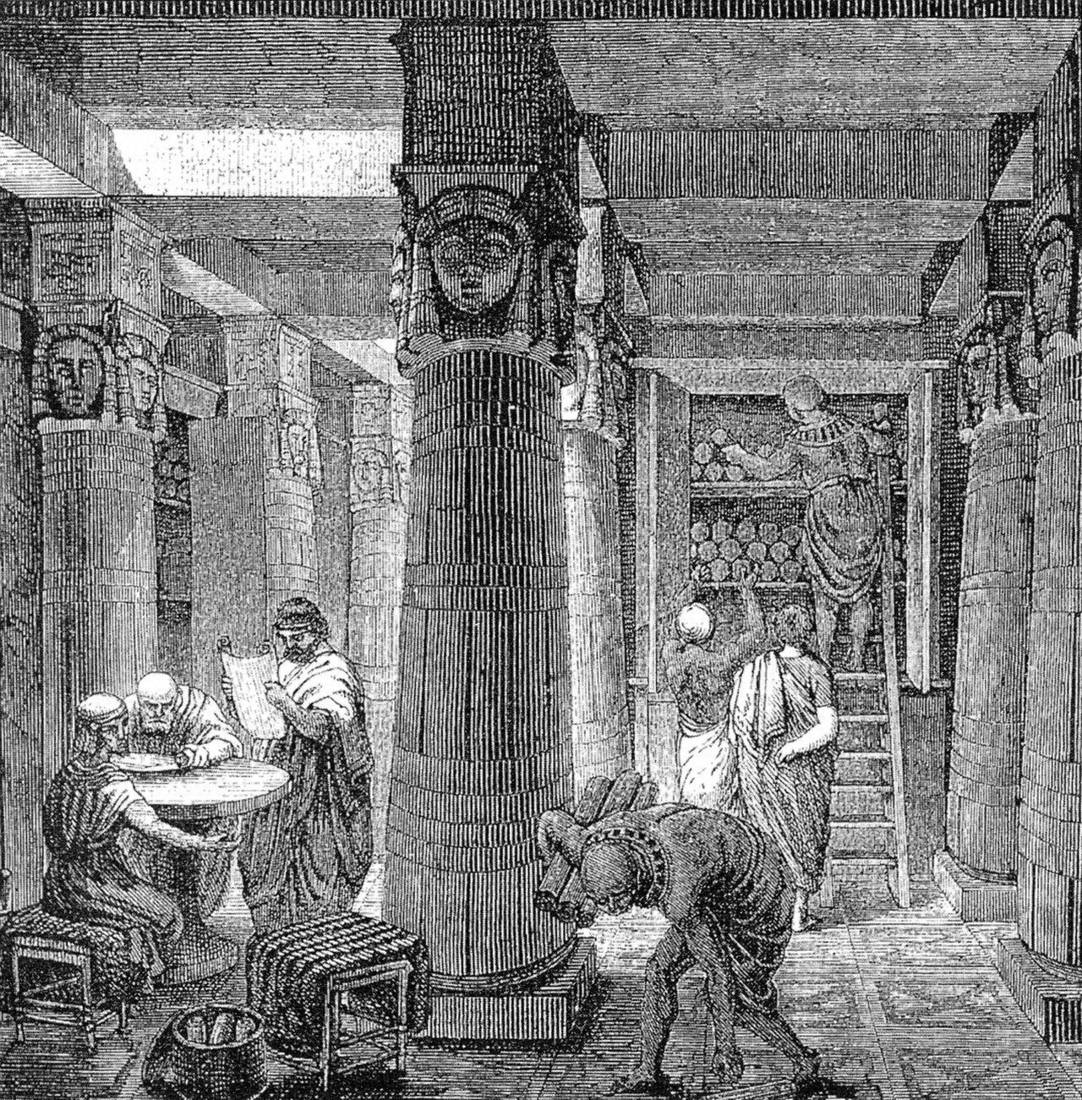
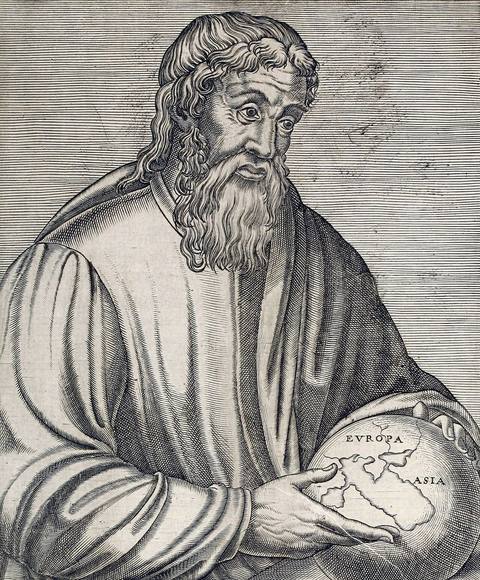
Eratosthenes was a Greek scholar from Cyrene in North Africa who became director of the Library of Alexandria. He worked across geography, astronomy, mathematics, chronology and poetry.
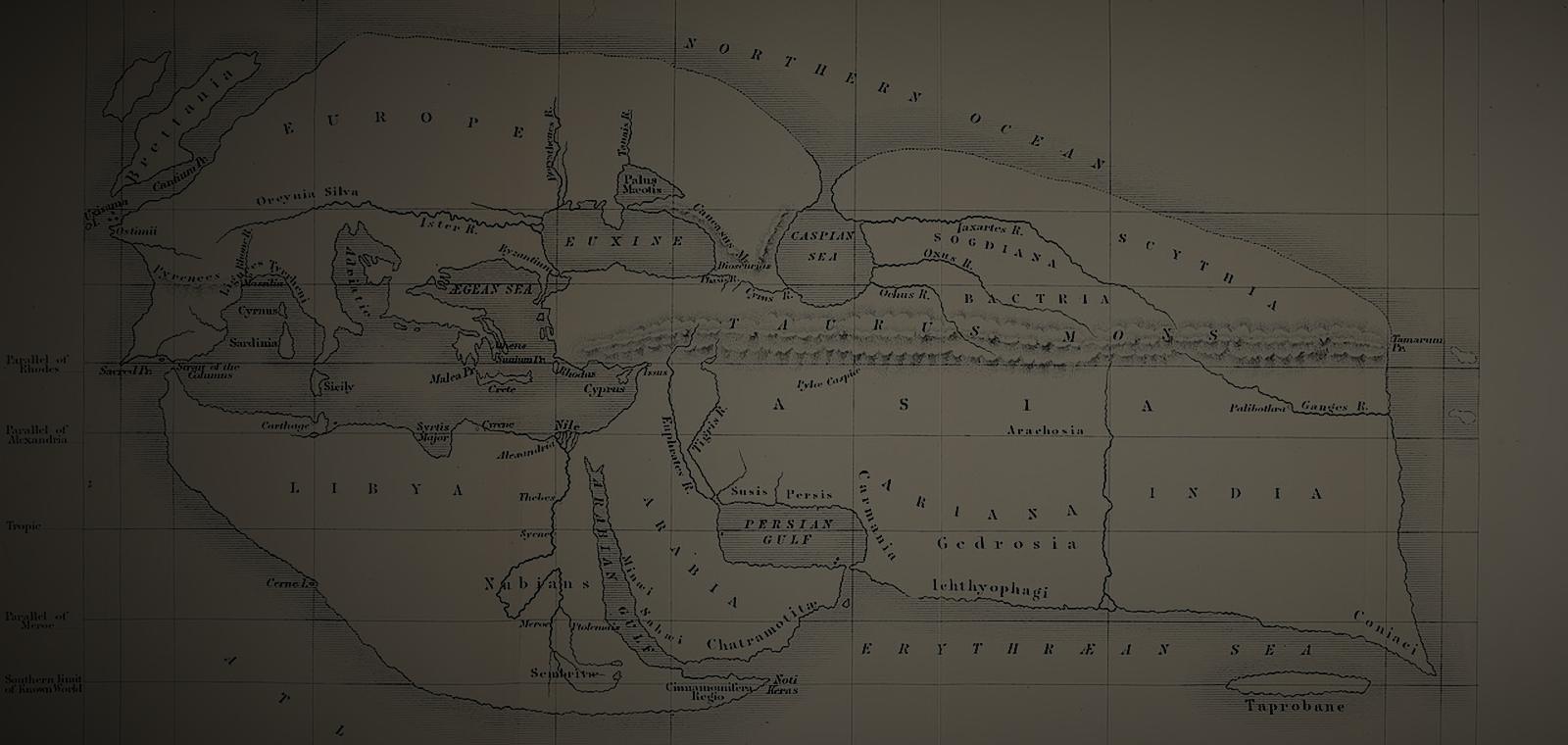
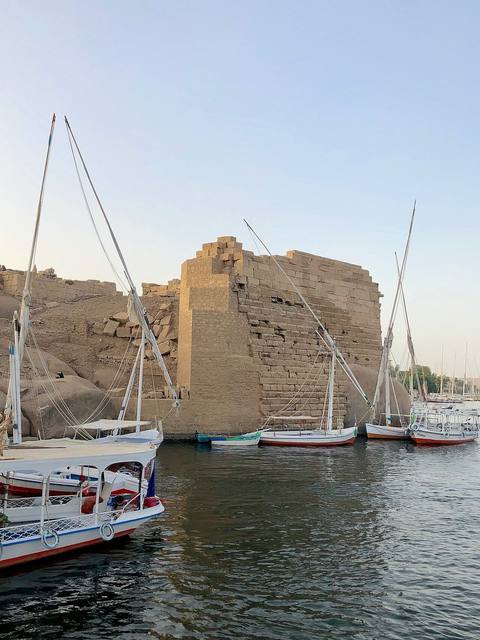
He is best known for making the first measurement of the size of the Earth for which details survive. Comparing the angle of the noon Sun at Syene (Aswan) and Alexandria, and the distance between them, he estimated the Earth's circumference with remarkable closeness. He also drew a map of the known world with lines of latitude and longitude and tried to fix dates for Greek history.
His own geographical works are lost and survive mainly through later writers, especially Strabo. One such report concerns Helike, the city destroyed by earthquake and sea in 373 BCE. According to Strabo, Eratosthenes had been told by ferrymen that a bronze statue of Poseidon still stood upright in the water there, a danger to fishermen's nets.
Titles and honors
- Offices held
- Chief Librarian, Library of Alexandria from 246 BCE
The same story, told elsewhere
Shared story · Floods and lost lands
Lost Lands Under the Sea: Atlantis, Dvaraka and Ys
A rich city, a proud people and one terrible day when the sea comes in and never leaves. Greece, India, Egypt, Wales, Cornwall and Brittany all tell of a land that now lies under the waves.
Strabo, Geography (the sinking of Helike) is one telling. The same story is told 8 more times, in 4 parts of the world. Follow it:
- Ancient EgyptianEgypt · c. 1900-1800 BCE · Ancient text
- Hindu (Sanskrit epic)Dvaraka · c. 400 BCE · Ancient text
- Greek, retold in a Roman-era geographyHelike, on the Gulf of Corinth, Greece · 373 BCE · Ancient textTied to this page
- GreekAthens · c. 360 BCE · Ancient text
- Tamil (South India)Tamil Nadu, southern tip of India · c. 5th-6th century CE · Ancient text
- WelshCardigan Bay, Wales · c. 1250 CE · Medieval text
- BretonBay of Douarnenez, Brittany, France · 15th century · Retold in English
- CornishBetween Land's End and the Isles of Scilly, Cornwall, England · c. 1478 · Medieval text
- Modern science (19th-century Europe)Germany and Britain · 1864 · Modern book
The open question: Do these stories keep real memories of lost coastlines, or is a drowned city simply a story people tell to warn against pride? Join the debate
Mentioned on these pages
- FileHelike
- PersonApollonius of Rhodes
- PersonStrabo
- PlaceAswan
Linked people and places
Where this comes from
Comes from Encyclopaedia Britannica, 'Eratosthenes'. An encyclopedia first published in Scotland in 1768 and now online. Its articles are written and checked by named experts and editors, which makes it a reliable source for basic facts.
What this means
A real person with records. Sources are listed below.
For Eratosthenes, the original record exists and is linked: Encyclopaedia Britannica, 'Eratosthenes'. That tells you the record is real and what it says. It does not mean every claim in it is true.
Primary records exist: an original document, a published text, an official file or a dated report. We link to them. This level says the record exists and what it says, not that every claim in it is true.
Sources
- Encyclopaedia BritannicaAn encyclopedia first published in Scotland in 1768 and now online. Its articles are written and checked by named experts and editors, which makes it a reliable source for basic facts.Encyclopaedia Britannica, 'Eratosthenes'Reference Archived copy, 2026-07-23
- WikipediaA free online encyclopedia written and edited by volunteers. It is a good starting point and usually lists its own sources, but anyone can change it, so we treat it as a guide to better sources, not the final word.Wikipedia, 'Eratosthenes'Reference Archived copy, 2026-09-10