












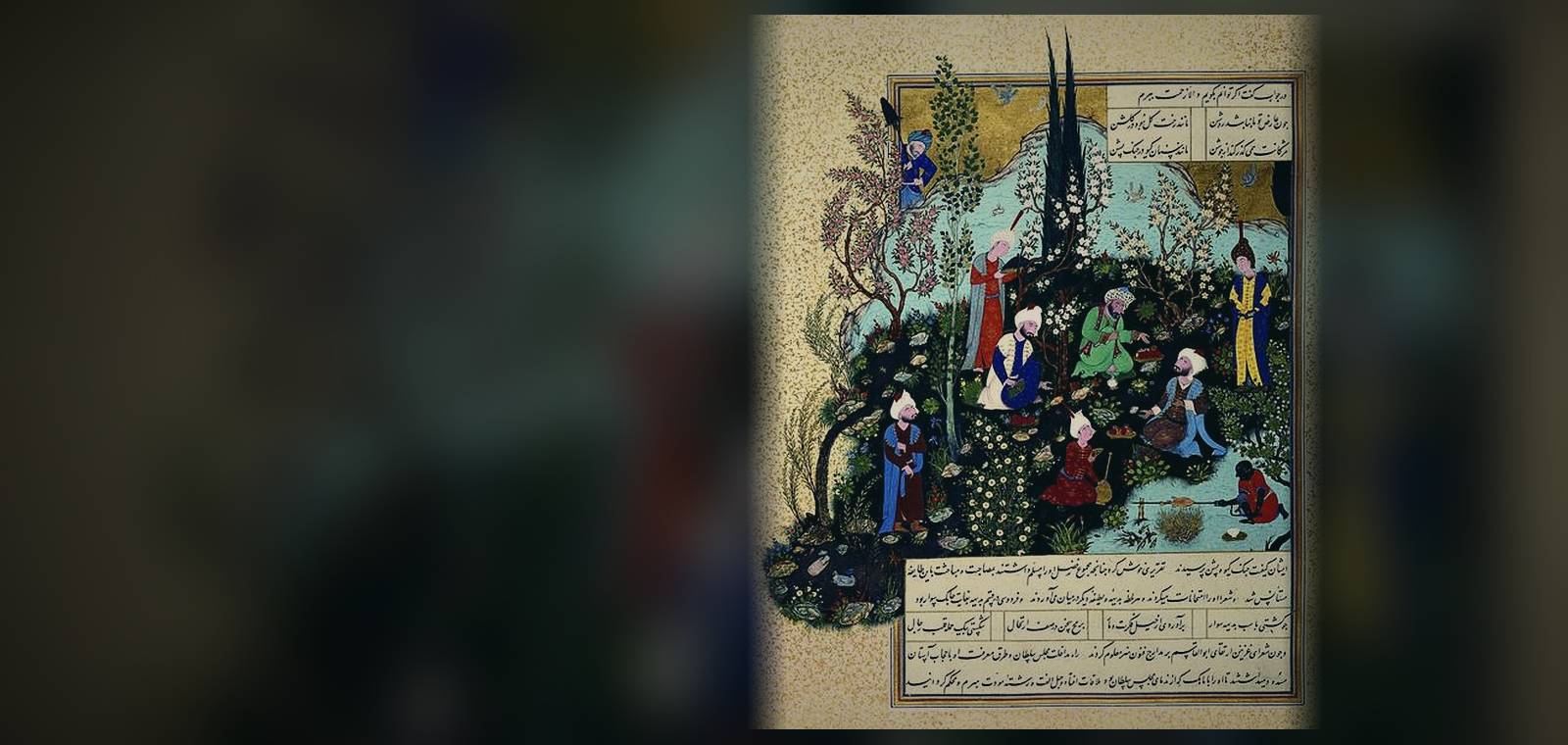
What is Ferdowsi known for?
Ferdowsi was born around 935 near Tus in northeastern Iran and died there around 1020. He spent decades writing the Shahnameh, the 'Book of Kings', finished around 1010. Britannica notes that he drew on an earlier prose version but gave the material its final and enduring form. The poem is one of the longest ever written by a single author.
The Shahnameh tells the history of Iran from the first kings through the Arab conquest in the seventh century. Its early legendary part includes Jamshid, the Persian form of the ancient figure Yima, a glorious king whose throne is lifted into the sky by demons, an event the poem links with the Nowruz new year festival.
The epic is a foundation of Persian literature and helped preserve Persian language and pre-Islamic tradition.
The same story, told elsewhere
Shared story · Beginnings
Stealing Fire: Prometheus, Maui and the Water Spider
Fire was kept from people, hidden away by gods or guarded by jealous owners, until someone took it. A Greek god hides it in a hollow stalk, a Maori hero tricks it out of his grandmother, and a little Cherokee spider carries a coal home on her back.
Ferdowsi, Shahnameh (Hushang and the Feast of Sada) is one telling. The same story is told 6 more times, in 6 parts of the world. Follow it:
- Vedic IndiaNorthwestern India · c. 1500-1000 BCE · Ancient text
- GreekBoeotia, Greece · c. 700 BCE · Ancient text
- PersianIran · c. 1010 CE · Medieval textTied to this page
- Maori (New Zealand)New Zealand · 1840 · Recorded folklore
- CherokeeSouthern Appalachians · 1887-1890 · Recorded folklore
- Aboriginal Australian (Noongahburrah)Northwestern New South Wales, Australia · 1896 · Recorded folklore
- Pacific Northwest (Native American)Columbia River country, Pacific Northwest, USA · 1910 · Retold in English
The open question: Are these stories a real memory of how precious and hard to get fire once was, or just a natural way for any people to explain where a useful thing came from? Join the debate
Mentioned on these pages
Linked people and places
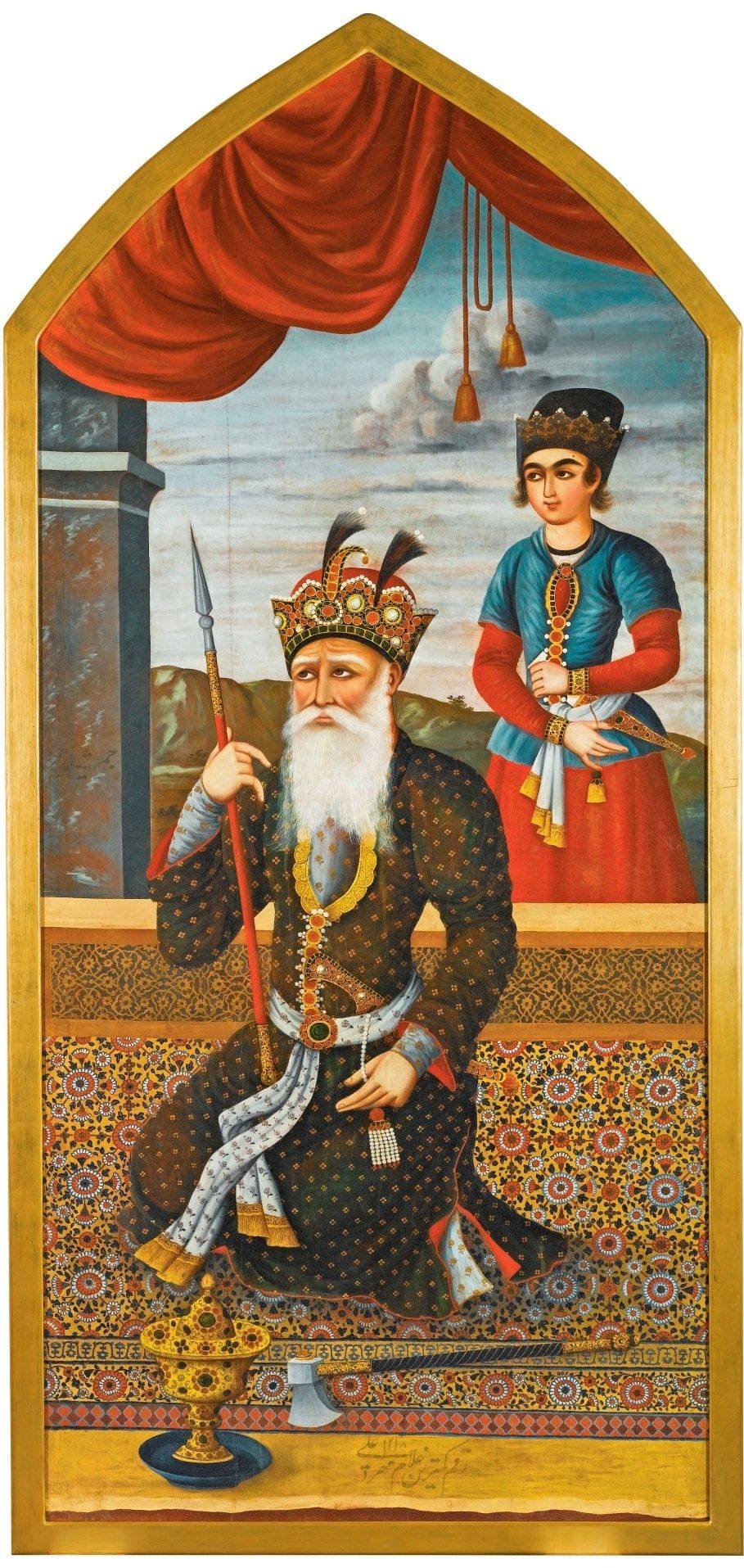
Where this comes from
Comes from Encyclopaedia Britannica, 'Ferdowsī'. An encyclopedia first published in Scotland in 1768 and now online. Its articles are written and checked by named experts and editors, which makes it a reliable source for basic facts.
What this means
A real person with records. Sources are listed below.
For Ferdowsi, the original record exists and is linked: Encyclopaedia Britannica, 'Ferdowsī'. That tells you the record is real and what it says. It does not mean every claim in it is true.
Primary records exist: an original document, a published text, an official file or a dated report. We link to them. This level says the record exists and what it says, not that every claim in it is true.
Sources
- Encyclopaedia BritannicaAn encyclopedia first published in Scotland in 1768 and now online. Its articles are written and checked by named experts and editors, which makes it a reliable source for basic facts.Encyclopaedia Britannica, 'Ferdowsī'Reference Archived copy, 2026-09-28
- WikipediaA free online encyclopedia written and edited by volunteers. It is a good starting point and usually lists its own sources, but anyone can change it, so we treat it as a guide to better sources, not the final word.Wikipedia, 'Ferdowsi'Reference Archived copy, 2026-09-10