Credible Theories Sign in

The record

Zecharia Sitchin (1920–2010) was born in Baku, grew up in Mandatory Palestine, and worked as a journalist and business executive in New York. In 1976 he published The 12th Planet, the first of the Earth Chronicles series, arguing that Sumerian texts preserve the history of visitors from a hidden planet.

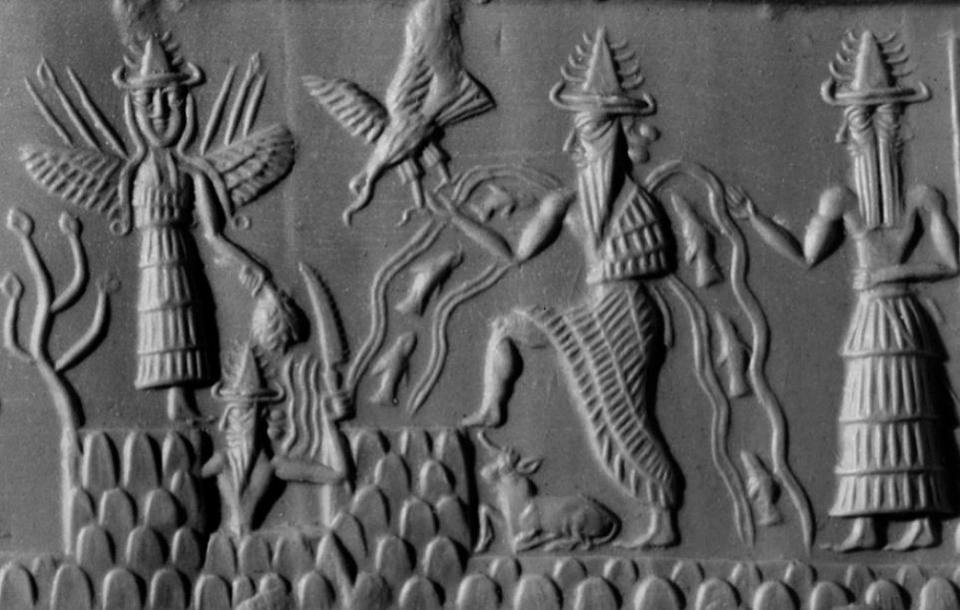
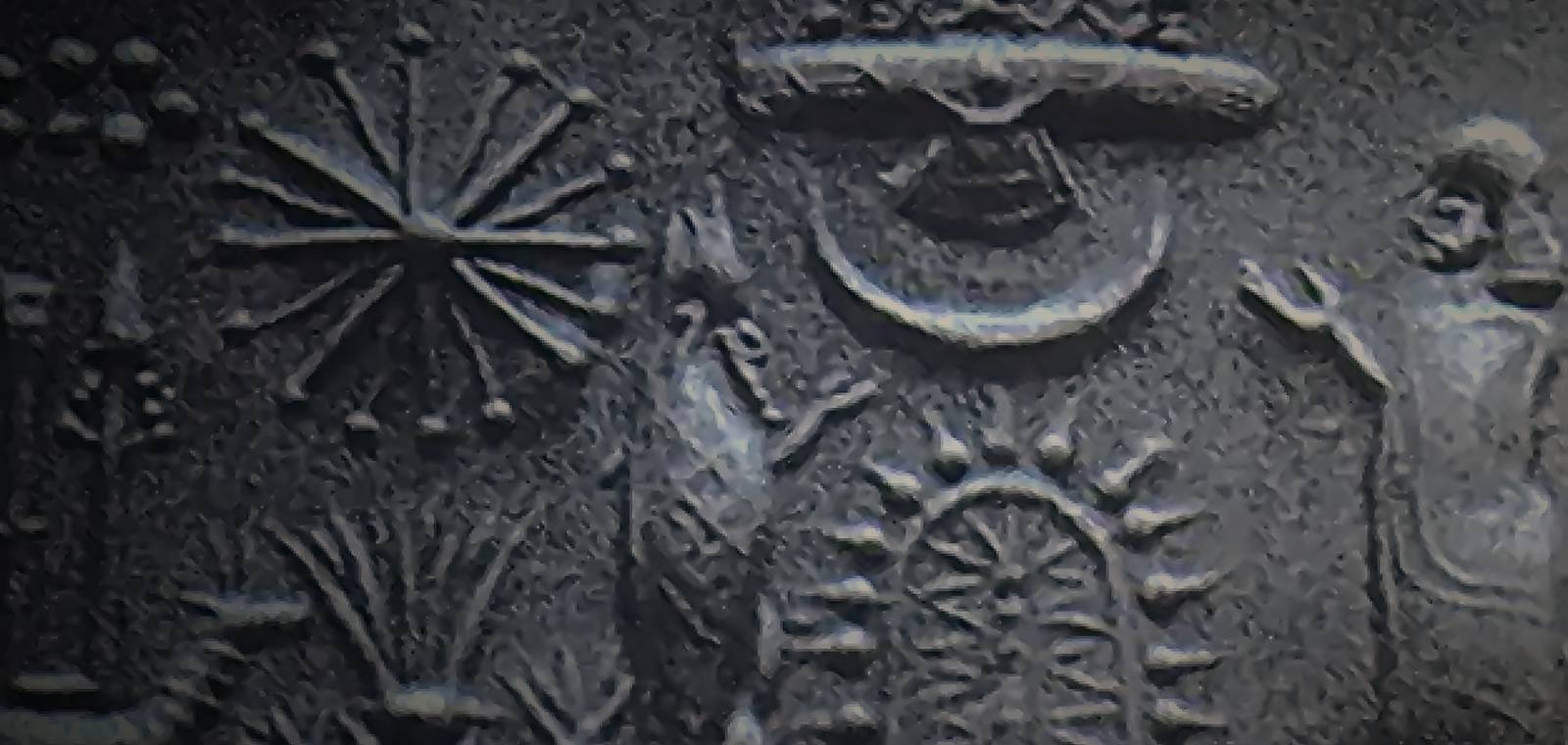
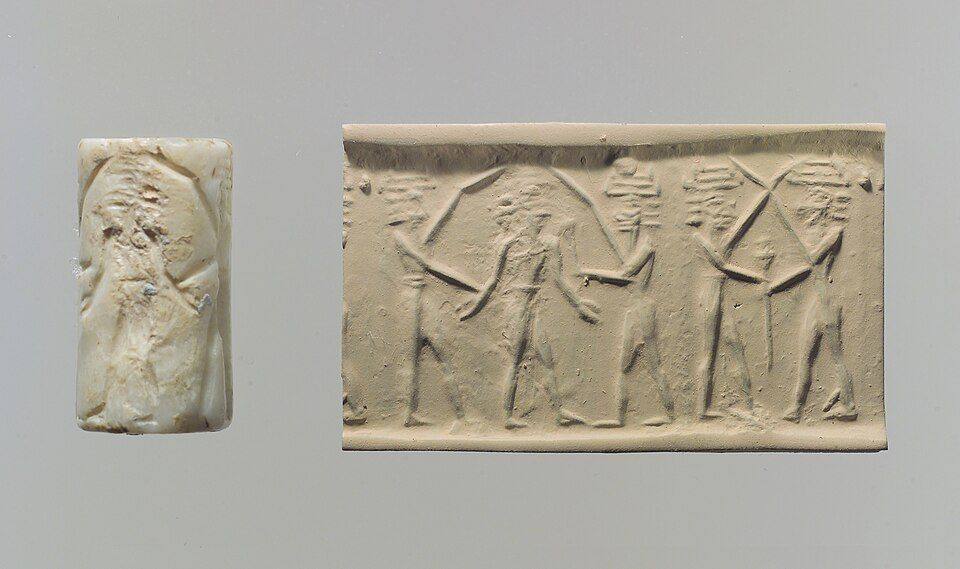
His claims: a twelfth planet, Nibiru, orbits the sun every 3,600 years; its people, the Anunnaki, came to Earth to mine gold; they genetically engineered humans as workers; and Tiamat was a planet destroyed in a collision that formed Earth. He also argued that a cylinder seal in Berlin, VA 243, shows the solar system.

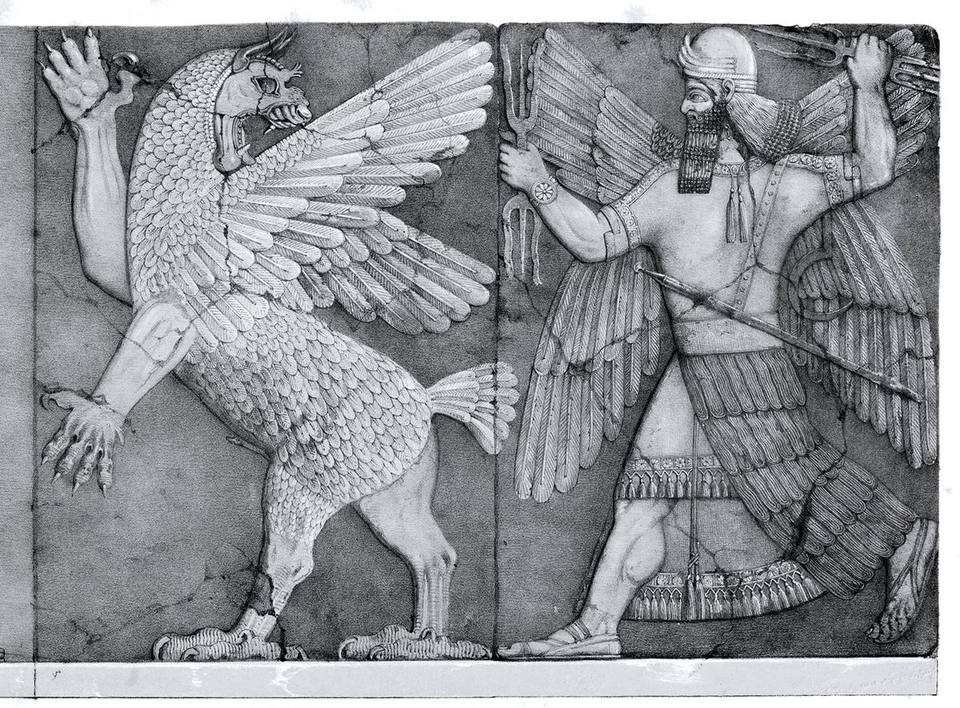
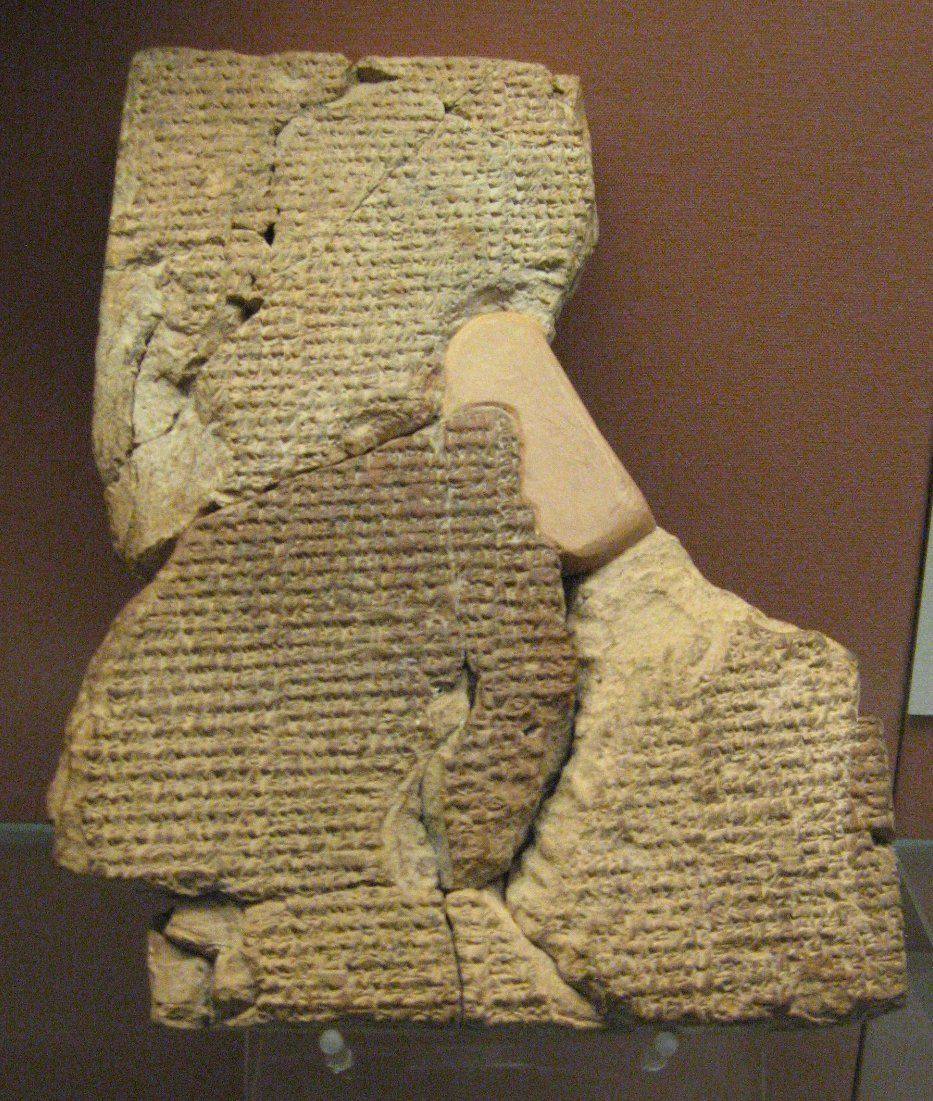
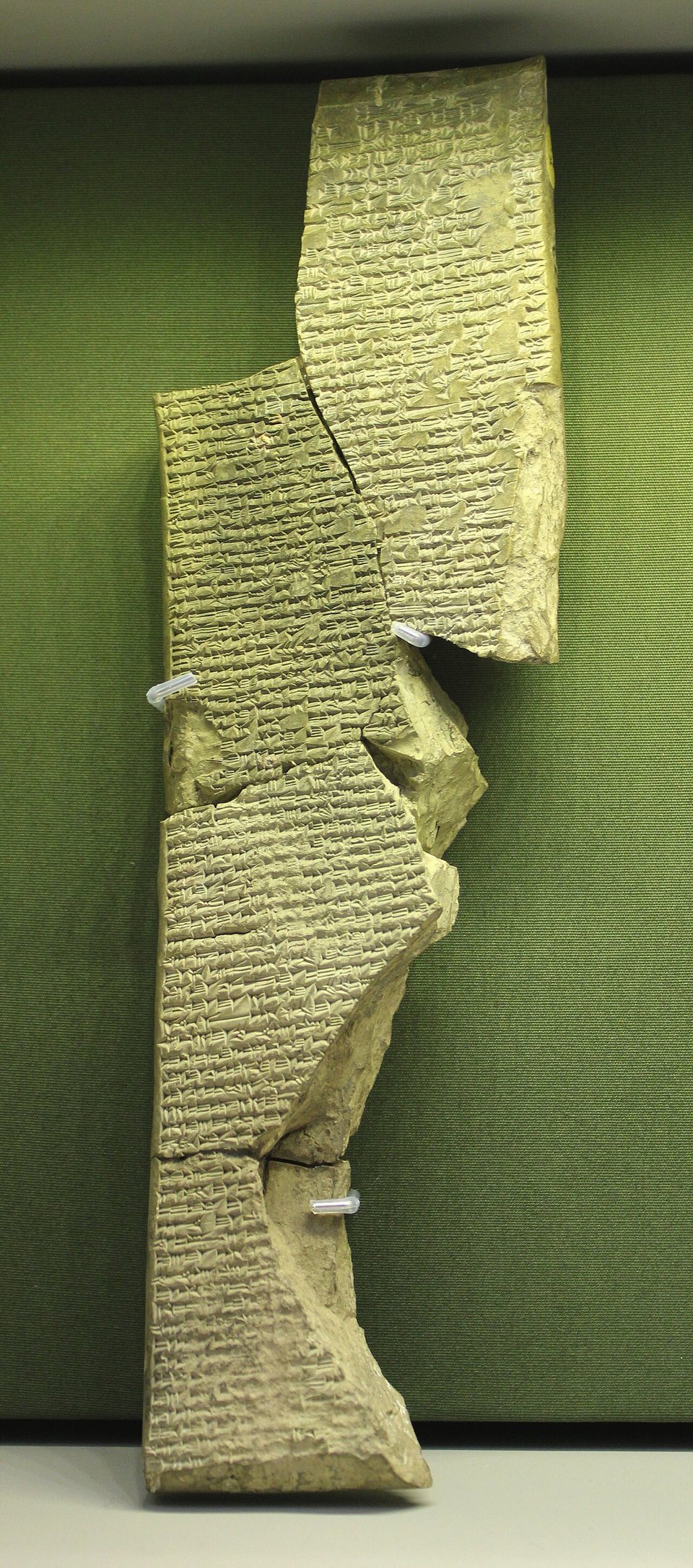
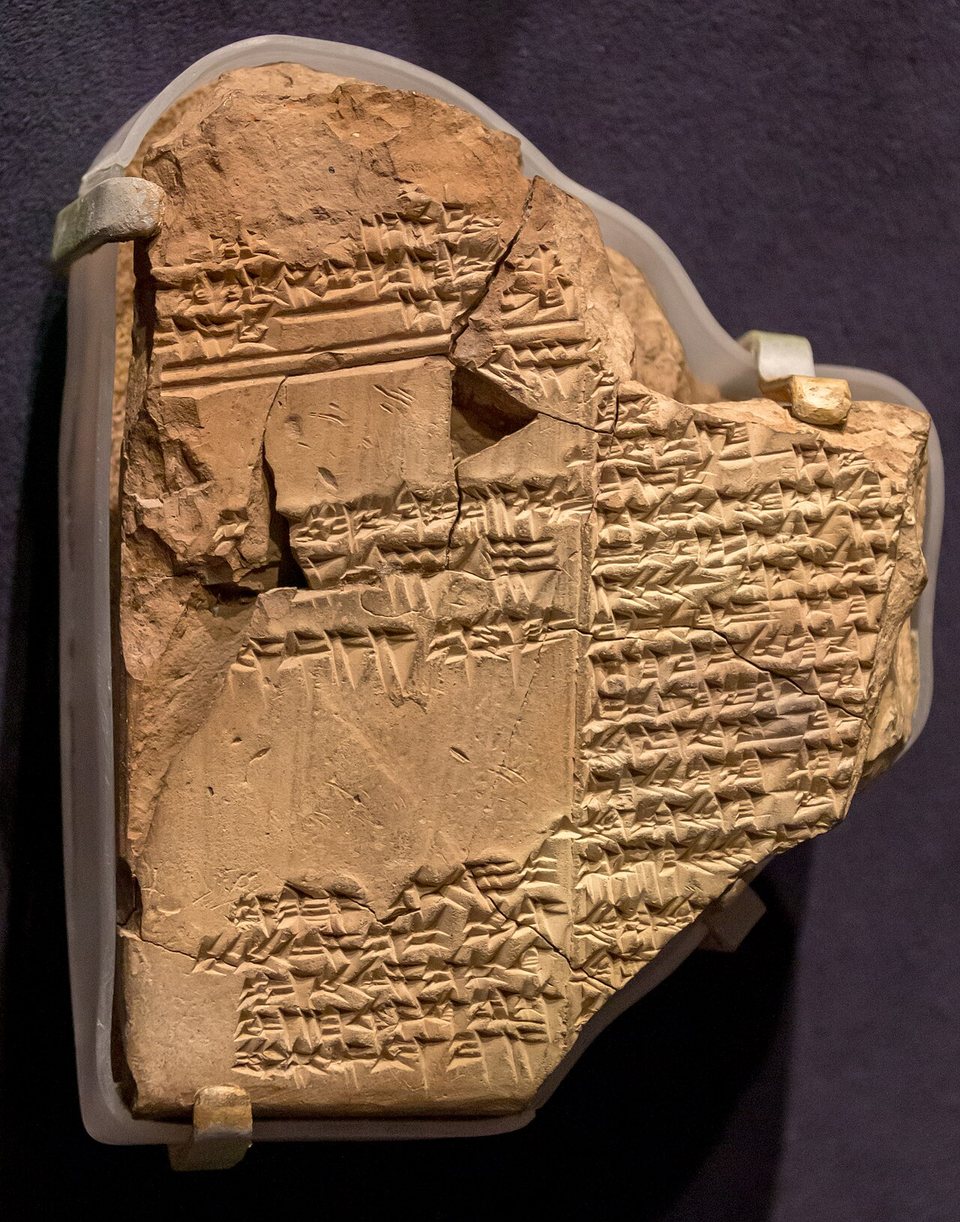
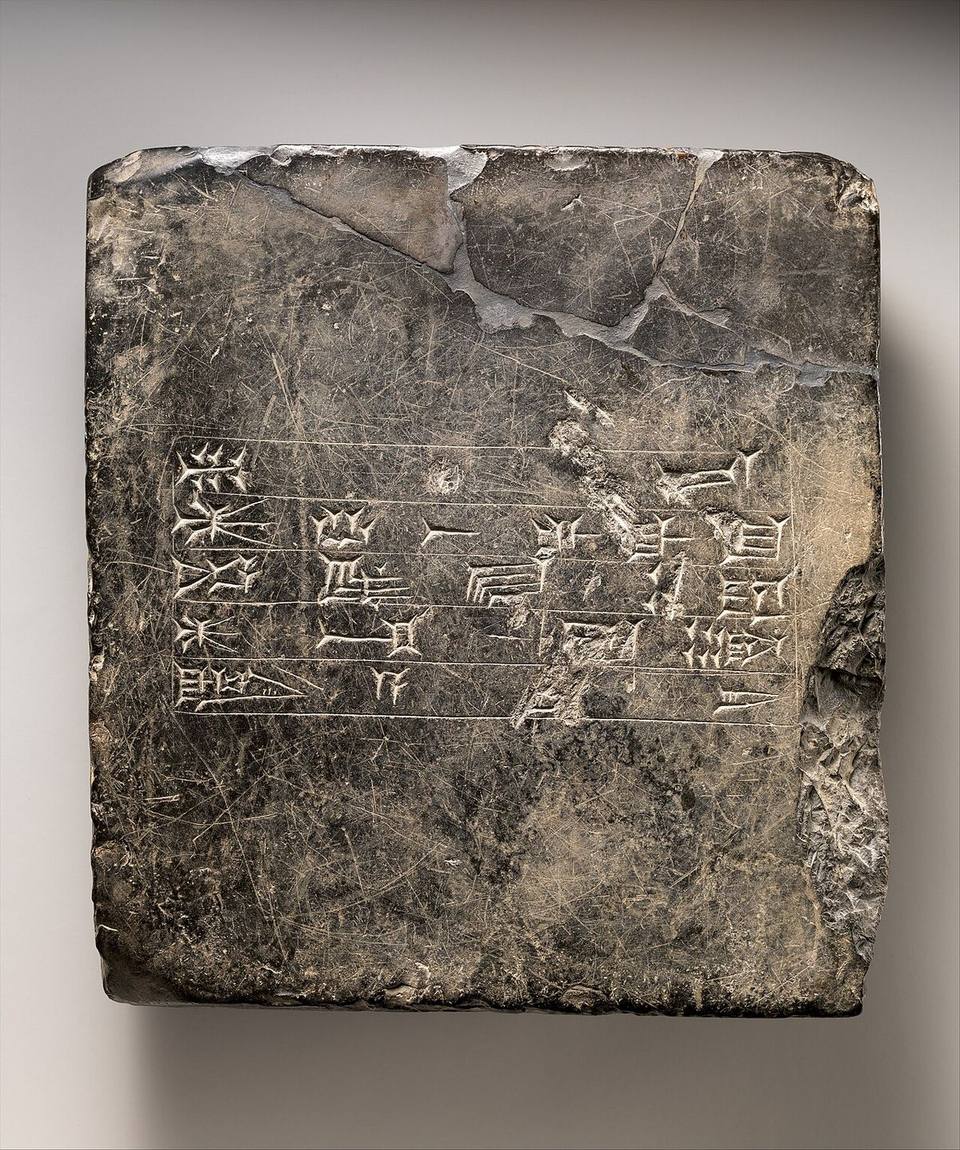
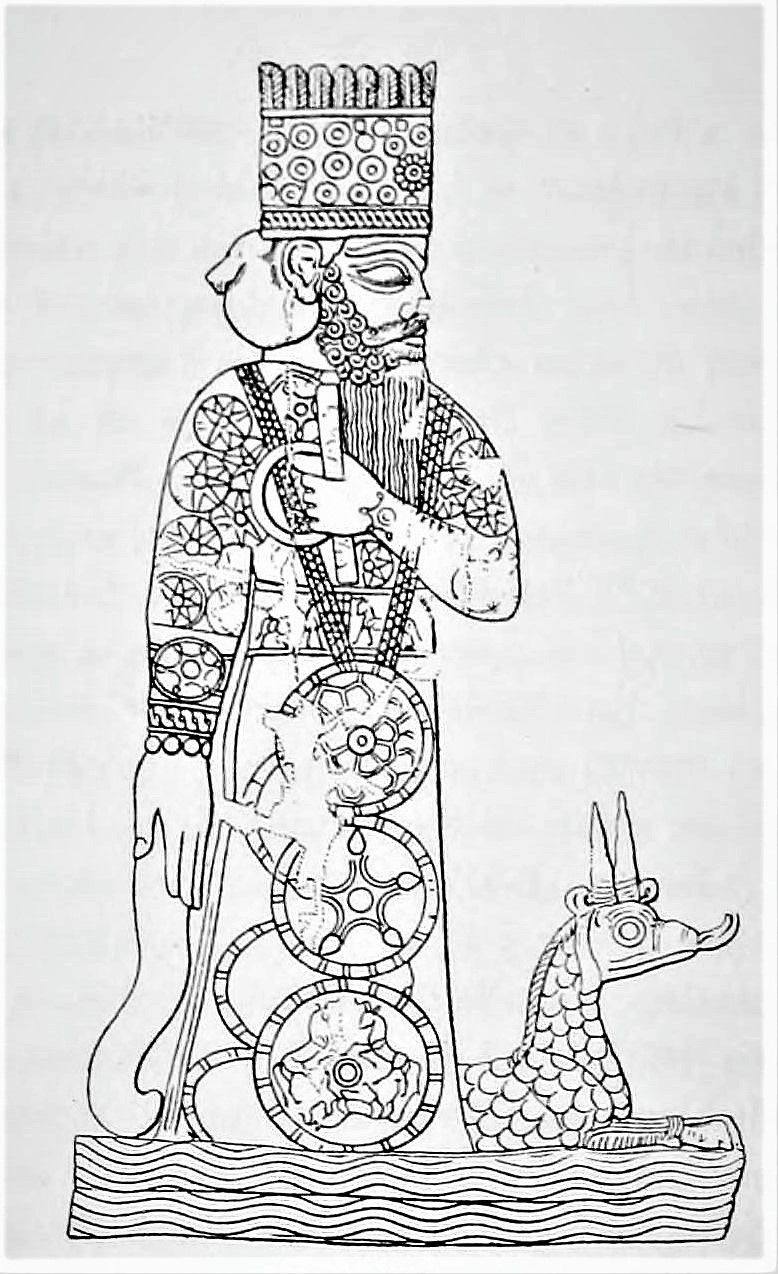
Assyriologists have rejected these readings. The name Anunnaki means 'offspring of An', not 'those who from heaven to earth came'. Nibiru in the Enuma Elish is a name of Marduk and a point in the sky. 3,600 is the sar, a number unit. The seal's star is not the Mesopotamian sun symbol, and its inscription names its owner. Scholar Michael Heiser spent years documenting the errors.

Still, Sitchin's influence is enormous. His books sold millions and seeded the Nibiru doomsday scares. The real texts he drew on, about striking gods and humans made from divine blood and clay, are worth reading directly. His real legacy may be that millions of people learned the names Anu, Enlil, and Enki from his books before they ever opened a translation.

How reliable is this source?

5/100 · Mostly unreliable

Sitchin claimed that Sumerian texts describe a hidden planet, Nibiru, and gold-mining astronauts called the Anunnaki who created humans. Experts in Sumerian and Akkadian found that his translations do not match the texts, and astronomers have found no such planet. Scholars classify his books as pseudohistory.

What checks out

  • He correctly noted that the Anunnaki were important gods in Mesopotamian religion.

What does not

  • No cuneiform text describes Nibiru as a planet beyond Neptune.
  • His translation of 'Anunnaki' as 'those who came from heaven to earth' is not supported by the language.
  • No twelfth planet with a 3,600-year orbit has ever been detected.

Our main source for: Nibiru as a planet; The Anunnaki as alien gold miners.

This rates how well the factual claims hold up against later evidence and scholarship. It is not a judgment of character or honesty. How the meter works
Sources for this rating

Questions people ask about Zecharia Sitchin

Was Zecharia Sitchin a trained scholar of ancient languages?

No. According to a New York Times interview, his degree was in economics from the University of London, and he worked for a shipping company while teaching himself to read cuneiform. Critics, including Bible scholar Michael Heiser and historian Ronald Fritze, found many mistakes in his translations and noted that he often quoted texts out of context.

How many books are in Sitchin's Earth Chronicles?

The main series has seven volumes. It began with The 12th Planet in 1976 and continued with books such as The Stairway to Heaven, The Wars of Gods and Men and The Lost Realms. The last was The End of Days: Armageddon and Prophecies of the Return, published in 2007. He also wrote several companion books.

What is the Nibiru doomsday prediction?

It is an end-of-the-world claim built on Sitchin's ideas. In 1995 Nancy Lieder, who runs the ZetaTalk website, said beings from the star system Zeta Reticuli had warned her that a planet would sweep past Earth in 2003. When nothing happened, believers moved the date to 2012 and later years. NASA has repeatedly said no such planet exists.

The open question

Still strange: Experts say the star on the seal Sitchin used is not the usual Mesopotamian sun symbol, and the seal's writing simply names its owner.

Anunnaki: Who Were the Great Gods of Sumer? →
  1. Step 1 of 4 · This fileZecharia Sitchin
  2. Step 2 of 4 · The longer textThe Seven Tablets of Creation, Vol. I
  3. Step 3 of 4 · Next fileAnunnaki: Who Were the Great Gods of Sumer?
  4. Step 4 of 4 · Next fileNibiru: Babylonian Star Name or Hidden Planet?
About these videos

Found by a YouTube search for this topic, not checked by us. The player loads from YouTube only when you press play.

Where it turns up

Where this comes from

EvidenceSpeculation

Comes from Zecharia Sitchin, The 12th Planet (Stein and Day, 1976). The 12th Planet, by Zecharia Sitchin (1976): A 1976 book by Zecharia Sitchin claiming that Sumerian texts describe a hidden planet, Nibiru, and visitors from it, the Anunnaki, who created humans. Experts in the Sumerian language and astronomers reject its readings and claims.

What this means

Sitchin was a real author and his books are real. His theory, that the Anunnaki were astronauts from a planet called Nibiru, is not in any cuneiform text. His claims are checked against the tablets on the Misquotes page.

For Zecharia Sitchin, the idea goes beyond what the evidence shows. We cover it because people ask about it. The main problem: Specialists in cuneiform agree that Sitchin's translations are not supported by the languages or the texts, and that no Mesopotamian source describes gold mining by gods or a twelfth planet.

An idea or reading that goes beyond what the evidence shows. We include it because people ask about it, and we mark it so it never gets mixed in with the record.

See all five labels

Sources

  1. The 12th Planet, by Zecharia Sitchin (1976)A 1976 book by Zecharia Sitchin claiming that Sumerian texts describe a hidden planet, Nibiru, and visitors from it, the Anunnaki, who created humans. Experts in the Sumerian language and astronomers reject its readings and claims.Zecharia Sitchin, The 12th Planet (Stein and Day, 1976)Primary text
  2. The Enuma Elish (Babylonian Creation Epic)The Babylonian creation story, named after its first words, 'When on high'. The god Marduk defeats the sea monster Tiamat and makes heaven and earth from her body. It filled seven clay tablets and was probably written in the 1100s BC; copies were dug up at Nineveh from 1849 on.Enuma Elish, Tablet VII, trans. L. W. King, The Seven Tablets of Creation (1902) Online copyPrimary text Archived copy, 2026-05-23
  3. WikipediaA free online encyclopedia written and edited by volunteers. It is a good starting point and usually lists its own sources, but anyone can change it, so we treat it as a guide to better sources, not the final word.Wikipedia, "Zecharia Sitchin"Reference Archived copy, 2026-10-03
  4. WikipediaWikipedia, "Nibiru cataclysm"Reference Archived copy, 2026-10-01

Quotations come from public-domain translations. A book in our Library links to its Library page; other links open the free online copy or the reference page.

Updated

Credible or not?

Tap one to see how other readers voted.

Discussion