The record
The Pushpaka ('flowery') is the most famous vimana, or aerial car, in Indian literature. In Valmiki's Ramayana it was made by Vishvakarma, the architect of the gods, and belonged to Kubera, the god of wealth, until his half-brother Ravana, king of Lanka, took it from him by force. Some later versions say it was first made for Brahma, who gave it to Kubera.
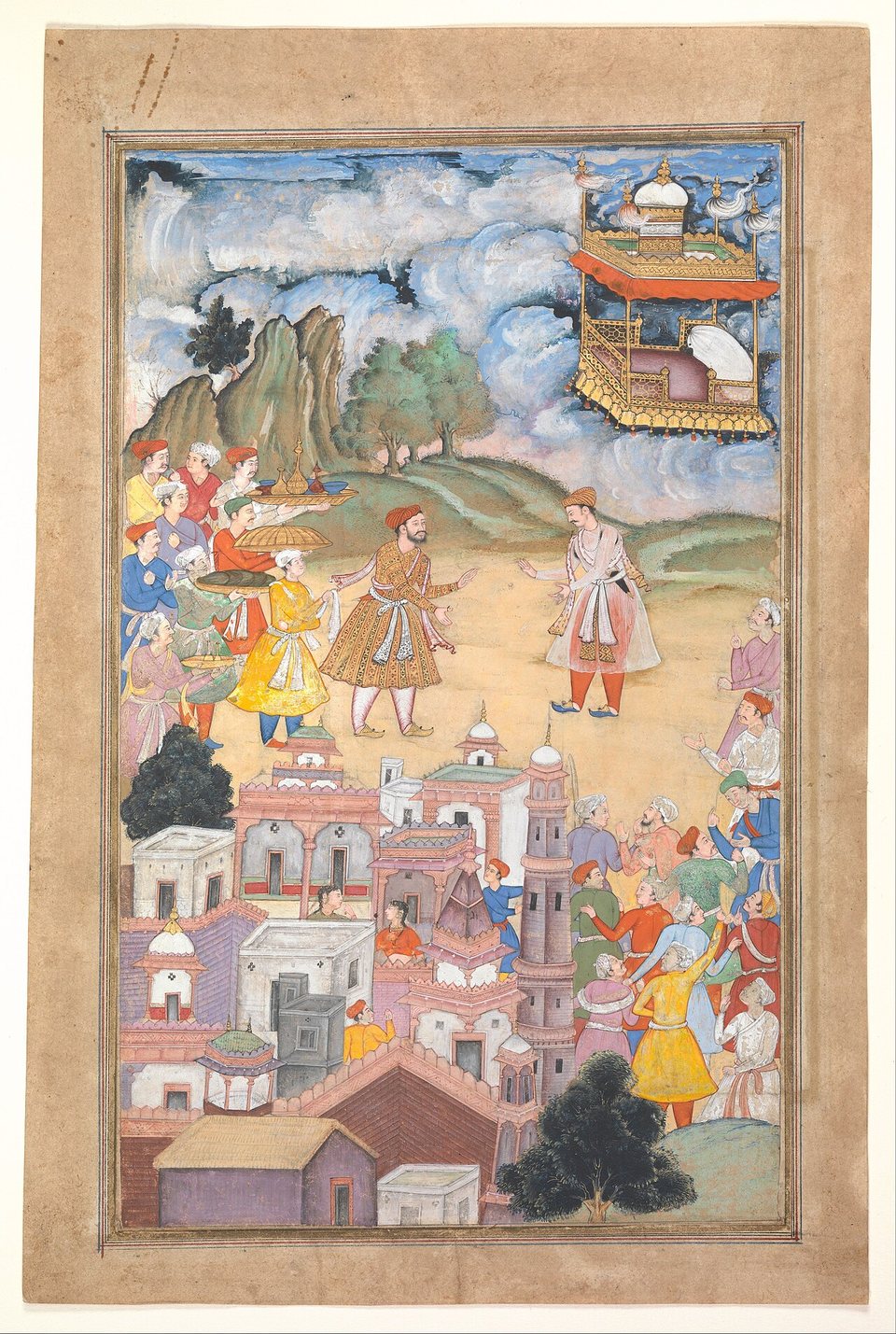
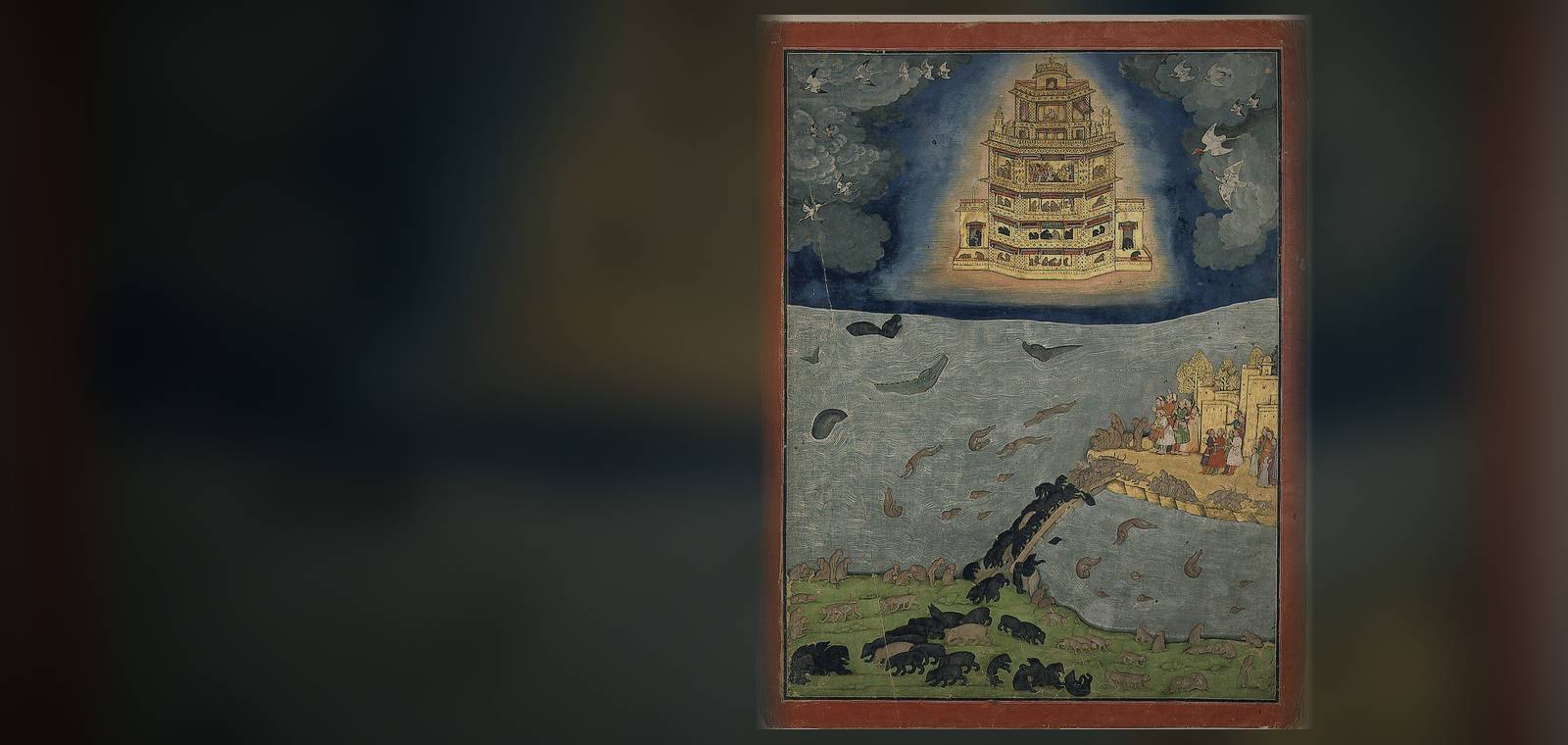
The epic describes it as a vast, gleaming structure, like a palace or a cloud, set with gold and jewels, that goes wherever its owner wishes. When Hanuman searches Lanka for Sita, he sees the Pushpaka resting there and marvels at it. Later poets and painters imagined it in countless forms, from a chariot to a flying temple.
After Rama kills Ravana, Ravana's brother Vibhishana offers him the car. Rama, Sita, Lakshmana, and their allies, including the monkey army, board it and fly north to Ayodhya. As they pass over the landscape, Rama points out to Sita the places from their story below: the bridge to Lanka, the battlefield, the forests where they lived in exile. Afterward Rama sends the car back to Kubera.
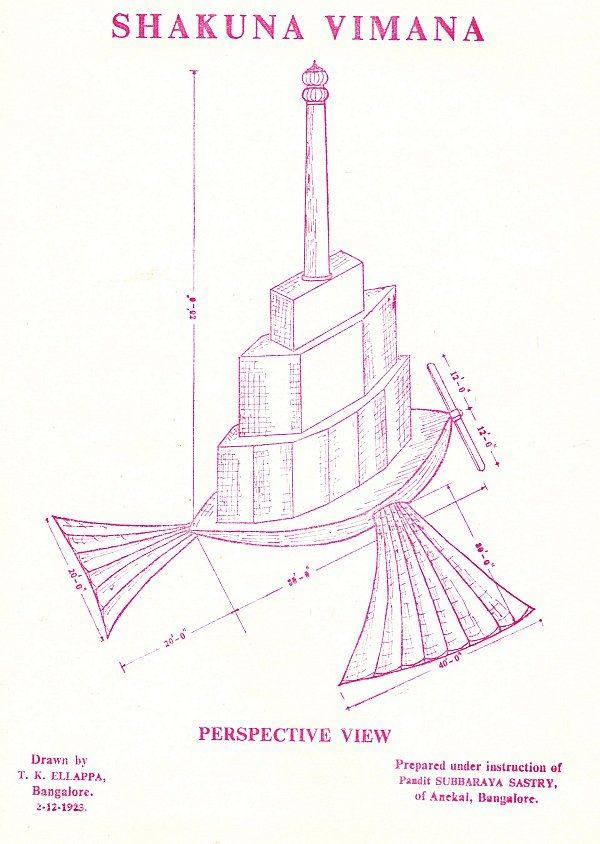
Since the 20th century, the Pushpaka has become a centerpiece of claims that ancient India had aircraft. The epic presents it as a divine vehicle among many marvels; it does not describe engines or construction. It belongs to a long line of divine vehicles in Indian myth, from the chariots of the Vedic gods to Indra's celestial car.