












What is Hugh G. Evelyn-White known for?
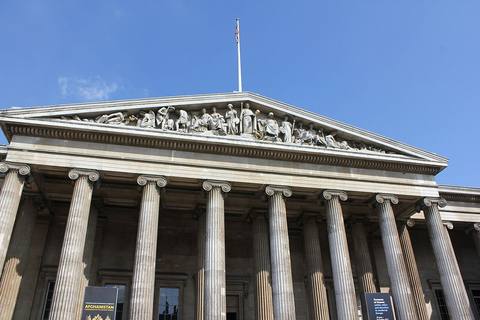
Hugh Gerard Evelyn-White was an English classicist, Egyptologist and archaeologist. Born in Ipswich, he studied classics at Wadham College, Oxford. He worked for the British Museum and took part in several seasons of the Metropolitan Museum of Art's Egyptian expeditions, excavating the Coptic monasteries of the Wadi Natrun.
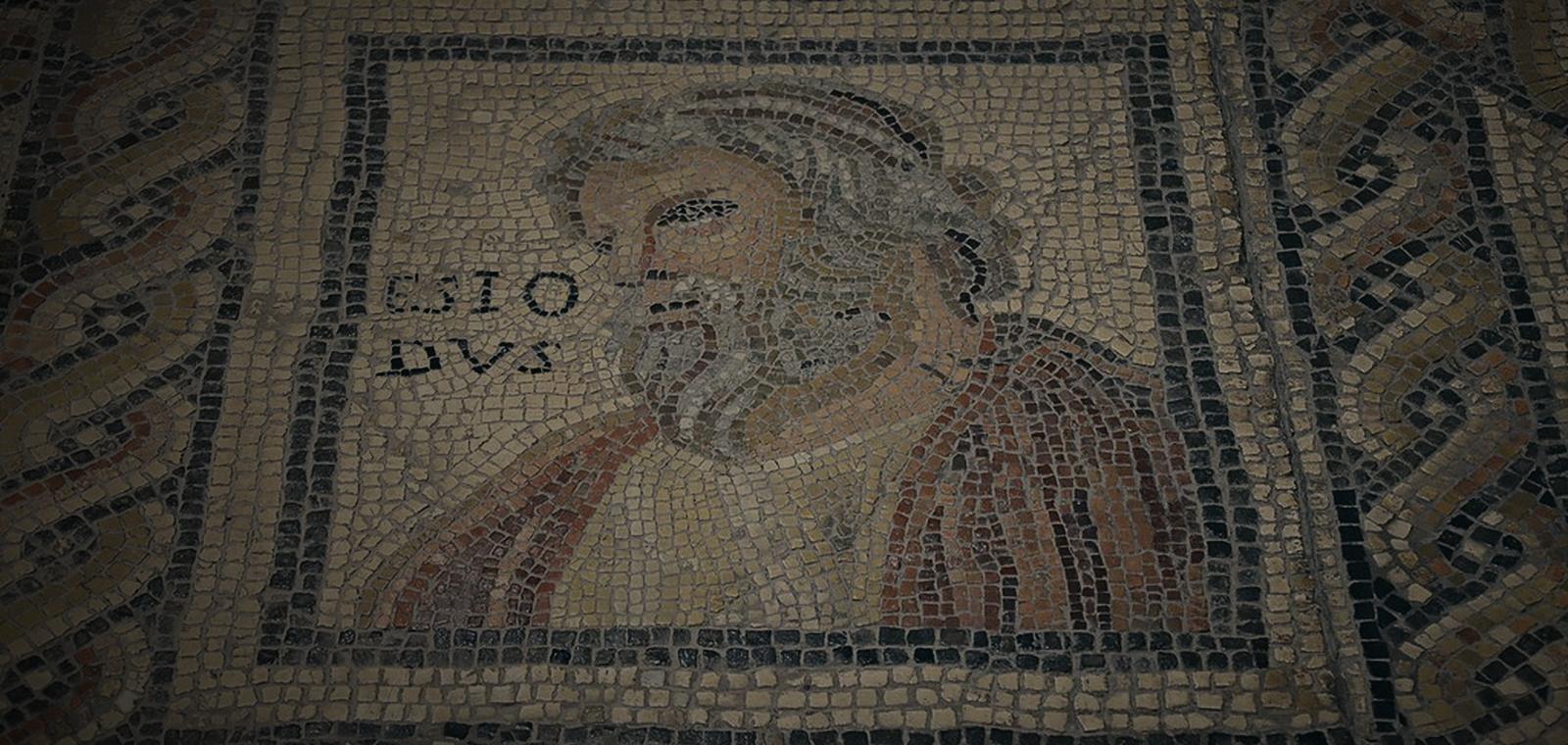
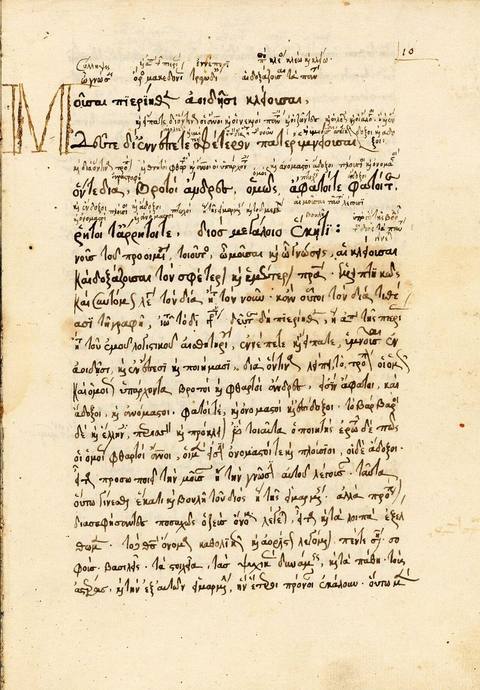
In 1914 he published the Loeb Classical Library volume of Hesiod, the Homeric Hymns and Homerica. Hesiod's Theogony describes the war of the gods and the Titans and the pit of Tartarus; his Works and Days describes five races of humans, from golden to iron.
Evelyn-White served in the First World War, continued work in Egypt until 1921, and then lectured at the University of Leeds. He died by suicide in 1924. Some popular books link his death to a 'curse of Tutankhamun', but there is no evidence for that; his biographers point to personal grief. His translation is public domain.
The same story, told elsewhere
Shared story · Beginnings
Creation from the Primeval Waters and the Cosmic Egg
Before anything existed there was dark water. Or an egg. Babylon, Genesis, the Rig Veda, Egypt, Finland and the Quran all start the world in almost the same place.
Hesiod, Theogony is one telling. The same story is told 9 more times, in 5 parts of the world. Follow it:
- BabylonianBabylon, Mesopotamia · c. 1700-1100 BCE · Ancient text
- Vedic IndiaNorthwest India · c. 1200-1000 BCE · Ancient text
- GreekBoeotia, Greece · c. 700 BCE · Ancient textTied to this page
- Hebrew BibleJudah / Babylon · c. 600-400 BCE · Ancient text
- EgyptianThebes, Egypt · c. 310 BCE · Ancient text
- Babylonian, retold in GreekBabylon · c. 280 BCE · Ancient text
- Hindu law codeIndia · c. 200 BCE · Ancient text
- IslamArabia · 7th century CE · Medieval text
- NorseIceland · c. 1000 CE · Medieval text
- FinnishFinland and Karelia · 1820 · Recorded folklore
The open question: Why would people who never met all start the world in dark water? A shared idea, or the most natural guess anyone would make? Join the debate
Shared story · Beginnings
The Lost Golden Age and the Ages of the World
Gold, silver, bronze, iron: Greece, Persia and the Book of Daniel all count the ages of the world in metals, India counts four yugas, and the Norse and Maya see whole worlds destroyed and remade.
Hesiod, Works and Days (the five races) is one telling. The same story is told 9 more times, in 6 parts of the world. Follow it:
- GreekBoeotia, Greece · c. 700 BCE · Ancient textTied to this page
- Greek (Plato)Athens · c. 360 BCE · Ancient text
- Greek, about EgyptAthens, telling an Egyptian story · c. 360 BCE · Ancient text
- Hindu law codeIndia · c. 200 BCE · Ancient text
- Hebrew BibleJudea · c. 165 BCE · Ancient text
- RomanRome · c. 8 CE · Ancient text
- Zoroastrian (Persian)Iran · 9th to 13th centuries CE · Medieval text
- Zoroastrian (Persian)Iran · 9th century CE · Medieval text
- NorseIceland · c. 1000 CE · Medieval text
- K'iche' MayaHighland Guatemala · c. 1554-1558 · Retold in English
The open question: Why do so many traditions believe the past was better and the world is running down? Memory, or human nature? Join the debate
Shared story · Beginnings
Stealing Fire: Prometheus, Maui and the Water Spider
Fire was kept from people, hidden away by gods or guarded by jealous owners, until someone took it. A Greek god hides it in a hollow stalk, a Maori hero tricks it out of his grandmother, and a little Cherokee spider carries a coal home on her back.
Hesiod, Works and Days (Prometheus) is one telling. The same story is told 6 more times, in 6 parts of the world. Follow it:
- Vedic IndiaNorthwestern India · c. 1500-1000 BCE · Ancient text
- GreekBoeotia, Greece · c. 700 BCE · Ancient textTied to this page
- PersianIran · c. 1010 CE · Medieval text
- Maori (New Zealand)New Zealand · 1840 · Recorded folklore
- CherokeeSouthern Appalachians · 1887-1890 · Recorded folklore
- Aboriginal Australian (Noongahburrah)Northwestern New South Wales, Australia · 1896 · Recorded folklore
- Pacific Northwest (Native American)Columbia River country, Pacific Northwest, USA · 1910 · Retold in English
The open question: Are these stories a real memory of how precious and hard to get fire once was, or just a natural way for any people to explain where a useful thing came from? Join the debate
Shared story · Death and return
How Death Came: Eden, Adapa and the Chameleon
Again and again, people almost lived forever. A man refuses the food of life, a snake steals the plant of youth, a slow chameleon arrives too late, and a woman throws a stone that sinks. Each time, the chance was lost.
Hesiod, Works and Days (Pandora's jar) is one telling. The same story is told 8 more times, in 6 parts of the world. Follow it:
- Babylonian (Akkadian)Mesopotamia · c. 1400-1350 BCE · Ancient text
- Babylonian (Akkadian)Mesopotamia · c. 1200-1000 BCE · Ancient text
- Hebrew BibleJudah / Babylon · c. 900-500 BCE · Ancient text
- GreekBoeotia, Greece · c. 700 BCE · Ancient textTied to this page
- Japanese (Shinto)Japan · 712 CE · Medieval text
- Khoikhoi (South Africa / Namibia)Southern Africa · 1800 · Recorded folklore
- Maori (New Zealand)New Zealand · 1840 · Recorded folklore
- Zulu (South Africa)Natal · 1868-1870 · Recorded folklore
- Blackfoot (Plains)Northern Great Plains · 1892 · Recorded folklore
The open question: Do these stories share one ancient source, or does every people eventually ask why we die and arrive at the same kind of answer? Join the debate
Linked people and places
Where this comes from
Comes from Project Gutenberg, Hesiod, 'The Homeric Hymns and Homerica', tr. Hugh G. Evelyn-White. Hesiod, the Homeric Hymns and Homerica (1914): Hugh G. Evelyn-White's 1914 edition, with Greek text and English translation, of Hesiod's poems, the Homeric Hymns and pieces of lost early Greek epics. Hesiod wrote about 700 BC; the Hymns date from the 600s BC on.
What this means
A real person with records. Sources are listed below.
For Hugh G. Evelyn-White, the original record exists and is linked: Project Gutenberg, Hesiod, 'The Homeric Hymns and Homerica', tr. Hugh G. Evelyn-White. That tells you the record is real and what it says. It does not mean every claim in it is true.
Primary records exist: an original document, a published text, an official file or a dated report. We link to them. This level says the record exists and what it says, not that every claim in it is true.
Sources
- WikipediaA free online encyclopedia written and edited by volunteers. It is a good starting point and usually lists its own sources, but anyone can change it, so we treat it as a guide to better sources, not the final word.Wikipedia, 'Hugh Evelyn-White'Reference
- Hesiod, the Homeric Hymns and Homerica (1914)Hugh G. Evelyn-White's 1914 edition, with Greek text and English translation, of Hesiod's poems, the Homeric Hymns and pieces of lost early Greek epics. Hesiod wrote about 700 BC; the Hymns date from the 600s BC on.Project Gutenberg, Hesiod, 'The Homeric Hymns and Homerica', tr. Hugh G. Evelyn-WhitePrimary text Archived copy, 2026-09-23
No public-domain picture of this person yet. We do not show drawn or generated likenesses.