












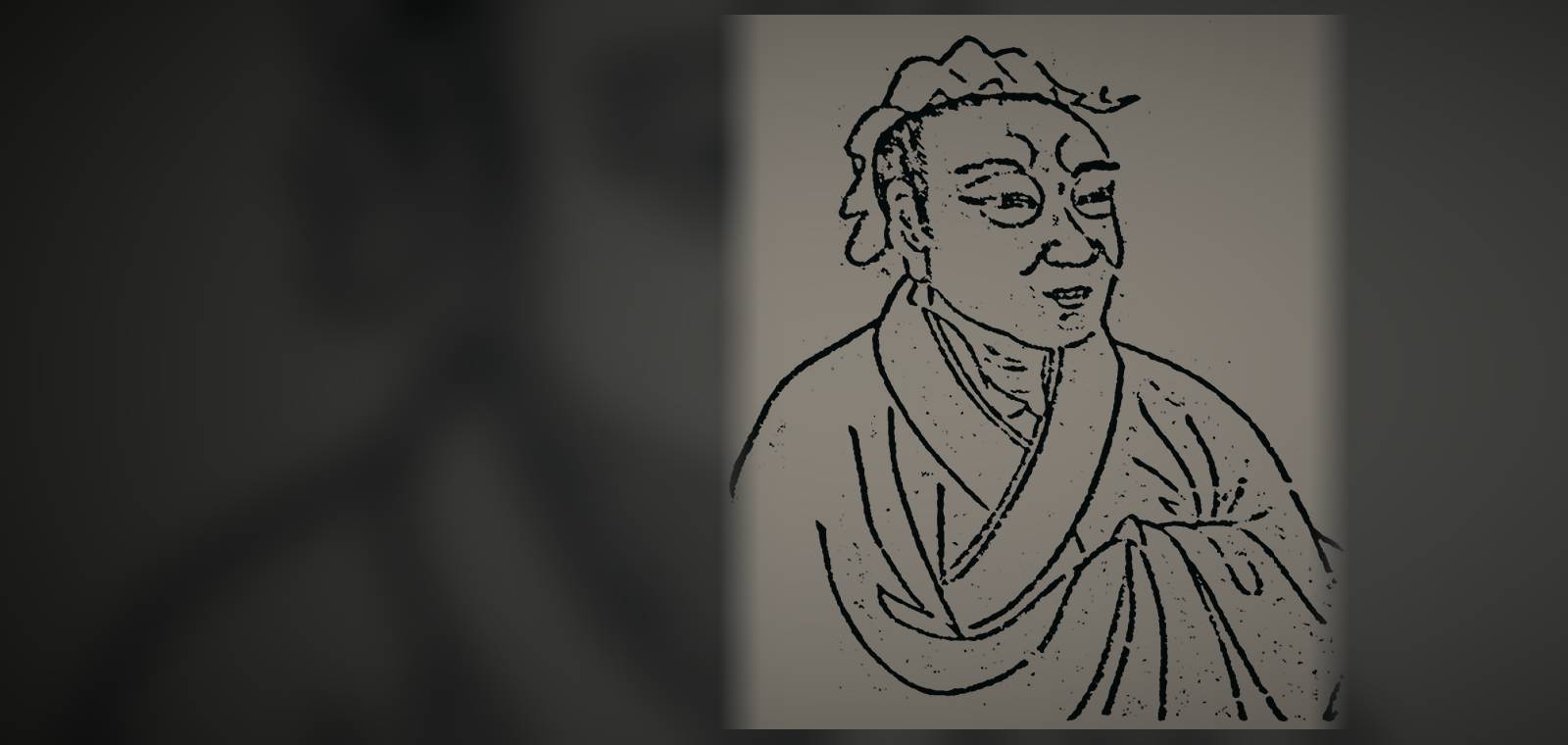
What is Sima Qian known for?
Sima Qian was a Chinese historian and astronomer at the court of Emperor Wu of the Han dynasty. He succeeded his father, Sima Tan, as Grand Historian and completed the Shiji, or Records of the Grand Historian, a history of China from the legendary Yellow Emperor to his own time.
In about 99 BCE he defended the general Li Ling, who had surrendered to the Xiongnu, and was punished with castration. He chose this over suicide so that he could finish his history. The Shiji, in 130 chapters, became the model for later Chinese official histories.
The Shiji is the main written source for the sage kings Yao and Shun, the Xia and Shang dynasties, and the life of the First Emperor, including the 211 BCE meteorite inscribed with a prophecy of his death. For the earliest periods Sima Qian drew on older documents and traditions that historians treat as legendary.
Titles and honors
- Offices held
- Grand Historian (Taishi) from 107 BCE
- Court archivist (Zhongshuling) from 97/96 BCE
Mentioned on these pages
Where this comes from
Comes from Encyclopaedia Britannica, 'Sima Qian'. An encyclopedia first published in Scotland in 1768 and now online. Its articles are written and checked by named experts and editors, which makes it a reliable source for basic facts.
What this means
A real person with records. Sources are listed below.
For Sima Qian, the original record exists and is linked: Encyclopaedia Britannica, 'Sima Qian'. That tells you the record is real and what it says. It does not mean every claim in it is true.
Primary records exist: an original document, a published text, an official file or a dated report. We link to them. This level says the record exists and what it says, not that every claim in it is true.
Sources
- Encyclopaedia BritannicaAn encyclopedia first published in Scotland in 1768 and now online. Its articles are written and checked by named experts and editors, which makes it a reliable source for basic facts.Encyclopaedia Britannica, 'Sima Qian'Reference Archived copy, 2026-08-06
- WikipediaA free online encyclopedia written and edited by volunteers. It is a good starting point and usually lists its own sources, but anyone can change it, so we treat it as a guide to better sources, not the final word.Wikipedia, 'Sima Qian'Reference Archived copy, 2026-09-30