The record
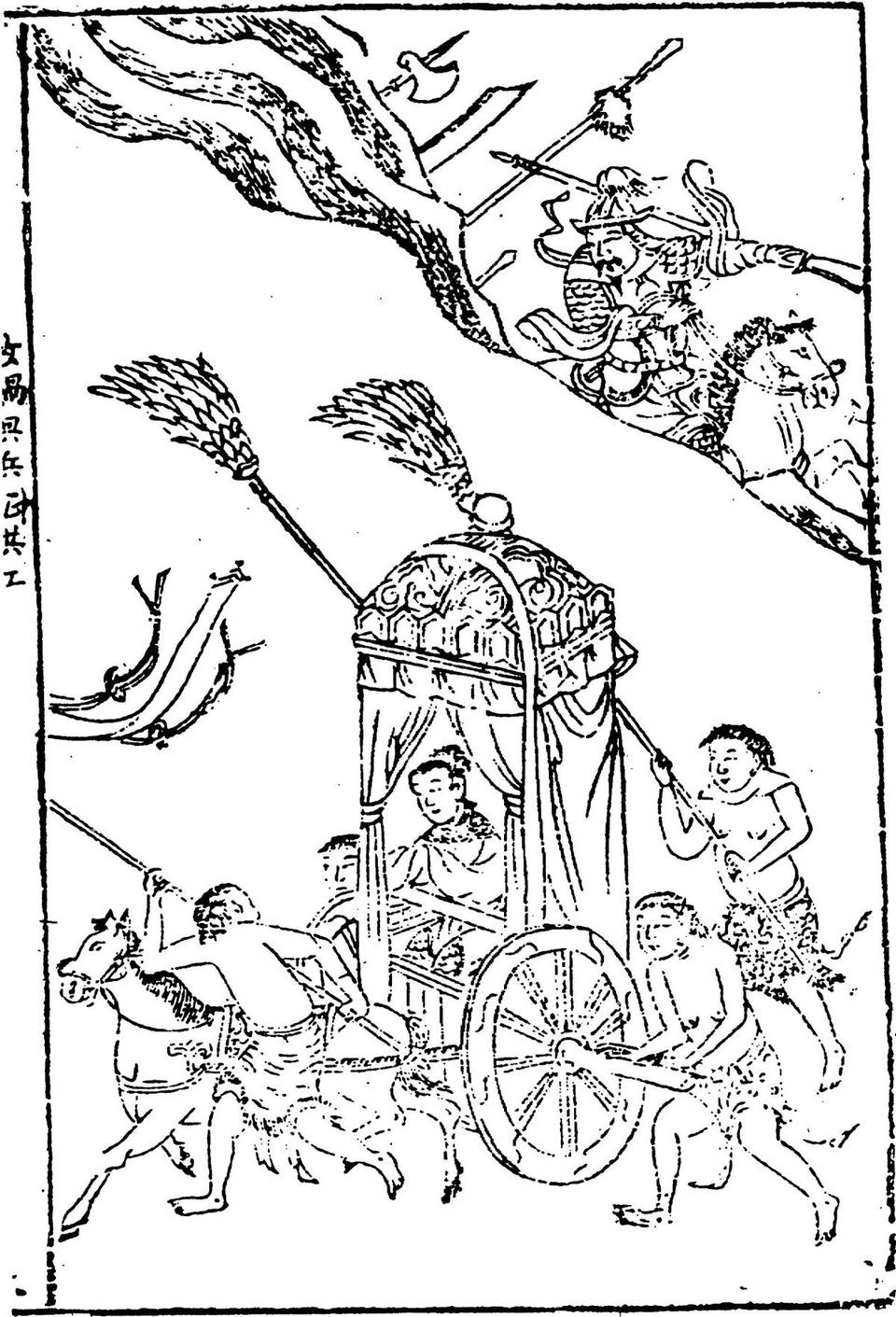
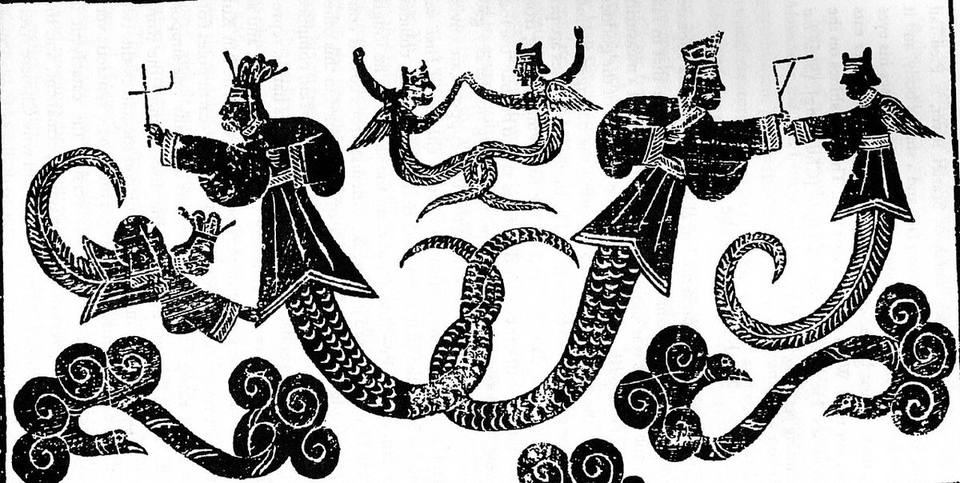
Yu the Great is the hero of the Chinese flood myth and, by tradition, the founder of the Xia, China's first dynasty. In the time of the sage kings Emperor Yao and Emperor Shun, floods covered the land. Yu's father Gun spent nine years trying to hold back the water with dams and failed. In one version, recorded in the Shan Hai Jing, Gun stole a self-swelling soil called xirang from the Lord on High and was executed for it, and Yu was born from his body.
Yu took the opposite approach. Rather than blocking the waters, he cut channels and dredged rivers to lead them to the sea. The Book of Documents chapter "Tribute of Yu" opens: Yu divided the land. Following the course of the hills, he cut down the trees.
It then surveys the nine provinces he organized, a kind of geography of early China.
Mencius tells how devoted he was: in years of labor he passed his own door three times without going in. Shun rewarded him with the throne, and Yu passed it to his son, beginning hereditary rule. Chinese tradition also credits him with casting nine great bronze cauldrons representing the nine provinces, symbols of legitimate rule passed down through later dynasties.
In 2016 a team led by Wu Qinglong published evidence in Science of a huge outburst flood on the Yellow River around 1920 BCE, after a landslide dam at Jishi Gorge failed, and suggested it could lie behind the legend. Other researchers disputed the dating and the link. Whether or not a real flood stands behind it, Yu remains the model of the engineer-ruler.