












What is The Dagda known for?
The Dagda, 'the good god', is a chief figure of the Tuatha Dé Danann and a father god in Irish mythology. He is also called Eochaid Ollathair, 'father of all', and Ruad Rofhessa, 'lord of great knowledge'. He is associated with abundance, strength and wisdom.
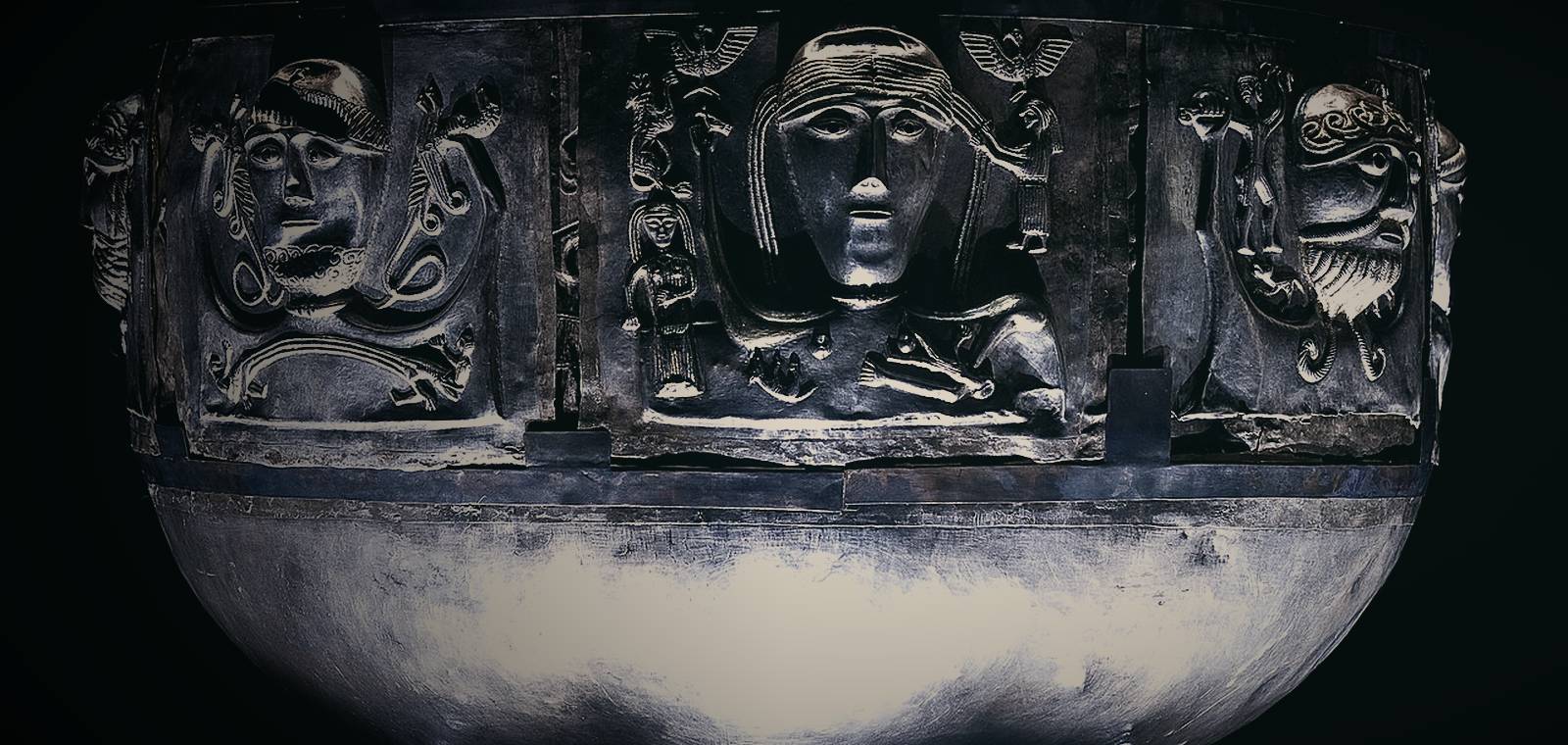
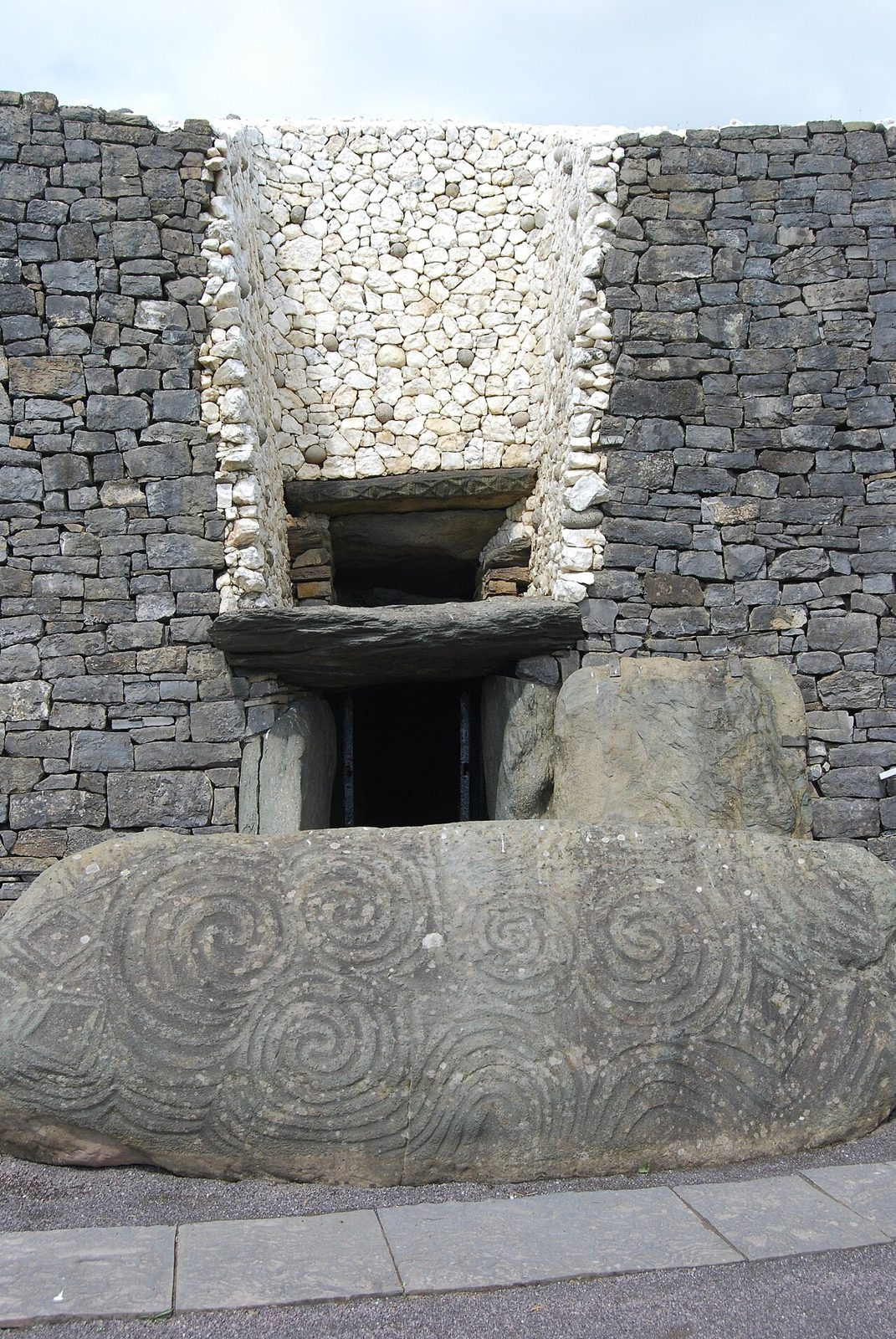
He owns a cauldron, one of the four treasures of the Tuatha Dé, from which no company ever went away unsatisfied, a huge club that kills with one end and restores life with the other, and a harp that commands the seasons. Before the Second Battle of Mag Tuired he unites with the war goddess the Morrígan at Samhain, and he plays a comic but powerful role in the battle story. Later tradition makes him king of the Tuatha Dé after Nuadu, and he is linked to the great passage tomb of Brú na Bóinne (Newgrange).
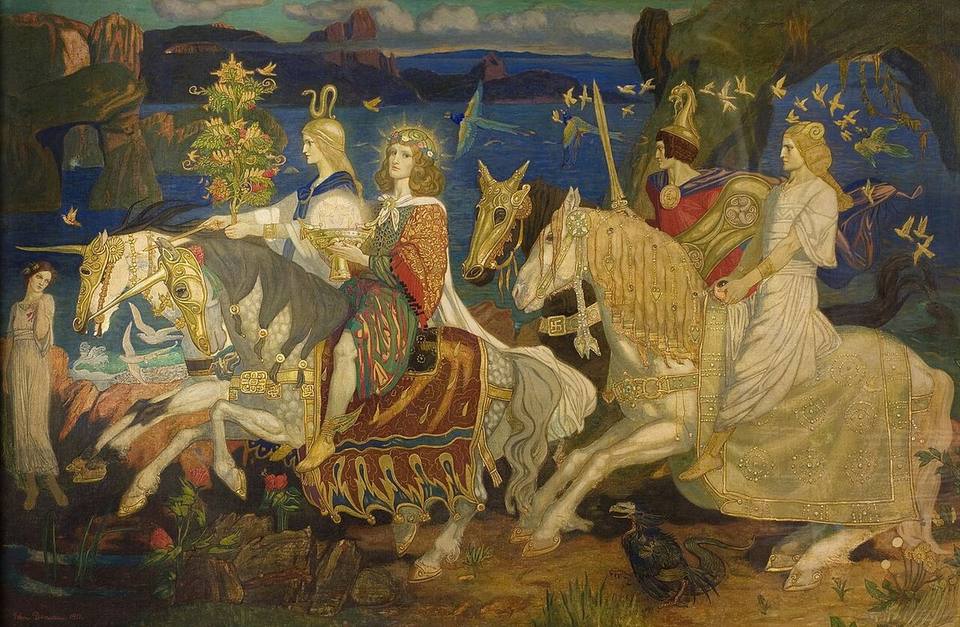
Like the other Tuatha Dé, the Dagda is known from medieval Christian manuscripts that recast pre-Christian gods as an ancient people.
Titles and honors
- Titles
- High King of Ireland, in tradition
Mentioned on these pages
- FileTuatha Dé Danann
Linked people and places
Where this comes from
Comes from Encyclopaedia Britannica, 'Dagda'. An encyclopedia first published in Scotland in 1768 and now online. Its articles are written and checked by named experts and editors, which makes it a reliable source for basic facts.
What this means
A story or tradition. It is documented as a story; nothing independent shows it happened.
The Dagda is known from stories, scripture or tradition. The texts are real and we quote them (for example Encyclopaedia Britannica, 'Dagda'), but nothing outside those texts shows that The Dagda was real as described.
The page covers something known from myths, scripture or tradition. The texts are real and we quote them, but no independent record shows the events or beings were real.
Sources
- Encyclopaedia BritannicaAn encyclopedia first published in Scotland in 1768 and now online. Its articles are written and checked by named experts and editors, which makes it a reliable source for basic facts.Encyclopaedia Britannica, 'Dagda'Reference Archived copy, 2026-06-08
- Texas State University PressbooksA platform for free online textbooks written by teachers at Texas State University. The chapter cited is a course reading on Irish myth, useful as a plain summary.Nancy Effinger Wilson, 'Lebor Gabála Érenn (The Book of Invasions)', Irish Mythology (Texas State University Pressbooks)Reference Archived copy, 2026-10-03
- WikipediaA free online encyclopedia written and edited by volunteers. It is a good starting point and usually lists its own sources, but anyone can change it, so we treat it as a guide to better sources, not the final word.Wikipedia, 'The Dagda'Reference Archived copy, 2026-09-23
No public-domain picture of this person yet. We do not show drawn or generated likenesses.