What is Ireland known for?
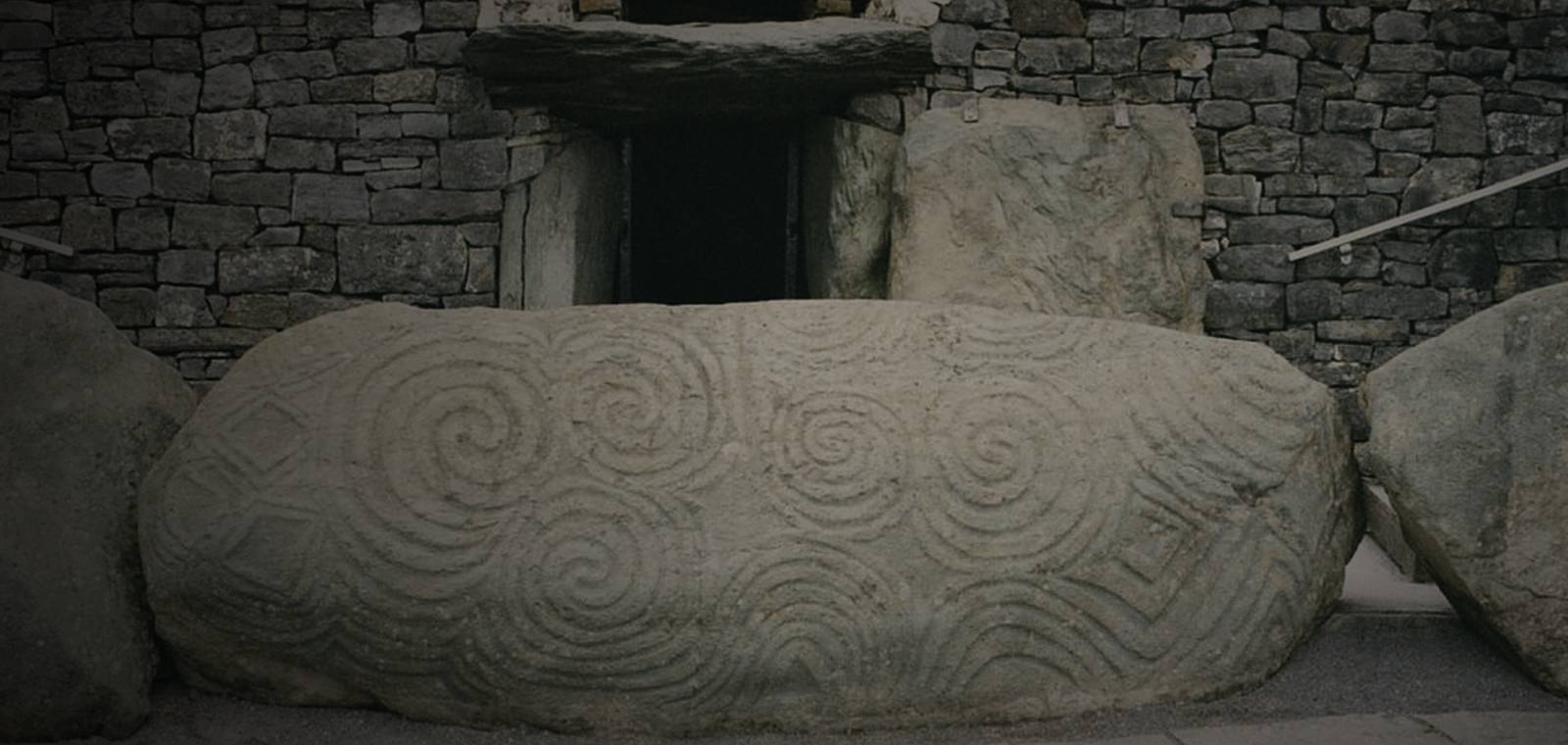
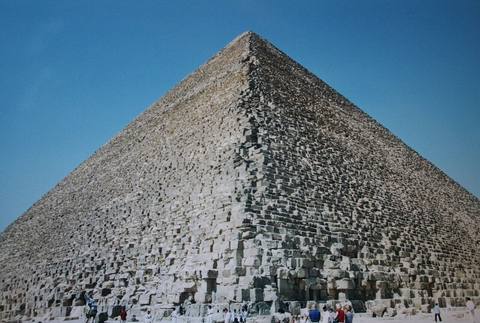
Ireland's oldest monuments, such as the passage tomb at Newgrange (about 3200 BCE), are older than the pyramids of Giza. The island was never part of the Roman Empire, and its own laws, poetry and stories were passed on by learned classes of poets and judges.
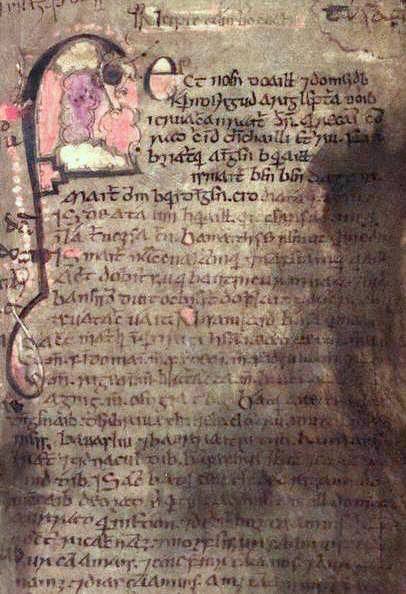
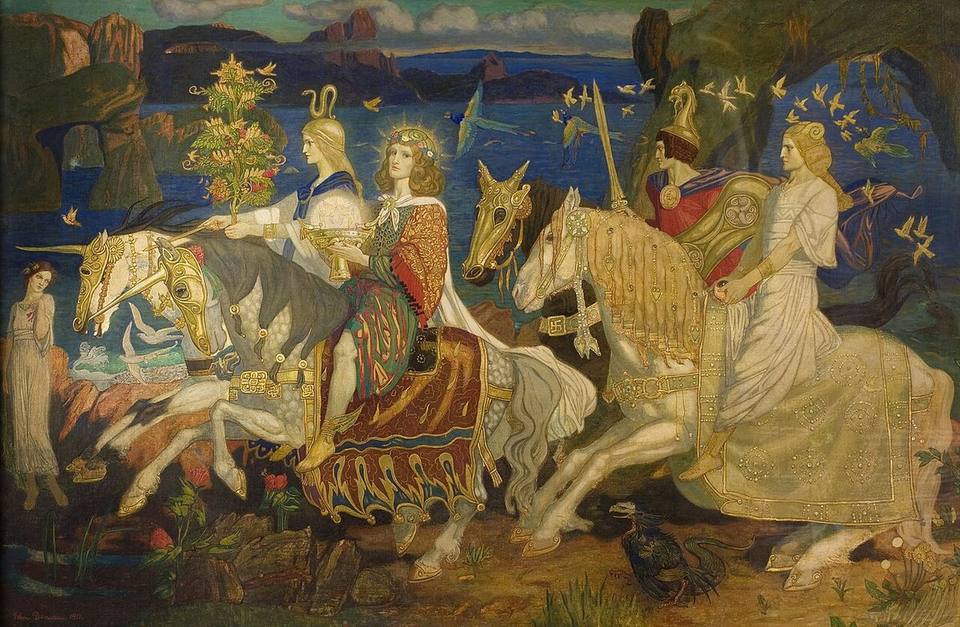
After Christianity arrived in the fifth century CE, monks began writing those stories down. The Lebor Gabála Érenn, the "Book of Invasions," puts together a history of the peoples who took Ireland in turn, ending with the Tuatha Dé Danann and the sons of Míl.
Tales such as Cath Maige Tuired tell of the war between the Tuatha Dé Danann and the Fomorians, with Balor and his deadly eye. These stories are the Irish files on this site.
Home of the Book of Invasions, the Tuatha Dé Danann, the Fomorians and Balor.
Mentioned on these pages
- FileLebor Gabála Érenn (Book of Invasions)
- FileTuatha Dé Danann
- FileVitrified forts
- ChapterOne History 10: The watch
- PassageThe Tuatha Dé Danann arrive in dark clouds (Lebor Gabála Érenn)
- PersonCessair
- PersonFintan mac Bóchra
- PersonFomorians
- PersonNemed
- PersonNuadu (Nuada Airgetlám)
- PersonPartholón
- PersonRichard Laurence
- PlaceConstantinople
- PlaceMag Tuired (Moytura)
- PlaceTory Island
Linked people and places
Sources
- WikipediaA free online encyclopedia written and edited by volunteers. It is a good starting point and usually lists its own sources, but anyone can change it, so we treat it as a guide to better sources, not the final word.Wikipedia, 'Irish mythology'Reference
- WikipediaWikipedia, 'Lebor Gabála Érenn'Reference Archived copy, 2026-10-01
No public-domain picture of this place yet. We do not show drawn or generated likenesses.