Credible Theories Sign in

The record

From the text
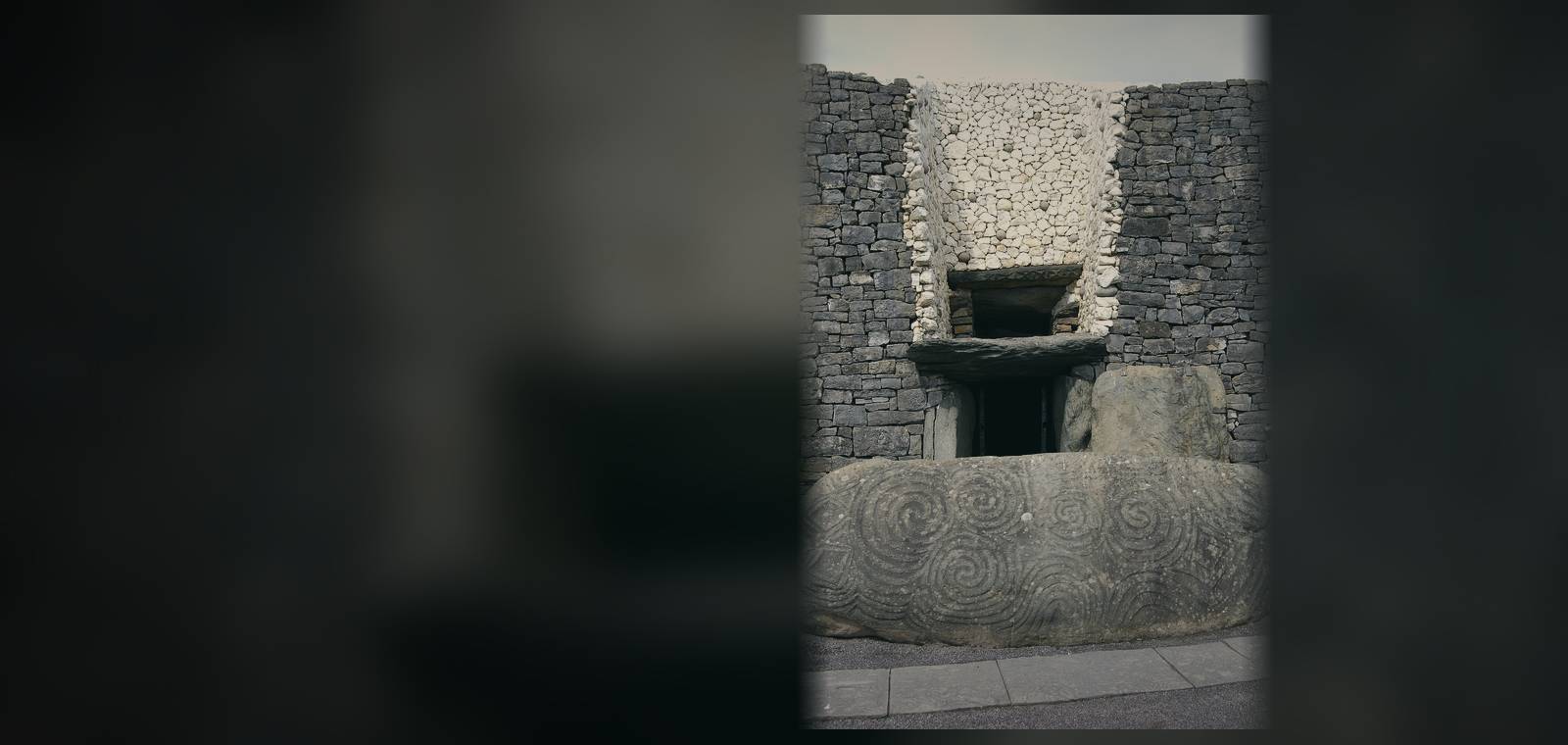
This mount is all the work of hands, and consists almost wholly of stones; but is covered with gravel and green sward, and has within it a remarkable cave. The entry into this cave is at bottom, and before it we found a great flat stone, like a large tomb-stone, placed edgewise, having on the outside certain barbarous carvings, like snakes encircled, but without heads.
Documented · Ancient text, 12
Edward Lhwyd, letter from Sligo, 12 March 1699/1700 · Ireland
Translation: Henry Rowlands, Mona Antiqua Restaurata, 2nd ed. (London, 1766), with letters of Edward Lhwyd · Public domain

Newgrange is a huge round mound of stones and earth in County Meath, Ireland, built over a long stone passage and a chamber. The National Museum of Ireland says it is one of forty passage tombs in Brú na Bóinne, the bend of the River Boyne, and dates such tombs to about 3200 BCE. That makes it older than the pyramids at Giza. UNESCO lists it with Knowth and Dowth as a World Heritage site.

The Welsh scholar Edward Lhwyd crawled inside in 1699. In a letter written from Sligo the next March, he said: This mount is all the work of hands, and consists almost wholly of stones; but is covered with gravel and green sward, and has within it a remarkable cave. He saw carvings at the entrance like snakes encircled, but without heads, and stone basins in the side cells.

What makes Newgrange famous is light. Above its entrance is a small opening called the roof box. The museum says it channels sunlight down the passage to light the chamber at sunrise on the winter solstice. The Office of Public Works, which runs the site, says the direct light lasts 17 minutes. The archaeologist Michael O'Kelly and his team were the first to see it, on 21 December 1967. Not everyone accepts the roof box as ancient. In 2016 the archaeologist Michael Gibbons told The Irish Times it has not a shred of authenticity and was "fabricated" when the mound was rebuilt in the 1960s. Dr Robert Hensey answered that this was "not correct" and that studies showed it was 5,000 years old.
Questions people ask about Newgrange and the winter sunrise

What does the sunlight hit inside Newgrange?

The National Museum of Ireland says the light runs down the passage and reaches a triple spiral carved on a stone at the back of the chamber. It happens on two or three mornings centered on 21 December.

What did Edward Lhwyd find inside Newgrange?

In the side cells he saw stone basins, one sitting inside another and holding clear water dripped from the roof. On the floor lay loose stones, animal bones and pieces of deer antler, and he heard that a gold coin of the Roman emperor Valentinian had been found near the top of the mound.

Can I watch the Newgrange solstice online?

Yes. The Office of Public Works streams the sunrise live each December, on gov.ie/newgrange and heritageireland.ie.

The open question

Still strange: The tomb that catches the winter sunrise.

The tomb is about 5,000 years old, yet no modern person saw the light enter until 1967, and some still argue over whether the opening is original.

Tuatha Dé Danann: Who Were Ireland's Divine Race? →
  1. Step 1 of 4 · This fileNewgrange and the winter sunrise
  2. Step 2 of 4 · The passageA mount all the work of hands, Edward Lhwyd, letter from Sligo, 12 March 1699/1700
  3. Step 3 of 4 · Next fileTuatha Dé Danann: Who Were Ireland's Divine Race?
  4. Step 4 of 4 · Next fileBook of Invasions: The Lebor Gabála Érenn Explained
About these videos

Found by a YouTube search for this topic, not checked by us. The player loads from YouTube only when you press play.

Where it turns up

Where this comes from

EvidenceDocumented

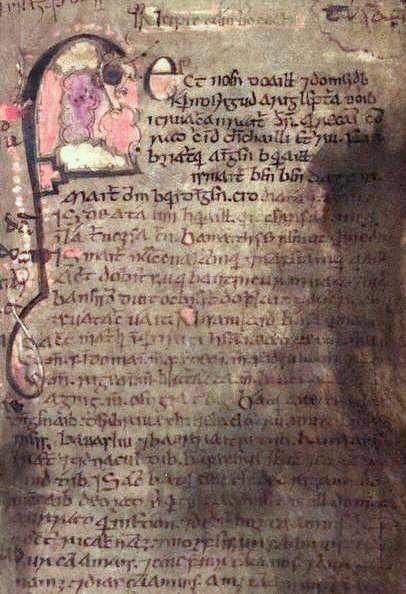
Comes from Edward Lhwyd, letter from Sligo, 12 March 1699/1700, printed in Henry Rowlands, Mona…. Internet Archive: A nonprofit digital library in San Francisco, founded in 1996, that holds millions of scanned books, papers and recordings. A scan there shows the pages of a real printed book or document.

What this means

Records exist and are linked below. This page says what the records say.

For Newgrange and the winter sunrise, the original record exists and is linked: Edward Lhwyd, letter from Sligo, 12 March 1699/1700, printed in Henry Rowlands, Mona…. That tells you the record is real and what it says. It does not mean every claim in it is true.

Primary records exist: an original document, a published text, an official file or a dated report. We link to them. This level says the record exists and what it says, not that every claim in it is true.

See all five labels

Sources

  1. Internet ArchiveA nonprofit digital library in San Francisco, founded in 1996, that holds millions of scanned books, papers and recordings. A scan there shows the pages of a real printed book or document.Edward Lhwyd, letter from Sligo, 12 March 1699/1700, printed in Henry Rowlands, Mona Antiqua Restaurata, 2nd ed. (London, 1766), pp. 314-315Primary text
  2. National Museum of Ireland, "The Winter solstice at Newgrange"
  3. Office of Public Works (Ireland), press release on the live stream of the Newgrange winter solstice (1 December 2023), gov.ie
  4. Lorna Siggins, "Newgrange sun trap may be only 50 years old, says archaeologist", The Irish Times (21 December 2016)
  5. UNESCO World Heritage CentreThe official website of the World Heritage list kept by UNESCO, the United Nations agency for education, science and culture. Each place's page gives an expert-checked description of the site and why it matters.UNESCO World Heritage Centre, "Brú na Bóinne - Archaeological Ensemble of the Bend of the Boyne" (site 659)

Quotations come from public-domain translations. A book in our Library links to its Library page; other links open the free online copy or the reference page.

Updated

Credible or not?

Tap one to see how other readers voted.

Discussion