












What is Great Sand Sea known for?
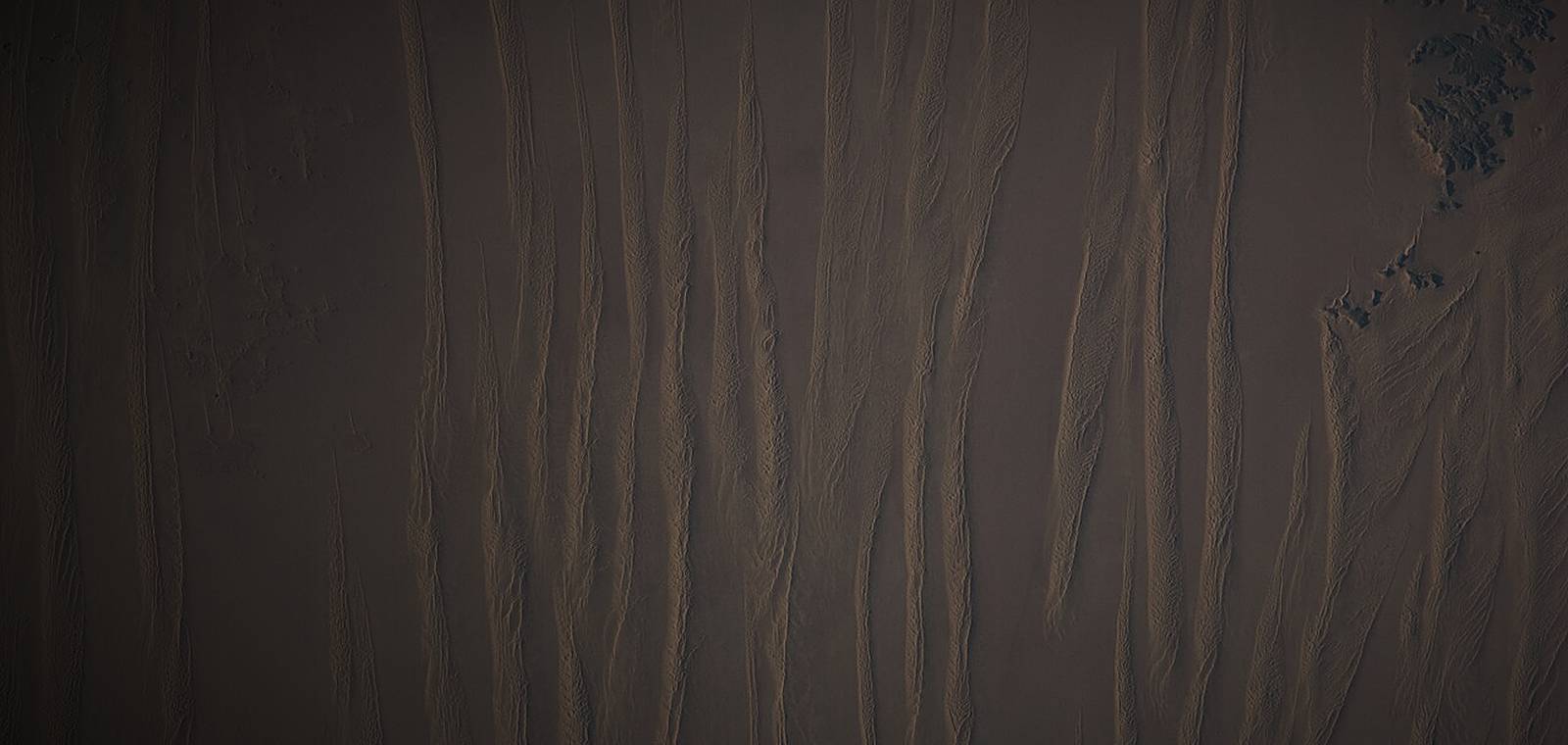
The Great Sand Sea is a huge field of dunes in the Western Desert of Egypt, extending into Libya, with long dunes running north to south for hundreds of kilometers. It is one of the driest and least visited places on Earth.
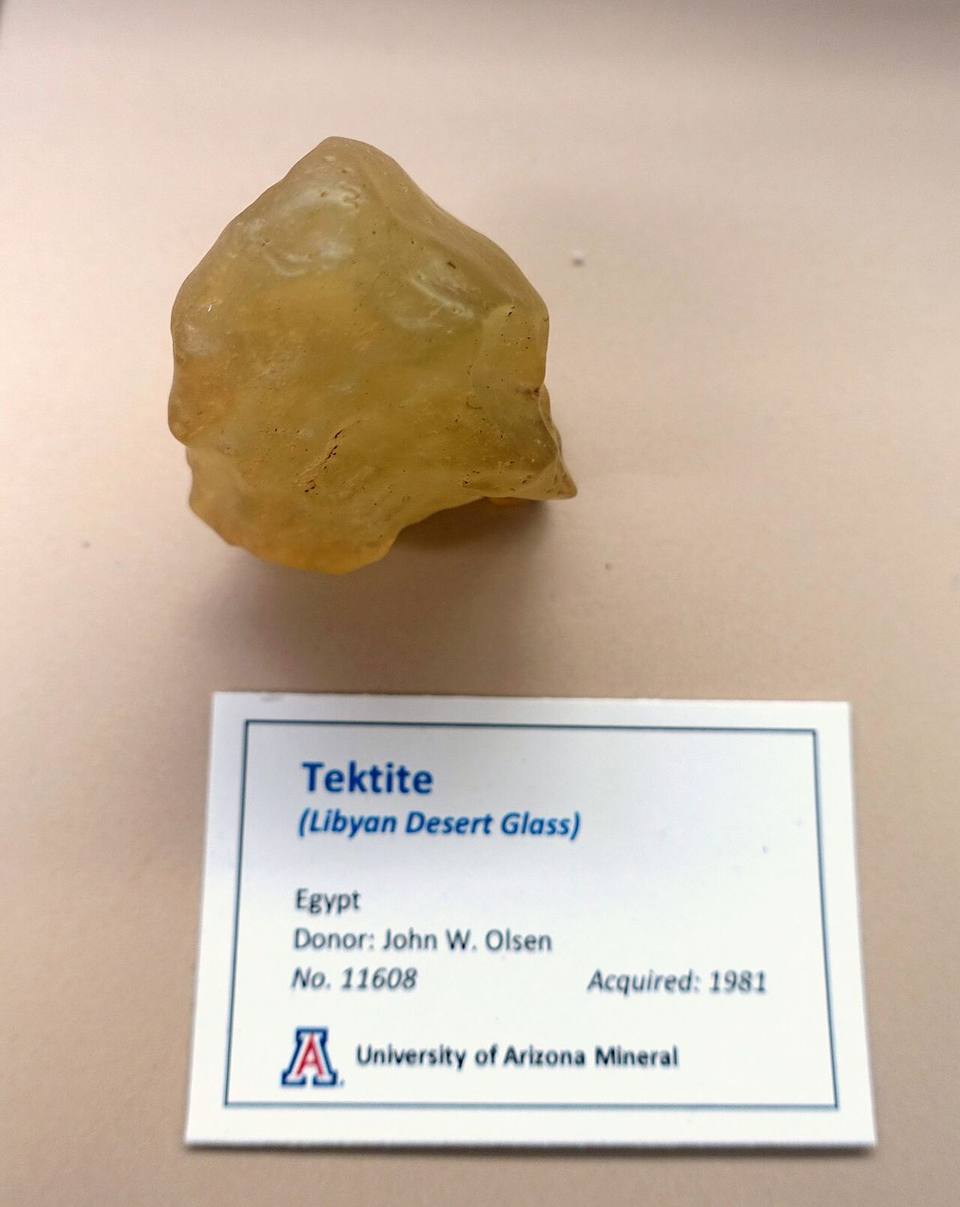
In corridors between the dunes near the Libyan border lie pieces of pale yellow-green glass, some as large as several kilograms. This Libyan desert glass is nearly pure silica and formed about 29 million years ago at very high temperatures. Most researchers think it was produced by a meteorite impact or an airburst; a 2019 study by Christian Koeberl and colleagues reported shocked quartz in local bedrock, pointing to a possible deeply eroded impact structure in the region.
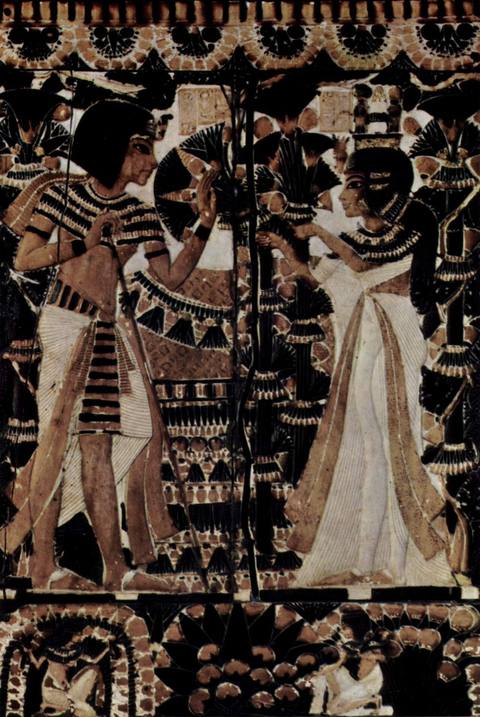
Ancient Egyptians used the glass. The central scarab in a pectoral from Tutankhamun's tomb is carved from it, identified in 1998.
Mentioned on these pages
Linked people and places
Where this comes from
Comes from Koeberl, C., and Ferrière, L., 'Libyan Desert Glass area in western Egypt' (2019)…. A research article: An article written by a researcher and published in a scholarly journal or book. Most such journals have other experts check a paper before it is printed, so it carries more weight than a news story, though later studies can still change the picture.
What this means
A real place with records. Sources are listed below.
For Great Sand Sea, the original record exists and is linked: Koeberl, C., and Ferrière, L., 'Libyan Desert Glass area in western Egypt' (2019)…. That tells you the record is real and what it says. It does not mean every claim in it is true.
Primary records exist: an original document, a published text, an official file or a dated report. We link to them. This level says the record exists and what it says, not that every claim in it is true.
Sources
- A research articleAn article written by a researcher and published in a scholarly journal or book. Most such journals have other experts check a paper before it is printed, so it carries more weight than a news story, though later studies can still change the picture.Koeberl, C., and Ferrière, L., 'Libyan Desert Glass area in western Egypt' (2019), Meteoritics & Planetary SciencePrimary text
- WikipediaA free online encyclopedia written and edited by volunteers. It is a good starting point and usually lists its own sources, but anyone can change it, so we treat it as a guide to better sources, not the final word.Wikipedia, 'Great Sand Sea'Reference Archived copy, 2026-08-31
- WikipediaWikipedia, 'Libyan desert glass'Reference Archived copy, 2026-09-24