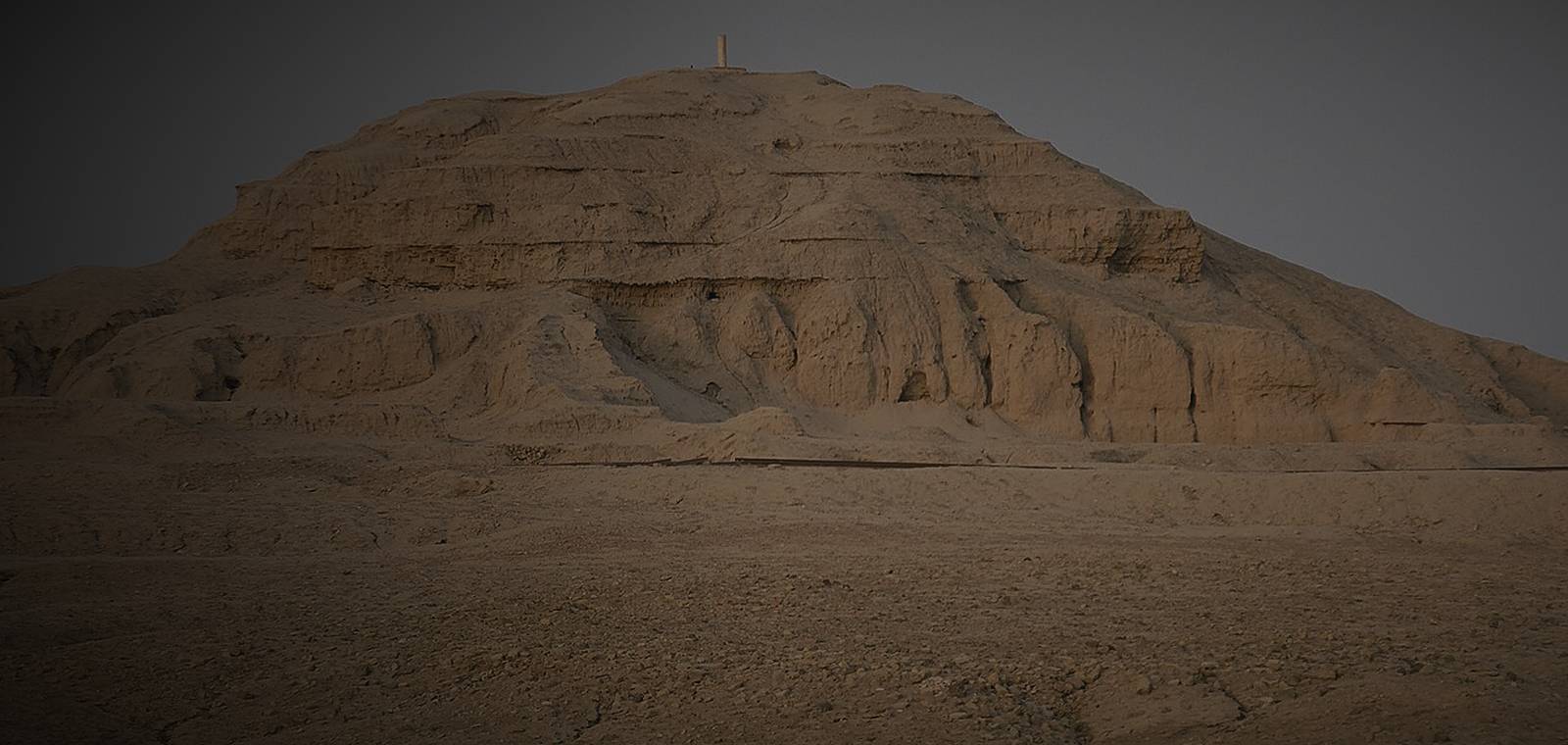
What is Sumer known for?
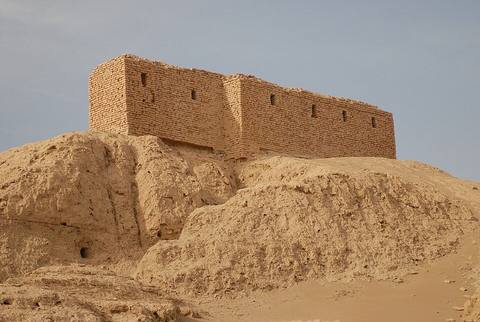
Sumer is the name scholars use for the southern part of Mesopotamia, in what is now southern Iraq, where Sumerian-speaking city-states grew up from the fifth millennium BCE. Its cities included Eridu, Uruk, Ur, Kish, Lagash and Nippur, each with its own patron god and temple.
Writing in cuneiform developed at Uruk in the late fourth millennium BCE, first for accounts and later for hymns, laws and stories. Sumerian, which is not related to any known language, stayed in use as a written language of religion and learning long after people stopped speaking it.
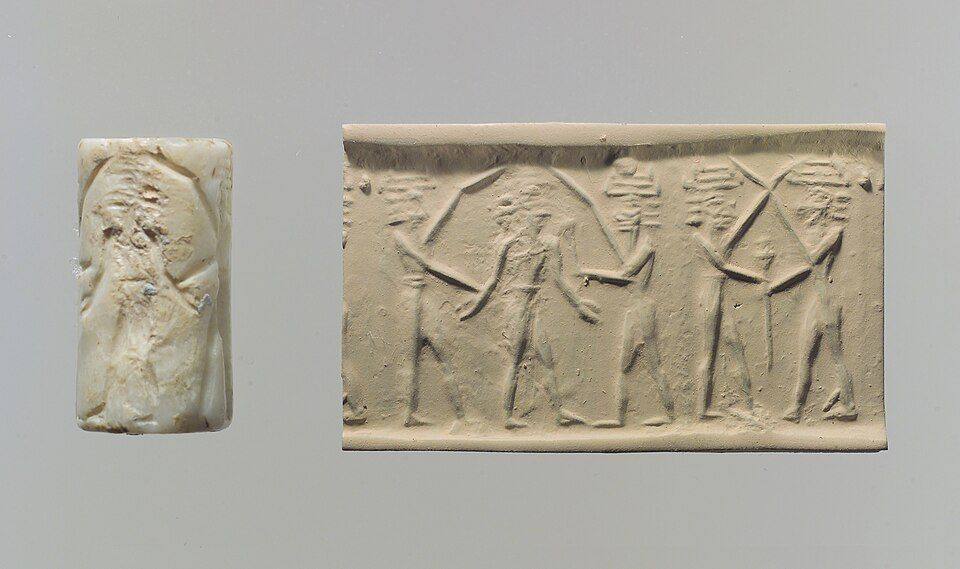
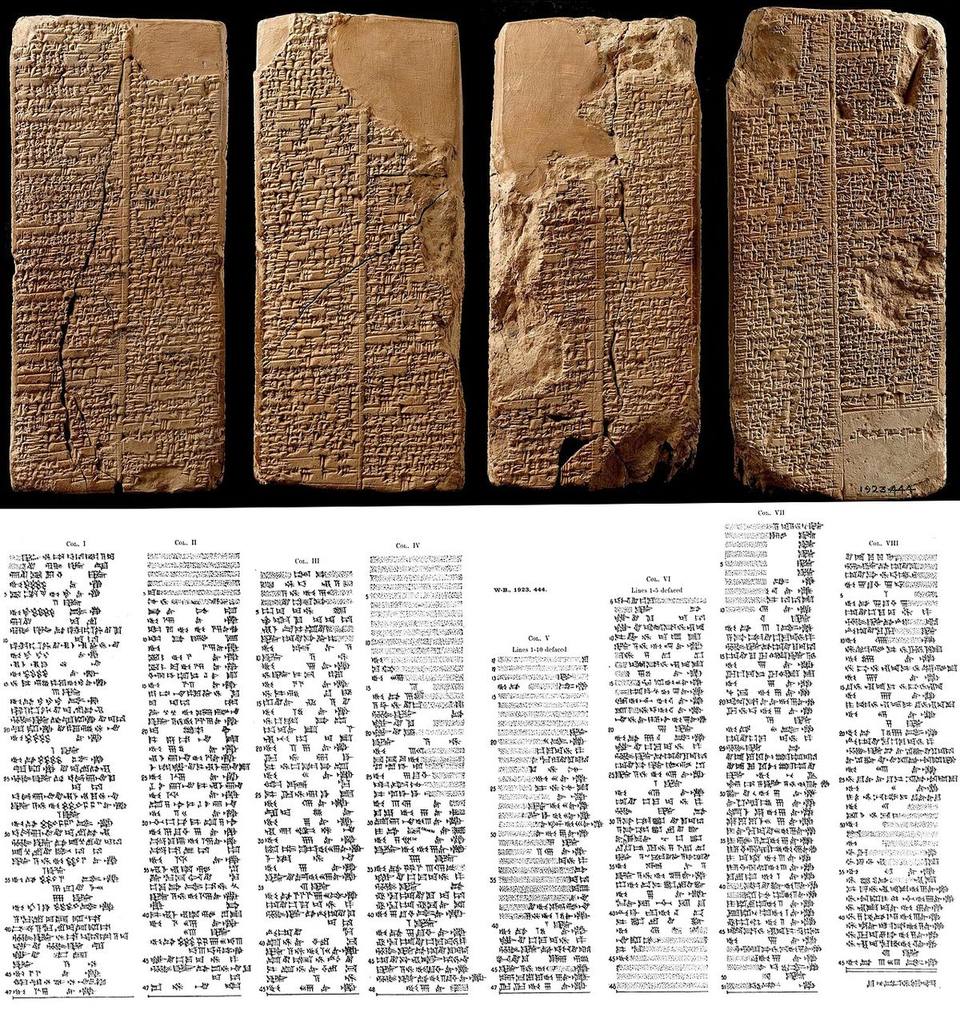
On this site Sumer matters because its texts are the oldest written versions of stories that turn up later across the region: the Sumerian King List with its very long early reigns, the Anunnaki gods, and flood and creation stories that Babylonian writers later reworked.
Home of the Sumerian King List, Eridu and the Anunnaki, the oldest written layer behind many stories on the site.
Mentioned on these pages
- FileAnunnaki
- FileEnlil
- FileInanna
- FileShuruppak
- FileSumerian King List
- PersonEnheduanna
- PlaceDilmun
- PlaceIsin
- PlaceNippur
- PlaceUr
Linked people and places
Sources
- Encyclopaedia BritannicaAn encyclopedia first published in Scotland in 1768 and now online. Its articles are written and checked by named experts and editors, which makes it a reliable source for basic facts.Encyclopaedia Britannica, 'Sumer'Reference
- The Metropolitan Museum of Art, Heilbrunn Timeline of Art History, 'Uruk: The First City'Reference
- WikipediaA free online encyclopedia written and edited by volunteers. It is a good starting point and usually lists its own sources, but anyone can change it, so we treat it as a guide to better sources, not the final word.Wikipedia, 'Sumer'Reference
No public-domain picture of this place yet. We do not show drawn or generated likenesses.