












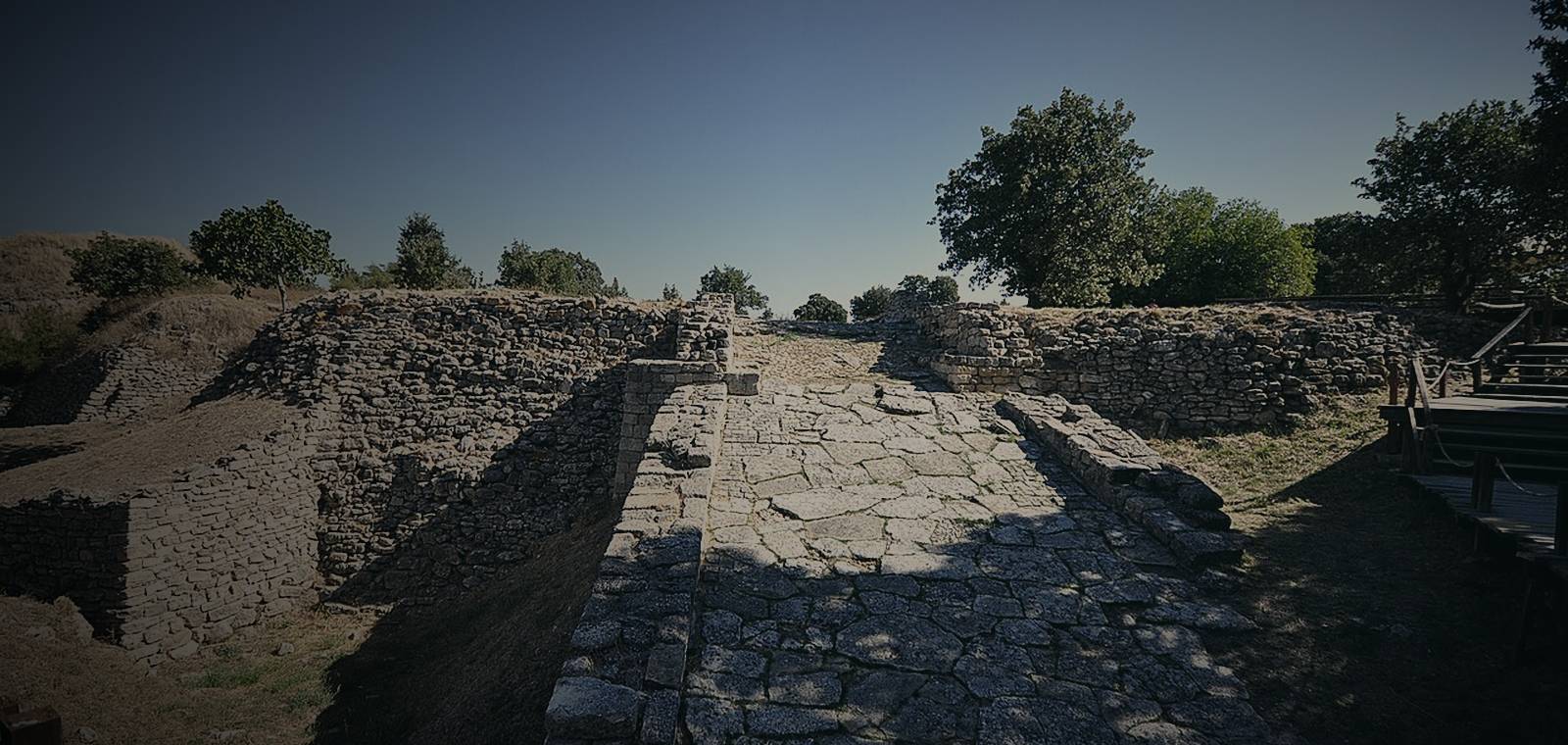
What is Troy known for?
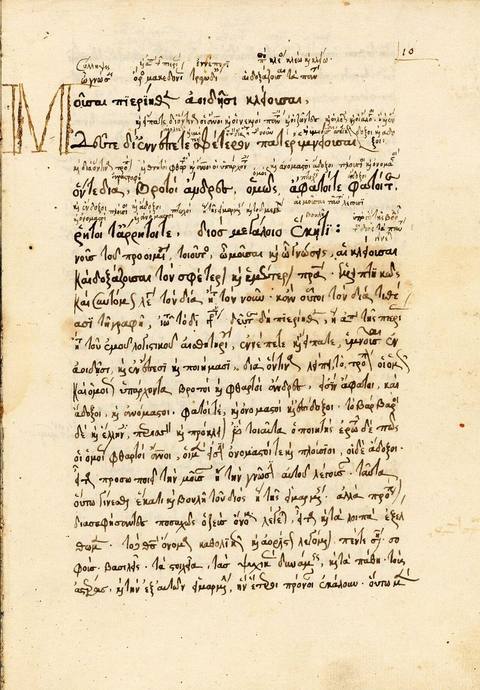
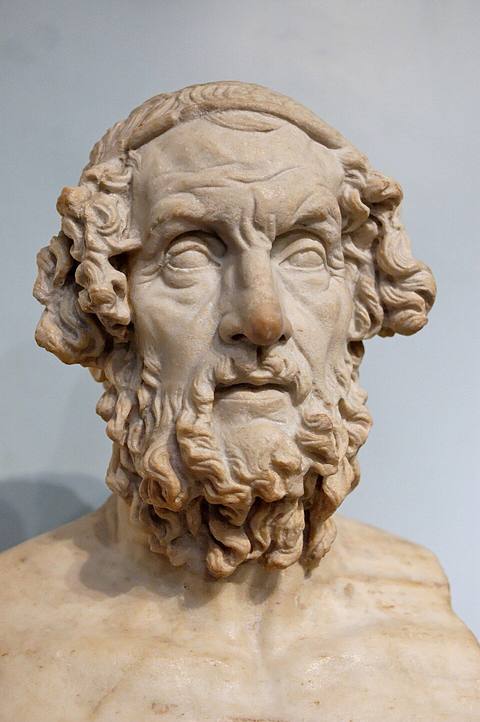
Troy is the city besieged by the Greeks in the legend of the Trojan War, told in Homer's Iliad and later poems. Most archaeologists identify it with the mound of Hisarlik near the Dardanelles in northwest Turkey. Heinrich Schliemann began digging there in 1870, followed by Wilhelm Dörpfeld, Carl Blegen and later teams; UNESCO lists some 24 excavation campaigns over about 140 years.
The mound holds many cities built on top of one another, from the early Bronze Age to Roman times. Layers known as Troy VI and VIIa, from the late Bronze Age, are the usual candidates for Homer's city. Whether a war like the one in the Iliad really happened is still debated; the size and power of Bronze Age Troy are also argued over.
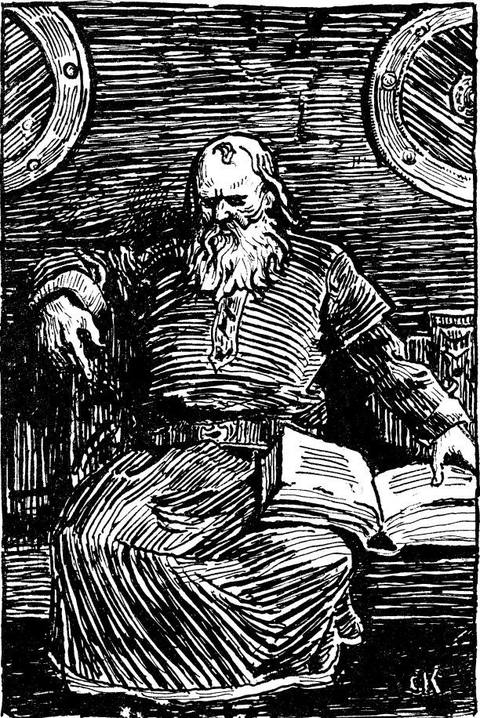
In Hesiod's Works and Days, the heroes who fought at Thebes and Troy form the fourth of five races of humankind, the demigods, some of whom were taken to the Isles of the Blessed. Later, Snorri Sturluson's Prose Edda even identified the Norse gods' home, Asgard, with Troy.
Mentioned on these pages
- FileHesiod's five races of men
- PersonHeinrich Schliemann
- PlaceAsgard
Linked people and places
Where this comes from
Comes from UNESCO World Heritage Centre, 'Archaeological Site of Troy'. The official website of the World Heritage list kept by UNESCO, the United Nations agency for education, science and culture. Each place's page gives an expert-checked description of the site and why it matters.
What this means
A real place with records. Sources are listed below.
For Troy, the original record exists and is linked: UNESCO World Heritage Centre, 'Archaeological Site of Troy'. That tells you the record is real and what it says. It does not mean every claim in it is true.
Primary records exist: an original document, a published text, an official file or a dated report. We link to them. This level says the record exists and what it says, not that every claim in it is true.
Sources
- UNESCO World Heritage CentreThe official website of the World Heritage list kept by UNESCO, the United Nations agency for education, science and culture. Each place's page gives an expert-checked description of the site and why it matters.UNESCO World Heritage Centre, 'Archaeological Site of Troy'Reference Archived copy, 2026-10-01
- Encyclopaedia BritannicaAn encyclopedia first published in Scotland in 1768 and now online. Its articles are written and checked by named experts and editors, which makes it a reliable source for basic facts.Encyclopaedia Britannica, 'Troy'Reference Archived copy, 2026-07-20
No public-domain picture of this place yet. We do not show drawn or generated likenesses.