












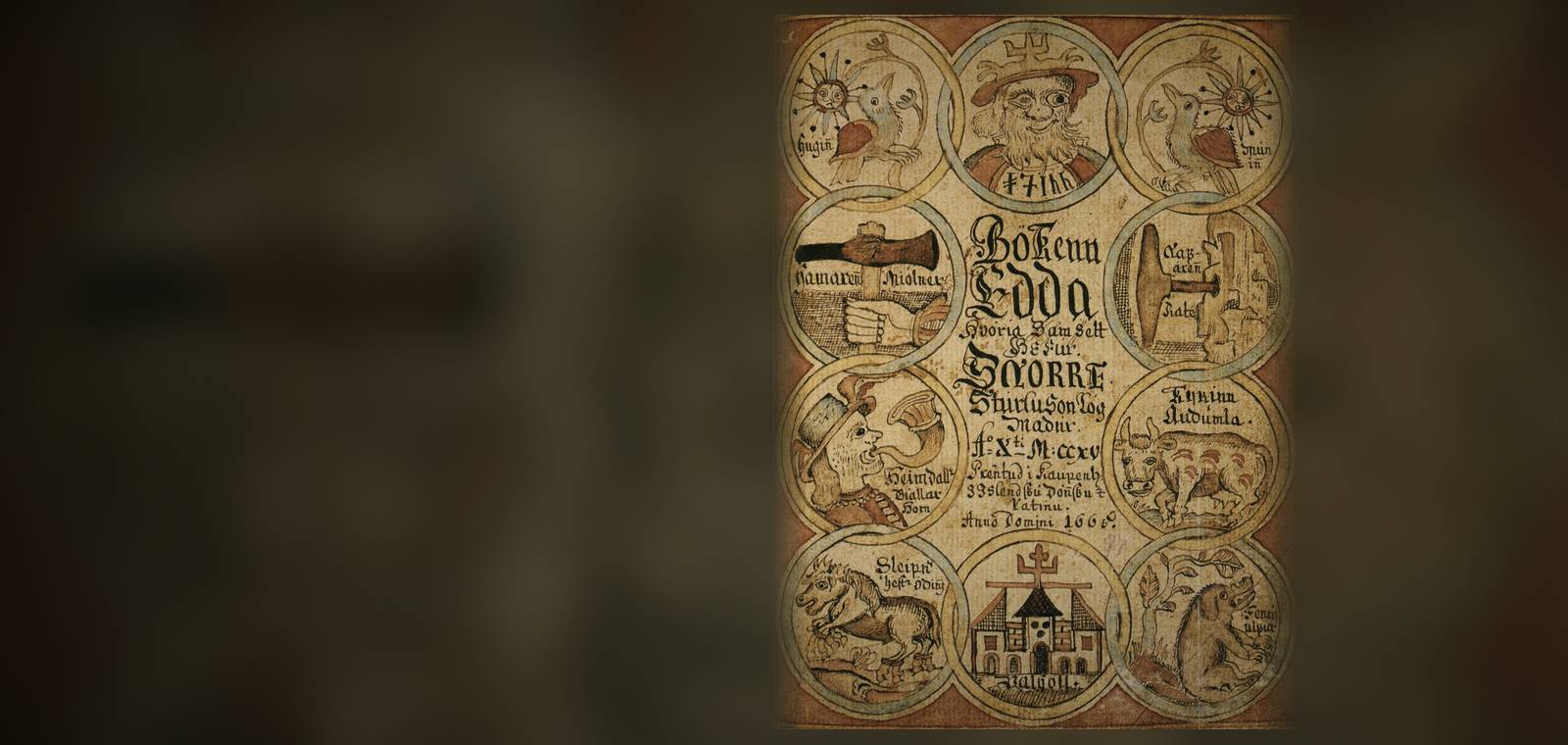
What is Asgard known for?
Asgard, Old Norse Ásgarðr, 'enclosure of the gods', is the home of the Aesir in Norse mythology, including Odin and Thor. It is mentioned in the Eddic poems Hymiskvida and Thrymskvida and described most fully by the Icelandic writer Snorri Sturluson in his Prose Edda, about 1220.
In Snorri's Gylfaginning the gods build Asgard in the middle of the world, and the bridge Bifrost links it to Midgard, the human world. Odin's hall Valhalla stands within it. Asgard plays a role similar to Mount Olympus in Greek myth.
Snorri, a Christian writer, also offered a 'historical' version. His prologue identifies Asgard with Troy, and his Ynglinga saga places it in Asia, east of the river Tanais, with the Aesir as human rulers later worshipped as gods. These versions show how medieval scholars tried to fit the old gods into Christian and classical history.
The same story, told elsewhere
Shared story · Signs and numbers
The Sacred Twelve: Tribes, Disciples, Gods and Signs
Twelve tribes of Israel, twelve disciples, twelve gods of Greece and of Asgard, twelve Adityas in India, twelve signs ringing the Mithras carvings. The number twelve turns up again and again.
Prose Edda, Gylfaginning (the gods of Asgard) is one telling. The same story is told 7 more times, in 6 parts of the world. Follow it:
- Hebrew BibleCanaan and Egypt · c. 600-400 BCE · Ancient text
- Greek (about Egypt)Egypt, as reported by Egyptian priests · c. 430 BCE · Ancient text
- HinduNorthern India · c. 400 BCE · Ancient text
- GreekTiryns, Greece · c. 1st-2nd century CE · Ancient text
- ChristianGalilee · c. 80-90 CE · Ancient text
- RomanMithras temples across the Roman Empire · c. 100-400 CE · Ancient text
- NorseIceland · c. 1220 CE · Medieval textTied to this page
- Egyptian (a modern comparison)Written in London about Egyptian texts · 1907 · Modern book
The open question: Is twelve special because of the sky and the calendar, or because each tradition chose it for its own reasons? Join the debate
Mentioned on these pages
- FileBifrost
- PersonSnorri Sturluson
- PlaceMidgard
- PlaceMount Olympus
- PlaceTroy
- PlaceValhalla
Linked people and places
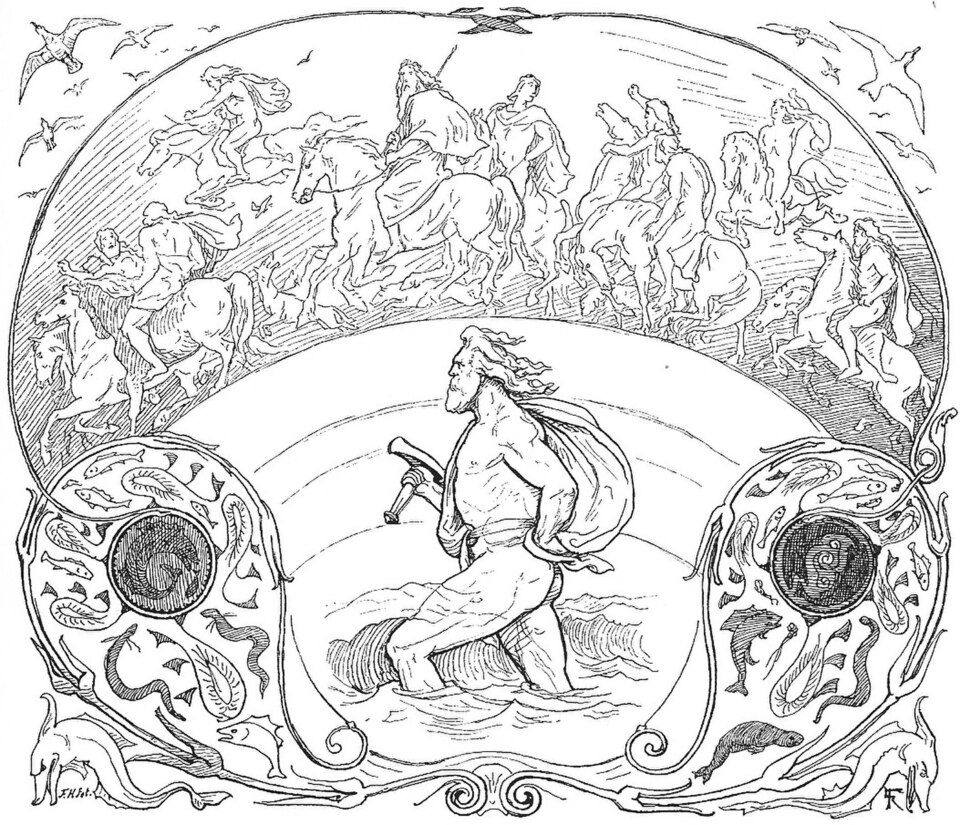
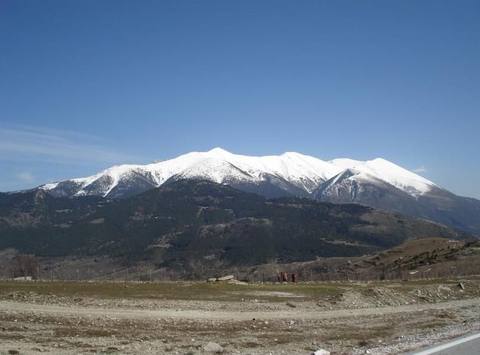
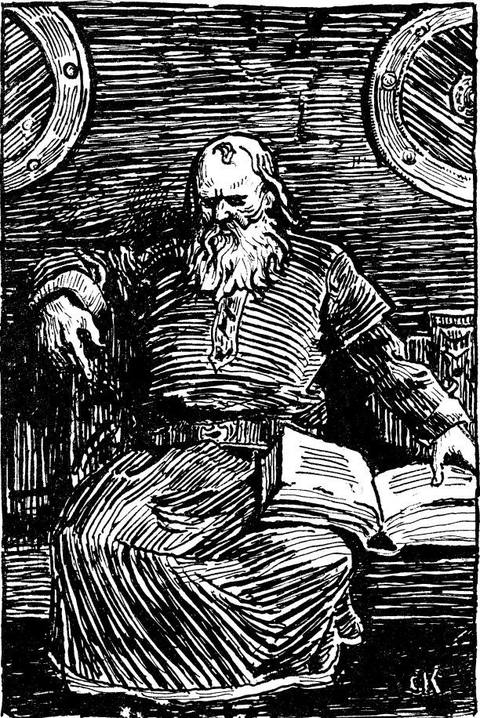
Where this comes from
Comes from Snorri Sturluson, Prose Edda: Gylfaginning, trans. A. G. Brodeur (sacred-texts.com). The Prose Edda, by Snorri Sturluson: A book about Norse myths and poetry written around 1220 by Snorri Sturluson, an Icelandic chieftain and scholar. It retells the making of the world from the body of the giant Ymir and many tales of the gods.
What this means
A story or tradition. It is documented as a story; nothing independent shows it happened.
Asgard is known from stories, scripture or tradition. The texts are real and we quote them (for example Snorri Sturluson, Prose Edda: Gylfaginning, trans. A. G. Brodeur (sacred-texts.com)), but nothing outside those texts shows that Asgard was real as described.
The page covers something known from myths, scripture or tradition. The texts are real and we quote them, but no independent record shows the events or beings were real.
Sources
- WikipediaA free online encyclopedia written and edited by volunteers. It is a good starting point and usually lists its own sources, but anyone can change it, so we treat it as a guide to better sources, not the final word.Wikipedia, 'Asgard'Reference Archived copy, 2026-09-03
- The Prose Edda, by Snorri SturlusonA book about Norse myths and poetry written around 1220 by Snorri Sturluson, an Icelandic chieftain and scholar. It retells the making of the world from the body of the giant Ymir and many tales of the gods. Arthur Gilchrist Brodeur's English version came out in 1916.Snorri Sturluson, Prose Edda: Gylfaginning, trans. A. G. Brodeur (sacred-texts.com) Online copyPrimary text Archived copy, 2026-08-20
No public-domain picture of this place yet. We do not show drawn or generated likenesses.