












What is Xibalba known for?
Xibalba is the underworld in the Popol Vuh, the sacred book of the K'iche' Maya of highland Guatemala. The name is usually translated as 'place of fright'. It is ruled by twelve lords, led by One Death and Seven Death, whose companions bring disease, starvation and other kinds of death.
In the Popol Vuh the lords summon ballplayers down to Xibalba and test them in a series of deadly houses: the Dark House, Razor House, Cold House, Jaguar House, Fire House and Bat House. They kill the father and uncle of the Hero Twins, Hunahpu and Xbalanque. The twins then descend, survive every trial, play the lords at their ballcourt and finally trick and defeat them.
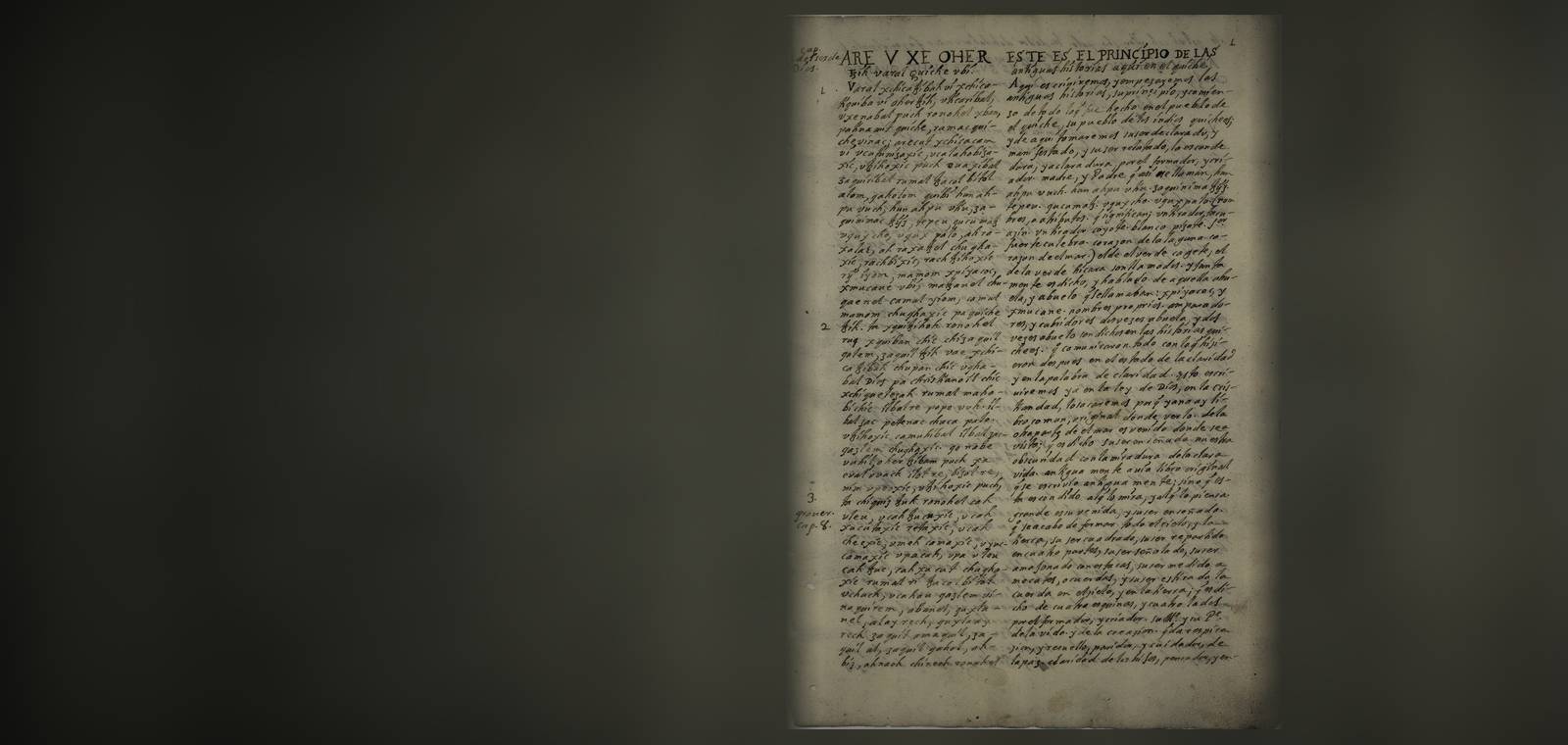
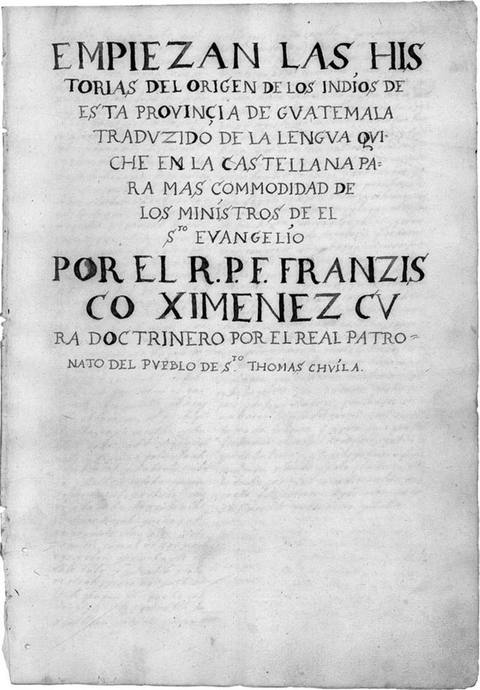
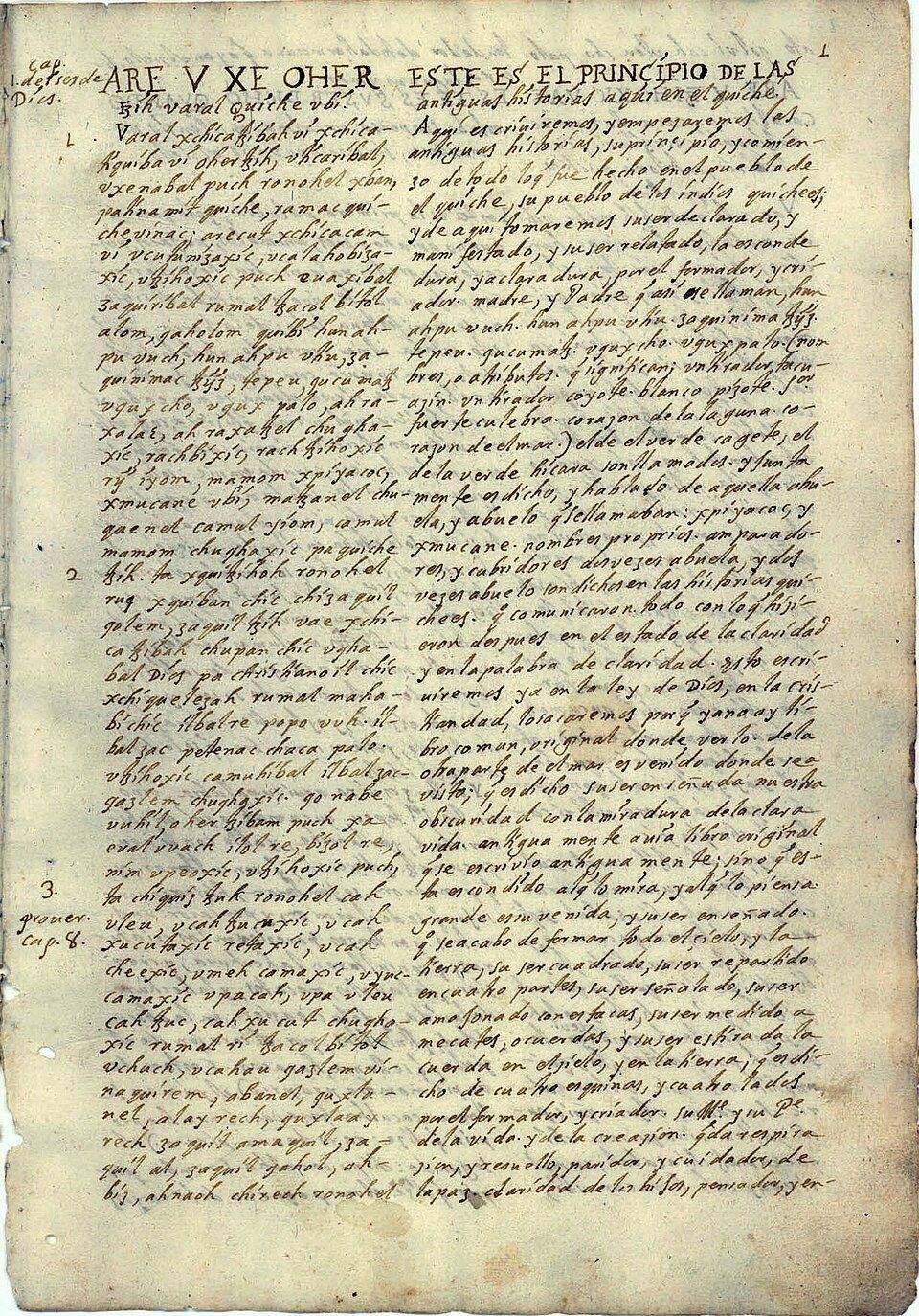
The surviving text was written down in the 16th century and copied around 1701 by the friar Francisco Ximénez. Some Maya groups pointed to caves, such as those near Cobán in Verapaz, as entrances to Xibalba.
Mentioned on these pages
- FilePopol Vuh
- PersonFrancisco Ximénez
- PersonHunahpu and Xbalanque (the Hero Twins)
Linked people and places
Where this comes from
Comes from Wikipedia, 'Xibalba'. A free online encyclopedia written and edited by volunteers. It is a good starting point and usually lists its own sources, but anyone can change it, so we treat it as a guide to better sources, not the final word.
What this means
A story or tradition. It is documented as a story; nothing independent shows it happened.
Xibalba is known from stories, scripture or tradition. The texts are real and we quote them (for example Wikipedia, 'Xibalba'), but nothing outside those texts shows that Xibalba was real as described.
The page covers something known from myths, scripture or tradition. The texts are real and we quote them, but no independent record shows the events or beings were real.
Sources
- WikipediaA free online encyclopedia written and edited by volunteers. It is a good starting point and usually lists its own sources, but anyone can change it, so we treat it as a guide to better sources, not the final word.Wikipedia, 'Xibalba'Reference Archived copy, 2026-09-04
- Encyclopaedia BritannicaAn encyclopedia first published in Scotland in 1768 and now online. Its articles are written and checked by named experts and editors, which makes it a reliable source for basic facts.Encyclopaedia Britannica, 'Popol Vuh'Reference Archived copy, 2026-09-25
No public-domain picture of this place yet. We do not show drawn or generated likenesses.