












What are Hunahpu and Xbalanque known for?
Hunahpu and Xbalanque are the twin heroes of the Popol Vuh, the K'iche' Maya book of creation. Their father, Hun Hunahpu, is killed by the lords of Xibalba, the underworld, after losing a ballgame; his severed head, hung in a tree, impregnates Xquic, a daughter of one of the lords, who flees to the upper world and bears the twins.
The twins defeat the boastful bird Seven Macaw and his sons, then are summoned to Xibalba. They survive a series of deadly houses (of darkness, razors, cold, jaguars, fire and bats), win the ballgame even after Hunahpu is beheaded, and finally trick the lords into being sacrificed. Afterward they rise into the sky as the sun and the moon.
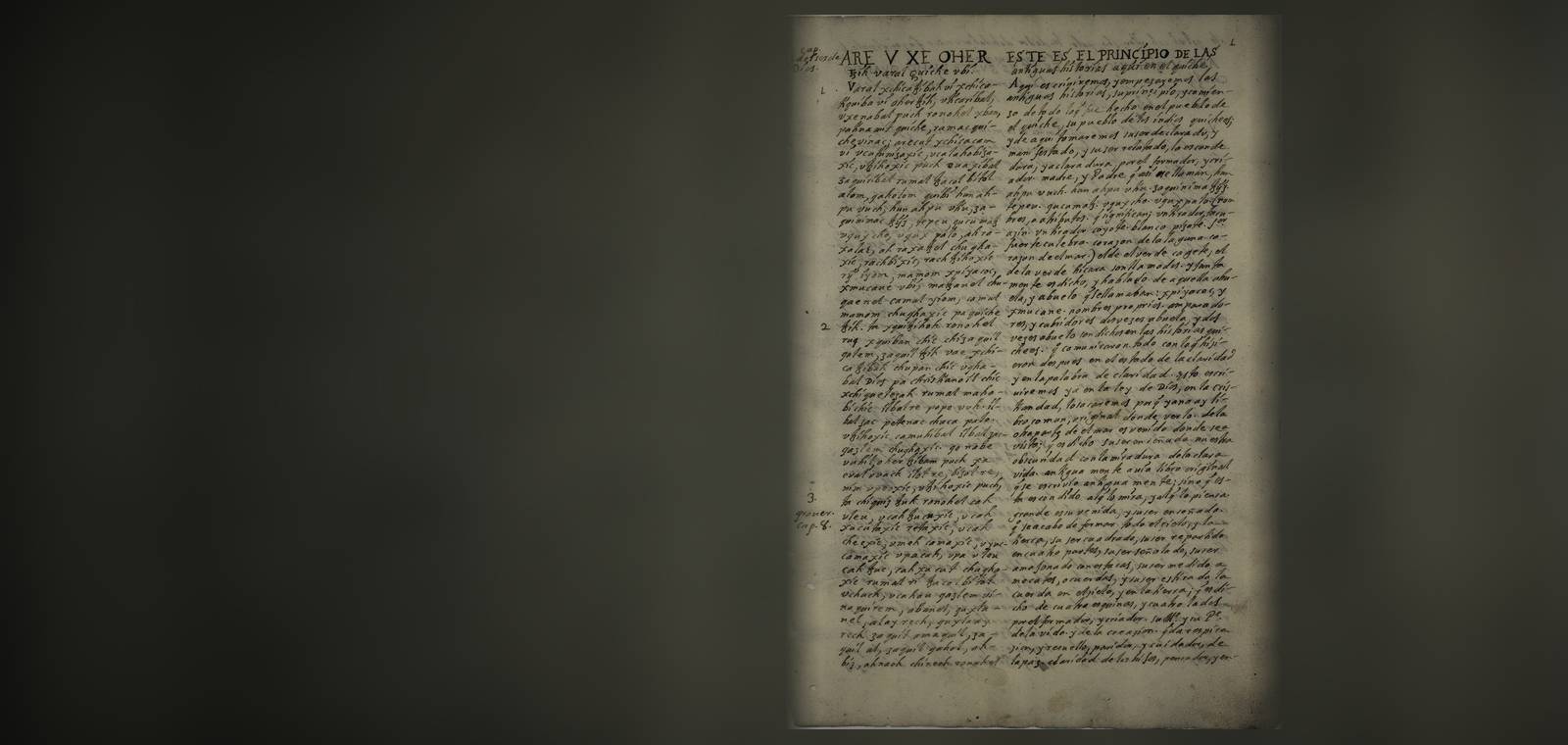
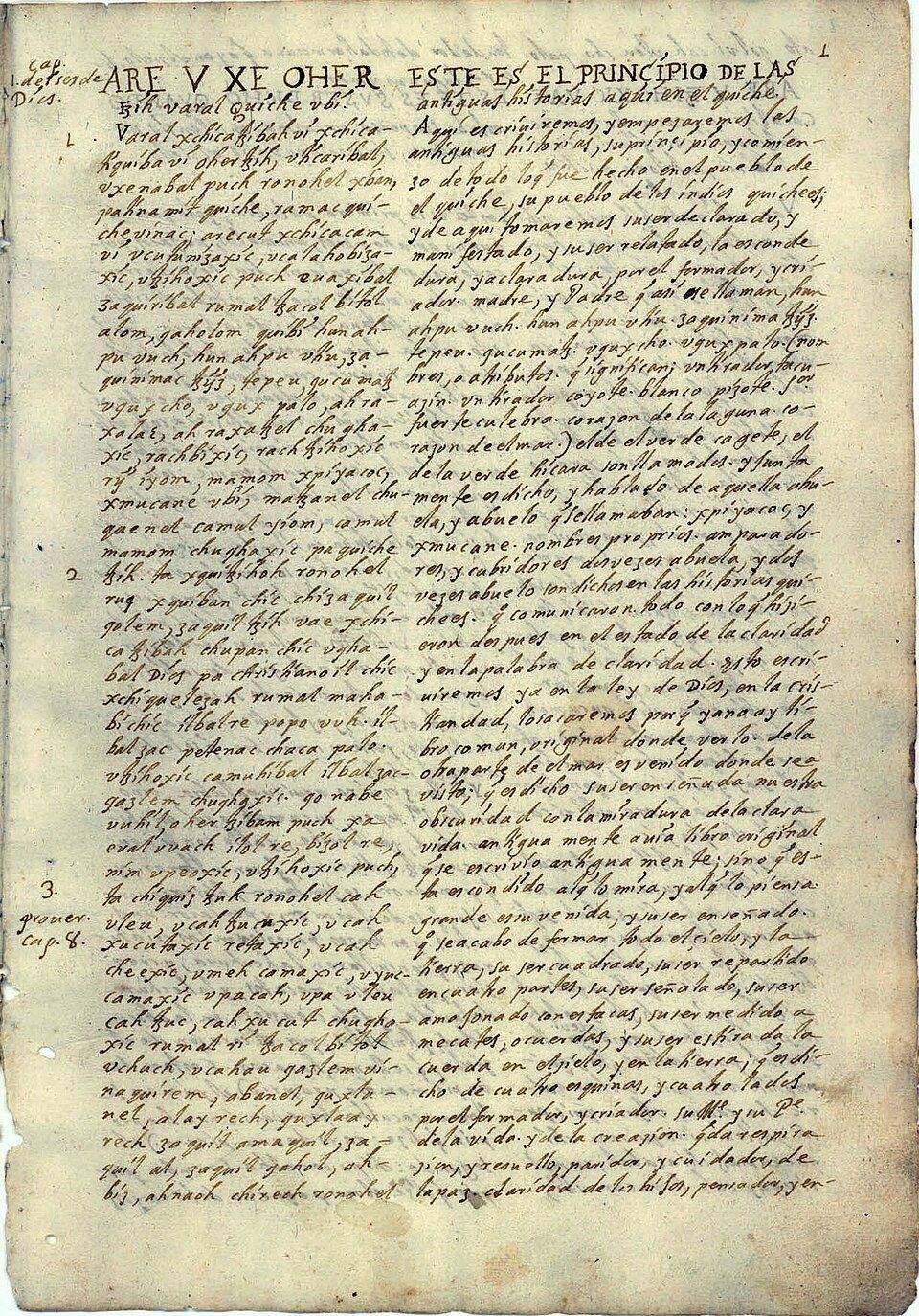
Twin heroes resembling them appear in Classic Maya art centuries before the Popol Vuh was written down, where scholars identify them as Hun Ajaw and Yax Balam. The Popol Vuh survives only in Francisco Ximénez's copy of around 1701.
The same story, told elsewhere
Shared story · Floods and lost lands
Flood Stories Around the World
A god warns one good man, a boat is built, the world drowns and birds are sent out to find land. The same story turns up from Iraq to India to Greece, with cousins in China, Scandinavia and Guatemala.
Popol Vuh (the wooden people) is one telling. The same story is told 9 more times, in 6 parts of the world. Follow it:
- Vedic IndiaNorthern India · c. 800-600 BCE · Ancient text
- Babylonian (Akkadian)Mesopotamia · 7th century BCE · Ancient text
- Hebrew BibleJudah / Babylon · c. 600-400 BCE · Ancient text
- ChineseYellow River valley, China · 1st millennium BCE · Ancient text
- Zoroastrian (Persian)Iran / Central Asia · 1st millennium BCE · Ancient text
- Babylonian, retold in GreekBabylon · c. 280 BCE · Ancient text
- GreekGreece · 1st or 2nd century CE · Ancient text
- IslamArabia · 7th century CE · Medieval text
- NorseIceland · c. 1220 CE · Medieval text
- K'iche' MayaHighland Guatemala · c. 1554-1558 · Retold in EnglishTied to this page
The open question: One real flood remembered by many peoples, or many different floods that each people told in its own way? Join the debate
Shared story · Beginnings
Giants and the Races Before Us
Genesis has the Nephilim, Greece has the Giants, the North has the frost giants, Arabia has the tall people of 'Ad and the Maya have Zipacna, who piled up mountains. Why does almost everyone remember giants?
Popol Vuh (Vukub-Cakix and his sons) is one telling. The same story is told 7 more times, in 4 parts of the world. Follow it:
- Hebrew BibleCanaan · c. 700-400 BCE · Ancient text
- GreekBoeotia, Greece · c. 700 BCE · Ancient text
- Hebrew BibleJudah · c. 600-400 BCE · Ancient text
- Jewish apocalyptic (Second Temple)Judea · c. 300-200 BCE · Ancient text
- GreekGreece · 1st or 2nd century CE · Ancient text
- IslamSouthern Arabia · 7th century CE · Medieval text
- NorseIceland · c. 1220 CE · Medieval text
- K'iche' MayaHighland Guatemala · c. 1554-1558 · Retold in EnglishTied to this page
The open question: Real bones dug up and explained, a memory of older peoples, or something else that made giants a story almost everywhere? Join the debate
Mentioned on these pages
Linked people and places
Where this comes from
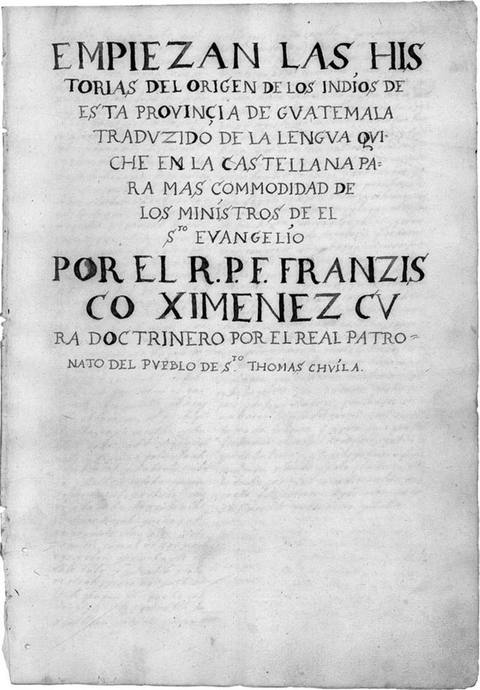
Comes from Newberry Library, 'Popol Vuh' research guide. The Popol Vuh: The sacred story of the K'iche' Maya of Guatemala: how gods made people from maize, and the Hero Twins' contest with the lords of the underworld. It was written down in the K'iche' language in the mid 1500s; the only surviving copy, made by the friar Francisco Ximénez around 1701, is at the Newberry Library, Chicago.
What this means
A story or tradition. It is documented as a story; nothing independent shows it happened.
Hunahpu and Xbalanque is known from stories, scripture or tradition. The texts are real and we quote them (for example Newberry Library, 'Popol Vuh' research guide), but nothing outside those texts shows that Hunahpu and Xbalanque was real as described.
The page covers something known from myths, scripture or tradition. The texts are real and we quote them, but no independent record shows the events or beings were real.
Sources
- The Popol VuhThe sacred story of the K'iche' Maya of Guatemala: how gods made people from maize, and the Hero Twins' contest with the lords of the underworld. It was written down in the K'iche' language in the mid 1500s; the only surviving copy, made by the friar Francisco Ximénez around 1701, is at the Newberry Library, Chicago.Newberry Library, 'Popol Vuh' research guidePrimary text Archived copy, 2026-09-11
- WikipediaA free online encyclopedia written and edited by volunteers. It is a good starting point and usually lists its own sources, but anyone can change it, so we treat it as a guide to better sources, not the final word.Wikipedia, 'Maya Hero Twins'Reference Archived copy, 2026-09-12
No public-domain picture of this person yet. We do not show drawn or generated likenesses.